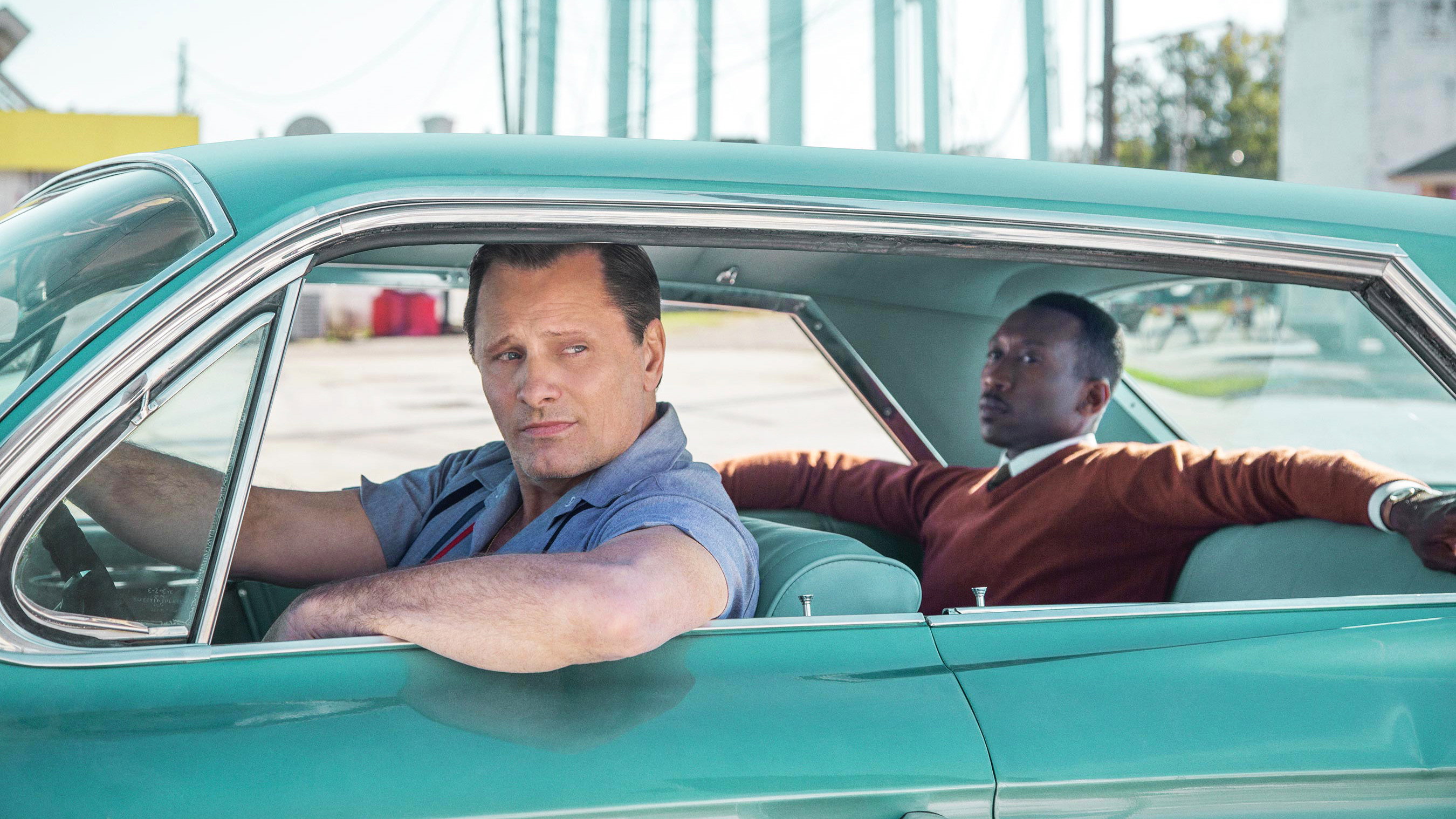
Viggo Mortensen and Mahershala Ali make Green Book an engaging road comedy. Peter Farrelly’s reassuring treatment of racism is harder to accept, but the performances give interested viewers a reason to persist with its familiar lessons.
Peter Farrelly’s Green Book is an amiable road comedy with two performances worth watching and a treatment of racism that needs more scrutiny. It wants a friendship to develop through irritation, jokes and repeated exposure to someone else’s habits. Farrelly handles that gradual familiarity well, and the company is often pleasant. The problem is how readily the film invites us to feel satisfied with the changes in its white driver.
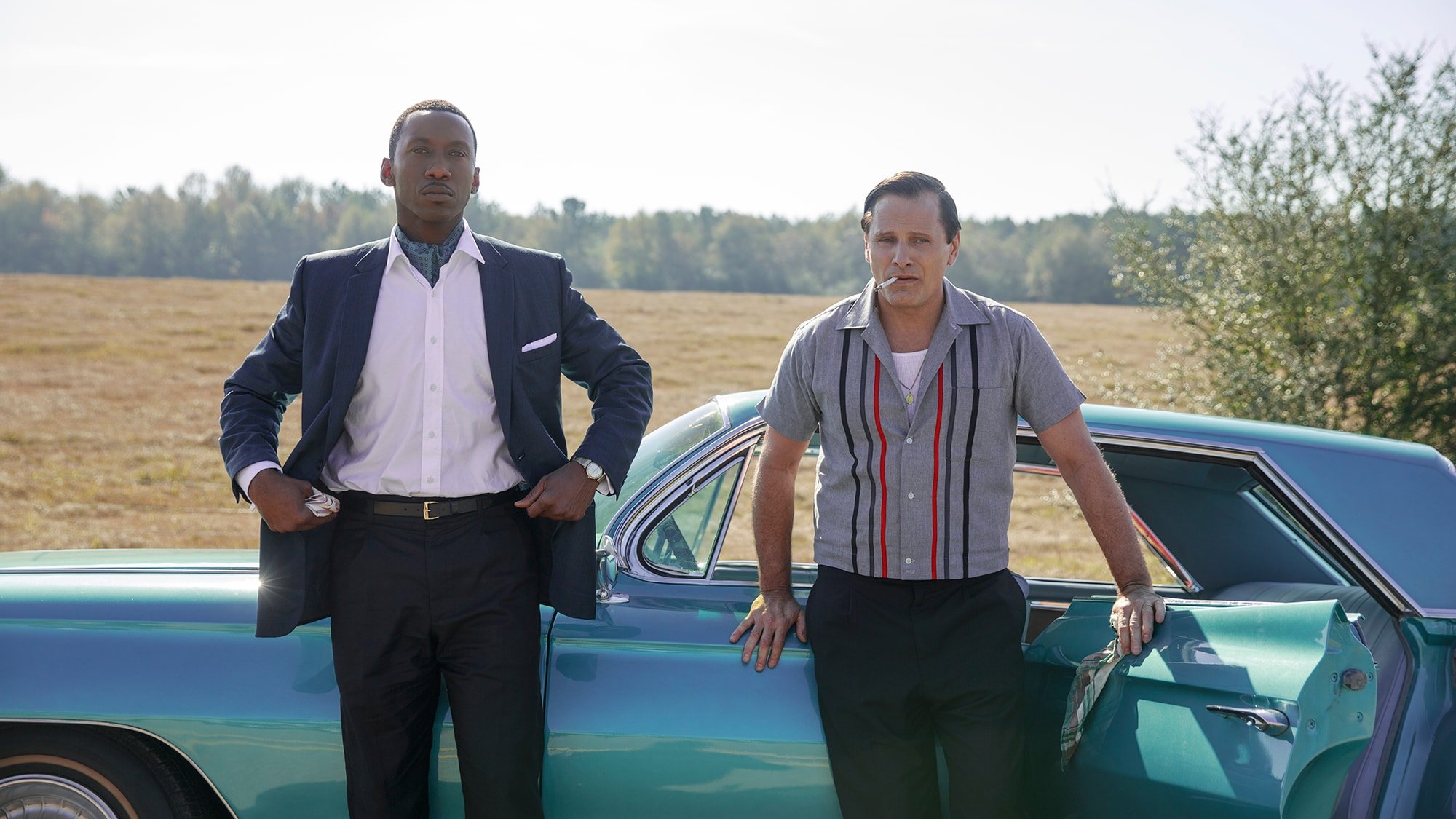
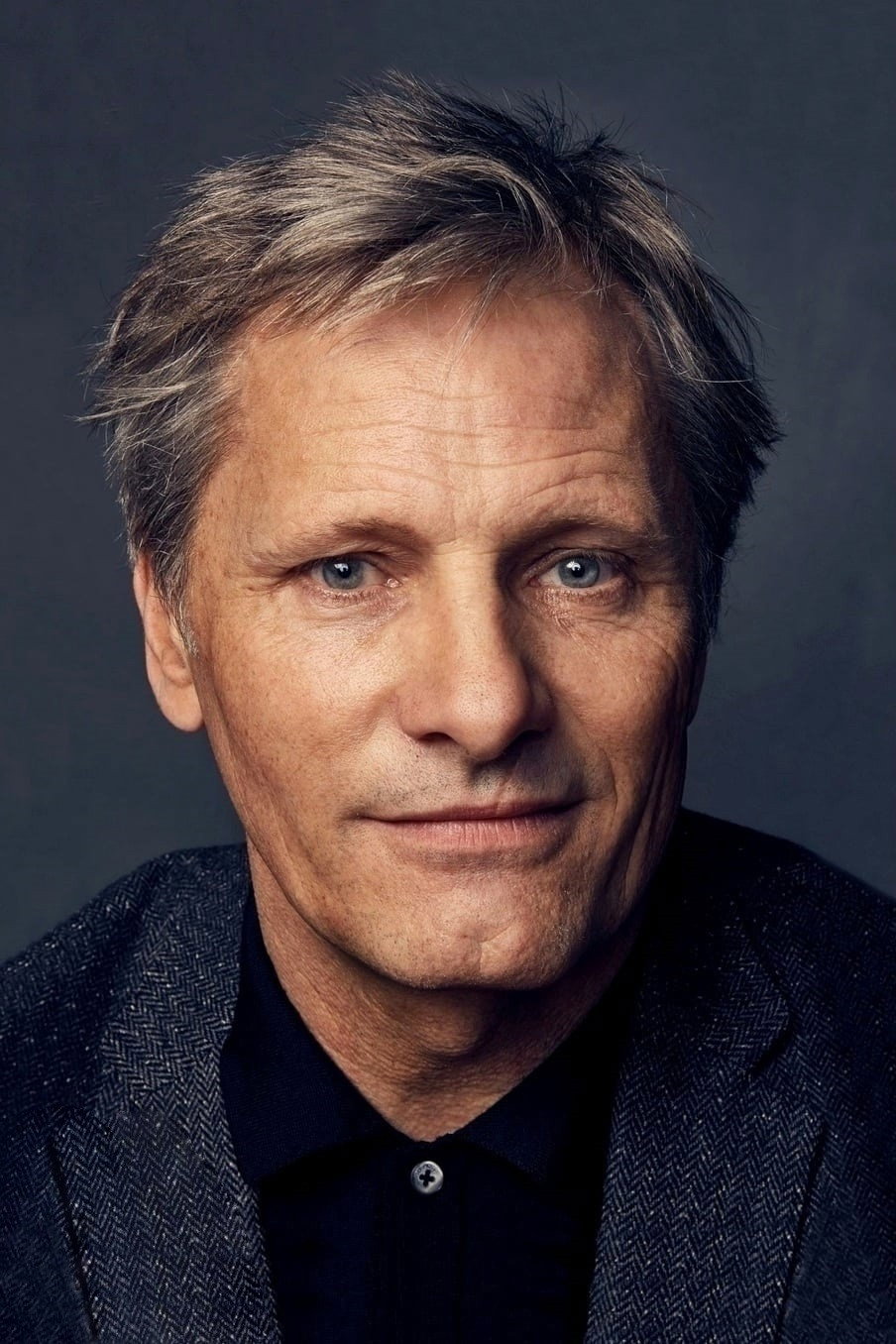
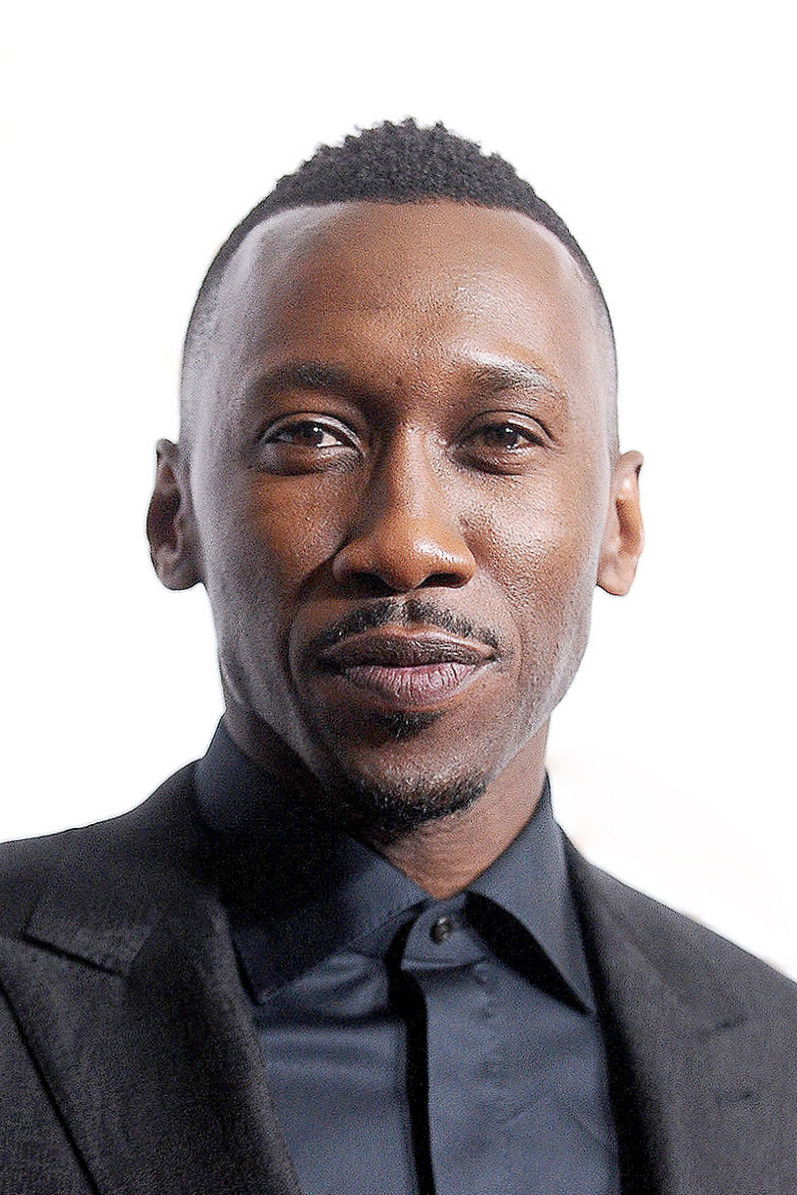
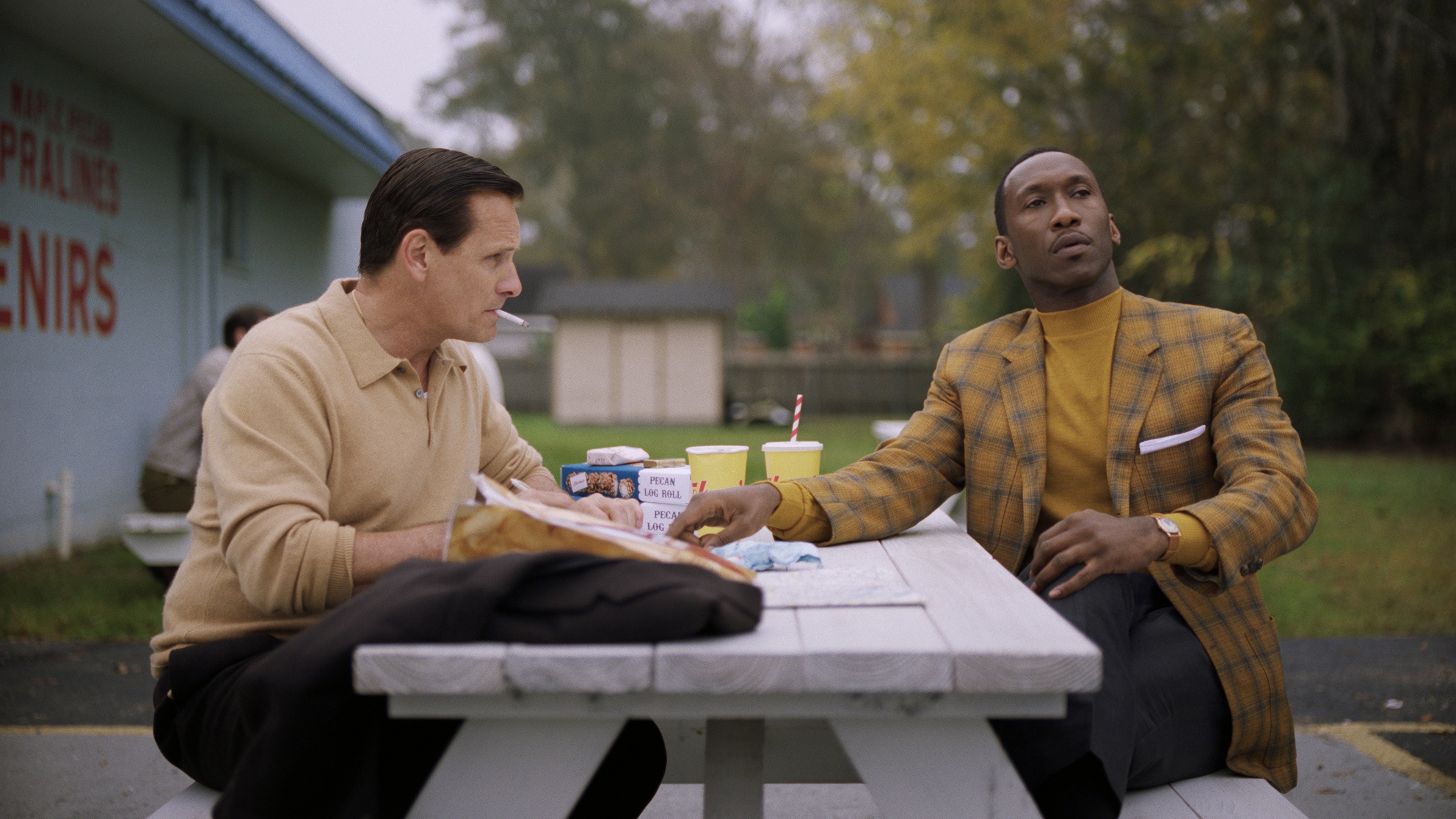
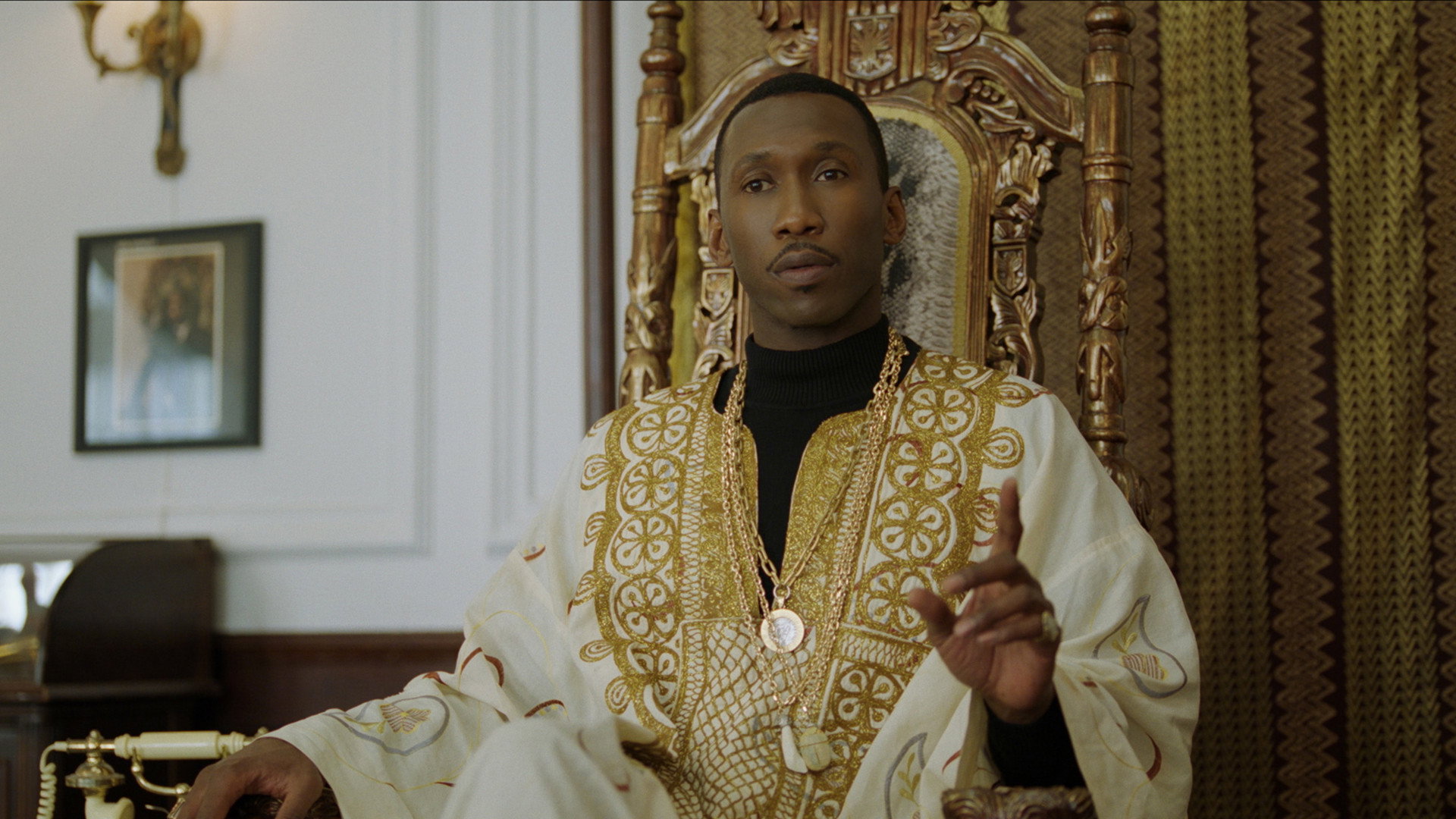
Mortensen’s Tony Lip takes up a great deal of space, and the broadness is mostly a sound comic choice. He makes the driver’s bluntness entertaining without pretending it is always attractive, though sometimes the performance seems too pleased with itself. Ali’s Dr. Don Shirley is more contained, allowing irritation to show without surrendering his composure. We laughed at their banter, particularly the contrast between Mortensen’s noisy self-assurance and Ali’s patient irritation.
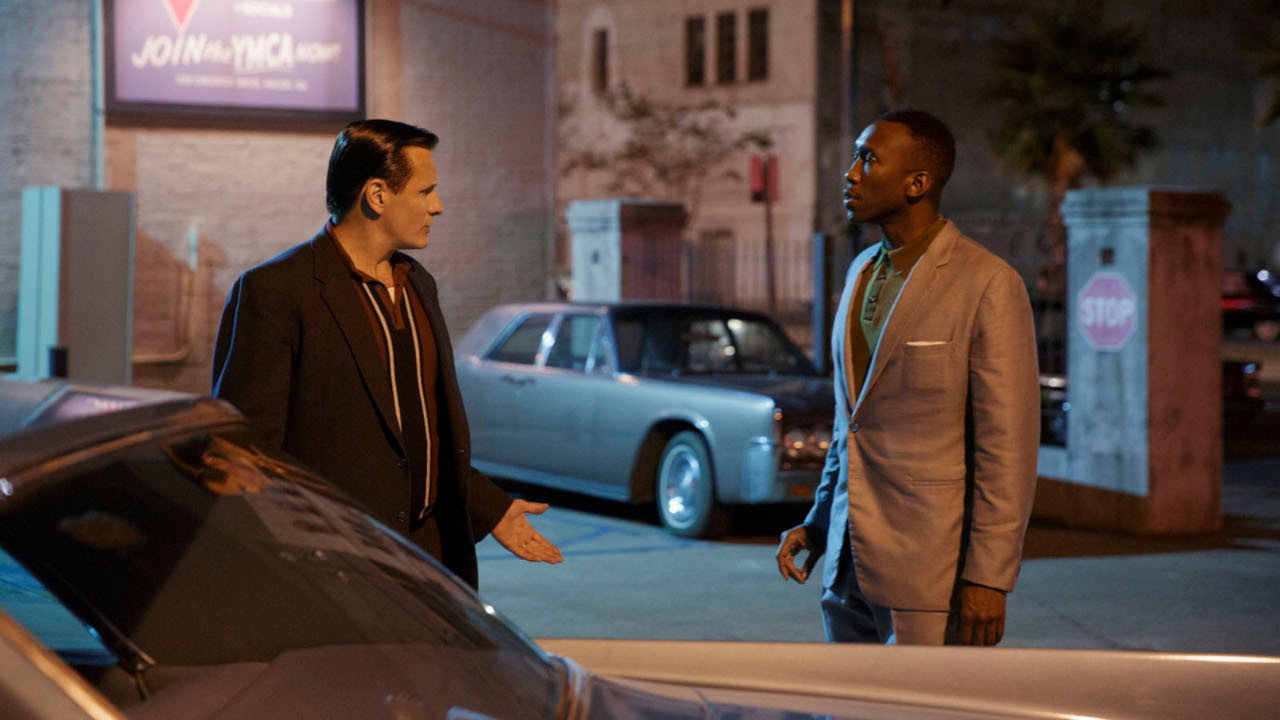
The writing is less generous to Shirley. Nick Vallelonga, Brian Hayes Currie and Farrelly organise so much around Tony’s changing outlook that Shirley’s concerns can seem important chiefly for what they teach his companion. Ali makes that limiting arrangement bearable, giving Shirley’s dignity a sense of effort: maintaining his composure costs him something. We wanted the film to stay with him for longer, without checking what the driver had learnt.
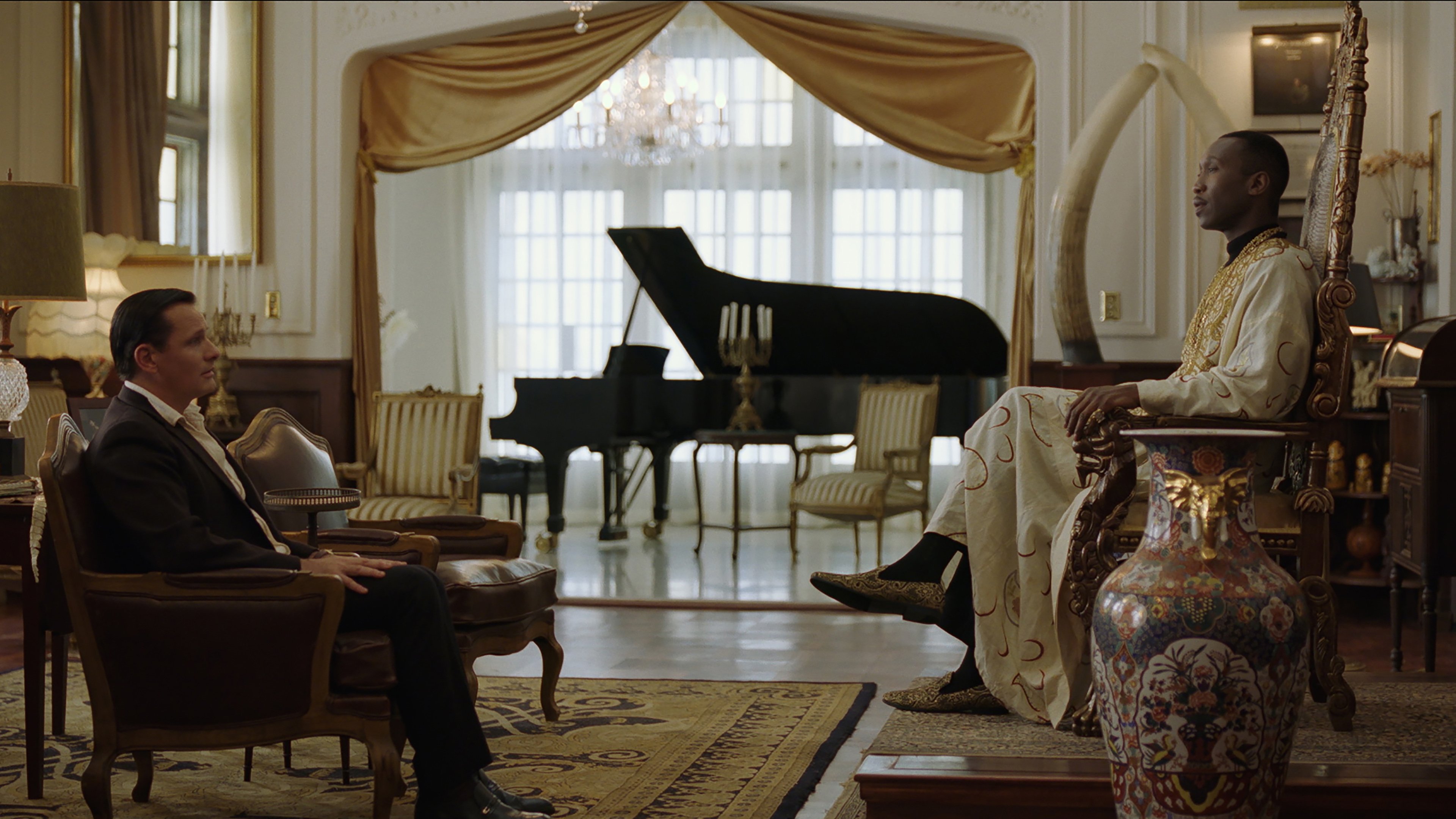
Sean Porter’s cinematography keeps the performances easy to read, which matters in a comedy whose pleasures depend on one man registering what the other has just said. The visual restraint is useful; nothing needs to compete with these two. Tim Galvin’s production design gives the historical setting a reassuring neatness, however, and the surroundings feel too comfortable for a journey shaped by segregation. The period decoration is persuasive, but it contributes to the sense that the film has made this journey easier to watch than it ought to be.
Patrick J. Don Vito’s editing is alert to the actors’ comic timing, and the exchanges seldom feel laboured in themselves. Across 130 minutes, though, the repeated lessons become tiring: we can see the point of an encounter before the film has finished making it. Kris Bowers’s score contributes warmth but can be too keen to tell us that a moment matters. Farrelly could have trusted the actors to make a small improvement in understanding feel sufficient, without so much encouragement from the music.
The odd-couple road comedy has room for broad characters and predictable quarrels; surprise is not a condition of enjoying it. Farrelly understands that repetition can become funny once we know how each man will react. But the writing repeatedly puts differences of class and culture alongside racial prejudice, then lets the warmth between the men soften the distinction. A dispute about manners is easier to settle than discrimination, and the film is too comfortable moving between the two.
The film’s kindness is worth acknowledging, even when its judgement is doubtful. Farrelly wants us to enjoy these men together, and he gets enough from the actors to make that happen. Try it for their company, with a fair tolerance for being told what to think.