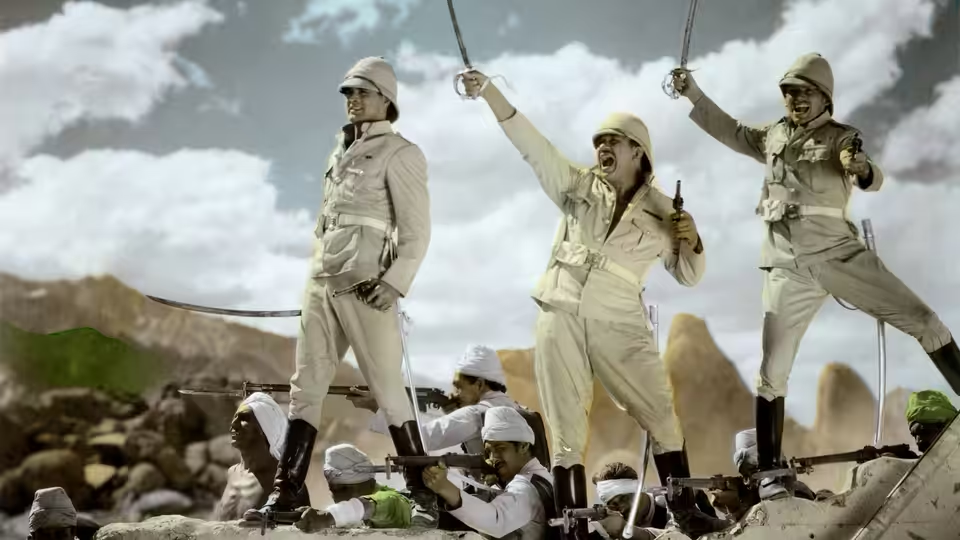
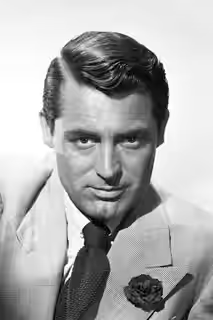
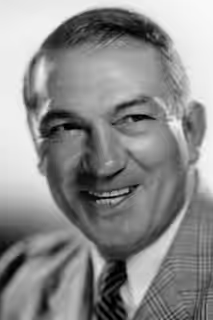
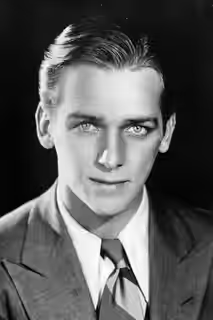
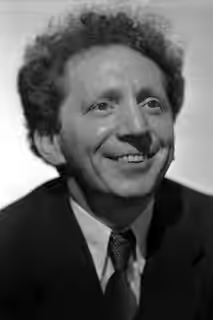
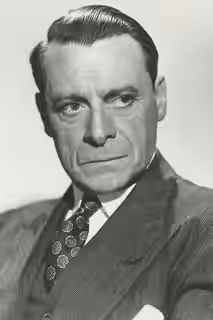
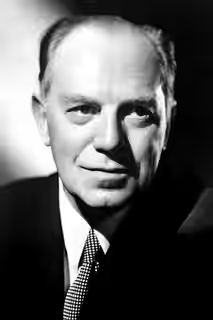
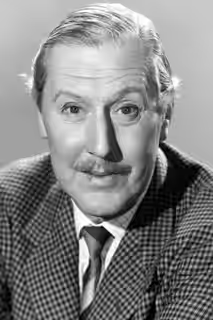
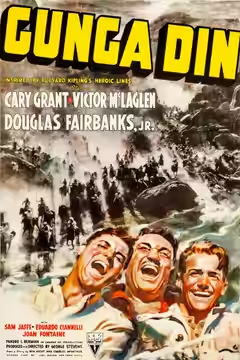
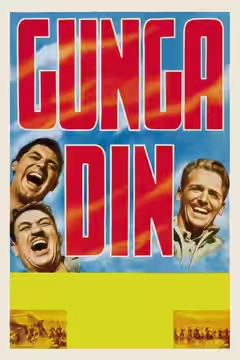
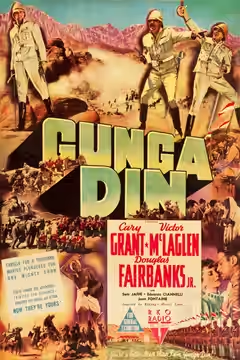
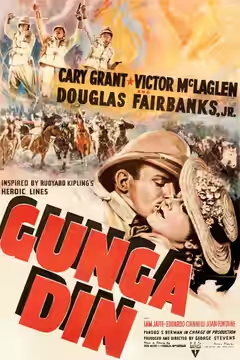
Cary Grant, Victor McLaglen and Douglas Fairbanks Jr. provide good reasons to try Gunga Din. George Stevens’s adventure is enjoyable enough for the interested, but its colonial condescension remains a substantial fault.
Gunga Din is an enjoyable adventure with a serious fault: it patronises the man whose name it puts in the title. George Stevens gets enough out of his leading actors to make the film worth considering, particularly for anyone with an appetite for broad comedy alongside the action. We can see why those performances might settle the matter for some viewers. They do not quite settle it for us, because the condescension keeps intruding on the pleasure.
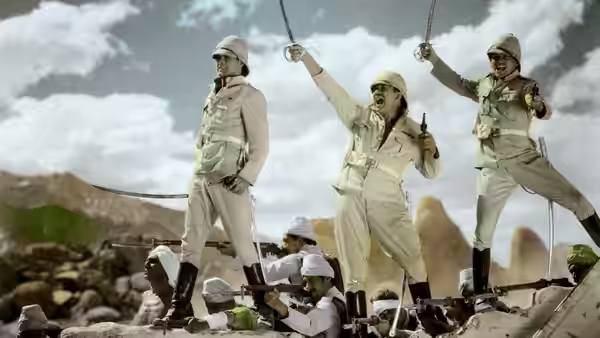
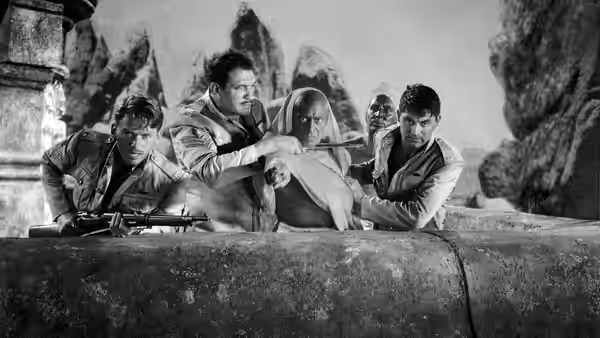
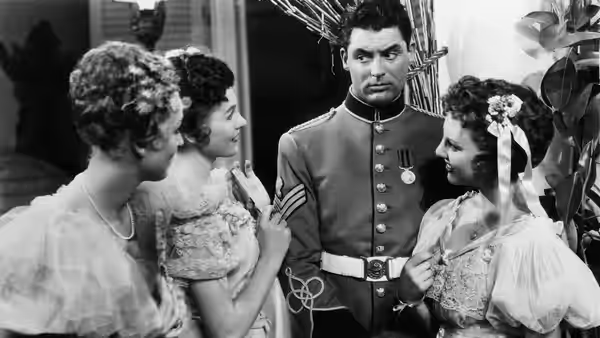
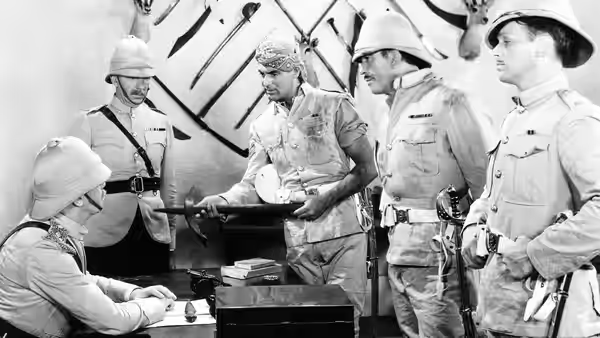
Cary Grant plays Archibald Cutter with an exuberance that makes him the chief attraction. We laughed at the sheer relish of his performance, which makes the comedy feel companionable rather than merely noisy. Victor McLaglen, as MacChesney, and Douglas Fairbanks Jr., as Thomas Anthony Ballantine, are lively company for him. The three performances give the adventure much of its appeal, and their enthusiasm makes a persuasive case for allowing the comedy plenty of space.
Joseph H. August’s cinematography serves the physical performances well: the action feels clear enough for the actors to remain interesting within it. There is room to appreciate their energy without feeling that the photography is competing for attention. Editors John Lockert and Henry Berman make the changes between action and comedy reasonably comfortable, although the pace can feel uneven. At 117 minutes, the film needs that variety, and usually gets enough from its performers to keep moving.
Alfred Newman’s music contributes to the adventure’s confidence, though its encouragement can feel excessive when our enthusiasm is less secure. It works best when helping the action along without asking us to admire everything the film admires. The screenplay by Joel Sayre and Fred Guiol benefits from actors who can make broad comedy feel inviting. Its treatment of Gunga Din is harder to accept, because the indulgence becomes an obstacle to taking the character seriously.
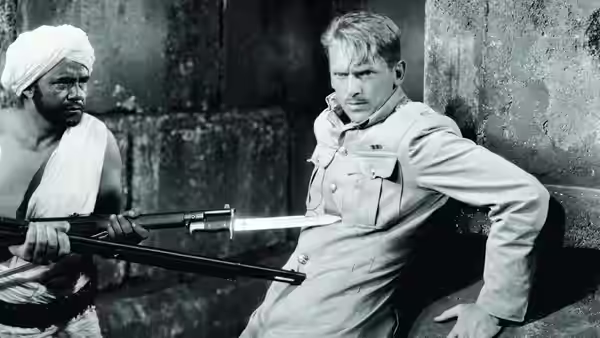
Sam Jaffe has the title role, and the film’s patronising approach leaves us wishing it would allow him more dignity. The trouble is not cured by affection: admiration can still be belittling when it comes with so much assumed superiority. We wanted the film to grant him the respect it takes for granted elsewhere. That reservation affects the drama, since the attitude towards a character influences how freely we can respond to the performance.
An adventure comedy can accommodate absurdity and broad characterisation without making some of its people seem inherently less deserving of respect. Here, the colonial attitudes are too closely attached to the entertainment to be dismissed as an occasional lapse. By the genre’s own standards, that is a weakness: the enjoyment becomes harder when accepting the joke also means accepting the film’s condescension. The actors remain engaging, but they cannot do all the work of making this agreeable company.
There is still enough pleasure in the performances to justify a qualified recommendation for anyone interested in older adventure films. Cary Grant, Victor McLaglen and Douglas Fairbanks Jr. give it a liveliness that survives substantial objections. We would not recommend approaching it with the expectation that its treatment of the title character can simply be overlooked. Choose it for the actors, with no obligation to accept its assumptions.