Film review

Hard Boiled

1992 · Directed by John Woo · 2h 06m · MPA NR

In a sentenceChow Yun-Fat makes reckless endangerment look like a qualification for promotion

ActionThrillerCrime

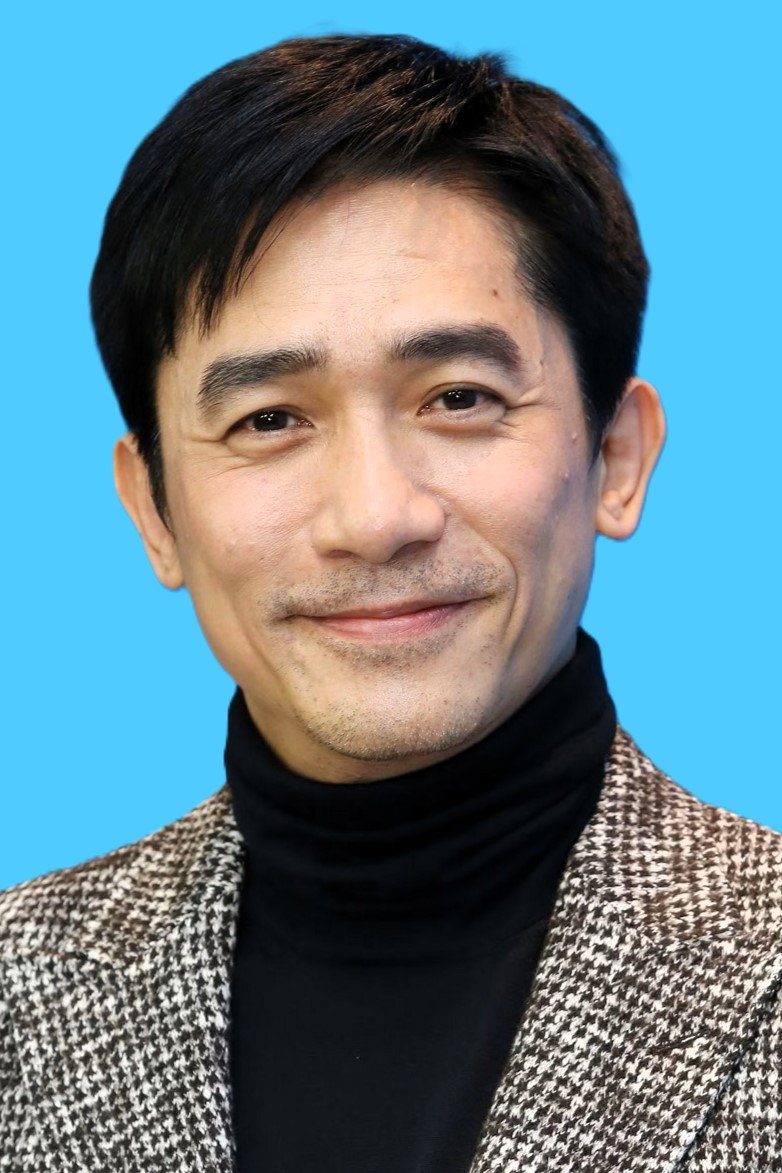
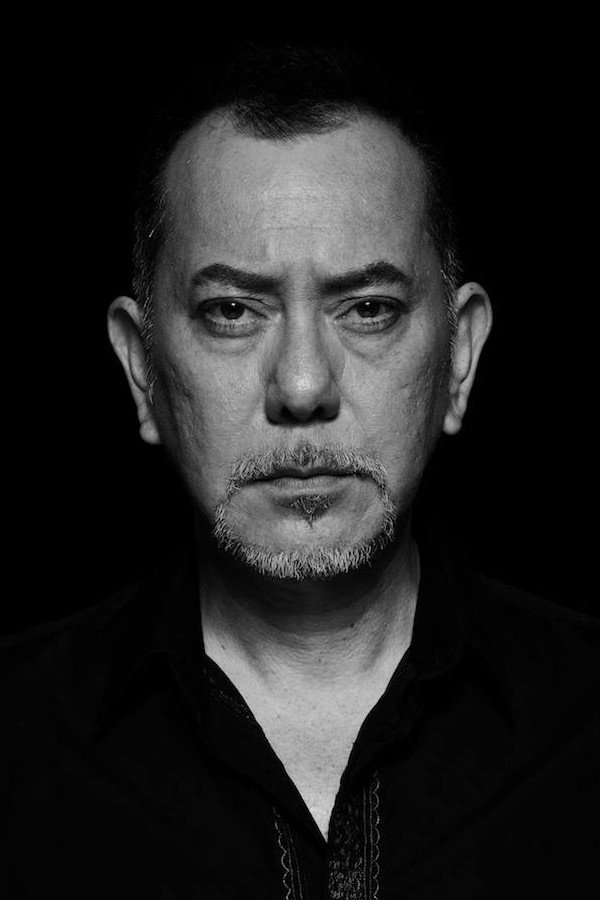
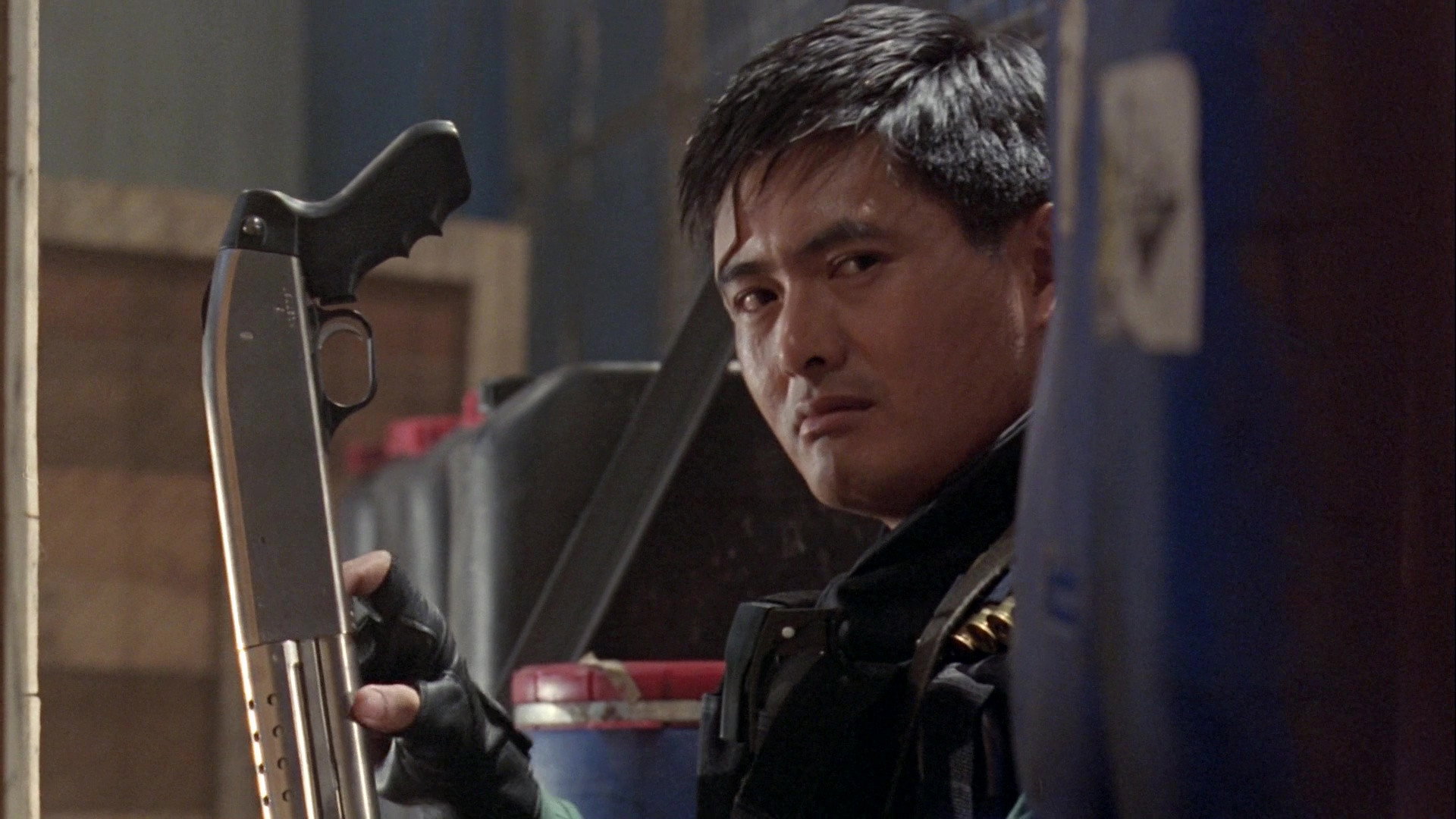
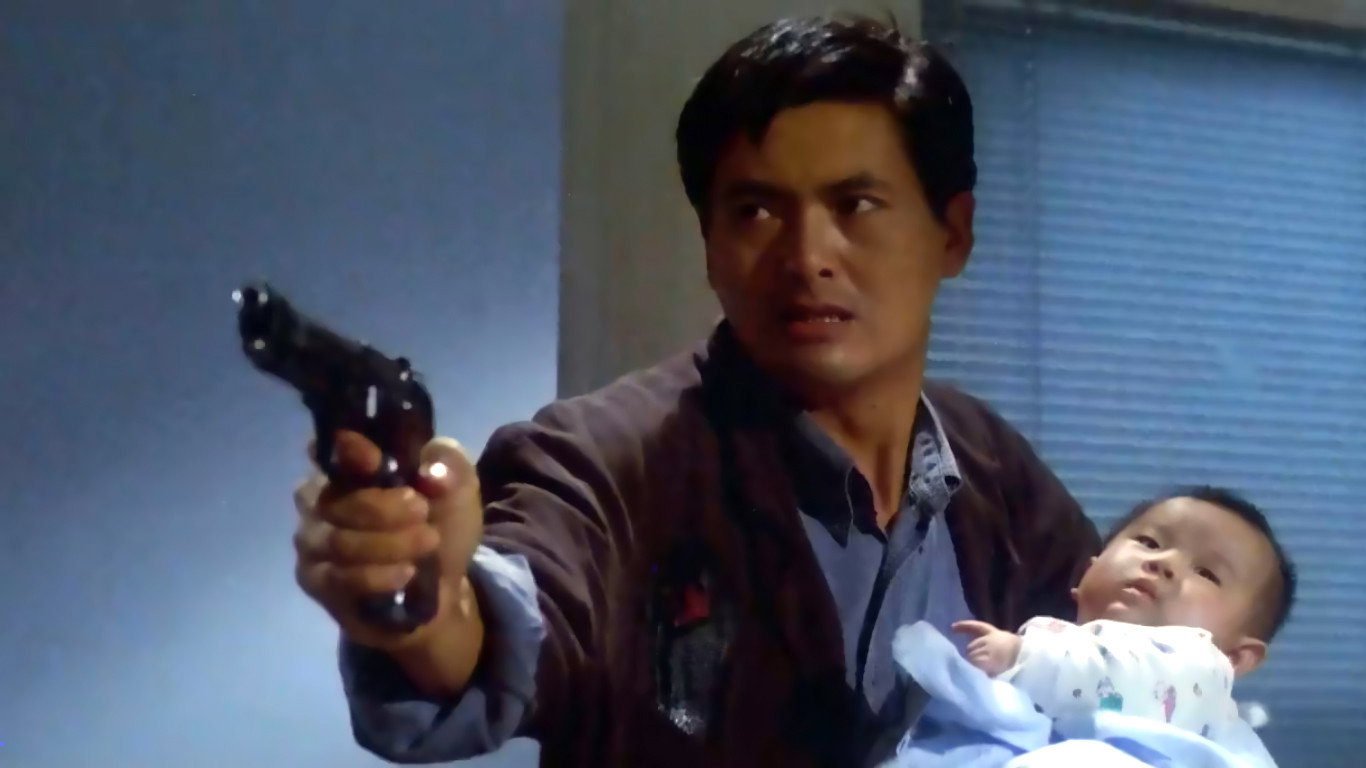
Inspector ‘Tequila’ Yuen (Chow Yun-Fat) is a renegade policeman taking on Triad gun-runners. Tony Leung Chiu-wai plays Alan in a case that also involves an undercover officer, while Anthony Wong Chau-Sang plays Johnny Wong. Armed confrontations sit alongside questions about loyalty, male friendship and the demands of police work. Teresa Mo Shun-Kwan appears as Teresa Chang, with Philip Chan Yan-Kin as Superintendent Pang. Directed by John Woo, the crime thriller mixes gunfights with humour and conversations about what being a policeman asks of the men carrying the weapons.

Plays from YouTube when you press play; nothing loads from them until then.

Fi1m review

John Woo’s Hard Boiled makes extravagant gunfights worth caring about, with Chow Yun-Fat and Tony Leung Chiu-wai giving the destruction a human centre. The police story is thin, but the action more than compensates.

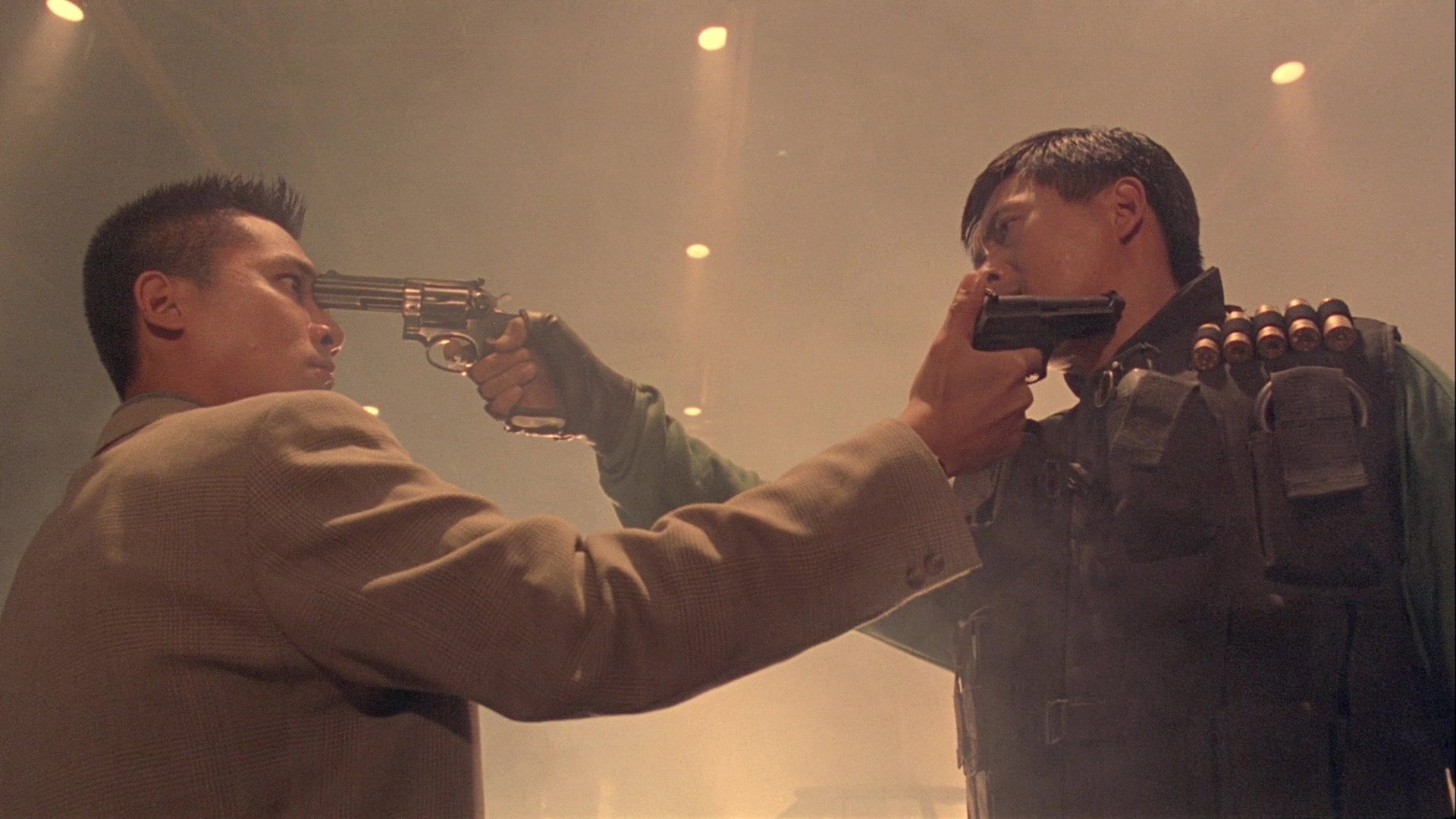
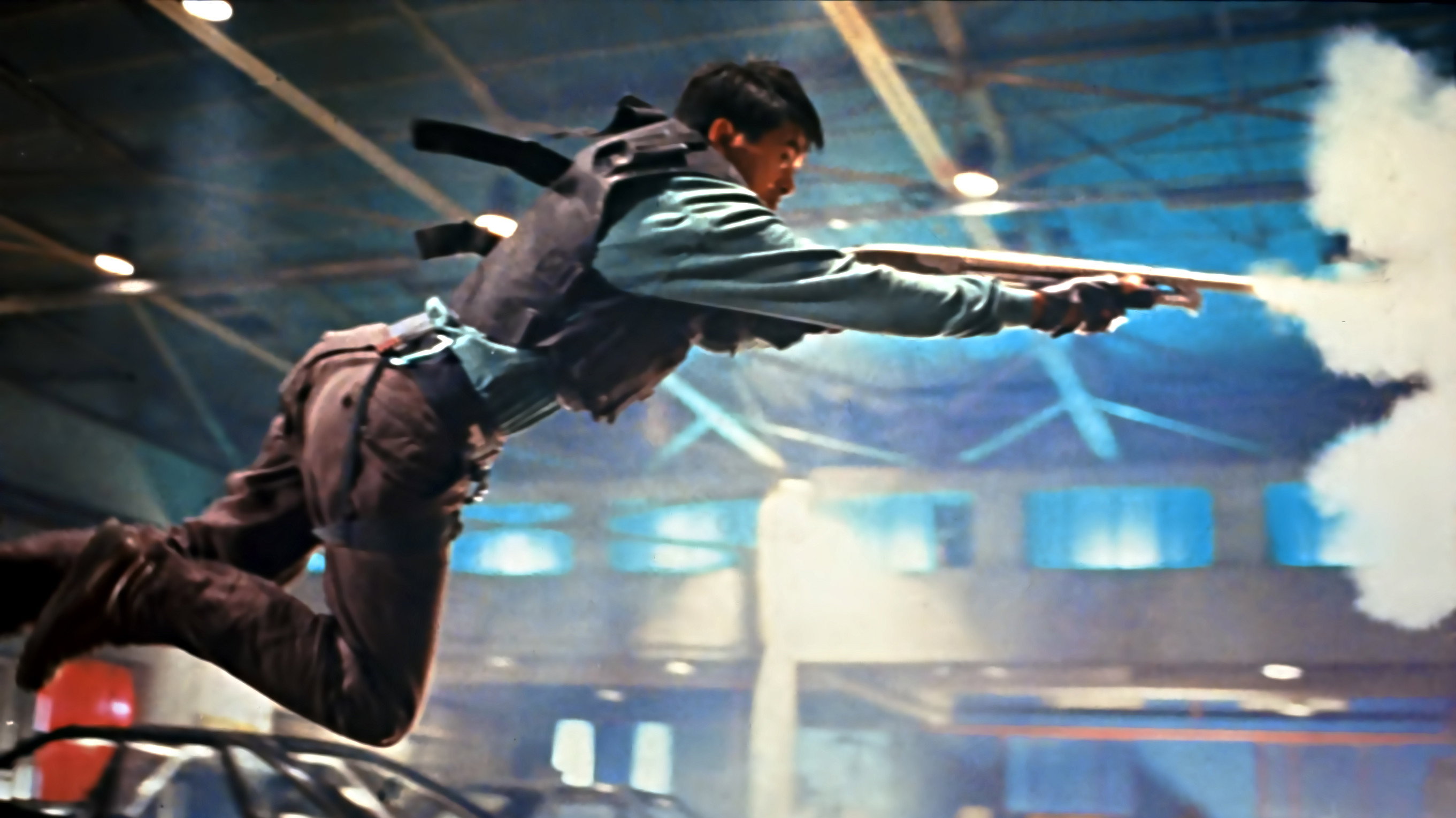
John Woo’s Hard Boiled is an exhilarating action film with a police story that occasionally needs forgiving. A renegade cop and an undercover officer take on Triad gun-runners, and the director gives their capacity to trust one another more attention than the mechanics of the case. It is enough to make the shooting matter, even when the shooting goes on beyond any reasonable measure. Woo is plainly enjoying the possibilities of an armed confrontation, and much of the pleasure comes from following his choices.

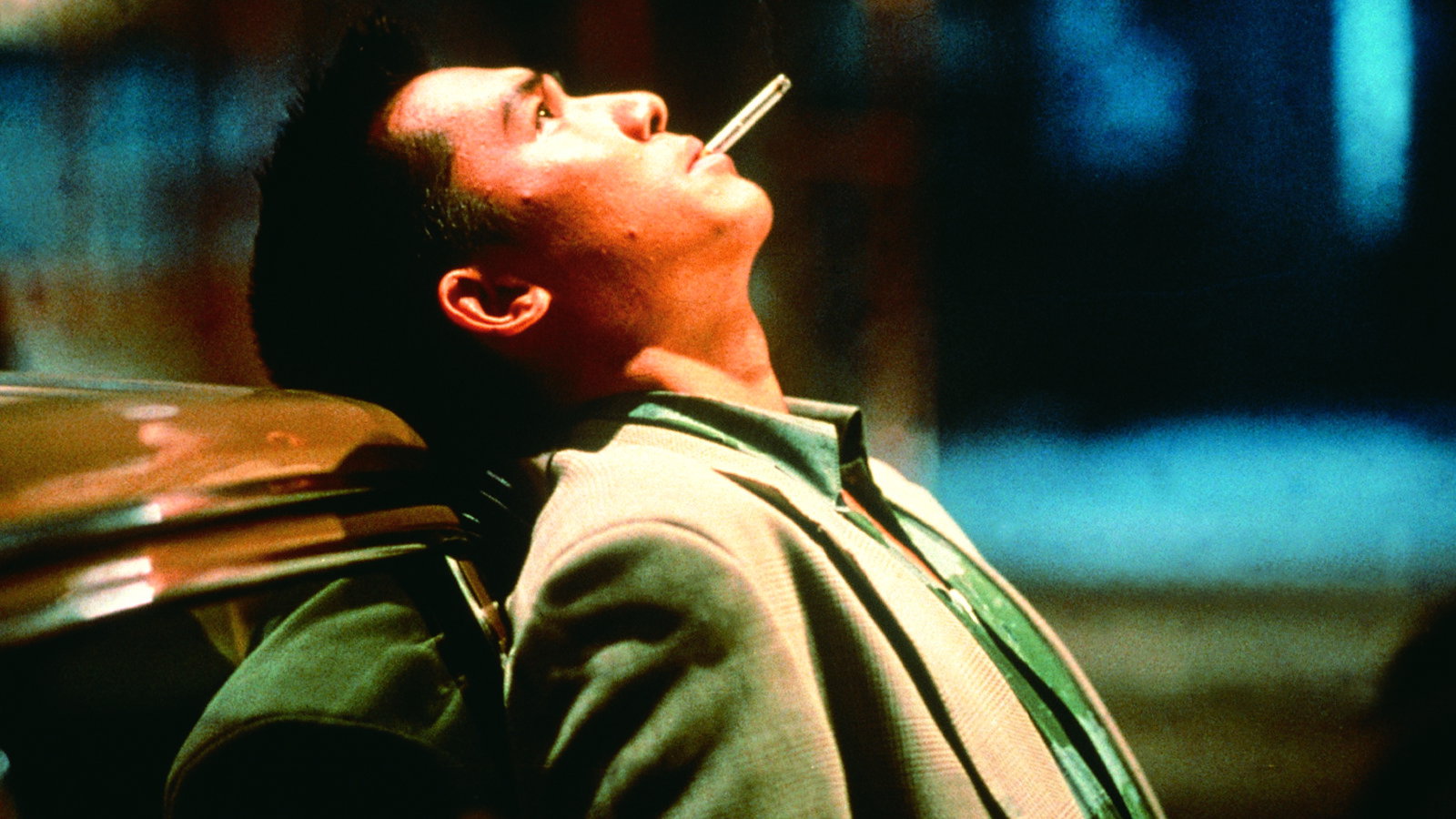
Chow Yun-Fat gives Inspector ‘Tequila’ Yuen the confidence this sort of extravagance needs: he can make recklessness look like the obvious course of action. Tony Leung Chiu-wai, as Alan, gives us more cause to worry about the man doing the shooting. Their different temperaments give the male bonding some substance, so the film need not stop for a speech every time it wants us to care. Both performances stay readable amid the commotion.

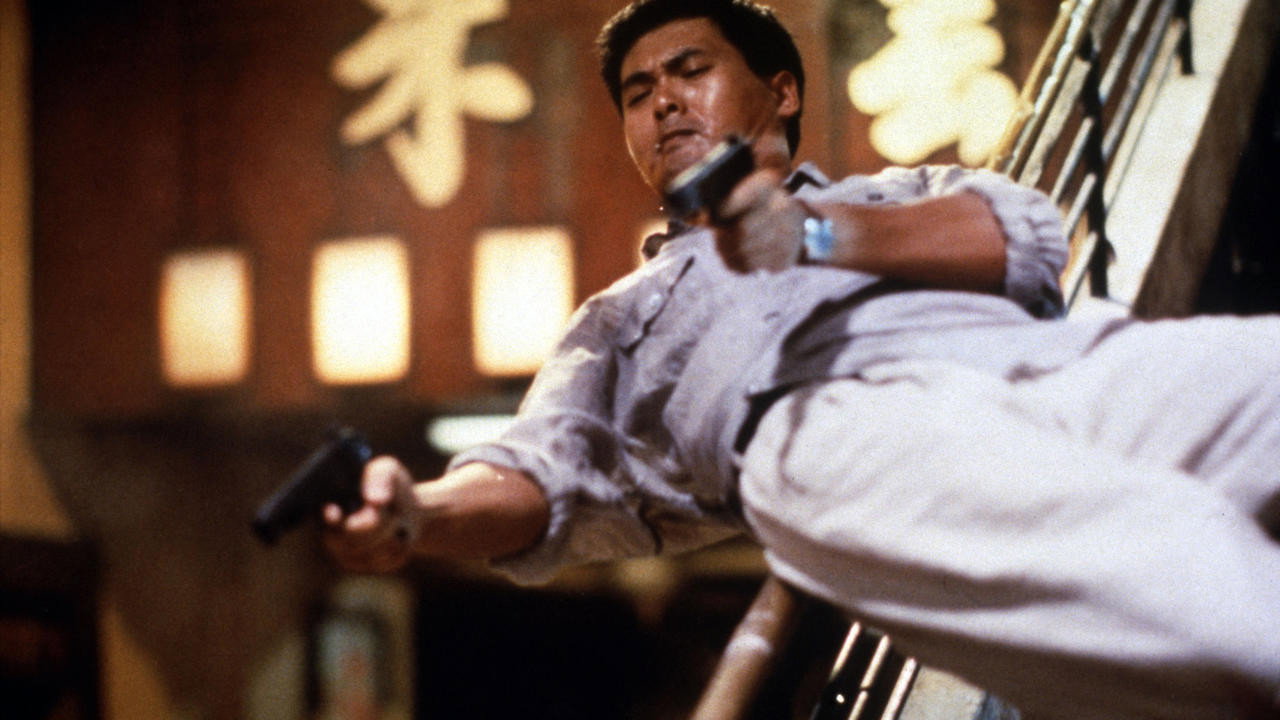
Horace Wong Wing-Hang’s cinematography gives the violence enough room to be seen; slow motion lets us take in the movement rather than merely register another hit. The editing, credited to Ah Chik, Hai Kit-Wai, Woo and David Wu, can be frantic without making all that choreography seem disposable. We flinched at the physical stunt work in the teahouse. Bodies in motion keep the danger tangible, even when the staging is too extravagant to mistake for ordinary police work. There is pleasure in watching the timing as well as the impact.

James Leung Wah-Sing’s production design matters because the action needs places that can be used and damaged, and the teahouse gives that destruction a familiar setting. The pleasure is partly in seeing how thoroughly Woo can disrupt somewhere meant for sitting down. The music, credited to Michael Gibbs and James Wong Jim, is less distinctive, and its contribution can feel secondary when the staging is this busy. It supports the excitement without supplying much we would remember separately.

The screenplay by Gordon Chan and Barry Wong Ping-Yiu is less assured when it has to make the investigation interesting between confrontations. Conversations about a policeman’s responsibilities have their place, but they sometimes seem to explain feelings the actors have already made clear. The occasional humour helps, especially when it lets the film acknowledge the absurdity of its own excess. At 126 minutes, though, there is room to tire of the repeated insistence that every exchange of gunfire must outdo the last.

Against the standards of the action thriller, Woo puts an unusual amount of character into exaggerated movement. The gunfights have the pleasure of rehearsed performance, with stars whose different temperaments remain clear through the noise. Their attachment to each other supplies a reason to worry about where all this enthusiasm might lead. Woo leaves room for humour even while insisting that we care about the men doing the shooting.

Give it your attention rather than treating the gunfire as background noise. There is too much going on in the movement to watch while doing something else. If a quiet police investigation was the plan, the teahouse provides fair warning.
Critical consensus AI synthesised

1 of 6
Positive
1
Mixed
0
Negative
0
Empire
1 January 2000 · Mark Salisbury
90*

The critic hails it as an explosively visceral, operatic tour de force of choreographed violence and ballistic pyrotechnics that elevates the action movie to art. They single out the inventive, stylised direction and early performances from Chow Yun-fat and Tony Leung.

Read the full review →
Los Angeles Times
30 April 1993 · Kenneth Turan

The critic hails Woo as a master of large-scale mayhem and praises the film's dazzling, energetic action sequences as close to pure cinema. He singles out the balletic violence, whimsical tone, and inventive set pieces like the hospital finale for their visual style and playful inventiveness.

Read the full review →
Slant Magazine
27 December 2003 · Ed Gonzalez

The critic praises Woo for turning deceptive surfaces and moral hierarchies into an art form in this final Hong Kong film, singling out the hospital sequence for its moral quality to the bloodshed and the symbiosis between movement and morality. It positions the film as one of Woo's finer moments before his Hollywood decline.

Read the full review →
The AV Club
1 April 2010 · Scott Tobias

The critic notes that Hard Boiled's legendary excesses have become commonplace in action cinema but finds the film still durable and thrilling due to Woo's style, the stars' performances, and its over-the-top imagination. The review highlights the teahouse and hospital set pieces as standout examples of physical stunt work and thematic weight.

Read the full review →
The Guardian
6 March 2026

The critic calls John Woo’s 1992 Hong Kong cop thriller pure outrageous mayhem and a pioneering example of pointless action explosions and Mexican standoffs. They single out the wildly inventive hospital shootout as one of cinema’s most irresistible set pieces.

Read the full review →
The New York Times
18 June 1993 · Vincent Canby

The critic finds the film's extreme violence and slow-motion action sequences excessive and lacking coherent story or meaning. He notes it as a Hong Kong melodrama presented in director's cut but struggles with its repetitive, Peckinpah-inspired ballets of death.

Read the full review →

Cast

Stills

If you liked this, try…

The Taking of Pelham One Two Three poster

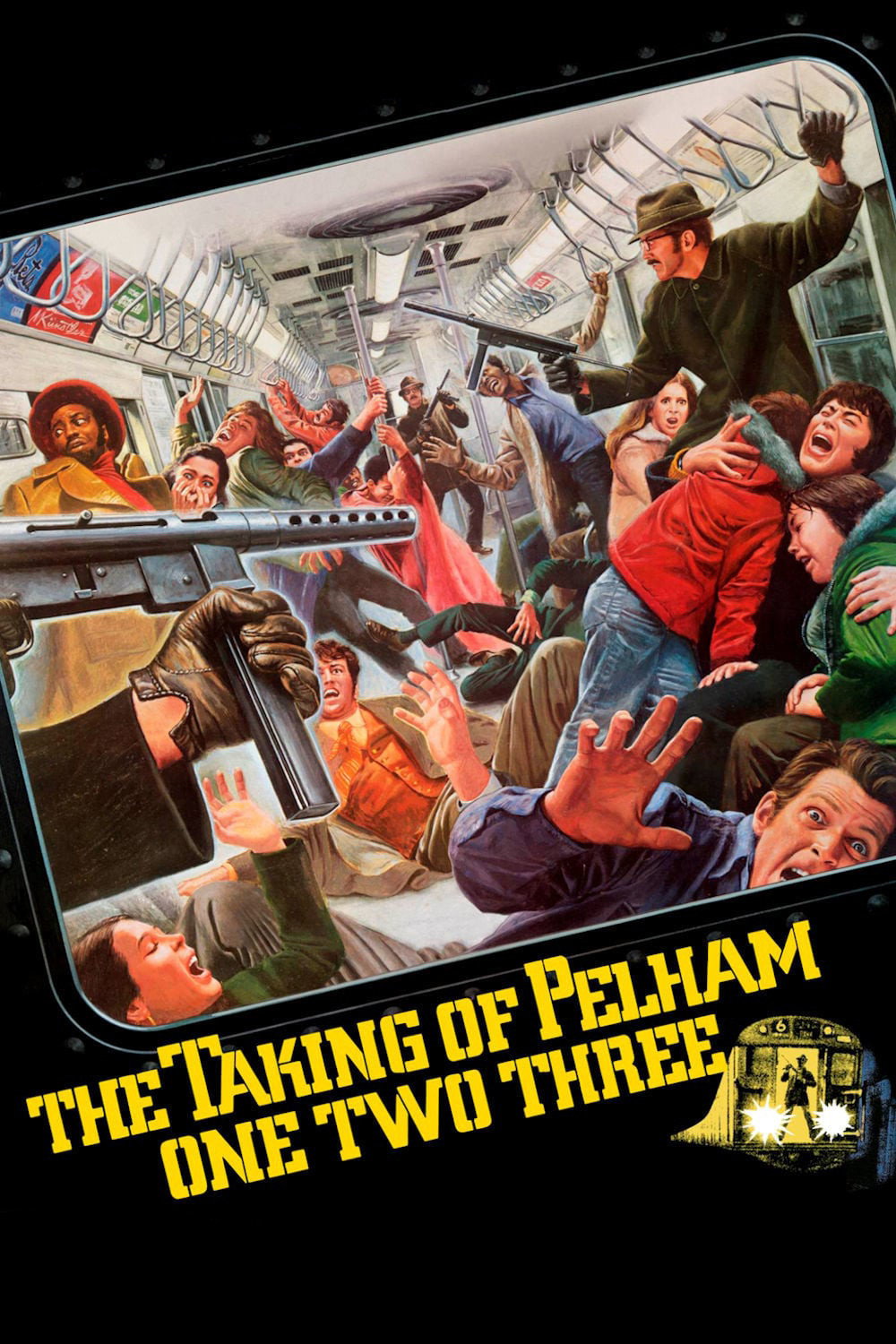
The Taking of Pelham One Two Three

1974 · A taut urban thriller with patient staging and magnificently impatient men.

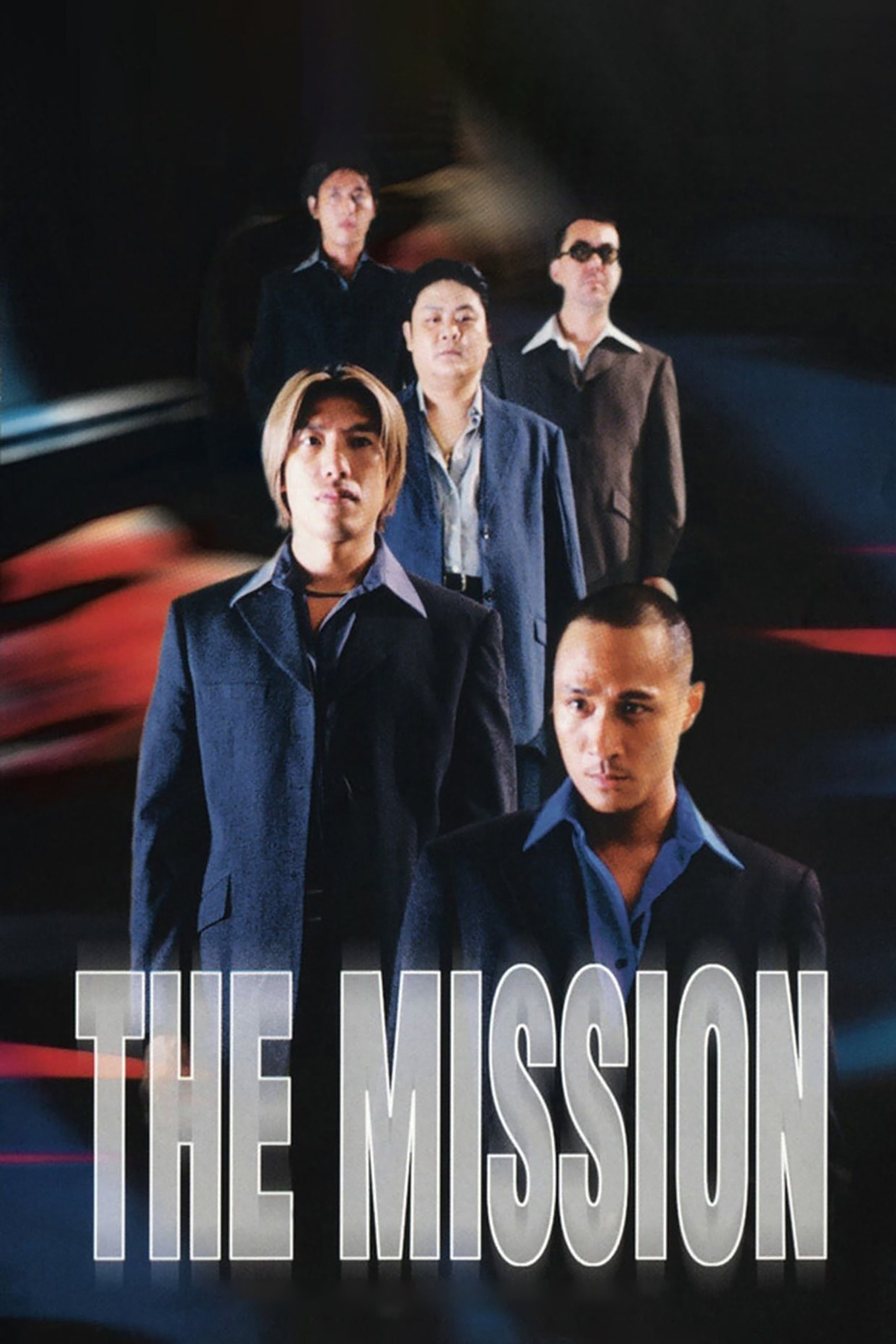
The Mission poster

The Mission

1999 · Armed men build trust through small movements and long, watchful pauses.

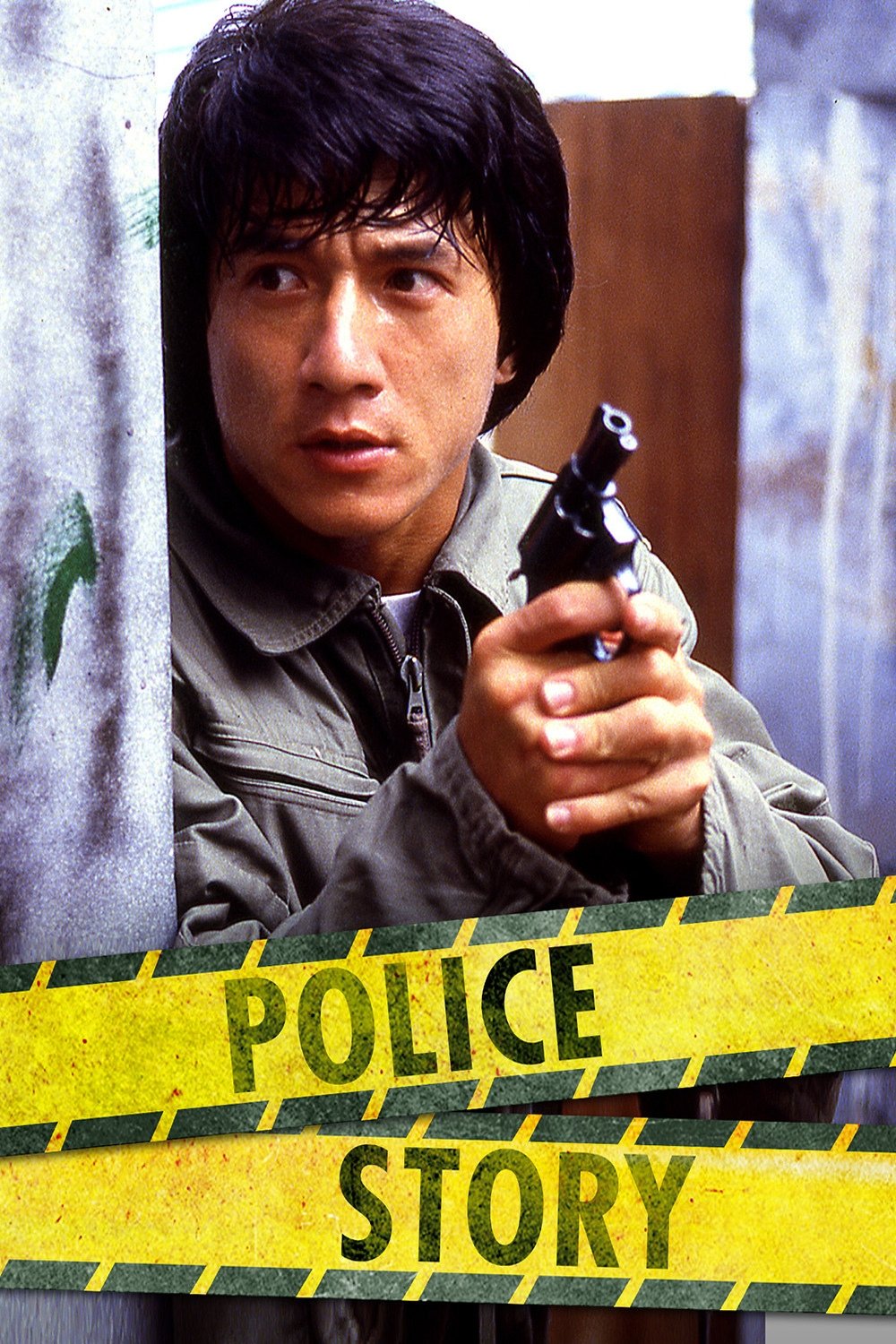
Police Story poster

Police Story

1985 · For physical action that makes every impact feel awkwardly, painfully real.

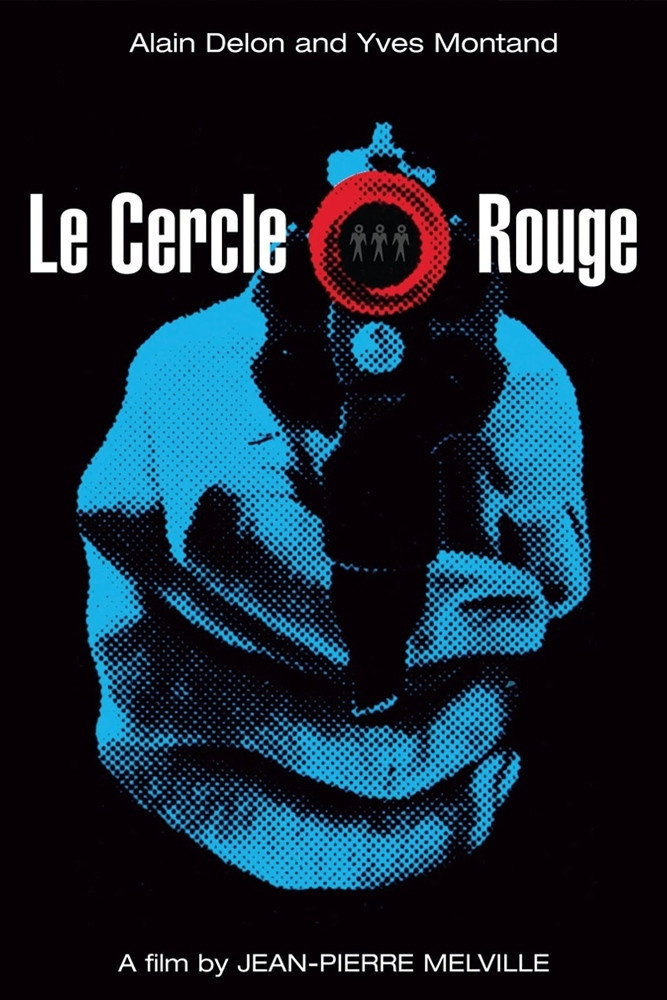
Le Cercle Rouge poster

Le Cercle Rouge

1970 · Professional criminals, guarded loyalties and suspense built from watching people work.

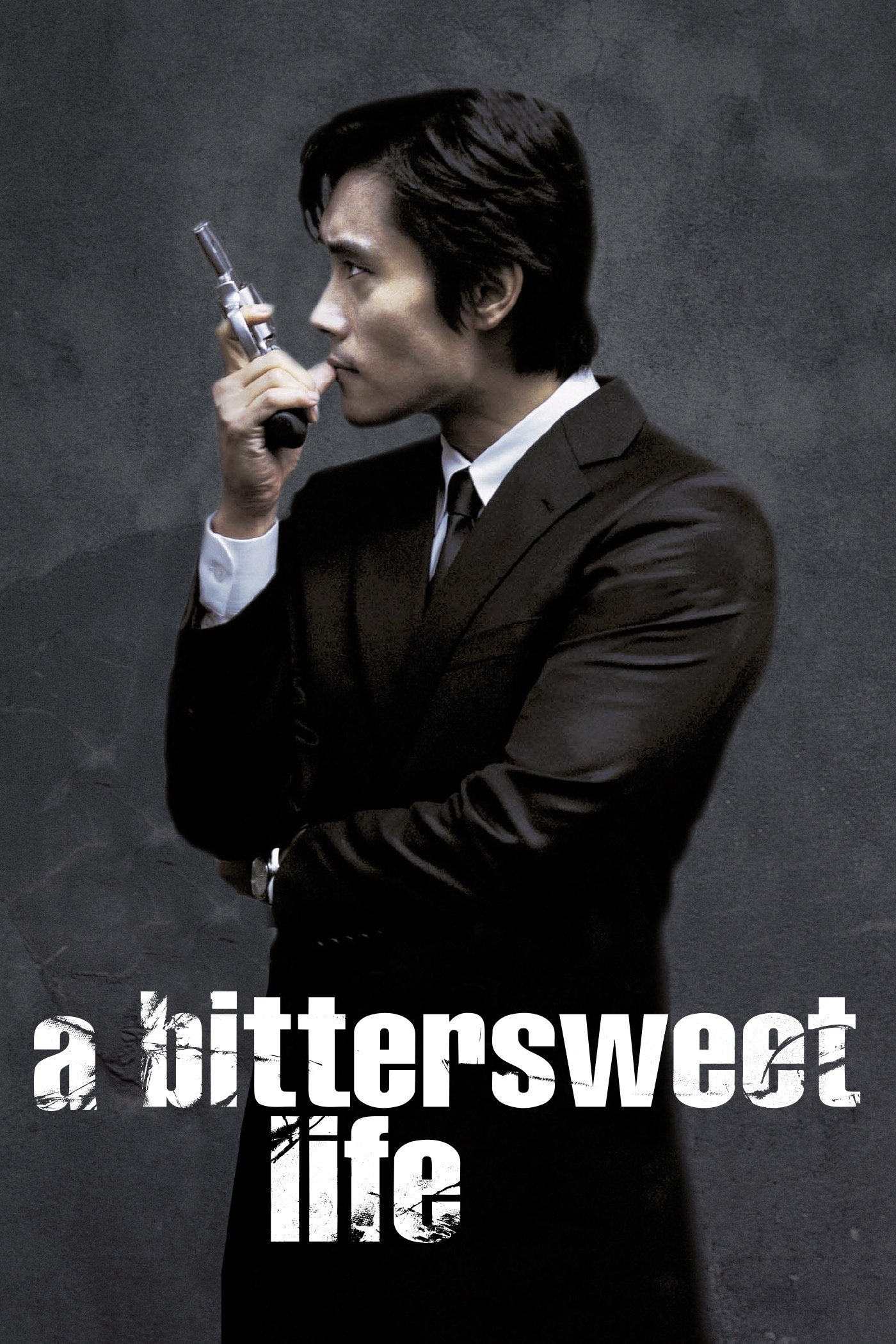
A Bittersweet Life poster

A Bittersweet Life

2005 · Another bruising crime film where wounded feelings make the violence matter.