Film review

Husbands and Wives

1992 · Directed by Woody Allen · 1h 48m · MPA R

In a sentenceJudy Davis makes marital misery funny enough to make laughing feel rather bad-mannered

ComedyDramaRomance

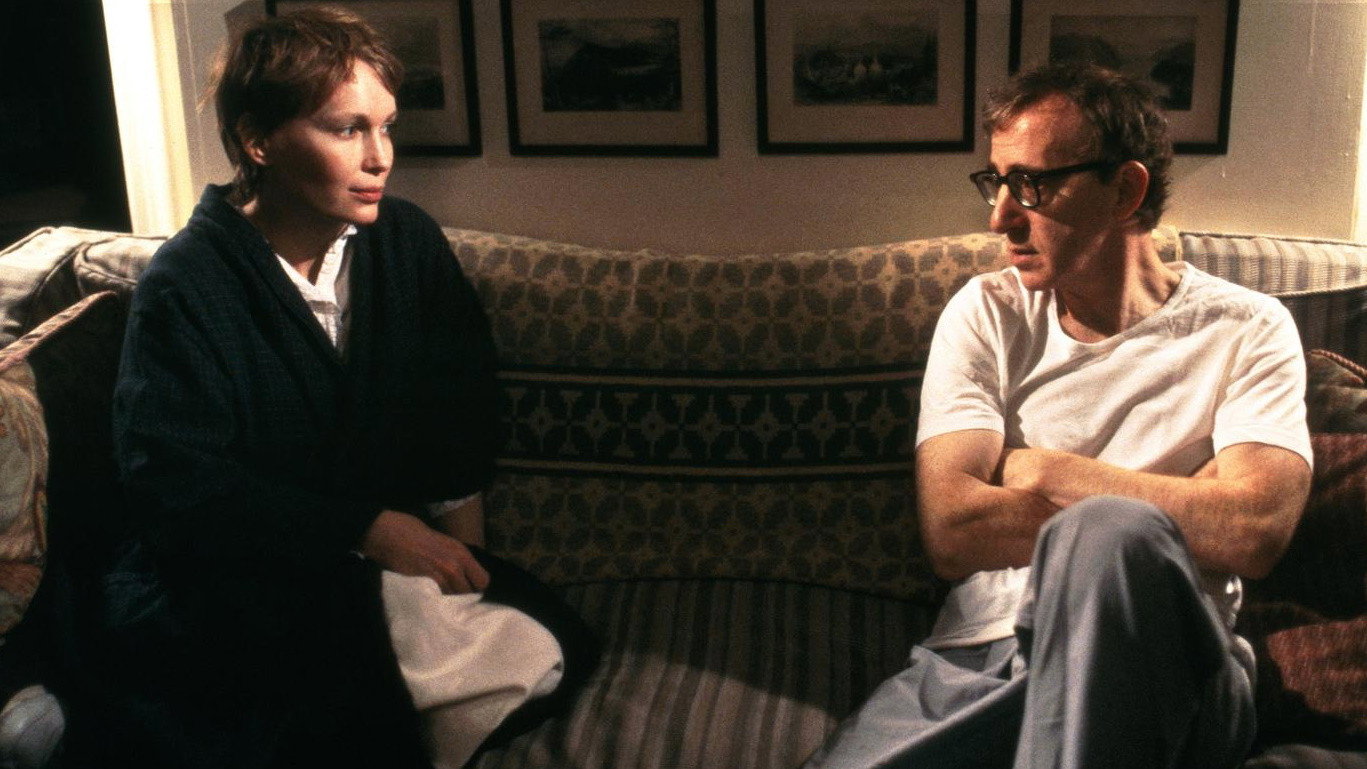
In New York, the breakdown of a marriage unsettles other relationships and prompts questions about what keeps people together. Gabe Roth (Woody Allen) and Judy Roth (Mia Farrow) are among those caught in the confusion, alongside Sally (Judy Davis), Jack (Sydney Pollack), Rain (Juliette Lewis) and Michael Gates (Liam Neeson). Couples examine their disappointments, their fears of being single and their hopes of finding satisfaction elsewhere. Their conversations turn on love, sex and the gap between what they say they believe and how they behave towards the people closest to them.

Fi1m review

Judy Davis and Sydney Pollack make Woody Allen’s marriage comedy painfully funny. The restless documentary style sometimes gets between us and the performances, but the people are worth the trouble.

Woody Allen’s Husbands and Wives is a sharp, uncomfortable comedy, worth seeing for its actors despite a distracting documentary manner. Allen, who writes and directs, considers what happens when a failing marriage makes other people examine their own arrangements. Nobody seems reassured by the examination. The interest lies in watching articulate people discover that being able to explain their unhappiness does not make them any better at living with it.

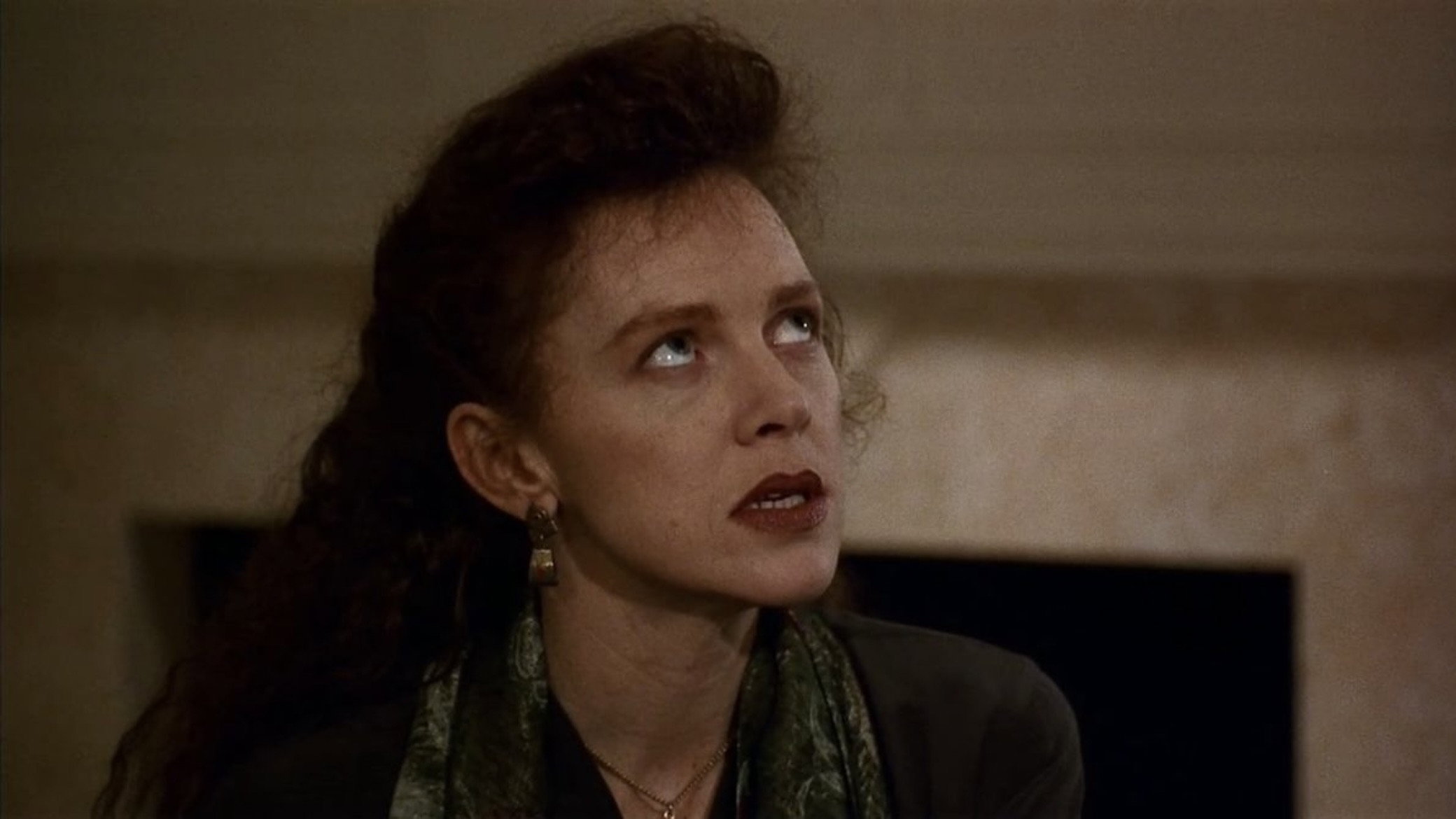
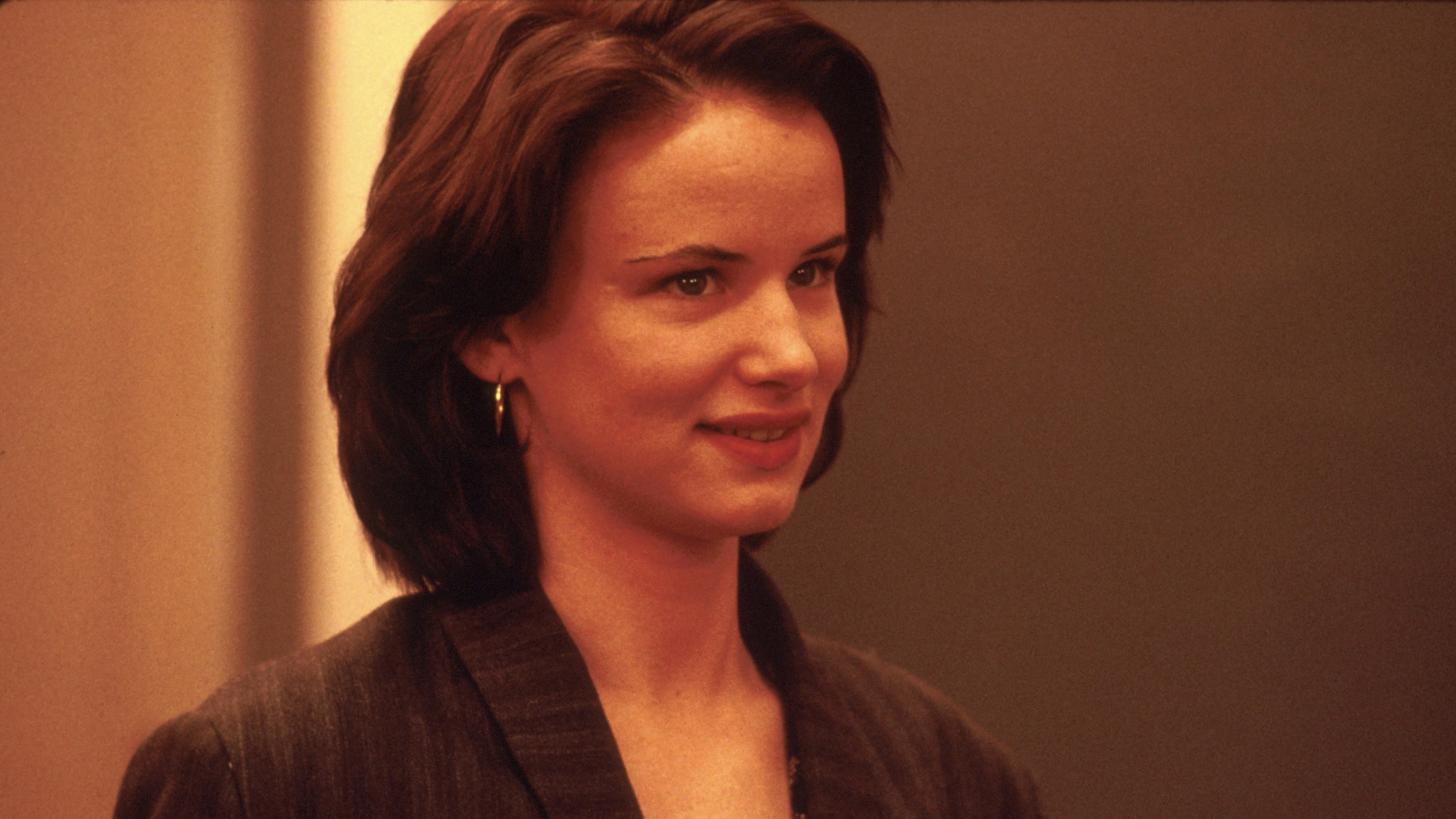
Judy Davis gives Sally’s unhappiness a force that makes the comedy uncomfortable. Her delivery is sharp enough to get a laugh before the distress beneath it has registered, and she never makes that distress seem put on for our benefit. We laughed, then felt slightly ashamed of ourselves. It was Davis who did it: she makes us enjoy the complaint, then leaves us listening to someone who is plainly hurting. Her performance is the strongest reason to stay with these people.

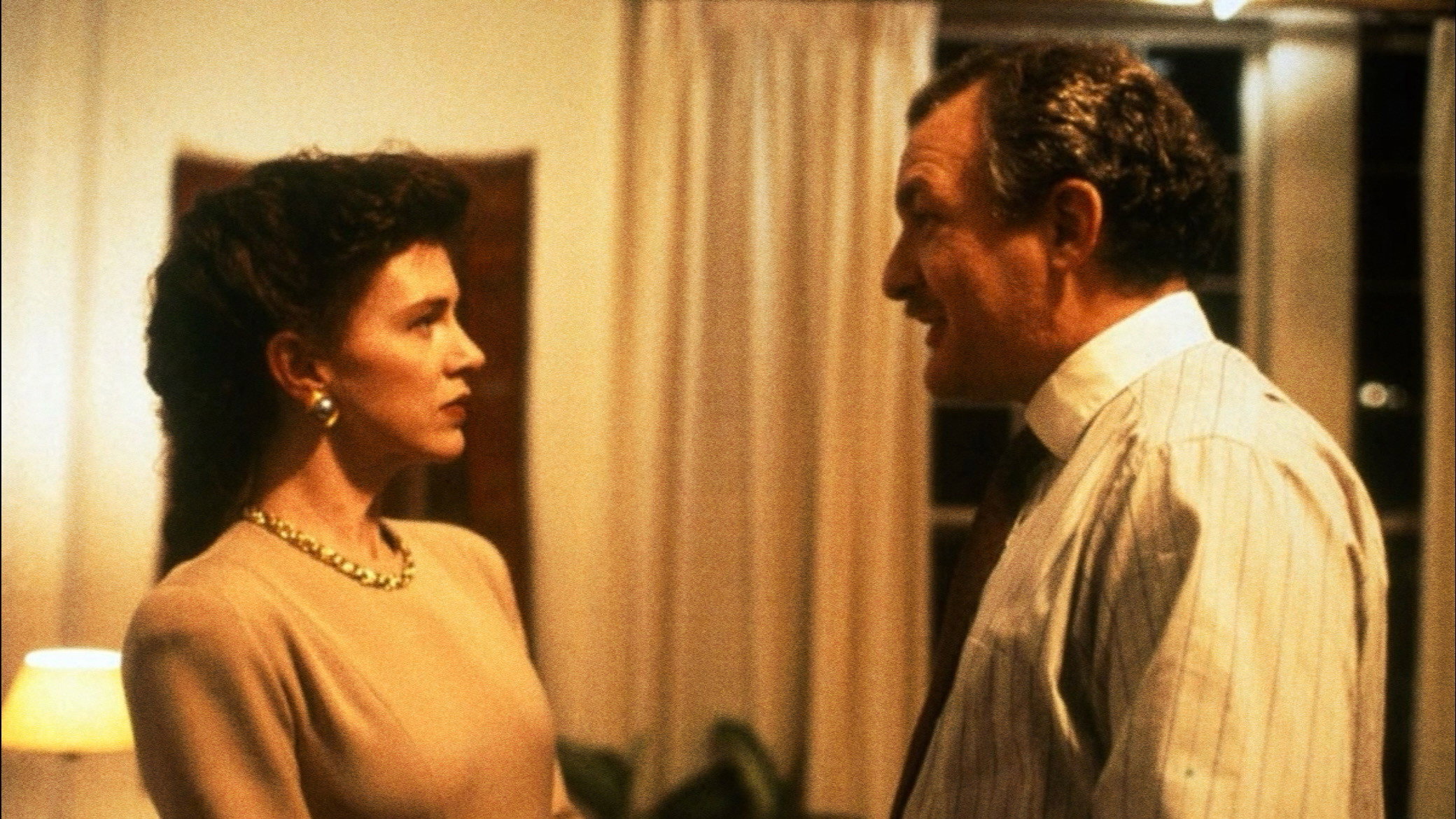
Sydney Pollack is just as valuable as Jack. His performance makes spending time with someone unhappy feel tiring in a recognisable way, yet he holds our attention without making Jack more agreeable. Allen’s Gabe Roth and Mia Farrow’s Judy Roth give the ensemble further differences of temperament to work with. It matters that these people do not all sound like the same author making the same complaint, even when the film keeps returning to familiar disappointments.

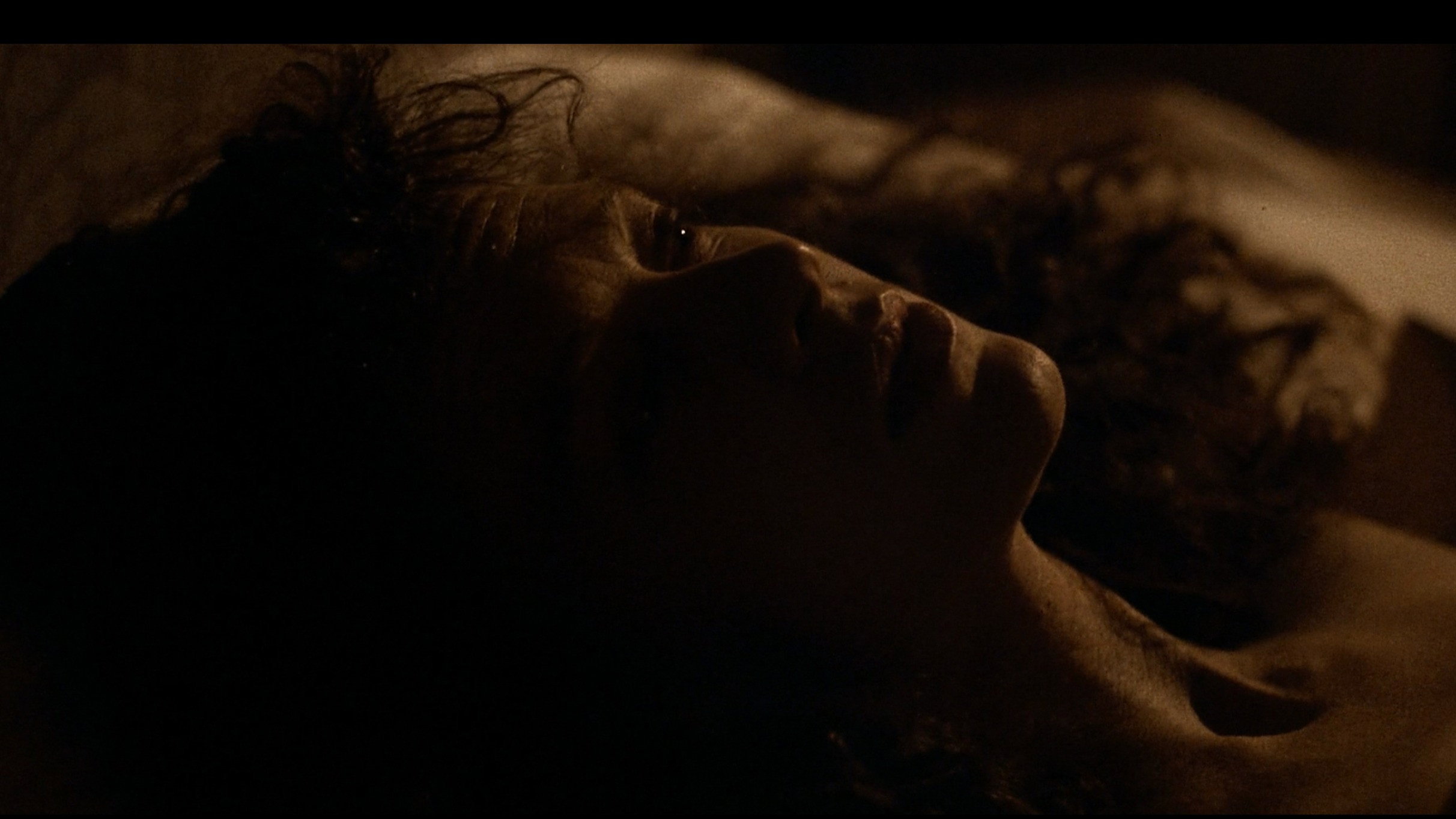
Carlo Di Palma’s handheld cinematography is harder to warm to. The restless frame suits people who cannot settle their feelings, but it also keeps drawing attention to the effort being made to look spontaneous. At times we wanted the camera to stay still and let Davis or Pollack do the work. The documentary effect becomes wearing because the actors have already made us uncomfortable, and we would rather concentrate on them.

Susan E. Morse’s editing keeps these troubled relationships easy to follow. We can understand the strains between these people without needing to agree with their explanations, which is no small help in a film so occupied by self-analysis. Santo Loquasto’s production design is appropriately unobtrusive: the surroundings do not compete with the actors for attention. The film could use more of that restraint in its photography.

Allen’s writing has a related limitation: the doubts about marriage sometimes become predictable. The characters are allowed to be confused, selfish and perceptive, but their talk can leave us waiting for another reason why living together is difficult. At those points, the disappointment becomes apparent before the conversation has finished. Still, Davis and Pollack give individual complaints enough urgency to prevent the whole thing from becoming a lecture.

Against the expectations of a romantic comedy, Husbands and Wives offers little reassurance, though it understands the fear that makes people keep asking for it. Its 108 minutes are worth giving to performers who can make unhappy talk this absorbing. We recommend it if your taste in relationship comedy allows for people you would hesitate to invite round. If handheld filming irritates you, there will be two sources of aggravation to contend with.

Critical consensus AI synthesised

4 of 6
Positive
2
Mixed
1
Negative
1
Empire
1 January 2000 · Mark Honigsbaum
80*

The review calls the film a triumph as both art and propaganda, with poignant exchanges and fine ensemble performances, especially from Judy Davis and Sydney Pollack. It notes the real-life resonance adds to the humour but questions its honesty as docudrama.

Read the full review →
Time Out
10 September 2012 · GA
80*

The critic finds the film engrossing throughout, with vividly drawn characters caught in emotional and psychological confusion. The handheld documentary style and strong performances, especially from Judy Davis and Sydney Pollack, make it Allen's best work since Hannah and Her Sisters.

Read the full review →
The Independent
22 October 1992 · Adam Mars-Jones
60*

The critic finds the film's pseudo-documentary technique self-advertising and callow, creating an artificial distance in material close to home. He praises the structure and performances, particularly Judy Davis, while noting the film avoids smugness in its philosophical take on marital unease.

Read the full review →
The New Yorker
14 September 1992 · Terrence Rafferty
30*

Allen’s uncomfortably personal film renders the dissolution of a marriage in a raw, rough-edged style meant to feel immediate and revelatory, yet the vision of relationships proves unpersuasive and sour. It amounts to a meticulously constructed but familiar argument about the impossibility of marriage, marked by mean-spiritedness and intellectual stasis.

Read the full review →
Los Angeles Times
18 September 1992 · Kenneth Turan

This assured, penetrating film is a lacerating comedy about love turned sour and a painful yet funny look at how relationships become destructive emotional dead-ends. It ranks as Allen’s best work since “Hannah and Her Sisters” and one of his most accomplished ever, anti-romantic in its doomed characters and free-floating misery.

Read the full review →
Slant Magazine
28 April 2002 · Ed Gonzalez

The critic calls the film one of Allen’s most personal and incisive works, a neurotic but universal masterpiece that catalogs the insecurity and fear rocking marriages when another breaks apart. Allen’s paranoiac gaze and understanding of the emotionally fragile period after a breakup are singled out for praise.

Read the full review →

Cast

Stills

Awards

Academy Awards, 1993

Nominated
Best Supporting Actress
Nominated
Best Writing, Original Screenplay

If you liked this, try…

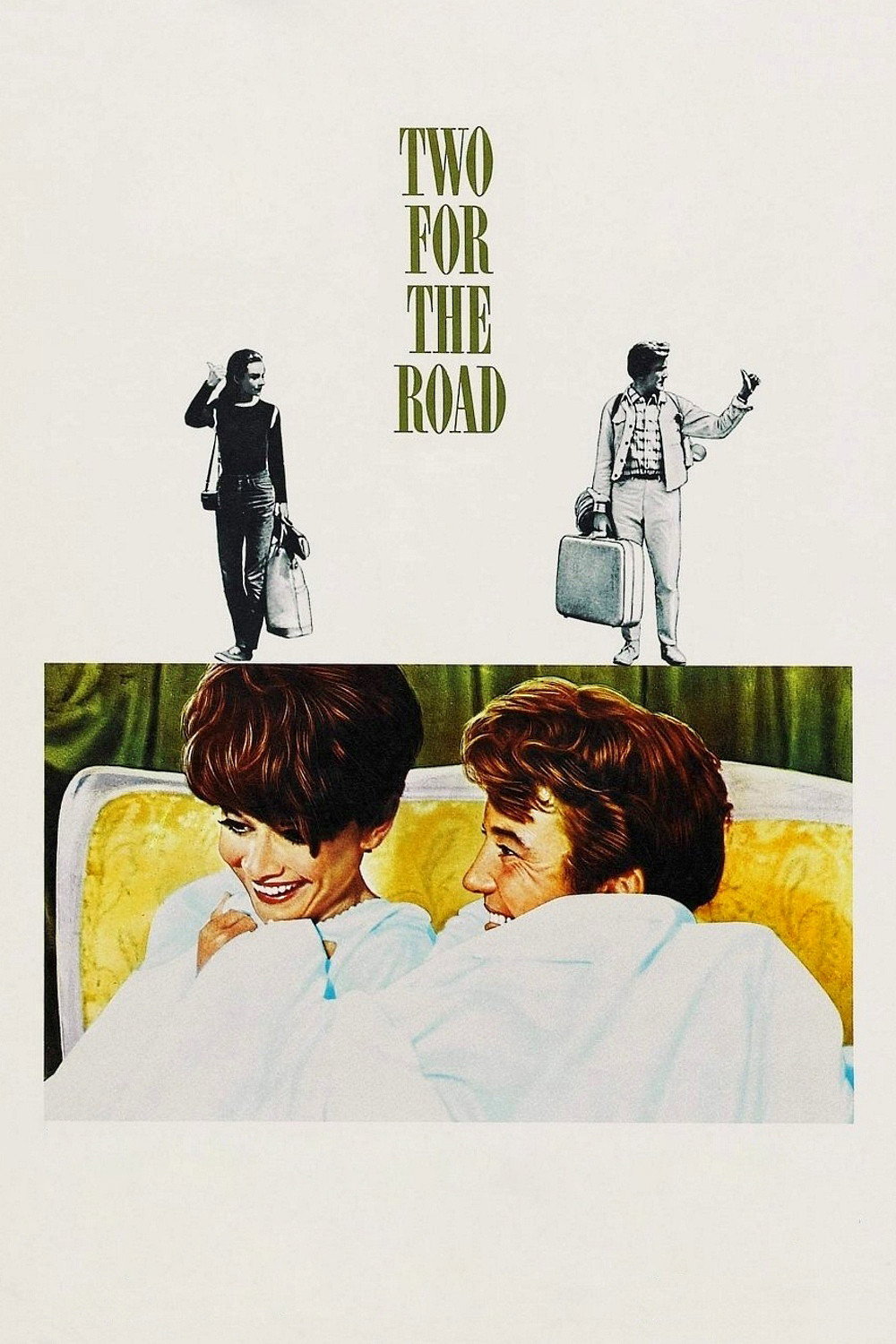
Two for the Road poster

Two for the Road

1967 · Another marriage under examination, with wit and resentment sharing the journey.

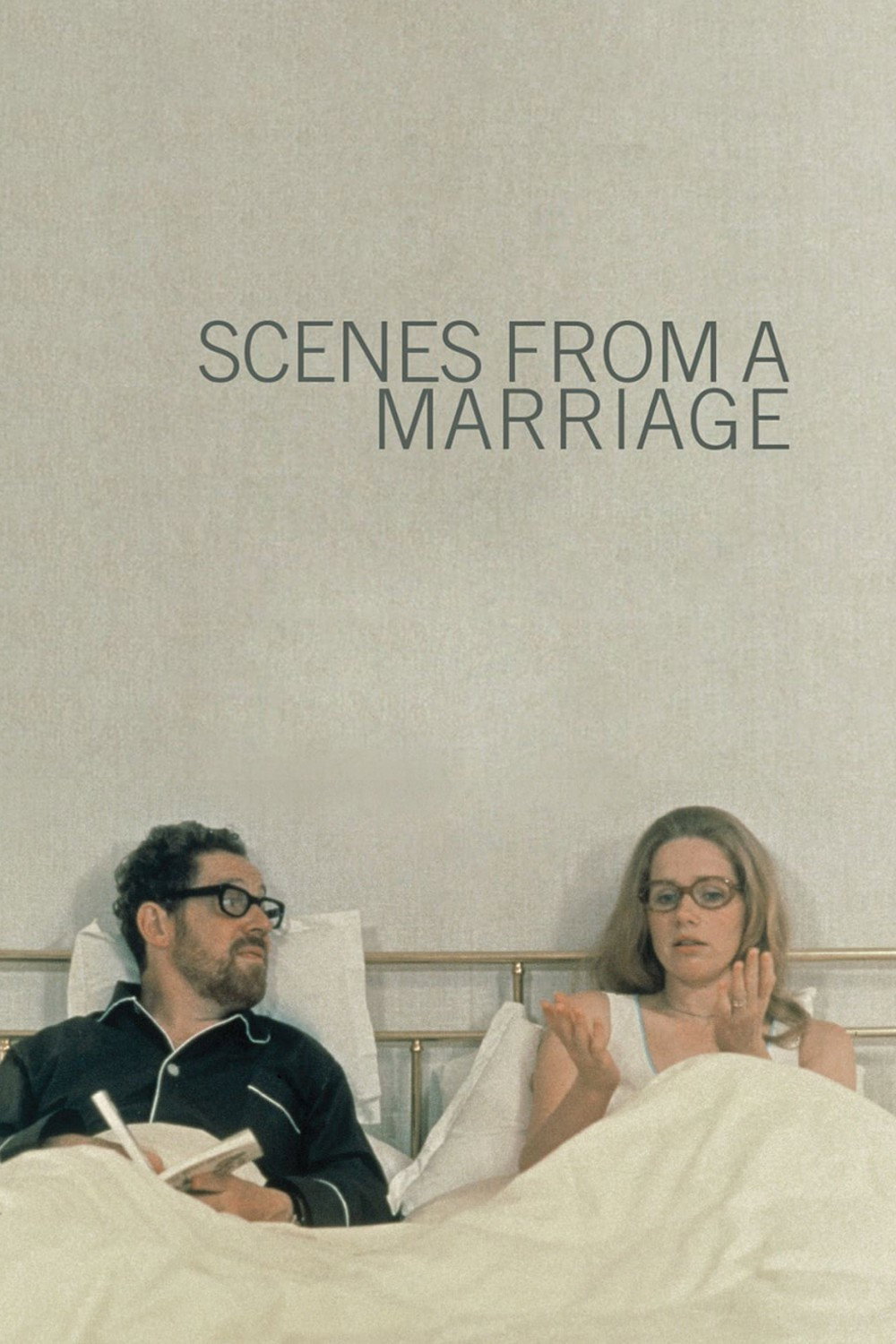
Scenes from a Marriage poster

Scenes from a Marriage

1973 · For longer, closer attention to the things couples struggle to admit.

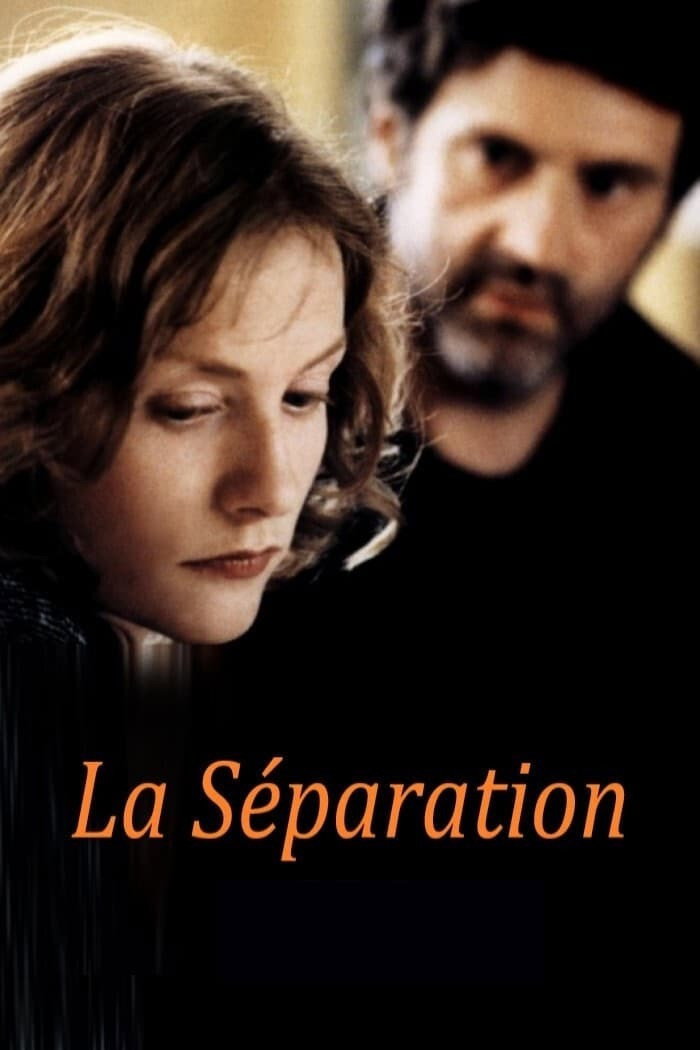
La séparation poster

La séparation

1994 · Another close, uncomfortable look at how quickly intimacy can turn into resentment.

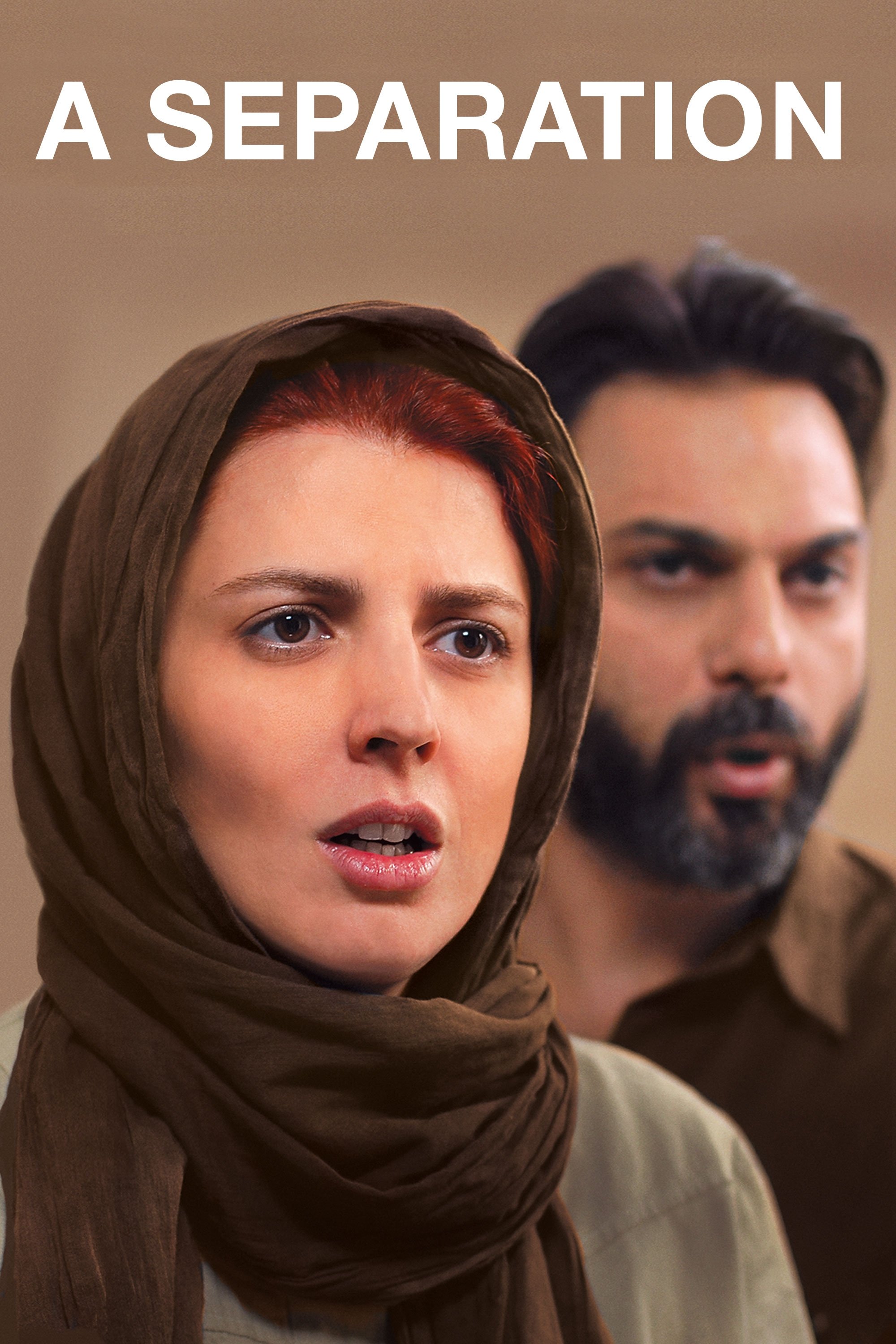
A Separation poster

A Separation

2011 · Marital conflict with consequences that reach well beyond the unhappy couple.

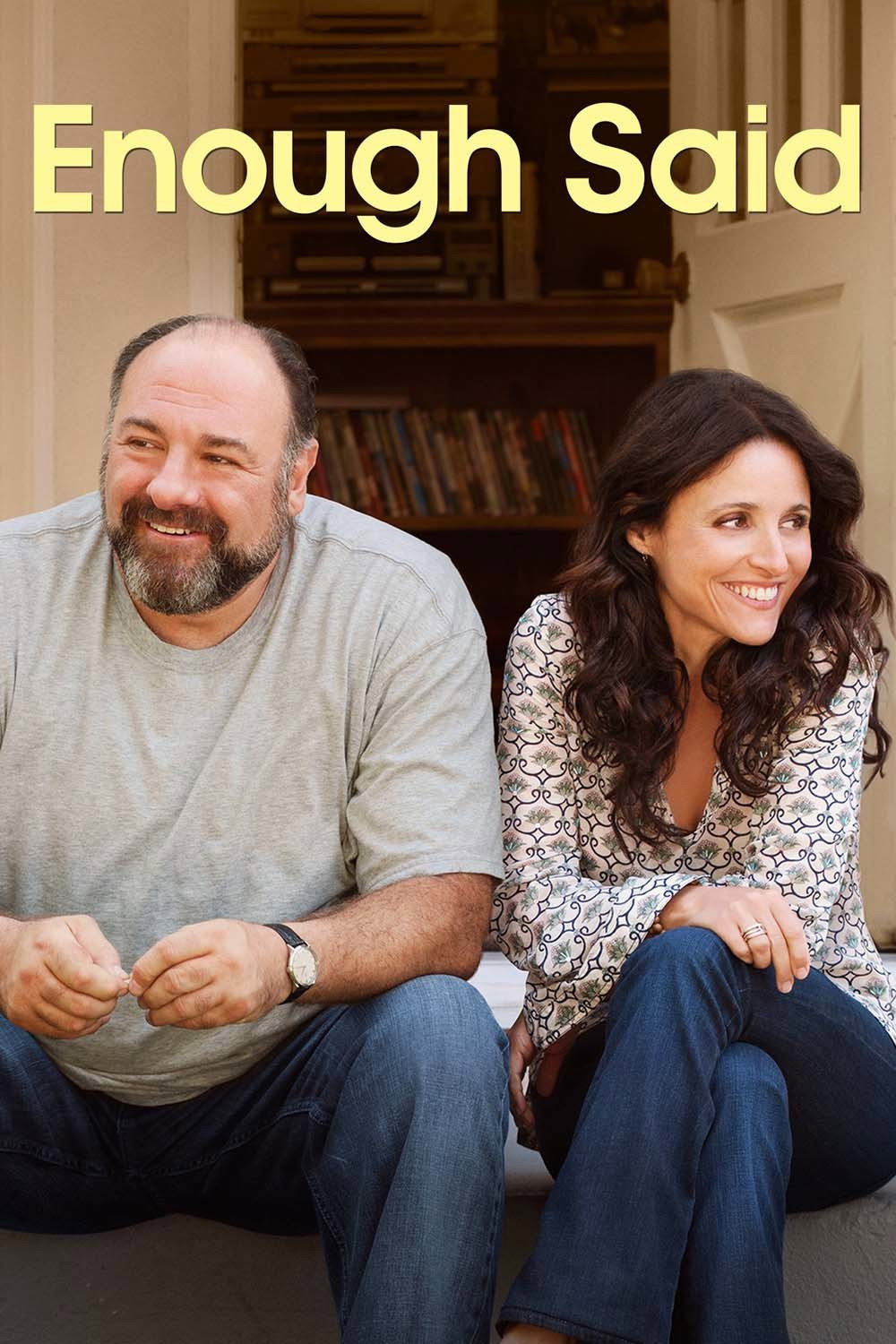
Enough Said poster

Enough Said

2013 · For a warmer relationship comedy that still takes adult embarrassment seriously.