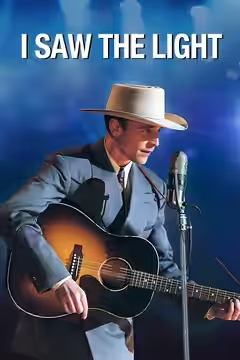
Tom Hiddleston brings conviction to Hank Williams’s songs, and Elizabeth Olsen gives the marriage some life. Marc Abraham’s sluggish biography offers too little sense of why this musician matters.
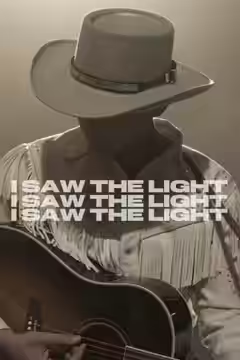
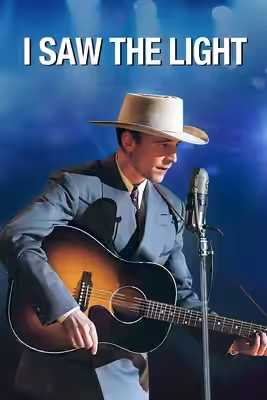
Marc Abraham’s I Saw the Light is a poor musical biography, despite a lead performance that repeatedly gives it a chance. Tom Hiddleston makes Hank Williams worth listening to, but the screenplay spends too much time on the singer’s marital troubles to explain much about his talent. The attempt to avoid worshipping a famous musician is welcome. The trouble is that the drinking, womanising and arguments become almost everything we are allowed to know about him.
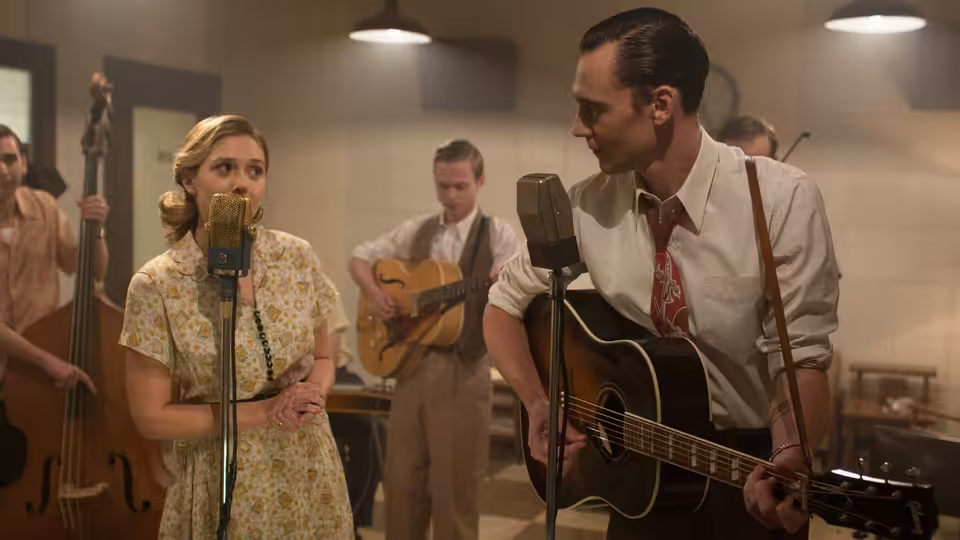
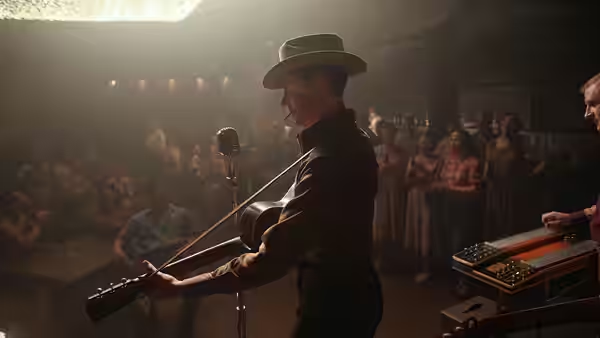
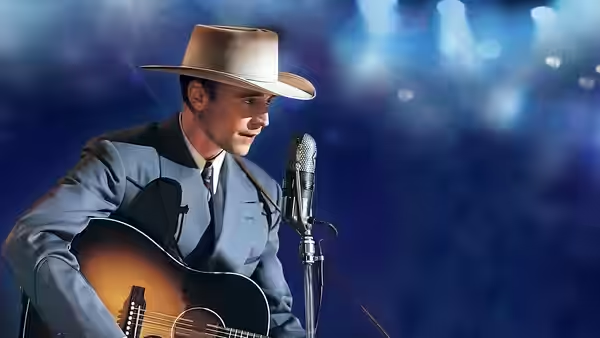
Tom Hiddleston is most persuasive when he sings, with a confidence and pleasure in performing that the surrounding drama rarely permits. We do not need a perfect vocal copy to believe that an audience would want to hear this man again. His stage presence supplies some much-needed charm, and the musical sequences allow us to appreciate the singer’s appeal without having it explained. Away from the music, his commitment remains clear, but the script keeps sending him back to familiar bad behaviour.
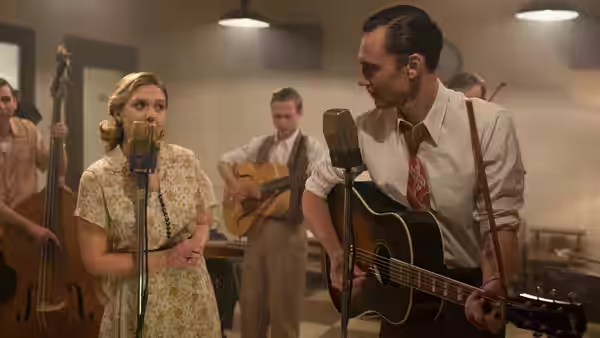
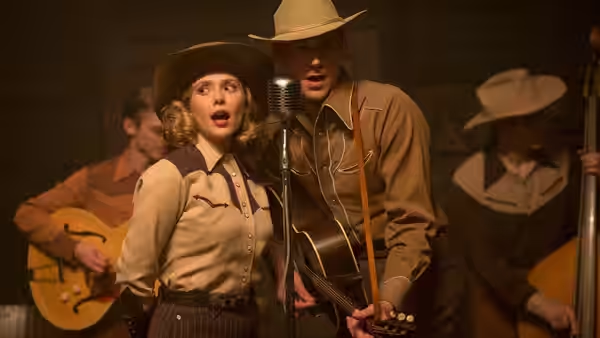
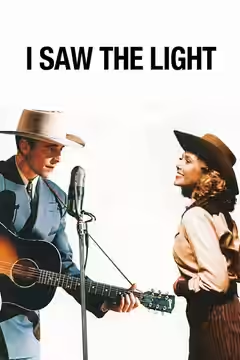
Elizabeth Olsen gives Audrey Mae Williams enough natural feeling to suggest a marriage with more in it than these disputes. The rapport between the two leads is one of the film’s wasted advantages: they seem capable of playing the ordinary closeness that might make the quarrels hurt. The screenplay keeps returning to the damage instead. We were bored by the recurring marital trouble, because each encounter seemed to tell us again that Hank Williams was difficult to live with.
Alan Heim’s editing does not find a satisfying progression through the episodes, and at 123 minutes the repetition becomes hard to ignore. Scenes accumulate without much sense that one has altered what we understand in the next. A musical biography can leave gaps, particularly when it trusts the songs to do some of the explaining. Here the music is too often interrupted by more domestic unhappiness, and the movement between the two feels dutiful.
Dante Spinotti’s cinematography supplies occasional visual interest in a film whose dramatic rhythms scarcely vary. Those touches help individual scenes, but they cannot sustain our attention through another underwritten encounter. Merideth Boswell’s production design gives the performers credible surroundings, though there is little sense of discovery in the way the film uses them. The care in presenting this life makes the lack of curiosity about the man at its centre more frustrating.
Aaron Zigman’s music has less impact than the sung performances, which is not itself a fault in a film about a singer. The problem is how little Marc Abraham, who writes as well as directs, does with those performances once they finish. Hearing Williams sing ought to make us curious about how he works, yet his artistry receives too little attention. We are repeatedly given his troubles as if they were a sufficient explanation for his talent.
There is a decent reason to resist the usual musical biography’s invitation to cheer every success and excuse every failure. We welcome a film taking its subject’s unpleasantness seriously, and this one does not soften Williams into an agreeable companion. But seriousness needs more than the steady repetition of trouble. Anyone coming for the songs should be prepared to spend a disproportionate amount of the evening waiting for them.