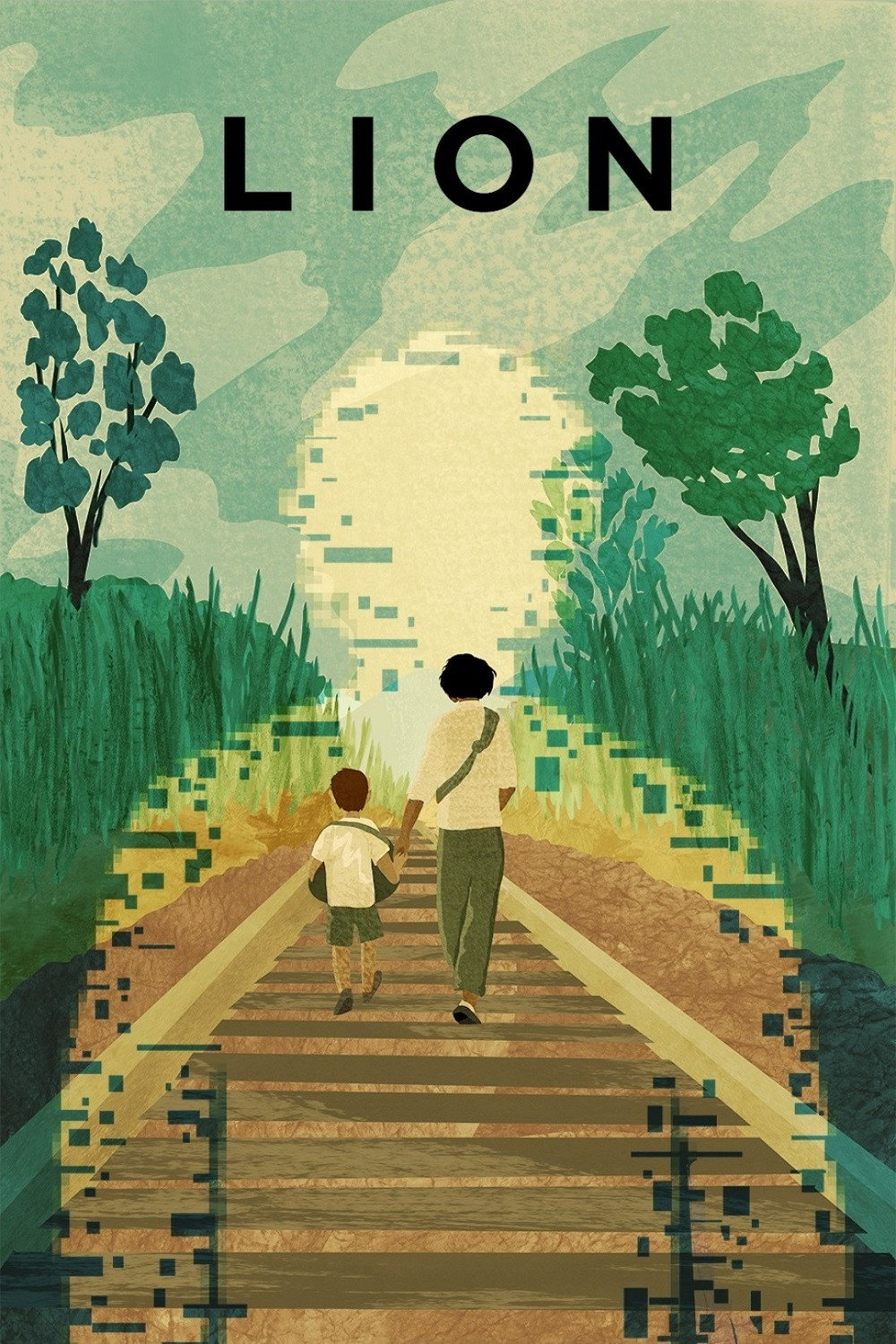
Garth Davis makes a lost child’s fear painfully immediate, helped by Sunny Pawar and Greig Fraser’s watchful images. The adult drama repeats itself, but Dev Patel and Nicole Kidman keep its family troubles worth caring about.
Lion is a moving family drama whose first half is considerably stronger than its second. Garth Davis understands how frightening a city becomes when nobody in it knows who a child is. He establishes the importance of home through that fear, before Luke Davies’s screenplay begins discussing it more explicitly. The adult search is less absorbing, partly because the same distress keeps returning in similar scenes, but the performances make this worth seeing.
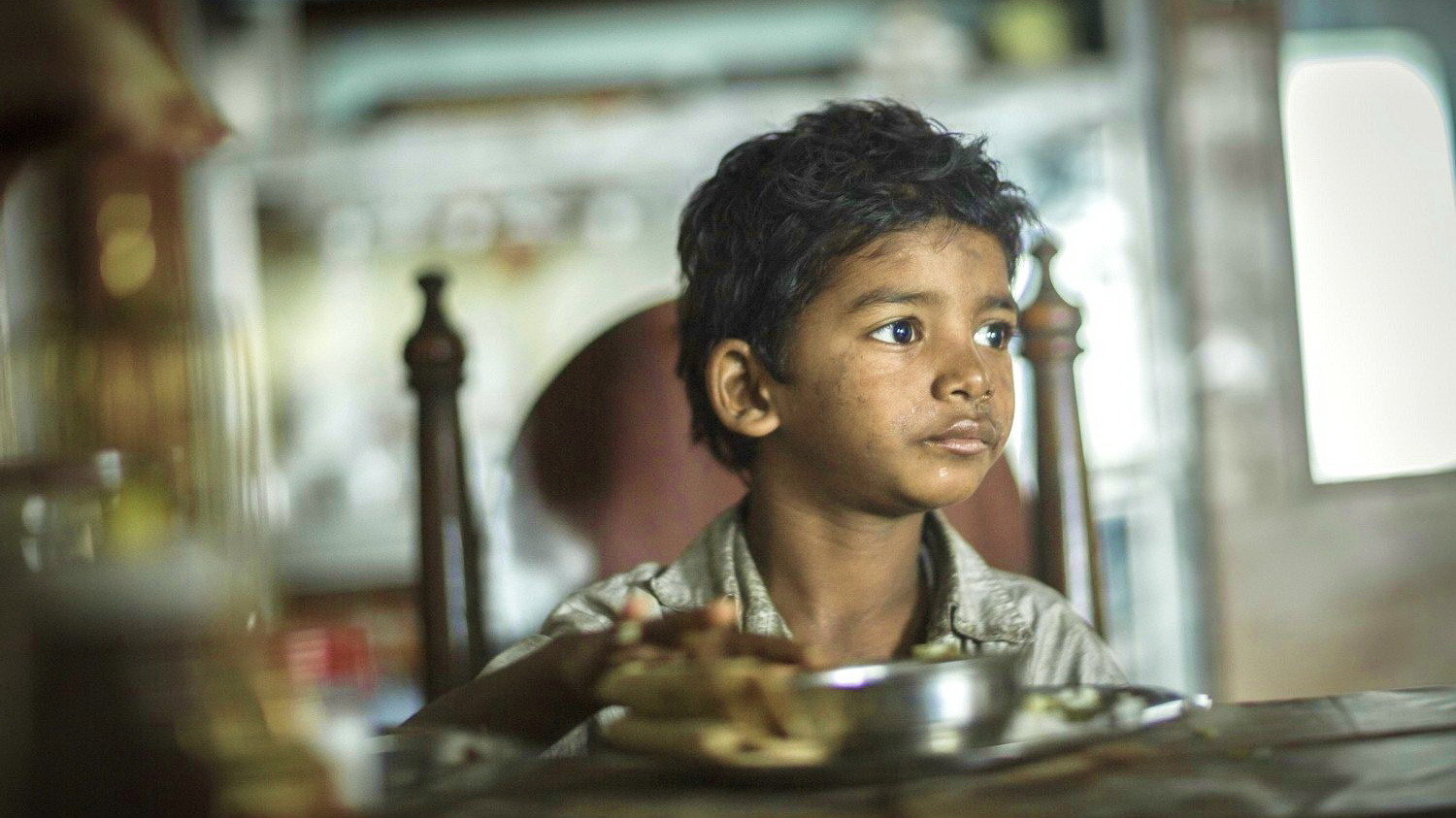
Sunny Pawar, as Young Saroo, gives the early India-set passages their force. There is little sense of a child being asked to demonstrate how moving his predicament ought to be: he is occupied with getting through it, which is enough. We were frightened for him on the streets of Kolkata, because the camera keeps us close to a small child in surroundings he cannot understand. The direction treats the poverty around him seriously without making his suffering an occasion to admire the pictures.
That closeness owes much to cinematographer Greig Fraser, who keeps the early scenes within the boy’s limited understanding of what is happening. The streets have scale without becoming sightseeing, and the images remain attentive to the person lost among them. Chris Kennedy’s production design supports that sense of an inhabited place, making the city feel indifferent to the child’s presence. Alexandre de Franceschi edits these passages with enough momentum to make survival feel urgent. Little dialogue is needed to explain what is at stake.
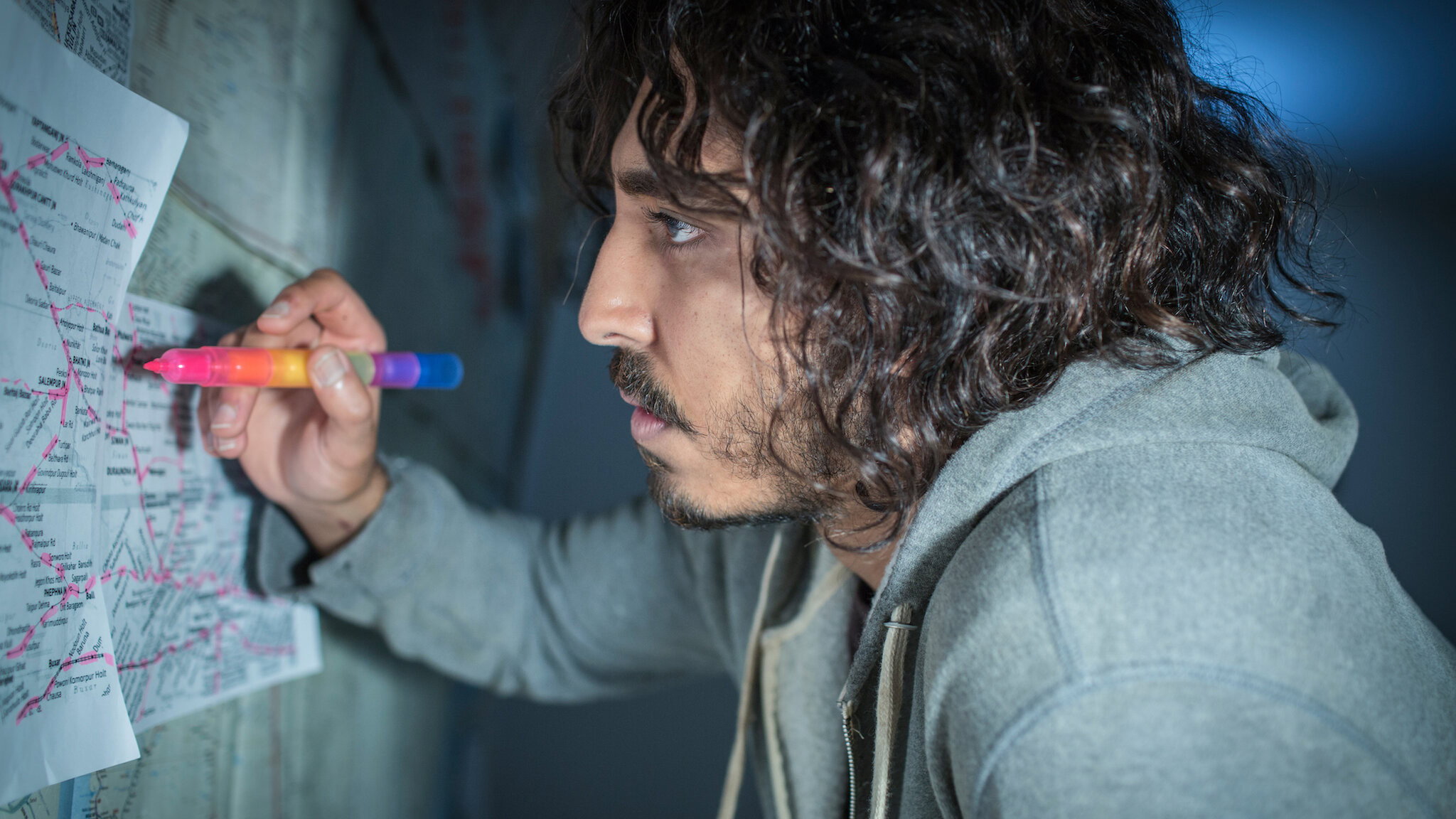
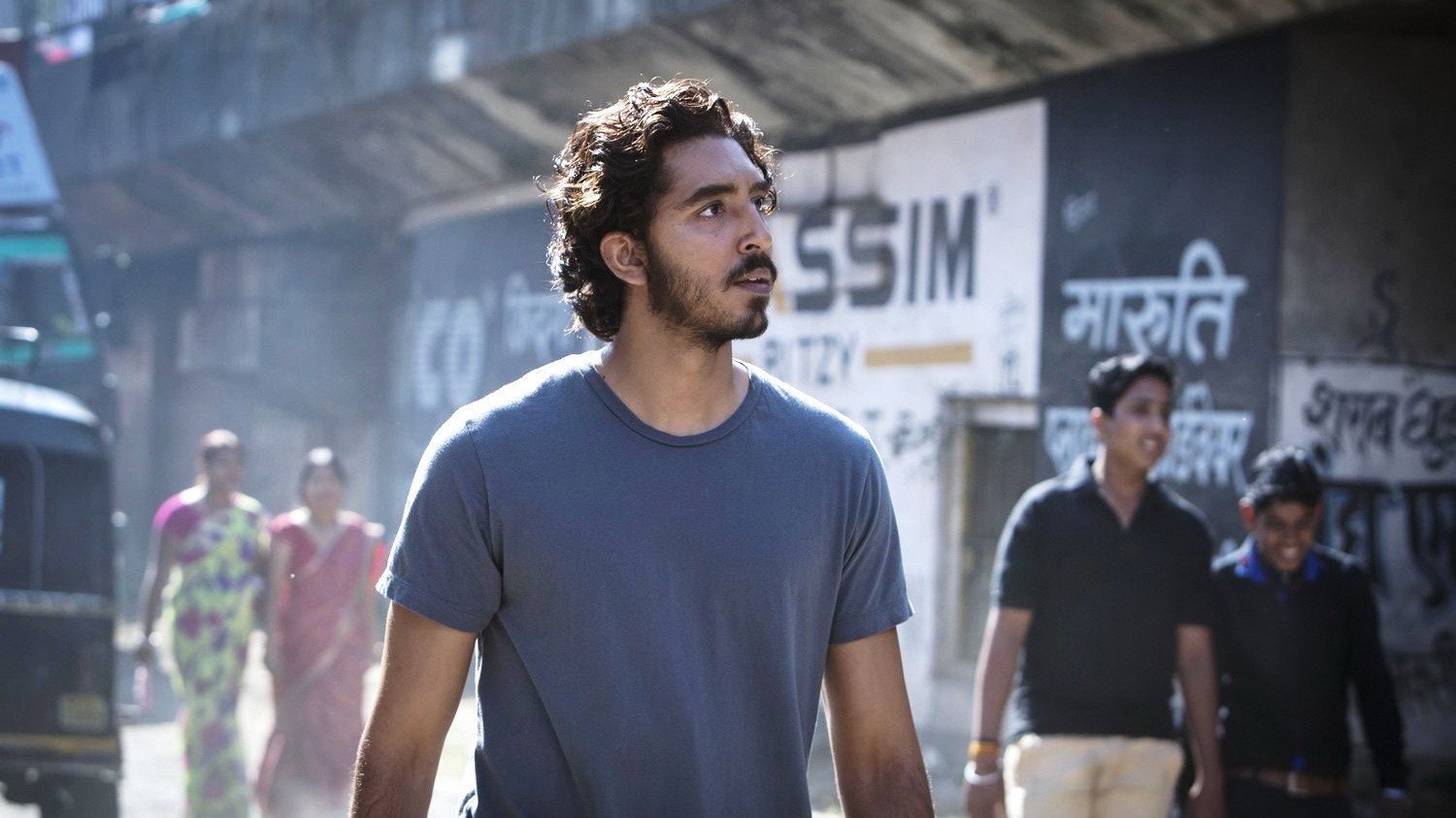
Dev Patel takes over as Saroo Brierley with an intensity that gives the adult section more weight than its writing sometimes earns. The search through Google Earth presents a difficult dramatic problem: repeated effort matters enormously to the person doing it, but repetition can still exhaust an audience. The performance makes the preoccupation convincing, while the screenplay struggles to find enough changes within it. The editing cannot entirely disguise that shortage, and the film spends too long confirming that Saroo cannot put the past aside.
Nicole Kidman gives Sue Brierley a warmth complicated by brittleness, allowing us to see the effort involved in caring for someone whose distress cannot simply be soothed. It is careful work, and the director makes room for it. Rooney Mara’s Lucy is less fortunate: the character has too little independent life, a problem when the relationships need to make adulthood as immediate as childhood. The cast can suggest what these people might be like beyond Saroo’s difficulties, but the writing seldom lets them demonstrate it.
The music is the more avoidable weakness. Volker Bertelmann and Dustin O’Halloran provide piano-led accompaniment that can be tender in the quieter stretches, but it too often insists on the emotion instead of letting a face hold our attention. With actors this capable, that extra prompting is unnecessary, and some of the adult drama becomes more conventional than it needs to be. The more insistent cues also make the repetitive scenes feel longer.
As a family melodrama, Lion gets something important right: longing for a lost home does not make the care received elsewhere worthless. The film is sensitive to that complication, even when the script moves past it too quickly, and it need not settle every question about belonging to make us care about this particular person. The weaker adult passages ask for patience, but the actors repay it. See it for the performances, especially Sunny Pawar’s, rather than for a consistently gripping search.