Eddie Murphy’s commitment to three roles cannot rescue a comedy that keeps mistaking physical mockery for a fresh joke. Some confident performances survive Brian Robbins’s slack direction, but the repetition is exhausting.
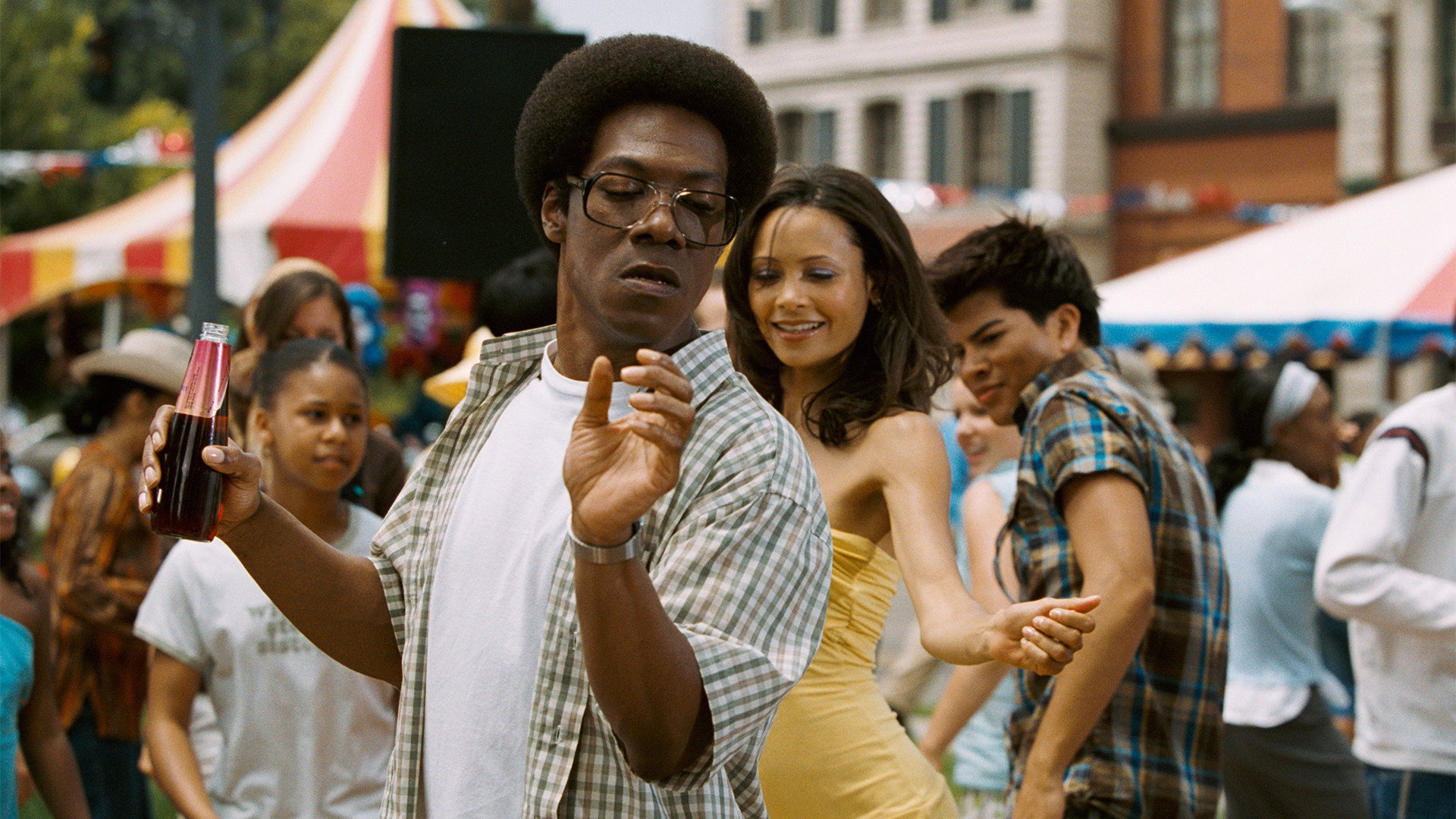
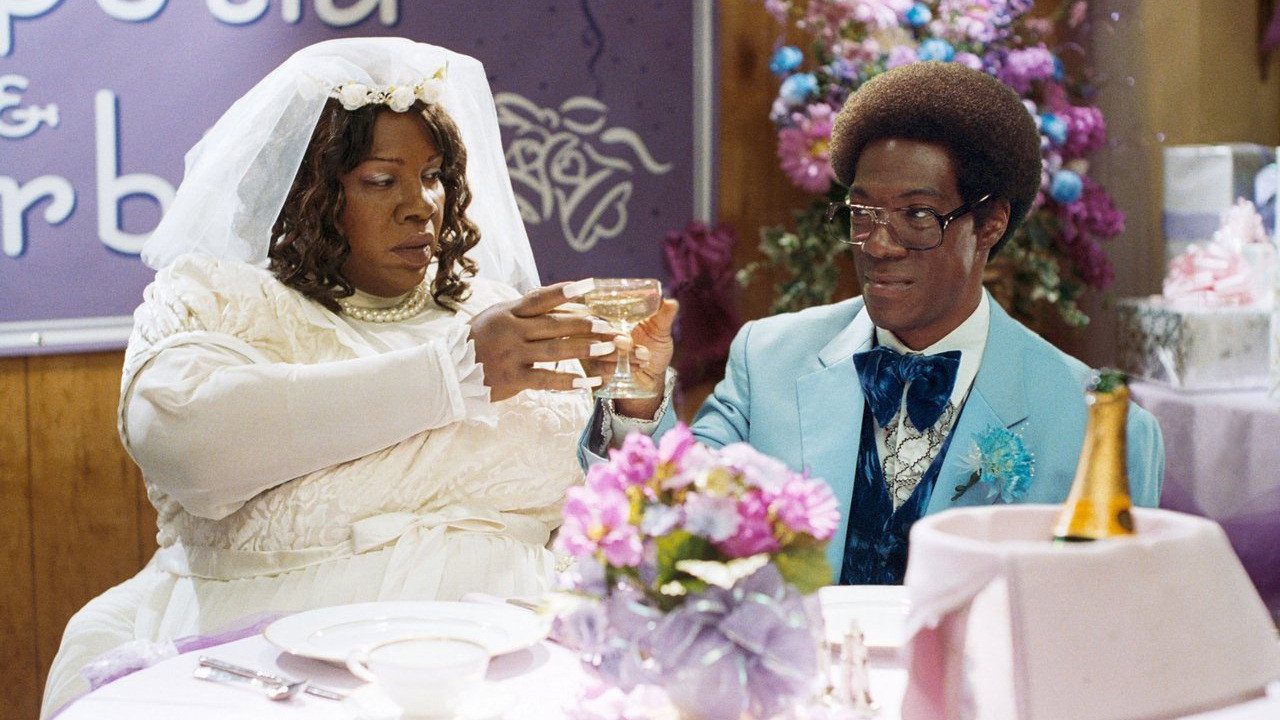
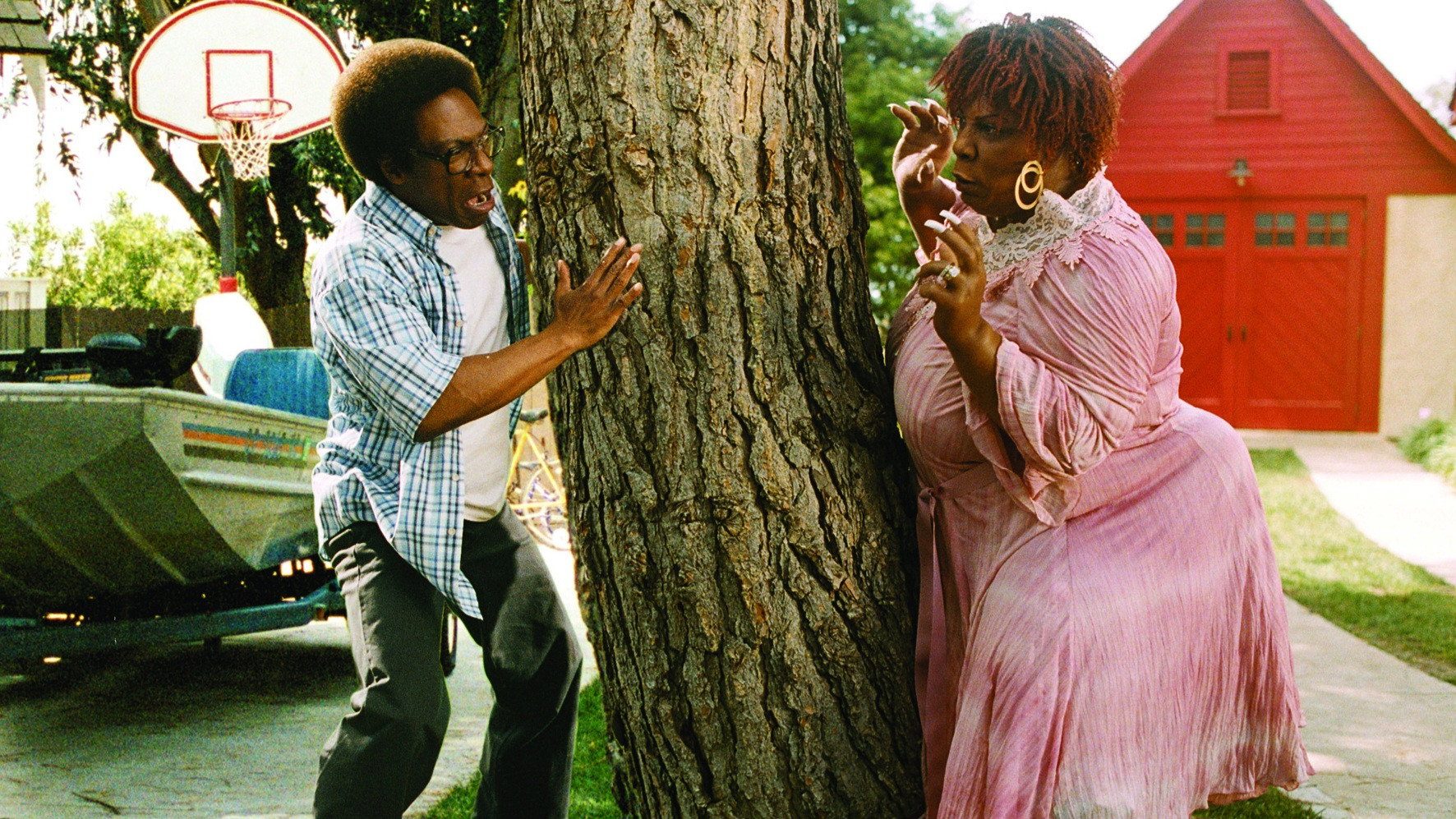
Norbit is a poor comedy with a technically demanding performance at its centre and too little worth doing around it. Eddie Murphy plays Norbit, Rasputia and Mr. Wong, giving director Brian Robbins ample opportunity to build jokes out of different characters. Too often the film settles for the fact that those characters look and sound different. Across 102 minutes, the repetition becomes wearing, and the effort behind the transformations makes the thinness of the material more disappointing.
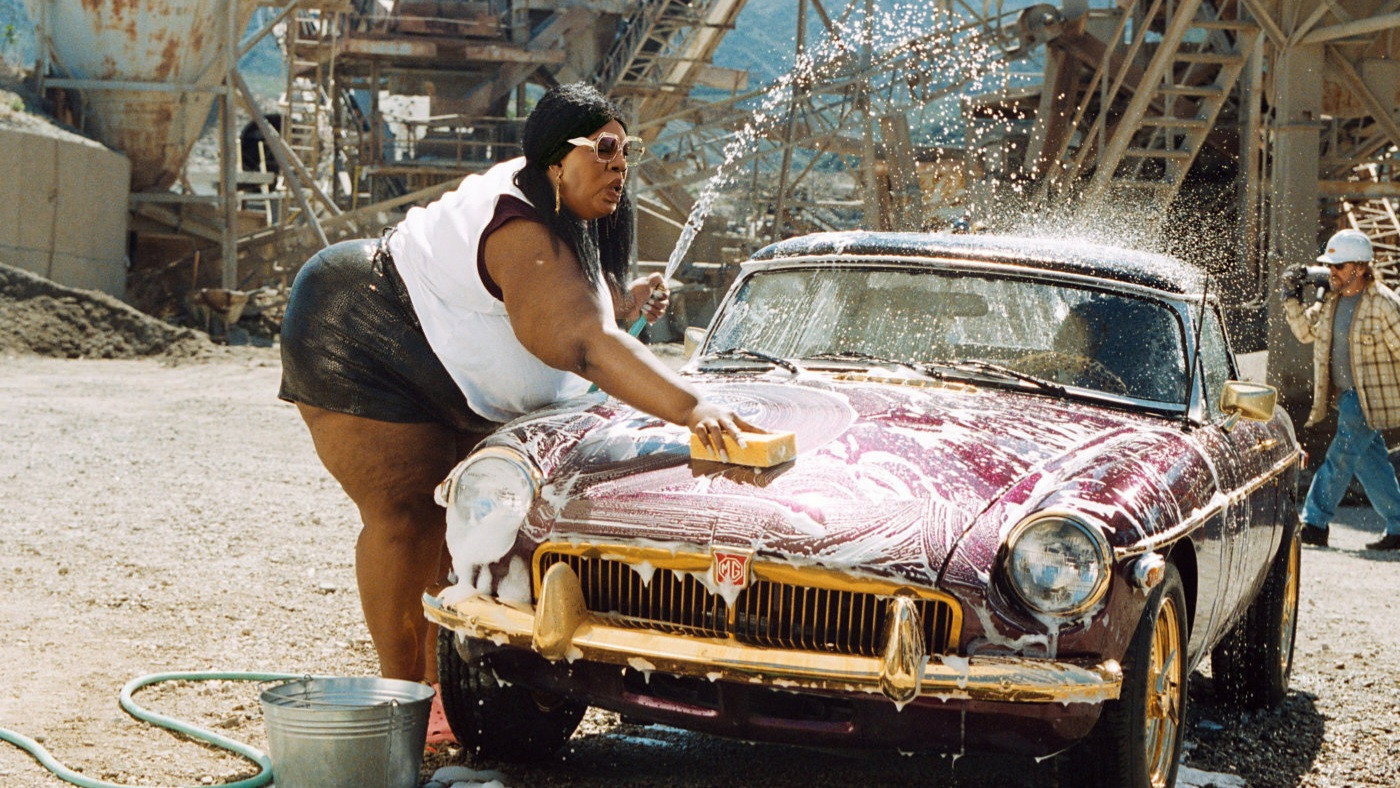
The screenplay, credited to Eddie Murphy, Charlie Murphy, Jay Scherick and David Ronn, keeps returning to physical mockery and racial caricature. Crude comedy can work when a joke has some surprise, or when an unpleasant character gets room to be more than unpleasant. Here, the jokes about Rasputia’s weight quickly become predictable. We were bored by them, then annoyed that the film kept offering her body as though it had just thought of the idea.
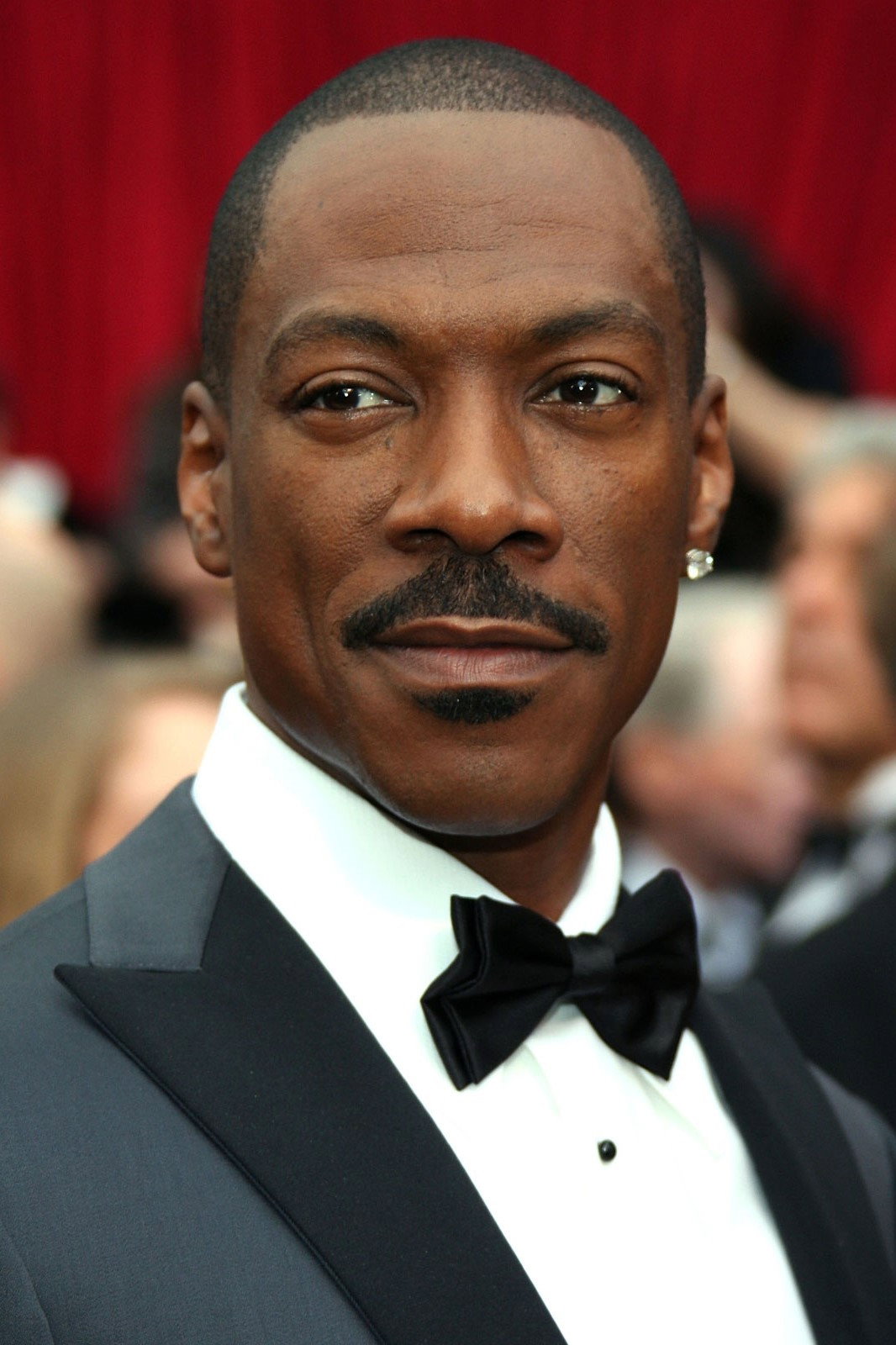
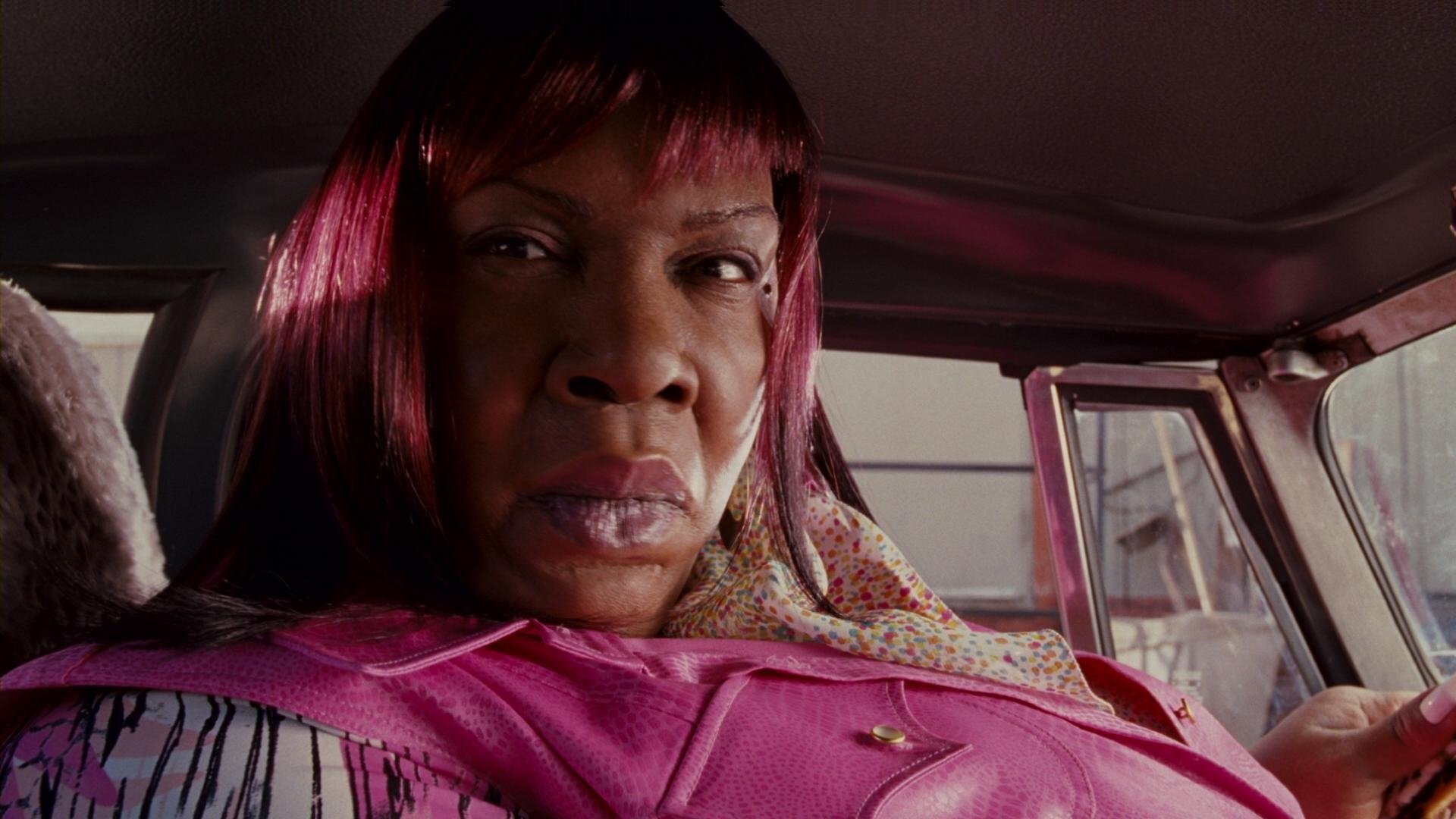
There is skill in Eddie Murphy’s work, particularly the force with which he commits to Rasputia. The performance has an energy that the writing rarely matches, and the make-up makes the multiple roles convincing as separate physical creations. We can recognise the labour without finding the result funny. Rasputia is allowed plenty of aggression, but so little else that each fresh appearance gives the film less to play with.
Brian Robbins does little to vary the comic approach, leaving broad delivery to carry jokes that need sharper construction. Ned Bastille’s editing gives some of the secondary business a more useful pace, though it cannot make the whole story feel properly shaped. The film gets momentary momentum from individual turns, then loses it through another helping of the same material. A comedy built around caricatures still needs scenes that develop, rather than merely make room for another insult.
Clark Mathis’s cinematography offers little reason to look beyond the make-up. Clay A. Griffith’s production design does not give the comedy much competing visual interest, leaving almost everything to the performers’ faces and bodies. David Newman’s music cannot provide the lift that the jokes themselves are missing.
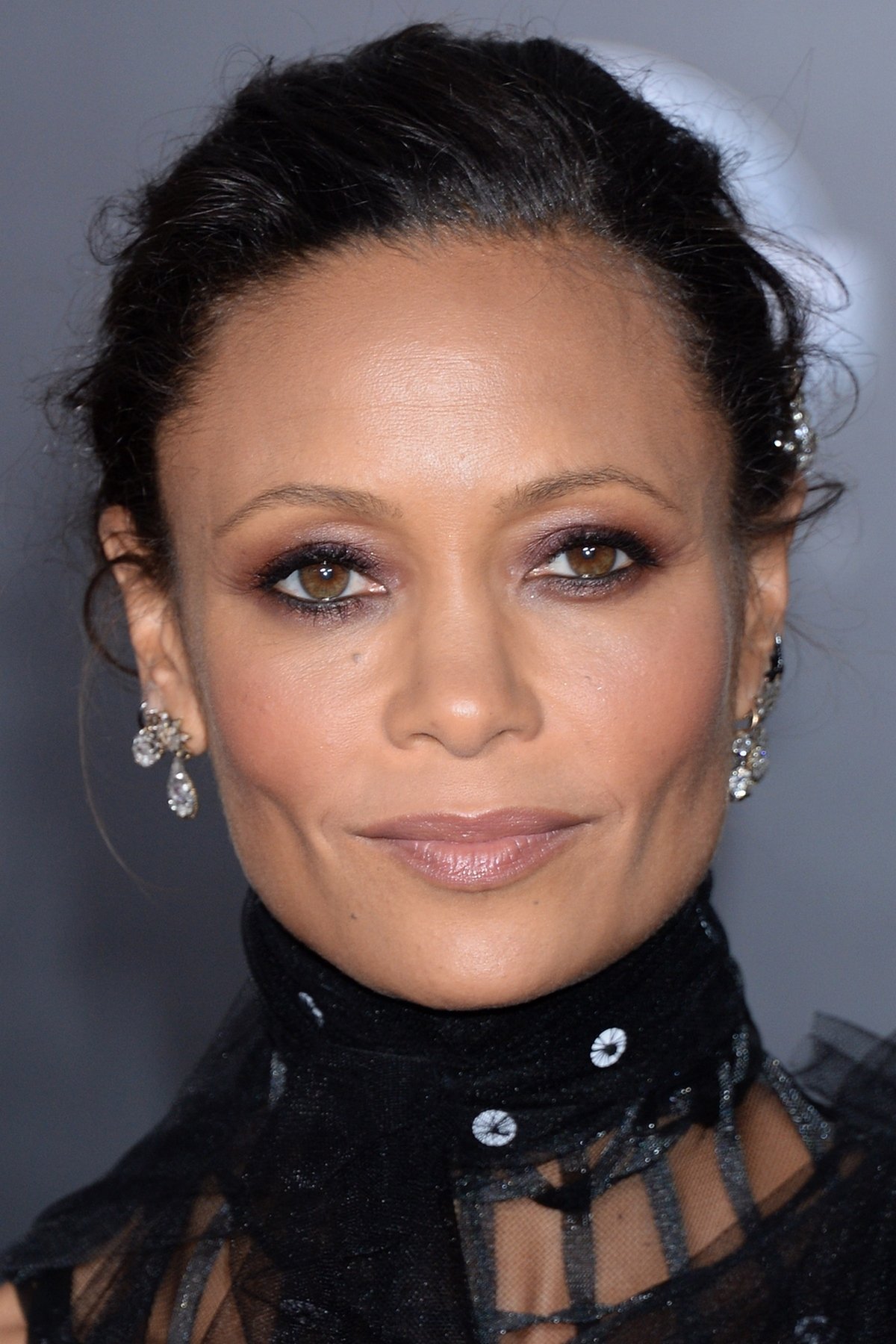
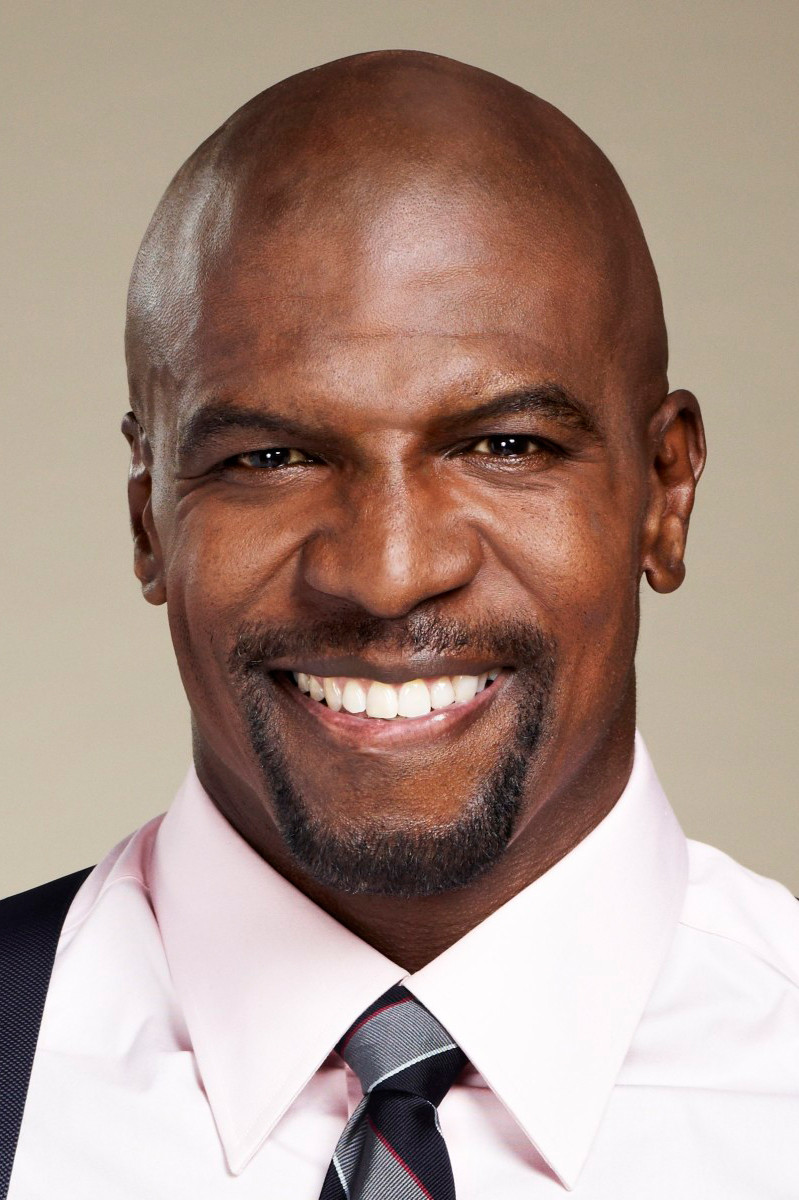
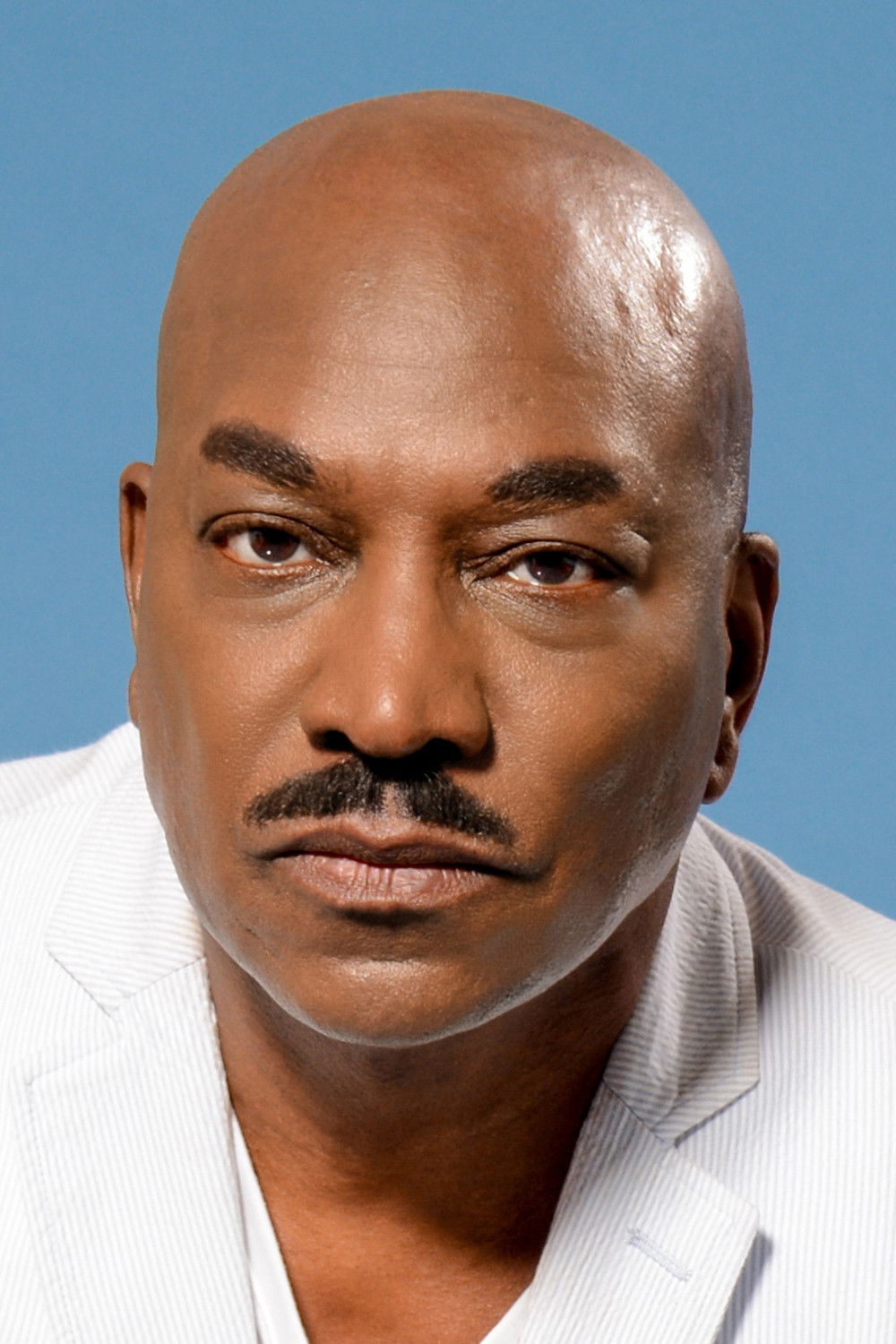
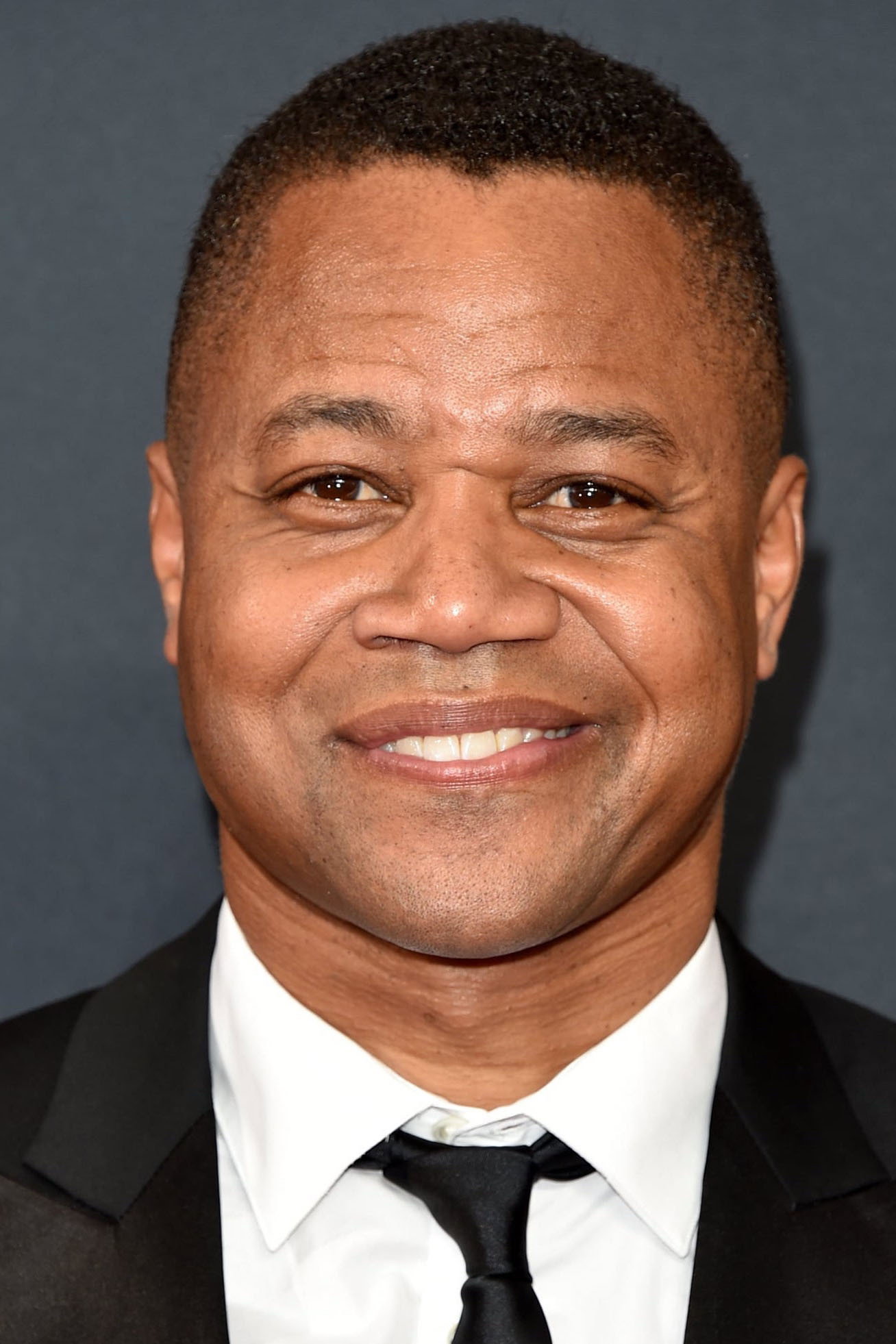
Thandiwe Newton, playing Kate Thomas, fares poorly in material that gives her little opportunity to be funny. The performance never looks comfortable enough to make the broadness around her feel easy. A cast that also includes Terry Crews, Cuba Gooding Jr., Eddie Griffin and Katt Williams ought to allow the humour more variety. Instead, the film keeps concentrating our attention on the same small supply of jokes.
There are isolated laughs here, chiefly from the confidence of the delivery, and they deserve to be acknowledged. Against the modest requirements of broad comedy, though, the film fails to find enough different things to be funny about. Admirers of Eddie Murphy may find the transformations reason enough to investigate. We would not sit through the jokes again.