The Coens’ musical road comedy is funny, welcoming and worth an evening for George Clooney and the songs alone. Its wandering story leaves some characters short of attention, but the pleasure survives the untidiness.
O Brother, Where Art Thou? is a funny, generously musical comedy with enough good company to carry a wandering plot. Joel and Ethan Coen send their version of Homer’s The Odyssey through Depression-era Mississippi, with Joel directing and both brothers writing. It takes its time over the people and songs encountered along the way, sometimes lingering beyond what the jokes warrant. We recommend it, provided a succession of entertaining encounters is enough to keep an evening going.
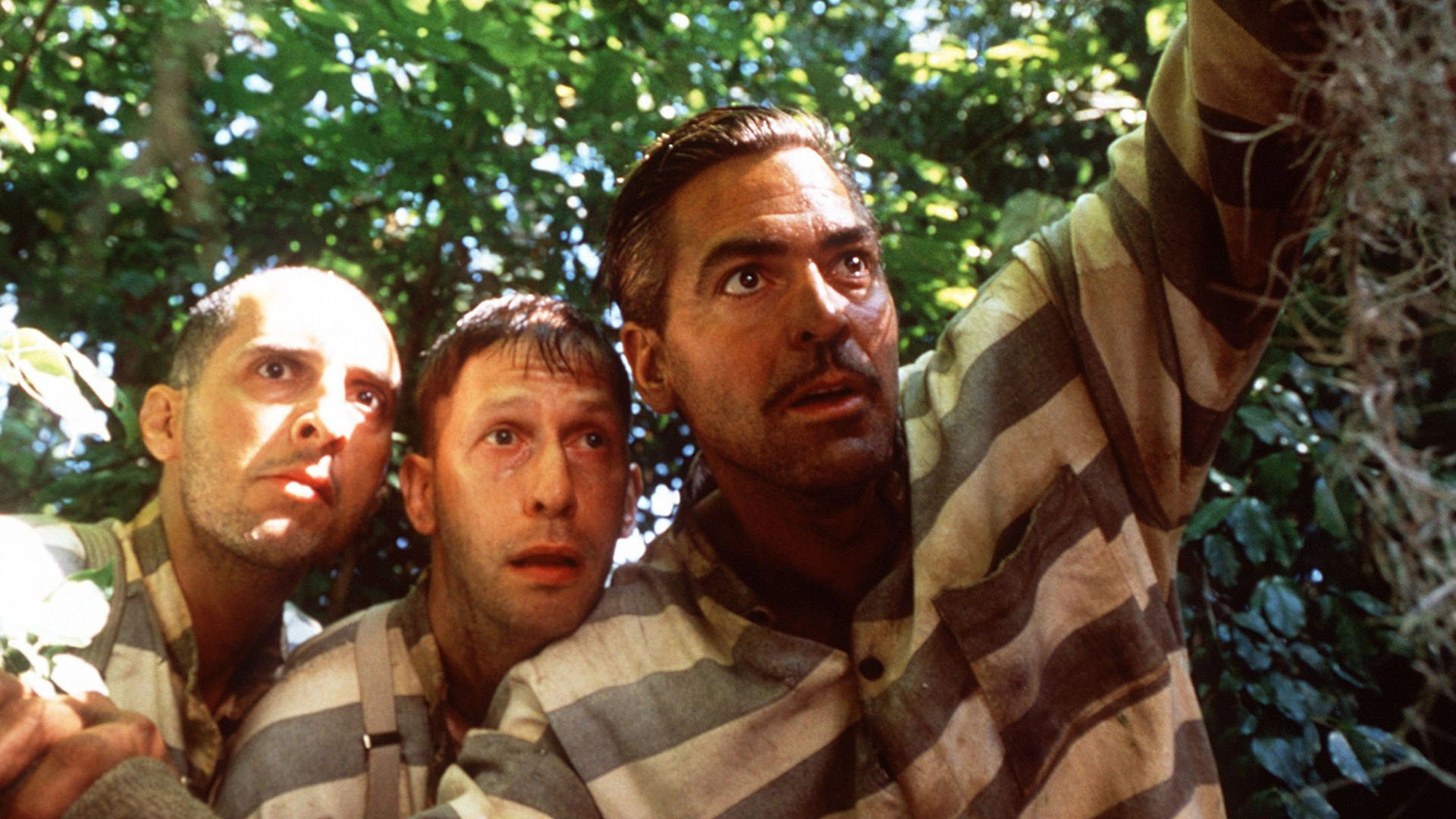
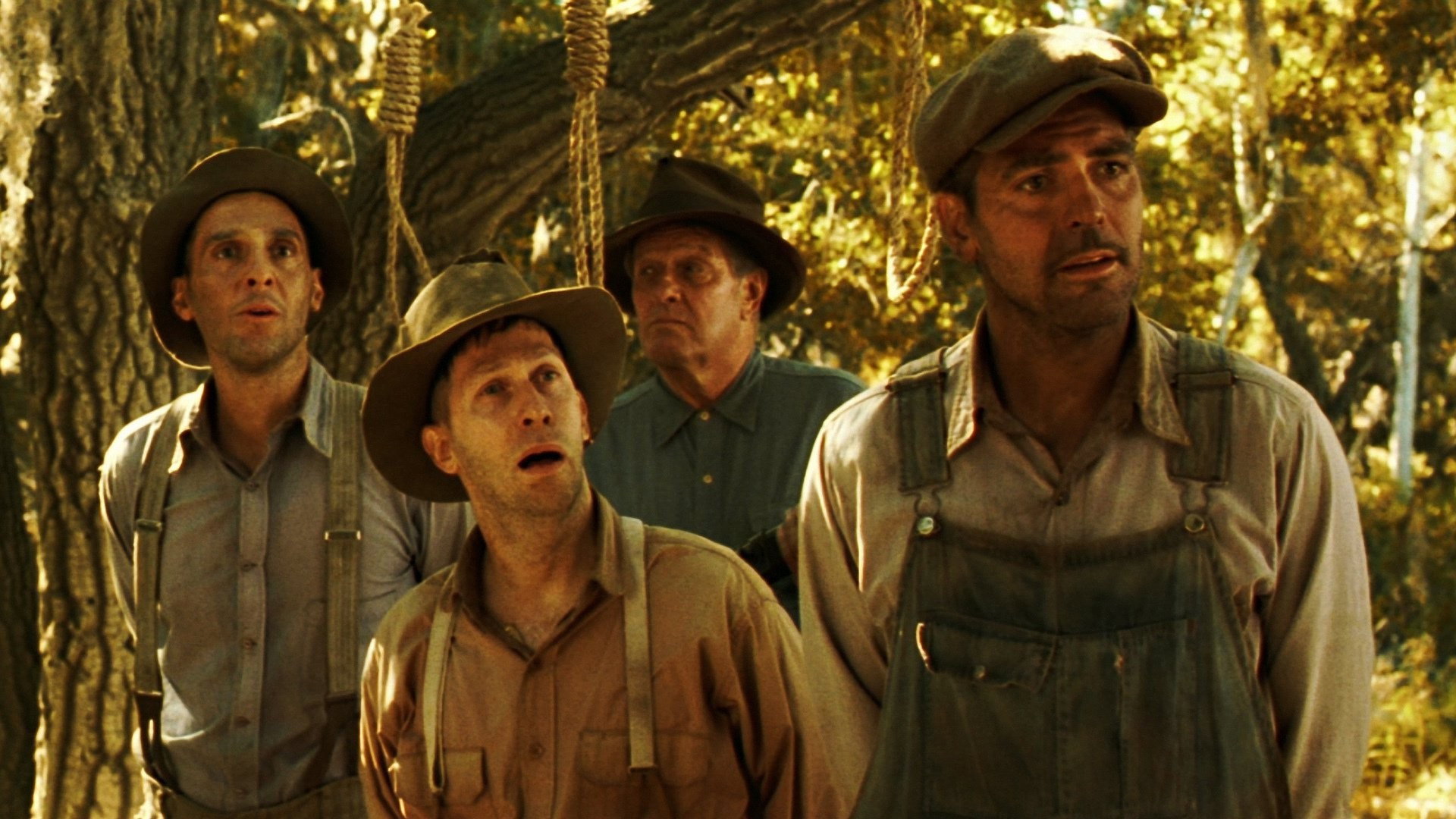
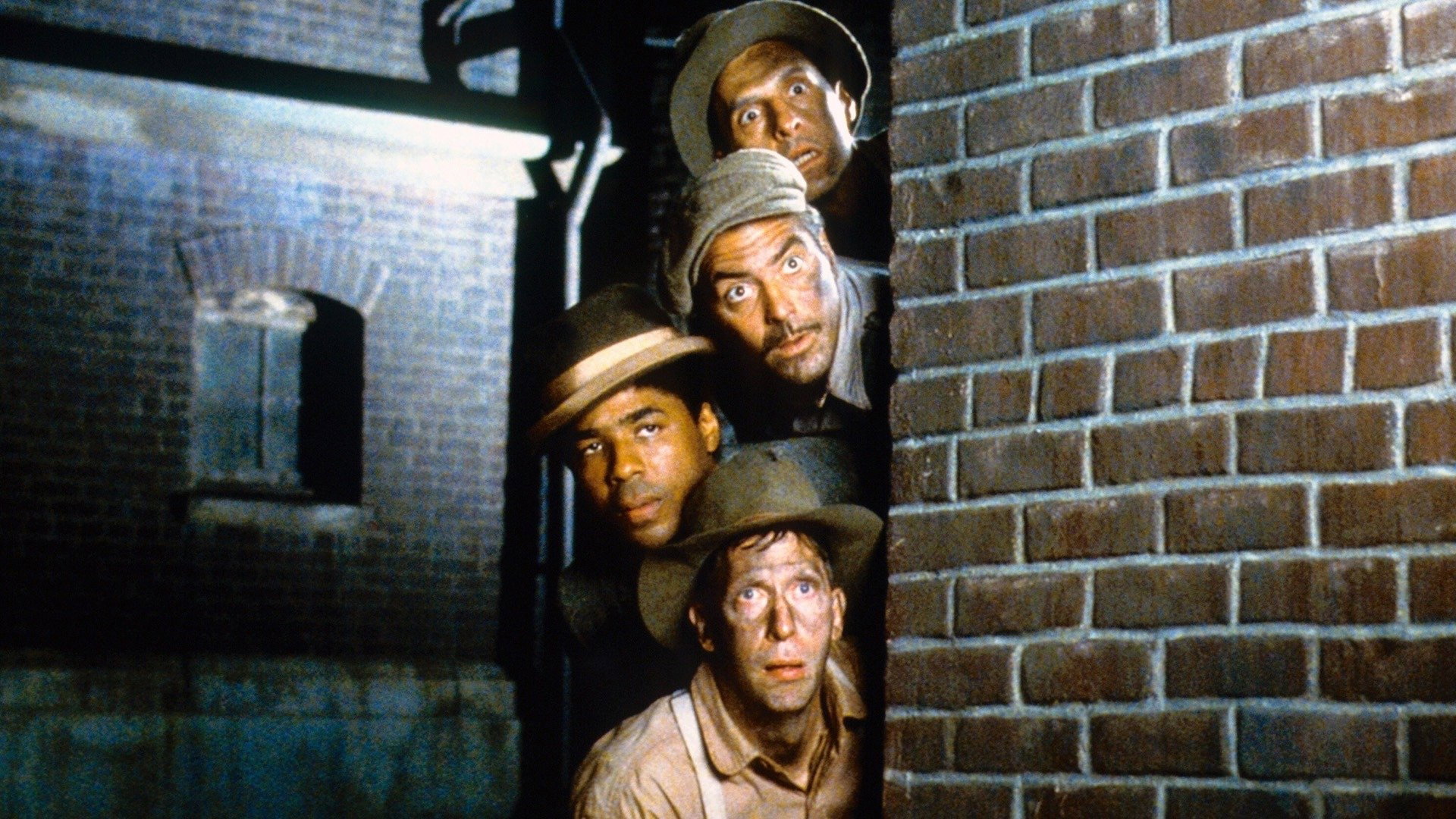
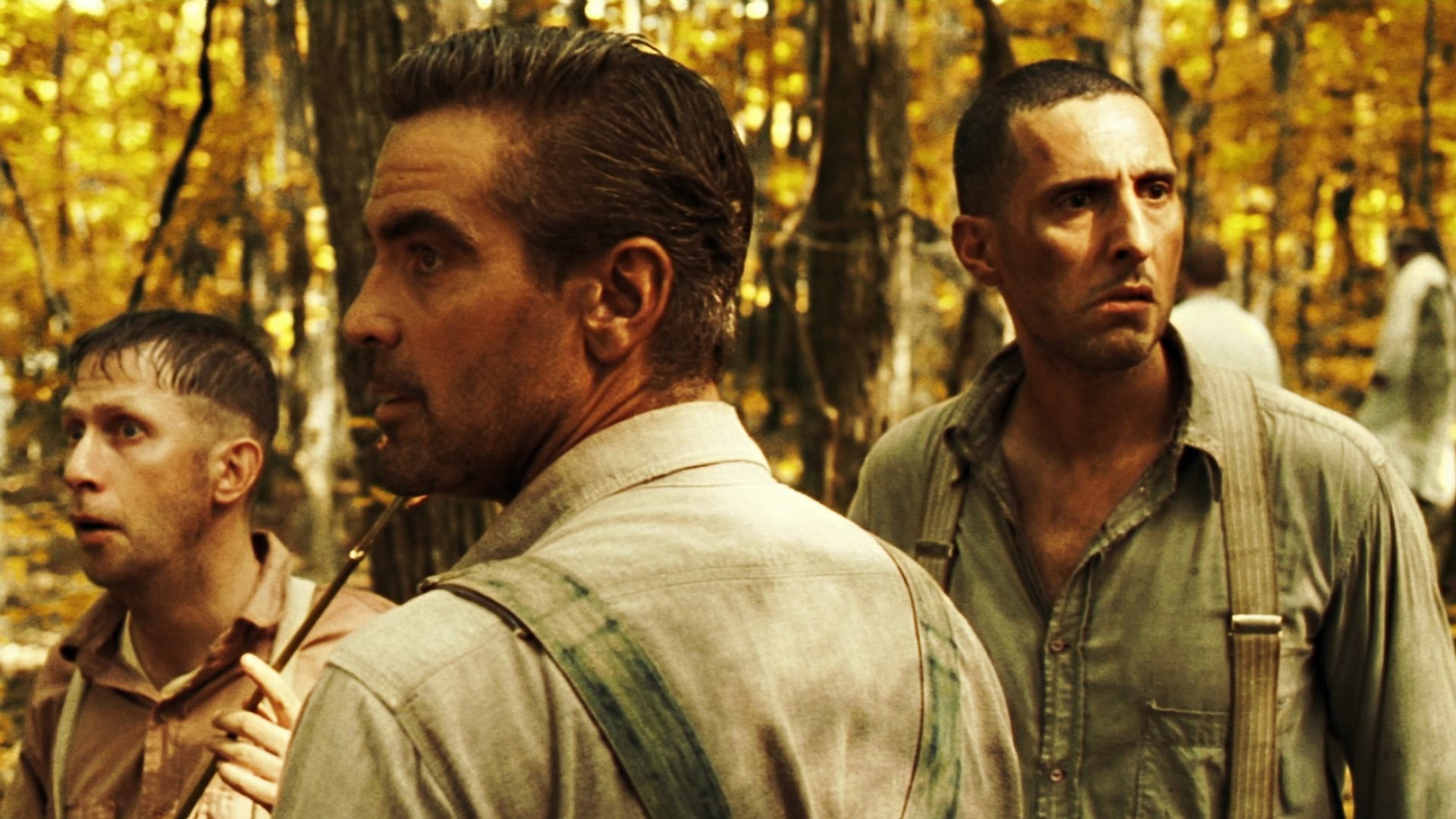
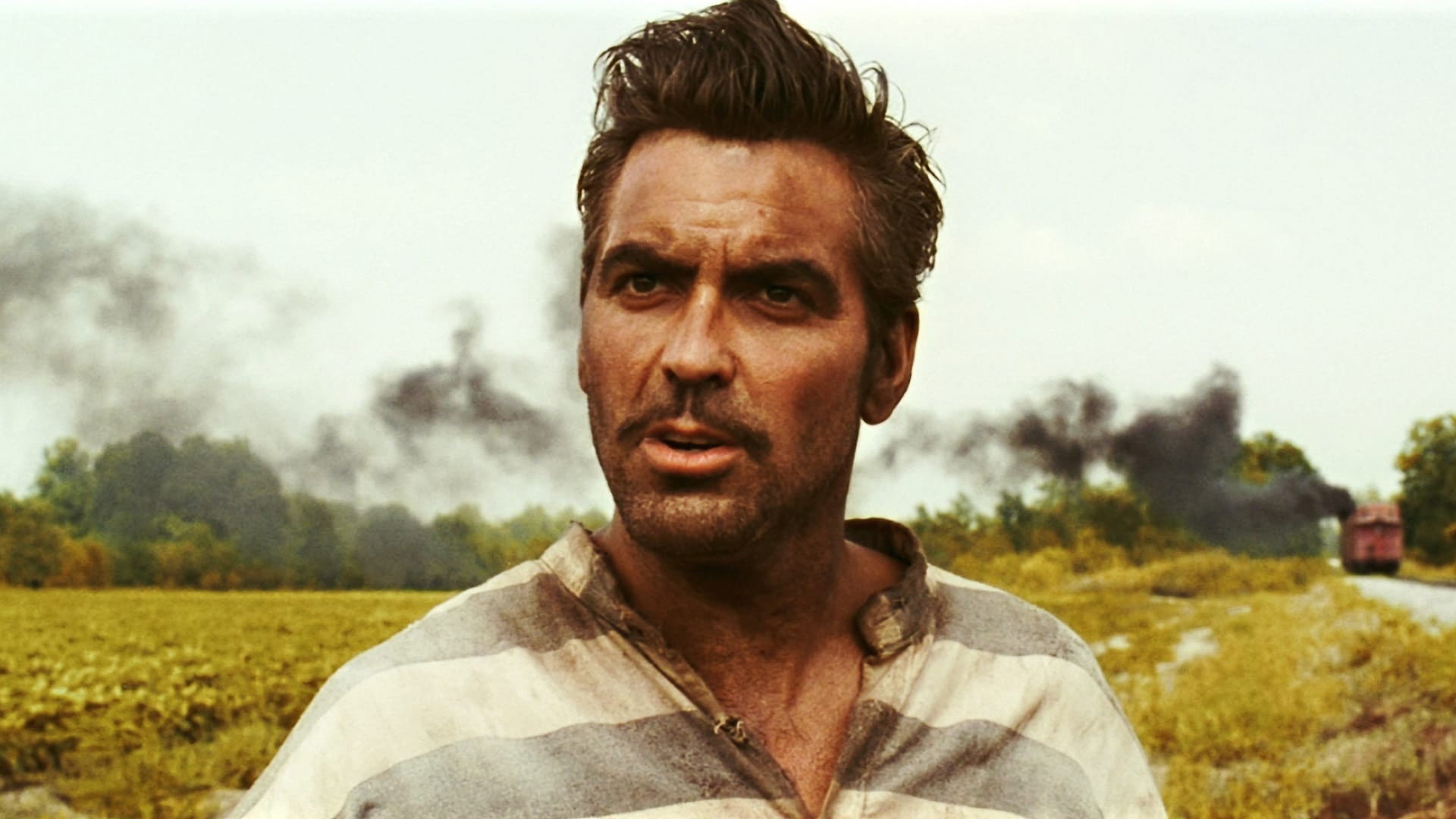
George Clooney gives Everett just the right degree of satisfaction with himself. He is relaxed enough to let the foolishness emerge without pushing every line, and handsome enough for that foolishness to be a useful corrective. We laughed at his solemn commitment to Everett’s dignity, even when the character has done little to earn it. John Turturro’s Pete Hogwallop and Tim Blake Nelson’s Delmar O’Donnell help keep the comedy sociable, giving Clooney other performers to respond to rather than leaving him to conduct a solo turn.
T Bone Burnett’s music is the strongest reason to forgive the film its digressions. The traditional American songs are given enough room to be enjoyed in their own right, and the affection for them makes the surrounding clowning feel less smug. The singers are allowed a seriousness the comedy seldom grants its characters. The soundtrack also gives the journey continuity when the screenplay seems ready to follow any passing distraction.
Roger Deakins’s cinematography and Dennis Gassner’s production design make this Mississippi feel carefully imagined without asking us to mistake it for a history lesson. The period setting has the finish of an old studio entertainment, which suits the broad performances and the excursions into Greek myth. Deakins makes room for visual comedy within the attractive images; Gassner gives the assorted encounters a convincing common setting. Occasionally, though, the pictures encourage us to admire a scene that has little else to offer.
The looseness becomes a problem when an entertaining episode has to make us care about the next one. Editors Joel Coen, Ethan Coen and Tricia Cooke keep the individual stretches lively, but cannot quite make the journey gather force. At 107 minutes, it is hardly an ordeal; we simply began to want more of the encounters to matter after they were over. The brothers’ screenplay gives its eccentrics plenty of room to perform and less room to become people whose difficulties trouble us.
Anyone approaching it as a crime adventure may wonder why there is so little anxiety about what happens next. The musical comedy is much more persuasive, particularly in the way it lets a sincere regard for folk music survive some fairly broad humour. The Homeric references offer another set of jokes, but no homework is required. A fondness for character comedy and traditional music will be more useful than any recollection of the book.
Choose it for an evening when a comedy is allowed to wander. Anyone wanting a tightly worked crime story should make another selection; the Coens are in no hurry to satisfy that appetite here. Give the songs the same attention as the jokes.