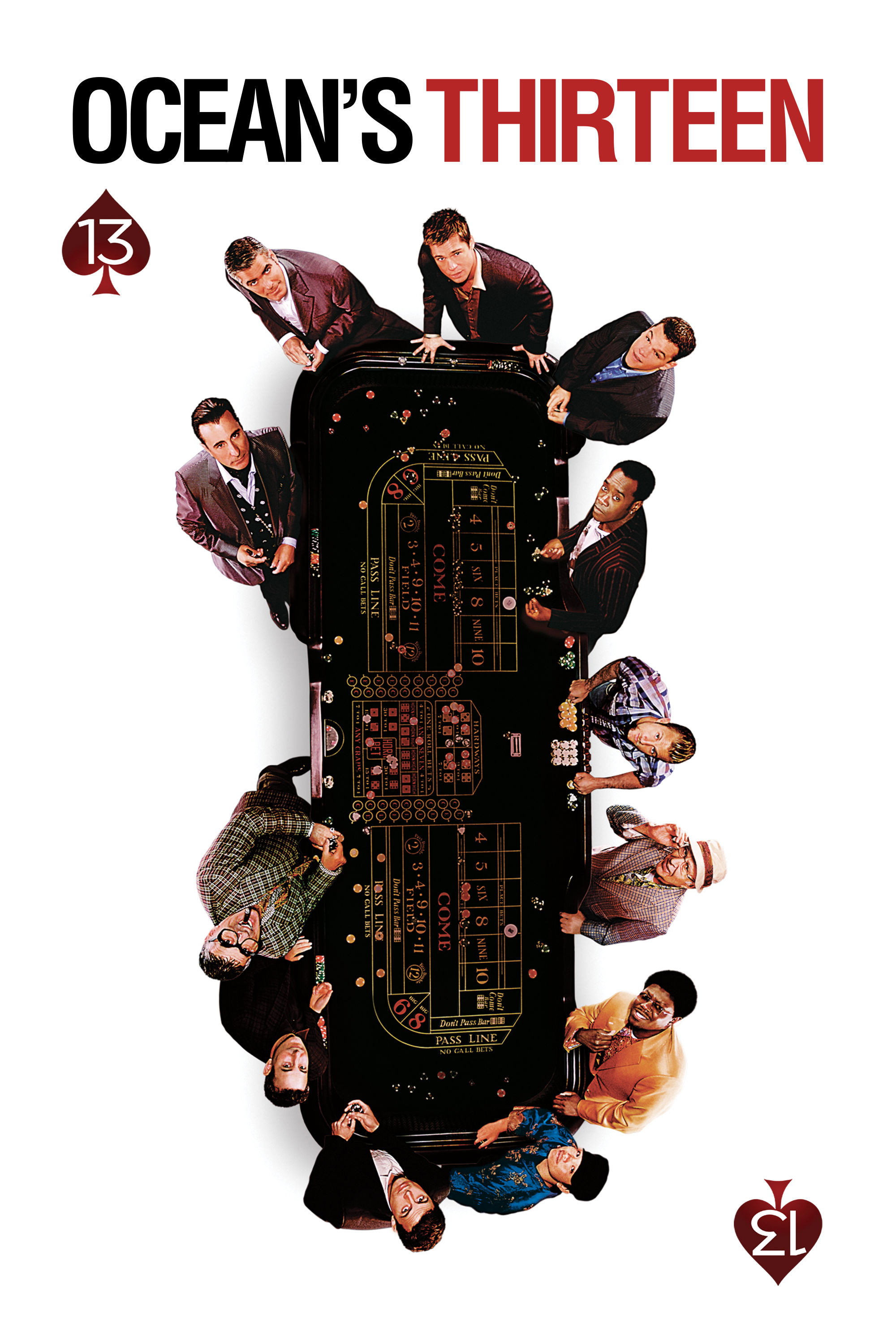
Soderbergh’s third heist is the most relaxed of the three and the emptiest: handsome, quick, funny in patches, and played by men who have stopped pretending to be characters. It passes two hours pleasantly and does not survive a second thought.
Six years after Ocean’s Eleven, Steven Soderbergh takes the crew back to Las Vegas. Willy Bank (Al Pacino), a hotel man with a deep tan and a shelf of awards, cuts one of the old gang out of a casino partnership, and the old man ends up in a hospital bed. Danny Ocean (George Clooney) and Rusty Ryan (Brad Pitt) decide the answer is to attend Bank’s opening night and make sure his casino loses: rig every table on the floor, and see that the critic who hands out the awards Bank collects has the worst stay of his life. That is the whole story, and it is told in the first quarter of an hour. The remaining 107 minutes are the doing of it.
It is the most relaxed of the three films and the thinnest, and we enjoyed it a good deal more than we can defend. Nobody in it wants anything except to win, nobody is in danger for longer than a scene, and the one woman with lines exists to be tricked. It is also handsome, quick and often funny, and for two hours on a sofa that turns out to be nearly enough.
Soderbergh shoots it himself, and the colour is the film’s real character. The casino floor is hot amber and gold, the exteriors a sour green, the faces lit as if through the bottom of a whisky glass. Philip Messina’s hotel is a gold tower with a purple-and-brass floor, and the sheer size of the place makes the plan look plausible: you believe there is room in it for a dozen men to be doing something wrong at once. Stephen Mirrione cuts the heist in split screens, three columns running in parallel, which keeps twenty moving parts legible while the dialogue declines to explain any of them. David Holmes writes organ, brass and loping bass, and none of it ever hurries.
The writing, by Brian Koppelman and David Levien, has stopped bothering with character. Clooney and Pitt finish each other’s sentences and eat in every scene, and they are hosting rather than acting; it is pleasant, and there is nothing under it. Matt Damon’s Linus still wants to be taken seriously and is given a false nose for his trouble. Carl Reiner’s Saul, posing as the hotel critic, is the best thing in the ensemble, a small old man complaining about his room with the grievance of a lifetime. Casey Affleck and Scott Caan, as the Malloy brothers, are sent off on an errand of their own, and every cut back to it felt like a wrong turn. Pacino is fine. He whispers, he glows, he says the same line about his awards, and he is given nothing to do but lose.
Ellen Barkin, as Bank’s right hand Abigail Sponder, is the only woman with a part, and her part is to be made a fool of. Barkin plays it broad and gets the laughs. We laughed, and were not proud of it, because the joke is on her and never on the men. The first film had Julia Roberts and a marriage to win back. This one has this.
Here is what got us. There is a short scene, in a hotel room, with Danny and Rusty and a television, that we will not describe. It is the funniest thing in the film and the only honest one, because it is the one time either man admits to feeling anything, and it took us by surprise. Then it goes back to the tables, and somewhere in the second hour we realised we did not mind whether the plan worked, because nothing on screen had suggested it might not.
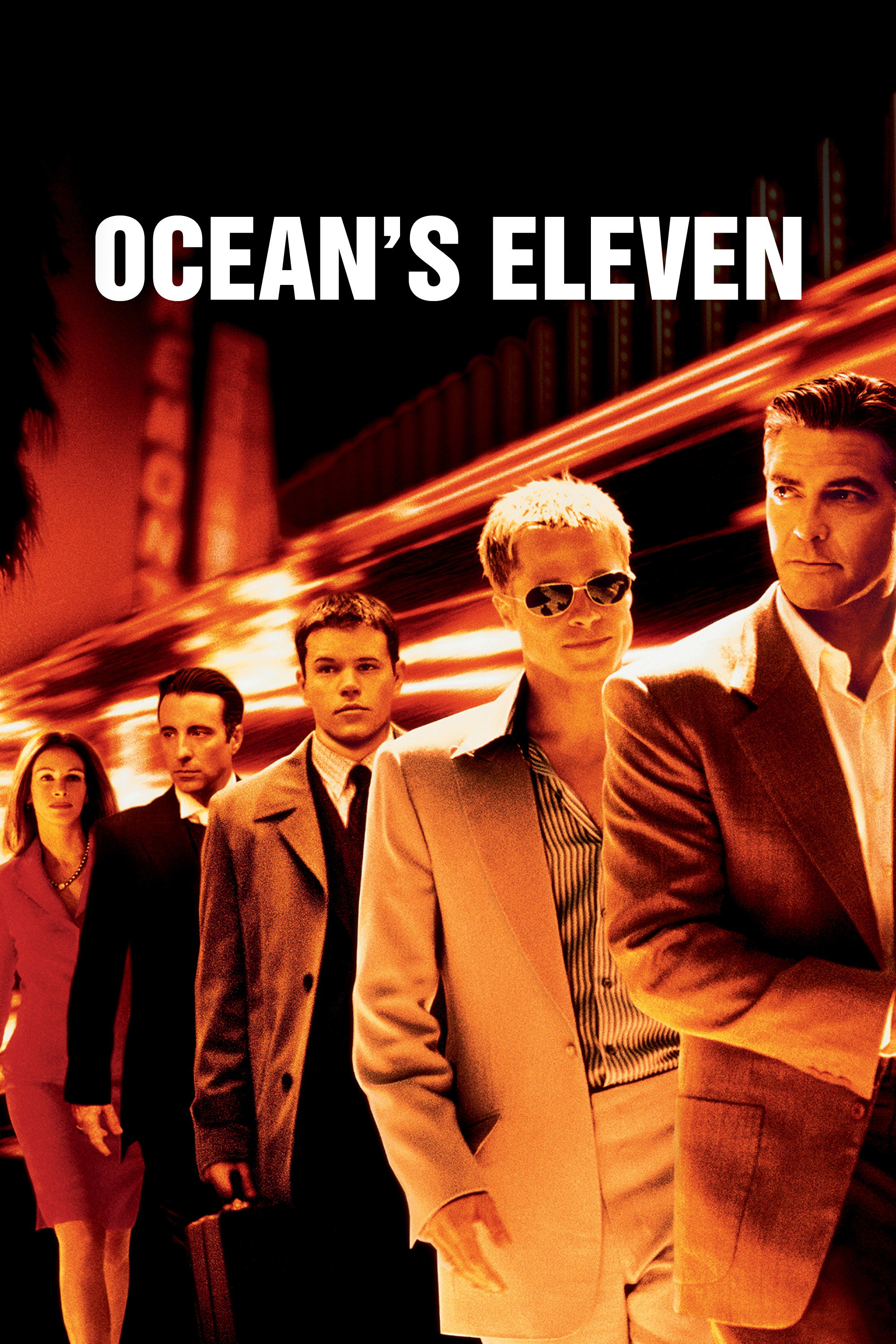
Ocean’s Eleven (2001) had a casino to beat and a wife to win. Ocean’s Twelve (2004) was a holiday the cast took without us. Ocean’s Thirteen returns to the floor with the stakes removed, and it runs 122 minutes and carries a PG, which is about right for a film in which the worst that can happen to anyone is losing at cards. Watch it at home, with a drink and someone who will not ask questions, and forgive it before it starts.