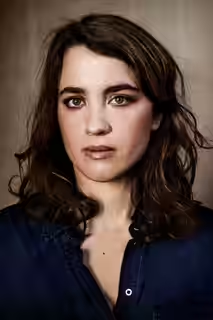
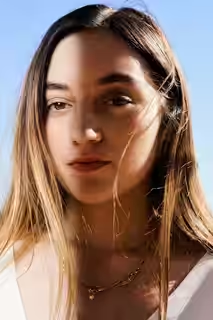
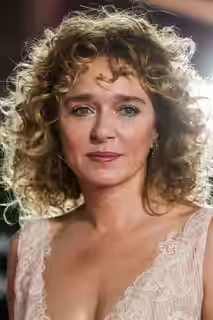
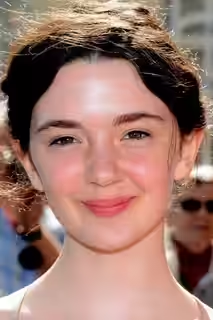
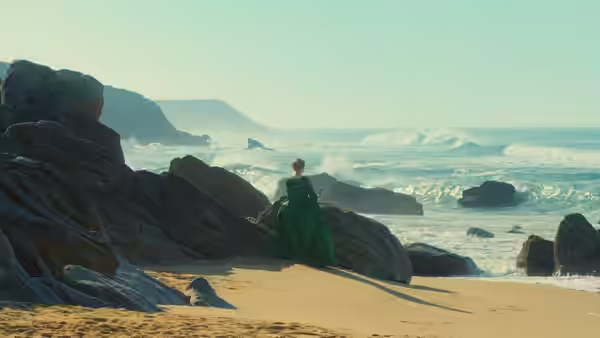
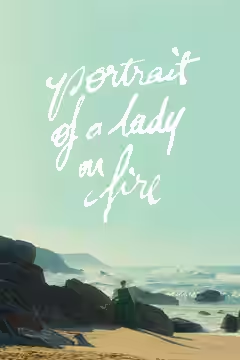
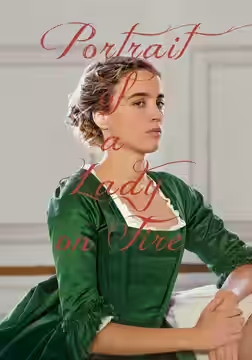
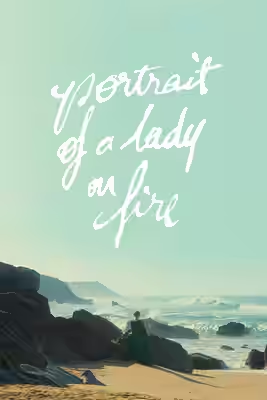
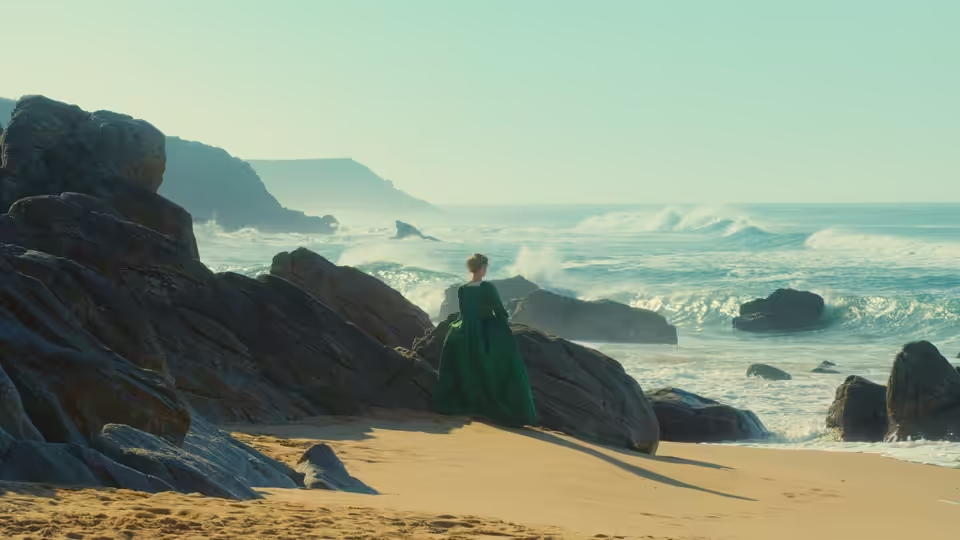
Héloïse (Adèle Haenel) in green dress stands on a rocky beach facing the sea
Film review

Portrait of a Lady on Fire

2019 · Directed by Céline Sciamma · 2h 01m

In a sentenceA portrait sitting that makes a returned glance feel almost indecent

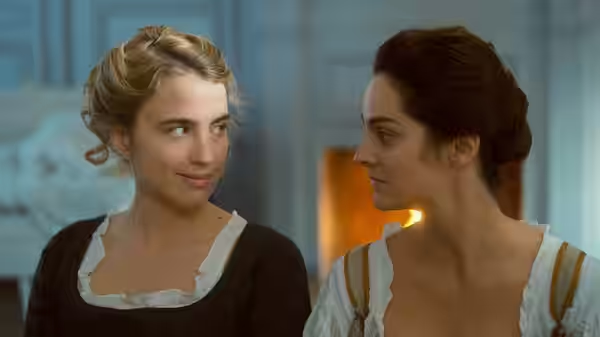
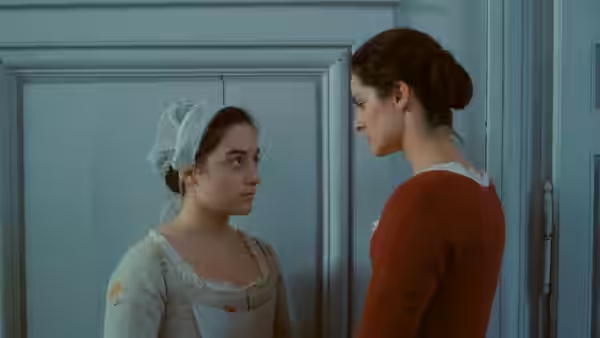
In 18th-century France, Marianne (Noémie Merlant) studies Héloïse (Adèle Haenel) for a portrait. Marianne needs to look closely enough to paint her subject, but Héloïse is also watching the woman watching her. Their acquaintance begins through the practical business of making an image and the guarded exchanges that accompany it. Sophie (Luàna Bajrami) is part of the small circle of women around them. As artist and subject pay closer attention to one another, attraction complicates the work, within a society that gives women little freedom to decide how they will live.

Plays from YouTube when you press play; nothing loads from them until then.

Fi1m review

Céline Sciamma makes the exchange of looks between an artist and her subject unusually absorbing, helped by Noémie Merlant and Adèle Haenel. Its restraint can feel over-managed, but the tenderness earns the attention it asks for.

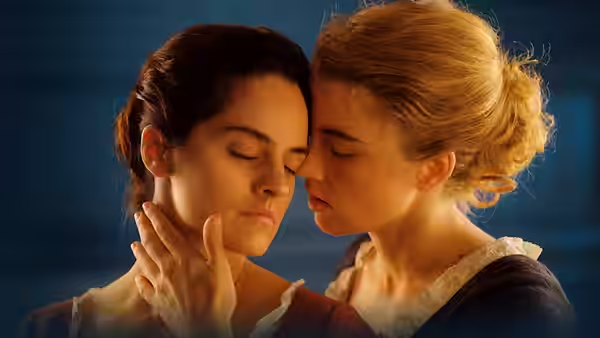
Portrait of a Lady on Fire is a deeply affecting romance, provided we accept how slowly Céline Sciamma wants an acquaintance to become intimate. An artist studies a woman for a portrait, and the woman studies her in return. The director, who also wrote the screenplay, makes that exchange carry a great deal: attraction, professional judgement and the awkwardness of discovering that someone has been paying attention. The pleasure lies in being allowed to notice these things before anyone puts them into words.

Noémie Merlant’s Marianne has the concentrated attention that makes the painting believable as work. Adèle Haenel’s Héloïse makes being watched feel like something she can answer, rather than simply endure. The performances keep us alert to small changes in their exchanges, without asking us to decode a separate meaning behind every blink. We felt almost shy watching them look at one another, because both actors make the attention so personal. The attraction is visible in the effort each makes to understand the other’s expression.

Claire Mathon’s cinematography gives the faces the same close consideration that the story gives the portrait. The compositions are exact, but there is room within them for a look to change our understanding of the person we are watching. Thomas Grézaud’s production design works with the spare staging, keeping the surroundings from becoming an exhibition that distracts from the women. We can enjoy the arrangement of a frame without losing track of the exchange taking place inside it. The faces remain the things we want to examine.

Julien Lacheray’s editing is patient about the looks and economical about moving between them. He allows the attraction time to become legible without making every pause seem equally important. There is little score across much of the film, with music credited to Para One and Arthur Simonini. That restraint works: music is not continually telling us how deeply we ought to feel. When it does arrive, we notice it with an alertness that continuous accompaniment would have worn away.

The director also gives the women a life together beyond the central courtship. Luàna Bajrami’s Sophie helps make their companionship feel valuable in itself, and her presence stops the romance from occupying every available inch of the film. The attention to women helping one another broadens the story without making their friendship seem like another subject to be covered. We understand why this company matters under restrictions that leave them so little freedom.

The reservation is that the director’s control sometimes becomes too apparent. There are stretches when the careful compositions and restrained performances seem so perfectly agreed that we want a little more clumsiness between the women. The link between making a portrait and getting to know someone can also feel too neatly worked out. At 121 minutes, the film asks for sustained attention, and impatience with its pace is understandable. We occasionally shared it, though the actors kept drawing us back.

Stories of forbidden love can become so busy establishing the obstacles that the attraction itself goes unattended. Here, the women have time to enjoy one another’s company, and that pleasure makes the restrictions on their lives more painful. Give it a quiet evening and let the looks last as long as they need to.
Critical consensus AI synthesised

89
Positive
16
Mixed
0
Negative
0

The reviews are uniformly positive, with praise centred on Sciamma’s direction, the chemistry between the two leads and the gradual development of their romance through looks and gestures. Most critics find the restraint emotionally powerful, and repeatedly single out the compositions, subtle performances and attention to female friendship. They also value the way artist and subject shape each other’s work, giving the film’s ideas about women’s agency a place within the love story.

Differences are chiefly matters of emphasis, with enthusiasm ranging from warm approval to unqualified praise. The Wrap foregrounds looking and collaborative creation over conventional romance, while Screen Daily particularly admires the decision to leave much of the film without a score. Reservations are scarce: /Film raises a minor objection to one explicit scene, but still praises the direction and chemistry. There is no substantial dissent over the film’s emotional force or its treatment of female desire.

Little White Lies
14 February 2020 · 5/5/5 · Katie Goh
100

The critic hails the film as one of the year’s very best and a quietly radical 18th-century love story. She singles out Sciamma’s modern, energetic filmmaking and the way it unearths suppressed female histories through careful observation and memorialisation.

Read the full review →
The i Paper
27 February 2020 · ★★★★★ · Demetrios Matheou
100

The critic calls it a sublime film and perhaps Sciamma’s best yet, praising her direction and the impeccable performances. They single out the gorgeous account of female camaraderie and solidarity alongside the romance.

Read the full review →
Time Out
15 May 2019 · ★★★★★ · Dave Calhoun
100

The critic praises the film as a masterclass of swelling passions in stifling restraint and Sciamma’s most cerebral work. He singles out its ideas about the female gaze, artists and muses, and the bold, proud evocation of female love and friendship with almost no men on screen.

Read the full review →
Evening Standard
28 February 2020 · David Sexton
90*

The critic praises the film as ravishing from start to finish and an absolute treat for anyone with a heart. They single out the intense, evolving looks and connection between the two female leads as the life of the story.

Read the full review →
The AV Club
6 December 2019 · A- · A.A. Dowd
90

The review calls it the year's most rapturously romantic movie, praising its gradual seduction, vivid imagery, and the way it explores seeing and knowing another person through the lens of a forbidden romance. It singles out the chemistry and ending for praise.

Read the full review →
Vulture
26 March 2020
90*

The critic finds it a grand romance that transforms from a story about looking into one of texture, mood, and sound, praising its structure, emotional arcs, and the powerful final shot. It singles out the intimate moments and the ending for praise.

Read the full review →

Straight answers AI written, from our review

Is Portrait of a Lady on Fire worth watching?
Portrait of a Lady on Fire is worth watching for anyone with patience for a romance told through looks rather than speeches, and we scored it 89. Noémie Merlant and Adèle Haenel make the exchange between painter and subject unusually absorbing, and the film is deeply affecting once it settles. Viewers who need pace will find its 121 minutes slow, and the control can feel too tidy.
How long is Portrait of a Lady on Fire, and what is it rated?
Portrait of a Lady on Fire runs 2h 01m. It is a drama and romance film.
Where can I watch Portrait of a Lady on Fire in Chile?
Portrait of a Lady on Fire is not on any streaming or rental service in Chile at the moment. It is available in 27 other countries; change your country at the top of the page to see where. Availability is checked daily.
How violent or frightening is Portrait of a Lady on Fire, and is it suitable for children?
Portrait of a Lady on Fire is neither violent nor frightening; it is a quiet 18th-century romance about a painter and her subject. It carries a 15 certificate in the UK and an R in the US, which mark it as a film for adults and older teenagers rather than children. Younger viewers are more likely to be bored than disturbed.
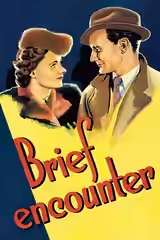
How does Portrait of a Lady on Fire compare to Brief Encounter?
Portrait of a Lady on Fire and Brief Encounter are both restrained romances in which good manners make desire harder to bear, but David Lean's is the tighter and more anxious of the two, and the one we would press on a stranger. Céline Sciamma's film is slower and more visual, built on watching rather than talk. Choose Lean for painful ordinariness, Sciamma for patient tenderness.
What should I watch after Portrait of a Lady on Fire?
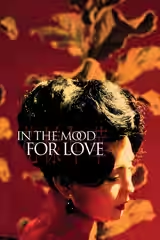
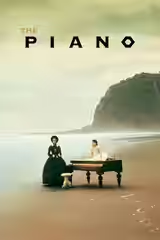
After Portrait of a Lady on Fire, try Brief Encounter (1945, Fi1m 90): Another restrained romance in which ordinary courtesy makes desire harder to bear. Then In the Mood for Love (2000, Fi1m 91): For patient attention to glances, shared spaces and the things lovers cannot say; and The Piano (1993, Fi1m 88): Another period romance where making art gives a woman room to express desire.

Cast

Awards

César Award for Best Costume Design, 2020

Nominated
César Award for Best Costume Design

Dorian Award for LGBTQ Film of the Year, 2019

Won
Dorian Award for LGBTQ Film of the Year

European Film Award for Best Actress, 2019

Nominated
European Film Award for Best Actress

European Film Award for Best Director, 2019

Nominated
European Film Award for Best Director

European Film Award for Best Screenwriter, 2019

Won
European Film Award for Best Screenwriter

European University Film Award, 2019

Won
European University Film Award

If you liked this, try…

  1. Brief Encounter (1945, Fi1m 90)Another restrained romance in which ordinary courtesy makes desire harder to bear.

  2. In the Mood for Love (2000, Fi1m 91)For patient attention to glances, shared spaces and the things lovers cannot say.

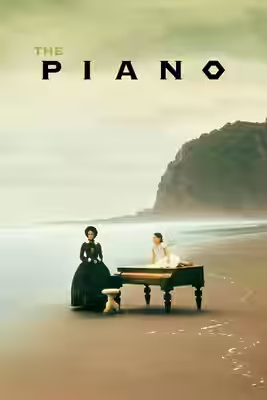
  3. The Piano (1993, Fi1m 88)Another period romance where making art gives a woman room to express desire.

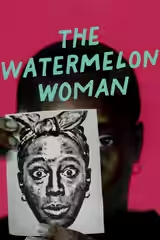
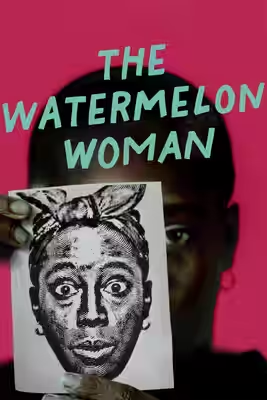
  4. The Watermelon Woman (1996) · not reviewed yetA filmmaker’s search for a forgotten actress links queer desire with neglected history.

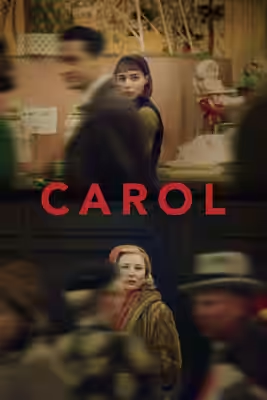
  5. Carol (2015, Fi1m 88)Two women learn to read each other while everyone else imposes limits.

Free account

Know what to watch tonight

Two lists that know where things are streaming, collections you can share, your own score beside ours, and Discover that remembers what you have seen.

  • Want to see, sorted by what is streaming now
  • Seen, with your score out of ten
  • No adverts, ever