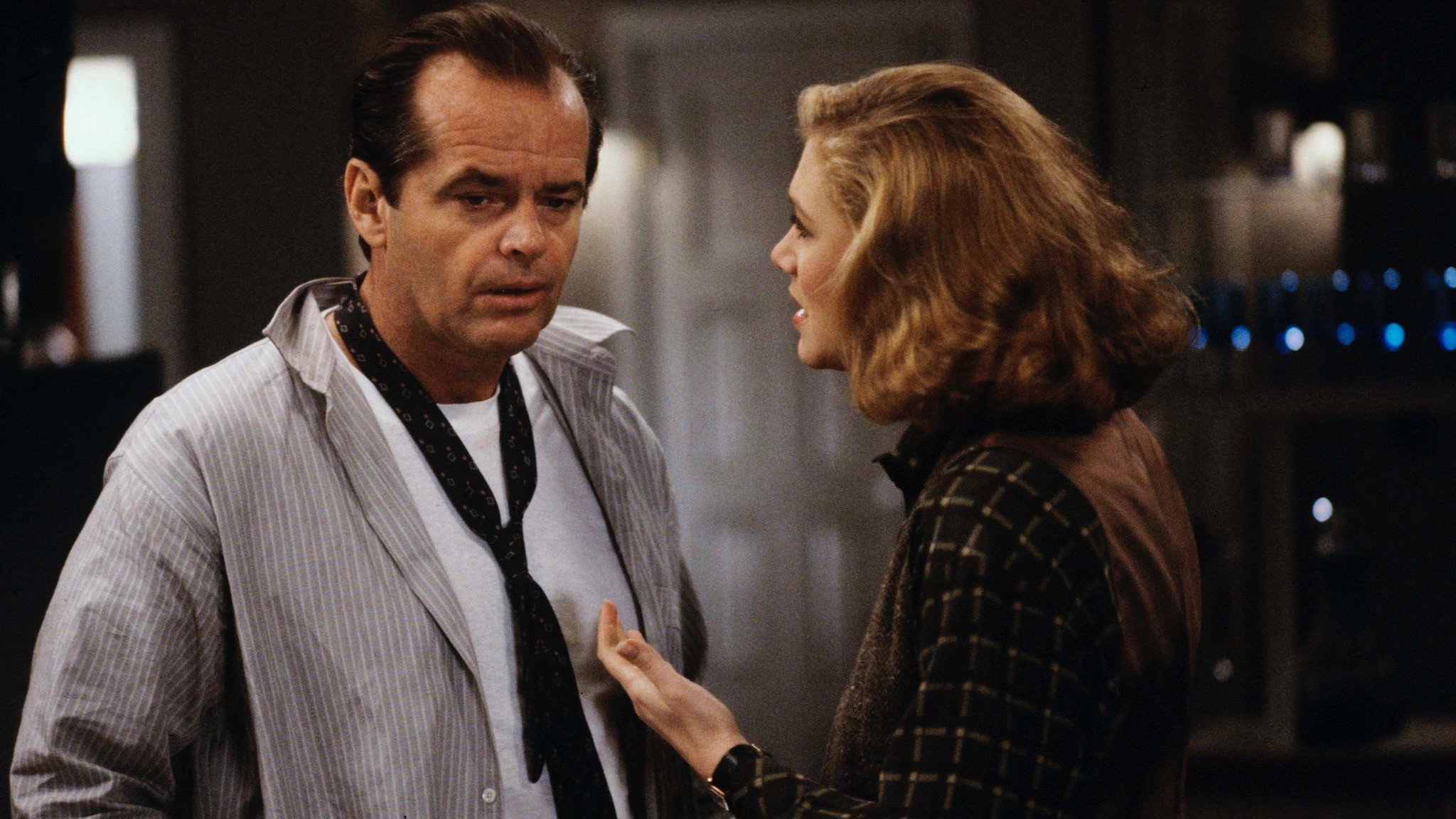
John Huston’s Prizzi’s Honor is a sly, funny crime romance that takes its killers’ feelings seriously. The plotting needs patience, but Jack Nicholson and Kathleen Turner make the courtship worth following even when the family business gets cumbersome.
Prizzi’s Honor is a dark comedy worth seeing for how calmly John Huston lets its hired killers consider themselves suitable romantic partners. Charley Partanna and Irene Walker have good reason to understand each other’s working lives, which hardly makes falling in love straightforward. The film gives their feelings proper weight without asking us to forget their profession. Huston finds plenty to laugh at in the arrangement, and much of the pleasure comes from watching people discuss murder with the seriousness they bring to family obligations.
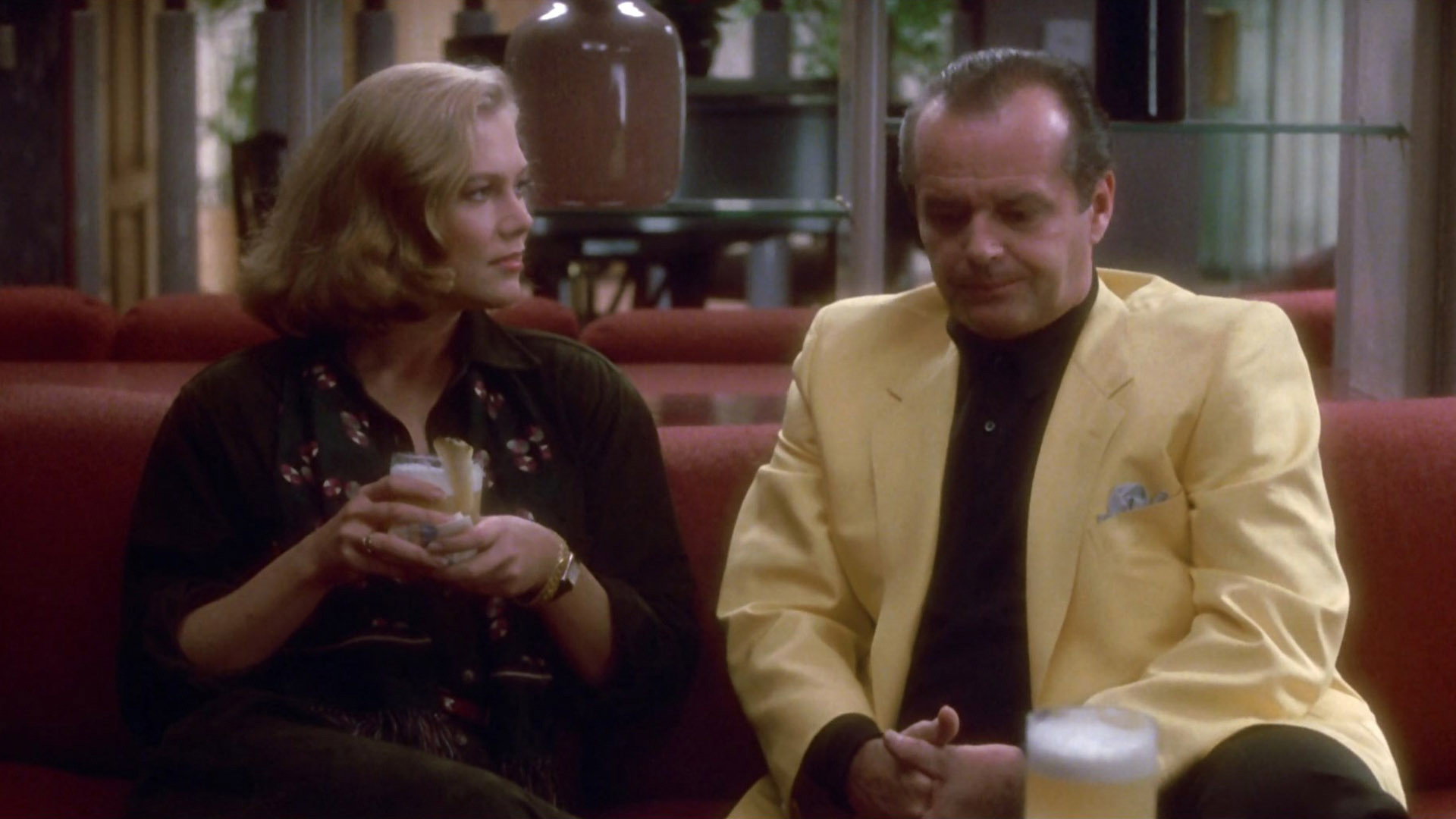
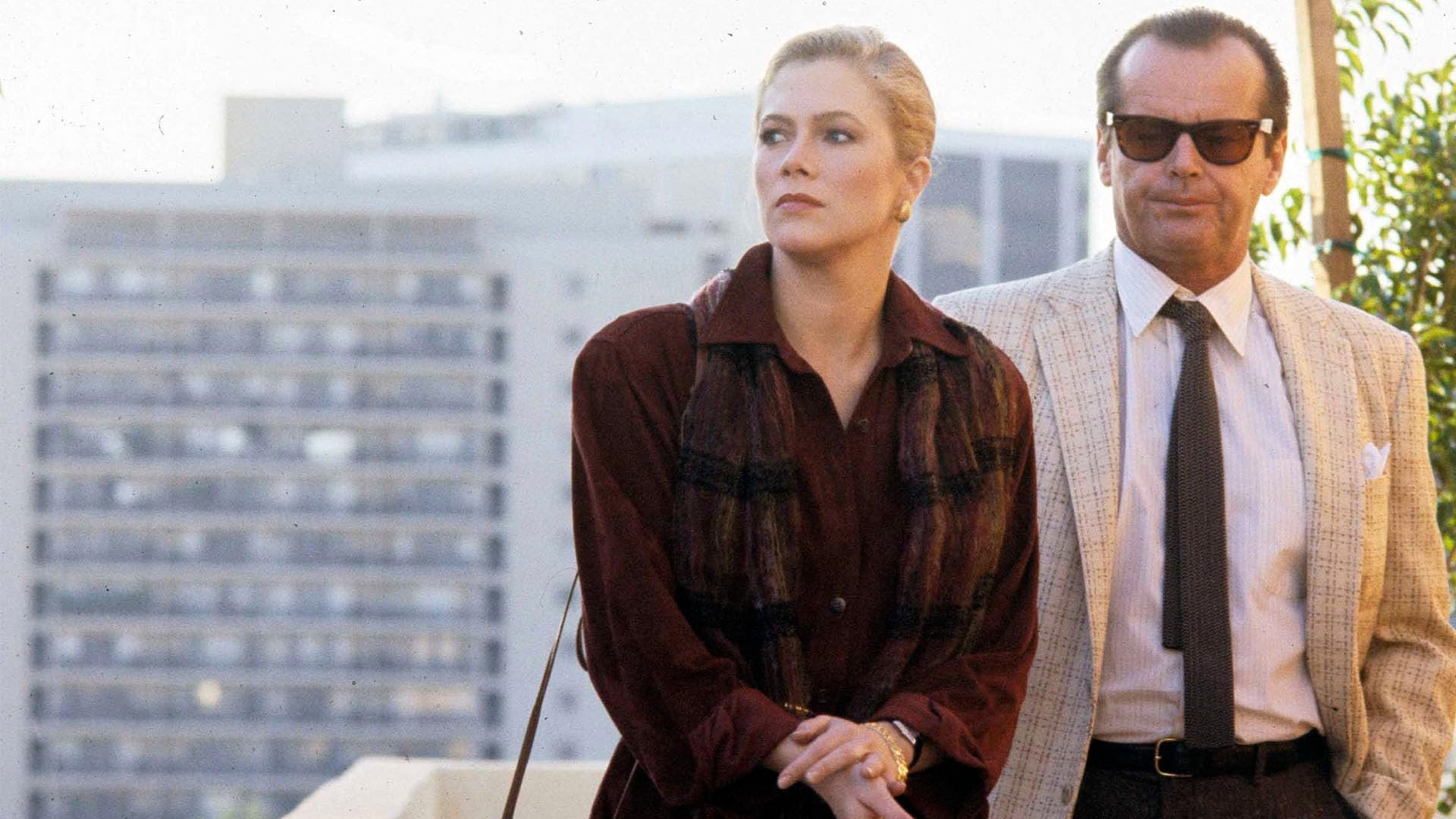
Jack Nicholson makes Charley a slow-thinking man whose solemnity can be funny without a line needing to announce the joke. His gangster accent is conspicuous, and the deliberate stiffness occasionally feels like more acting than the character needs. We were surprised to find ourselves touched by his courtship. Nicholson lets Charley’s romantic eagerness show through the heavy manner, giving us a reason to care about this hired killer’s happiness. That makes the scenes with Kathleen Turner’s Irene more involving than the premise alone would suggest.
Turner’s Irene has an assurance that keeps the romance from becoming an extended Nicholson routine. She holds our attention without needing to match his mannerisms, and their differences give the courtship much of its humour. Richard Condon and Janet Roach’s screenplay, adapted from Condon’s novel, makes room for the Prizzi family without reducing the lovers to pieces in a crime plot. The conversations about loyalty matter because Huston has persuaded us to take the relationship seriously.
Andrzej Bartkowiak’s cinematography serves the comedy by keeping our attention on the people doing the talking. So much depends on watching a face while someone weighs an apparently reasonable proposition with an appalling consequence. J. Dennis Washington’s production design keeps these rooms convincing as places where business gets done, allowing the conversations to become more outrageous without making the whole setting feel like a joke. Huston is comfortable letting an exchange between seated people supply the action.
Editors Rudi Fehr and Kaja Fehr handle the changes from romance to threat without making either seem misplaced. They are less successful at keeping the complicated plotting brisk. At 124 minutes, the film occasionally makes us wait too long between the sharper exchanges, and following the business dealings becomes work. Alex North’s music suits the lovers’ heightened seriousness, though we sometimes wanted it to give the performances more room. The actors are quite capable of making the courtship funny and troubling without encouragement.
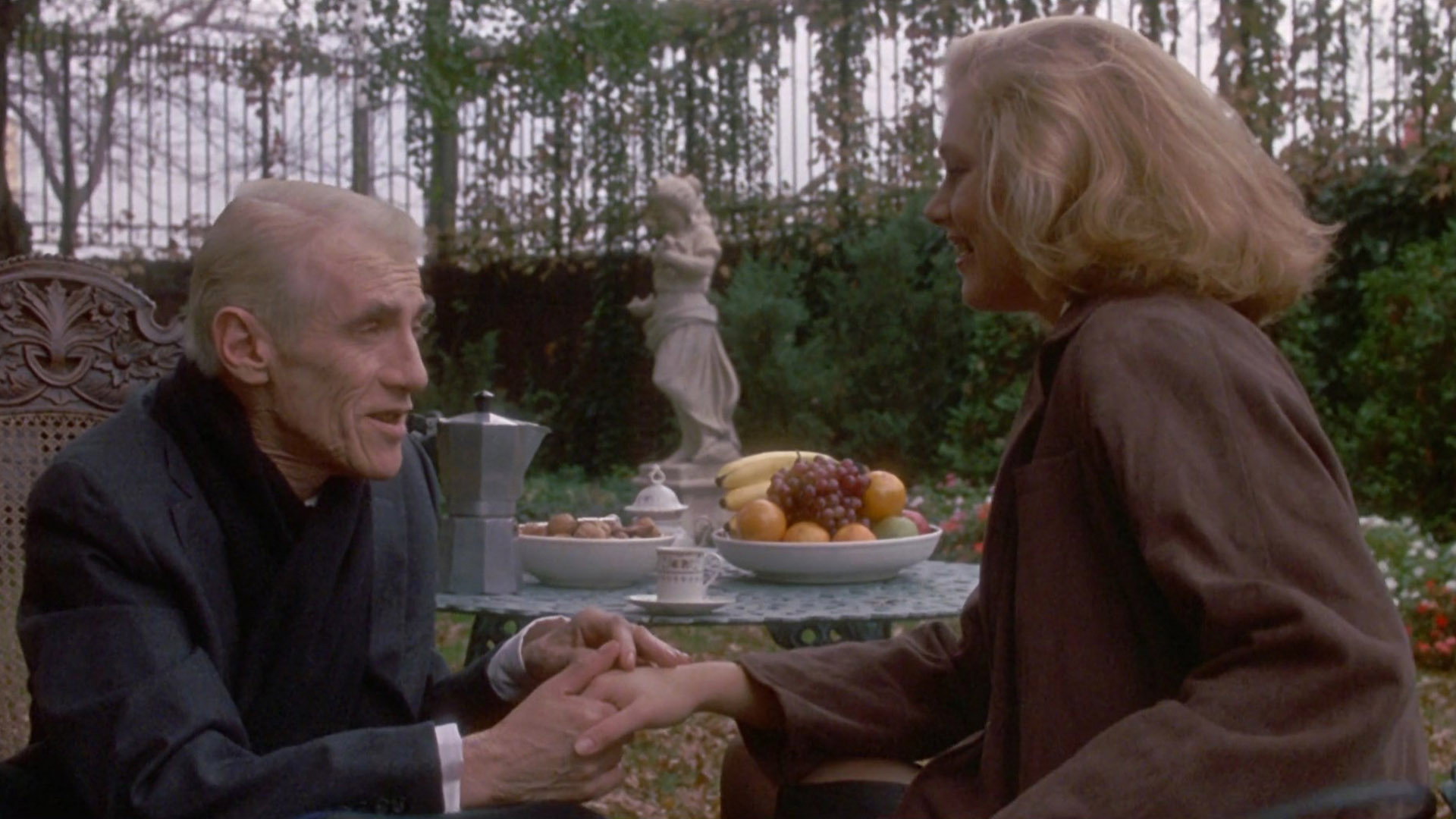
Anjelica Huston’s Maerose Prizzi and William Hickey’s Don Corrado Prizzi help keep the family from becoming a vague pressure somewhere off screen. Hickey makes authority feel peculiar and faintly unnerving, while Anjelica Huston’s watchfulness keeps drawing our attention. The film needs this wider company because the lovers’ obligations must matter as much as their attraction. The supporting performances give the family scenes their own comic interest.
Gangster comedies can become cosy once the criminals start behaving like relatives we recognise. Huston lets that familiarity remain uncomfortable, and refuses to make his killers harmless for the sake of an easier laugh. The patience required is mostly repaid by the attention given to these people and their alarming ideas about loyalty. See it for the courtship, and allow the family a little too much time to explain itself.