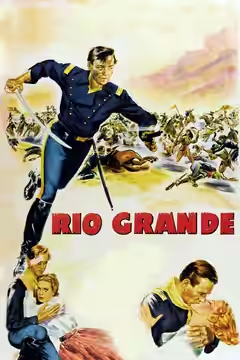
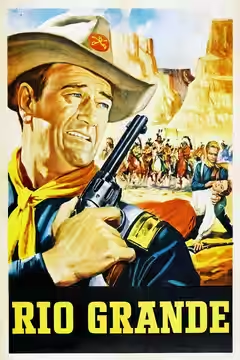
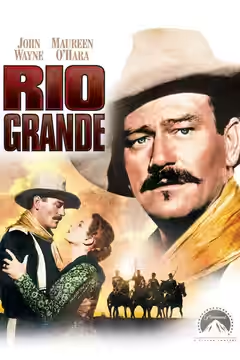
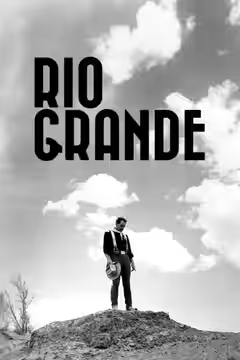
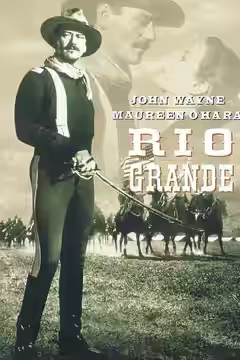
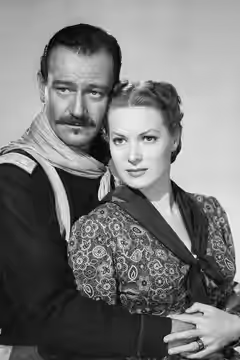
John Ford’s cavalry Western is warm, leisurely and at its most persuasive when John Wayne meets Maureen O’Hara’s stubborn pride. The romance earns our affection; the military reverence occasionally takes it for granted.
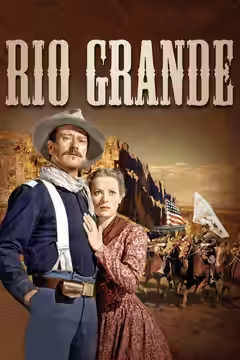
Rio Grande is a good Western whose romance gives us the strongest reason to stay with it. John Ford understands the attraction of military honour, open country and people who find admitting affection difficult, and he lets them occupy the same film without hurrying. The ease is appealing, though it sometimes becomes complacency. Across 105 minutes, there is enough warmth and humour to forgive the stretches when admiration for the cavalry feels rather too automatic.
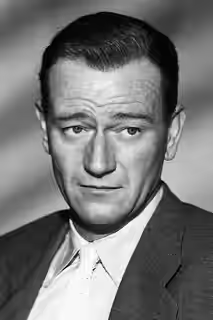
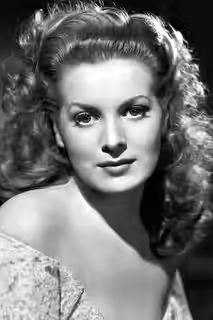
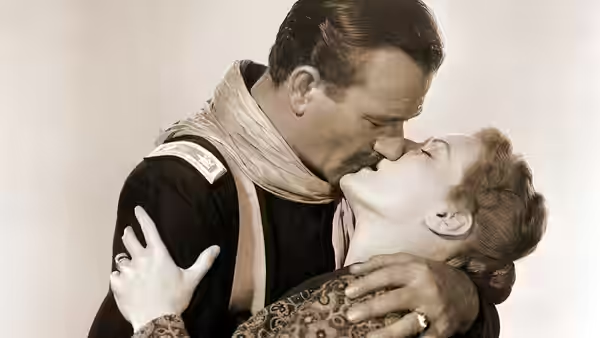
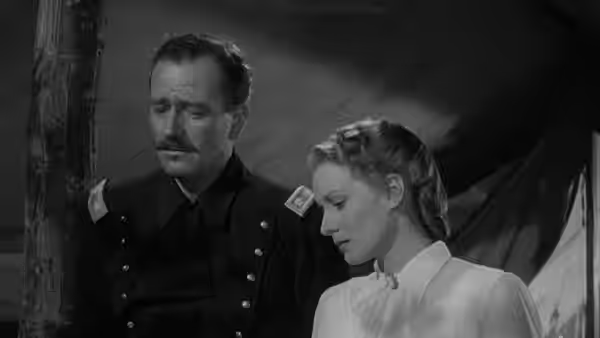
John Wayne’s Lt. Col. Kirby Yorke has the authority we expect from the rank, but Maureen O’Hara’s Mrs. Kathleen Yorke gives him someone who cannot simply be commanded. Their matching pride makes the romance credible: affection does not conveniently remove the difficulty of dealing with another person. We were moved by their stubbornness, because neither makes giving ground look easy. O’Hara is especially good at keeping Kathleen’s resistance alive without making the relationship feel like a contest arranged for Wayne to win.
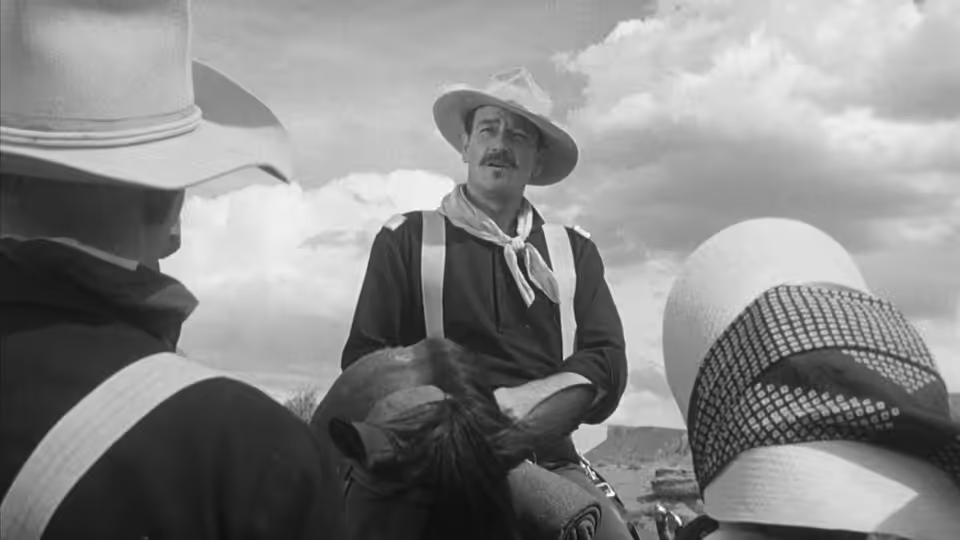
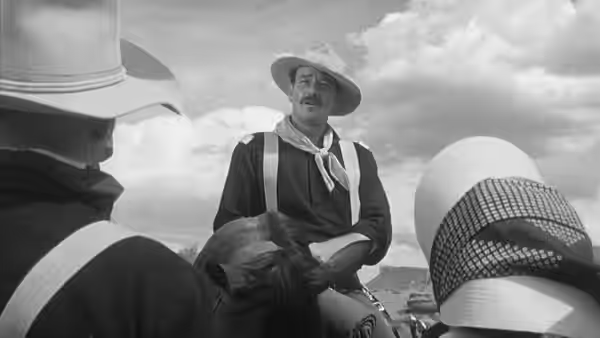
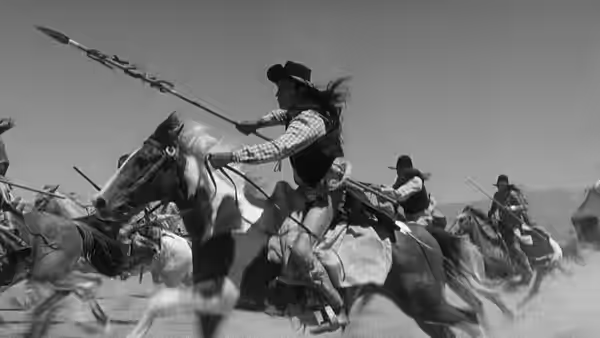
Bert Glennon’s black-and-white cinematography gives the Southwestern country enough presence to make the attraction of this life understandable. The landscape is worth lingering over, and Ford does not treat that pleasure as something requiring an apology. There is a reassuring solidity to the military setting, helped by Adele Palmer’s costume design and the clear distinctions of rank. The danger is that such an agreeable place to spend time can make us less curious about the men who belong to it.
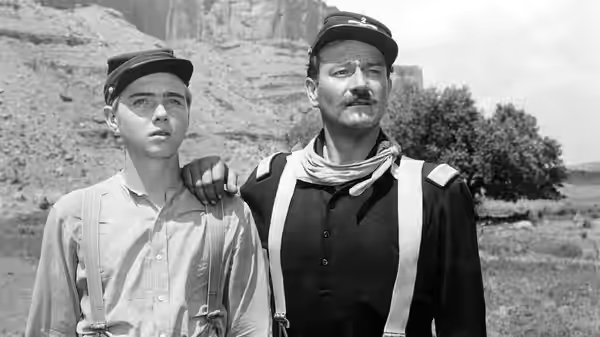
James Kevin McGuinness’s screenplay is warmest when pride becomes a practical nuisance between people. Its humour keeps the men of honour from becoming entirely solemn company, and Ford’s fondness for them is easy to share. Yet the film is less searching about their values than it might be. We can enjoy the decency being offered and still wish the writing would make these men explain themselves a little more, rather than count on our approval of their profession.
Jack Murray’s editing accommodates the leisurely pace, giving the film room to enjoy its company rather than constantly pushing towards the next incident. That works for the romance, where haste would make the stubbornness seem trivial; elsewhere, the relaxed rhythm allows the film to drift. Victor Young’s music is similarly generous with feeling, sometimes more generous than the acting requires. With Wayne and O’Hara already supplying so much through their opposition, the score’s encouragement can seem unnecessary.
Westerns allow a great deal of bad behaviour to pass under the name of pride, and Ford is alert to how awkward that quality becomes between people who care for each other. That is the part of Rio Grande worth making time for, even if the cavalry business is what first attracts us. Expect a leisurely evening, and leave room for a romance in which nobody much enjoys being wrong.