Paul Brickman’s sex comedy is funny, uneasy and alert to the money behind the pleasure. Tom Cruise and Rebecca De Mornay make it worth the evening, though its sympathy for its prosperous young hero sometimes blunts the satire.
Risky Business is a funny, disquieting comedy about a teenager discovering how closely sex and money can be connected. Paul Brickman, writing and directing, uses the prospect of sex to get Joel Goodson interested in the adult world, then makes money increasingly hard to ignore. We recommend it, with a reservation about how much concern it expects us to spare for its comfortable young hero. The film understands his appetite for experience and his fear of looking foolish. It gives considerably less attention to the needs of the people who must deal with him.
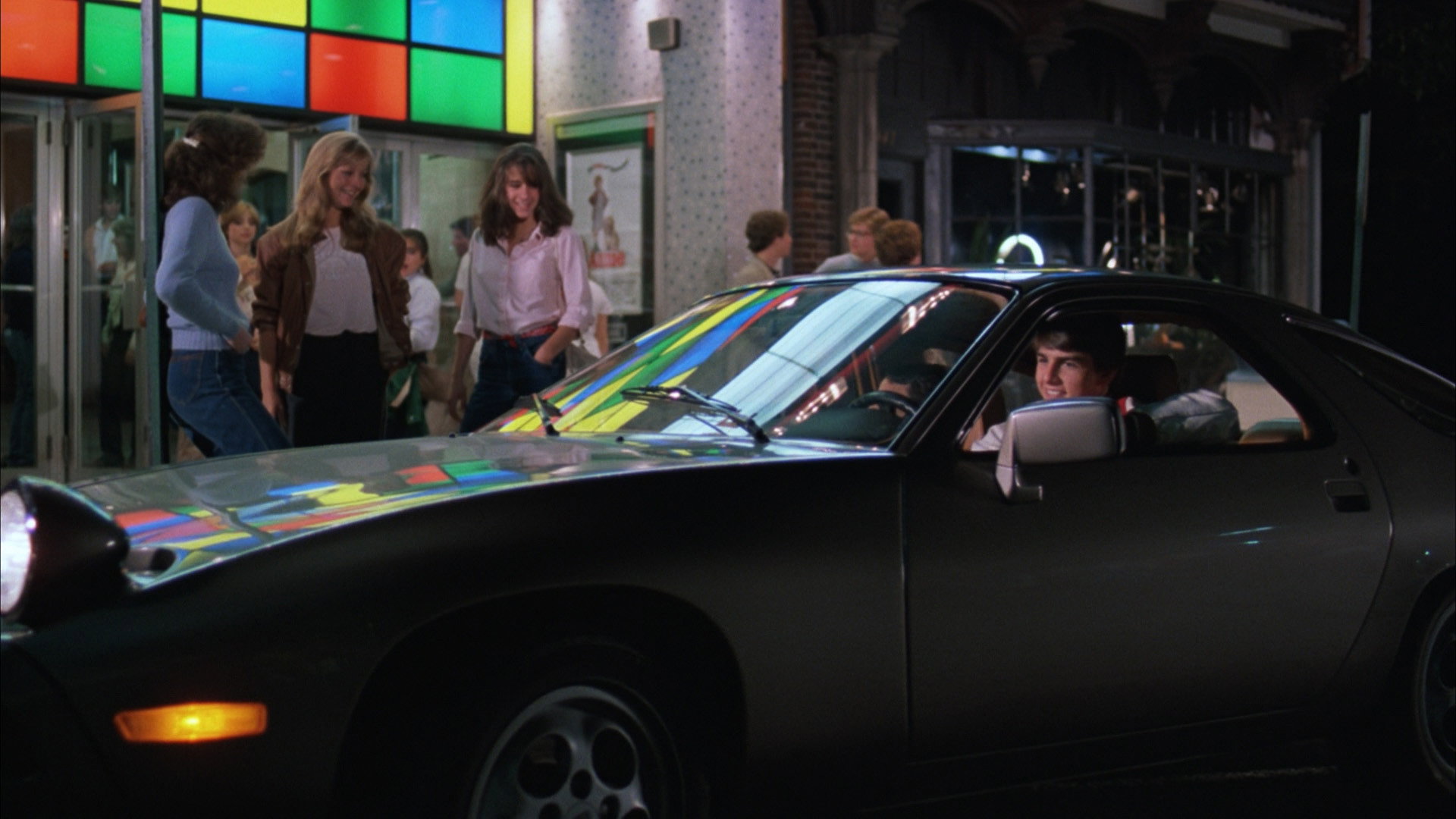
Joel hires Lana, played by Rebecca De Mornay, and the casting gives Brickman’s comedy a useful imbalance. Tom Cruise makes Joel’s inexperience awkward without asking us to find every blunder lovable. De Mornay gives Lana a composure that prevents her from becoming merely a reward for his curiosity. We felt uneasy when Joel hires her, because Cruise makes paying for sex look like another task the boy hopes to get right. The transaction remains troubling even when the film invites us to enjoy their attraction.
Cinematographers Bruce Surtees and Reynaldo Villalobos give the film a polished surface that suits a story about wanting things. The gloss has a purpose: it makes Joel’s comfortable surroundings appealing enough for us to understand his reluctance to put them at risk. William J. Cassidy’s production design gives the parents’ home weight in that calculation. We keep noticing how much the boy already has before he starts worrying about what he lacks.
Richard Chew’s editing helps the comedy hover uncomfortably between embarrassment and danger, giving Joel’s uncertainty time to register. The music credited to Christopher Franke, Johannes Schmölling and Edgar Froese is just as important. Its reflective mood makes the pursuit of pleasure feel oddly lonely, encouraging us to consider what Joel is paying for while he struggles with the practicalities. The music allows a degree of sadness into scenes that could have settled for making us laugh at his inexperience.
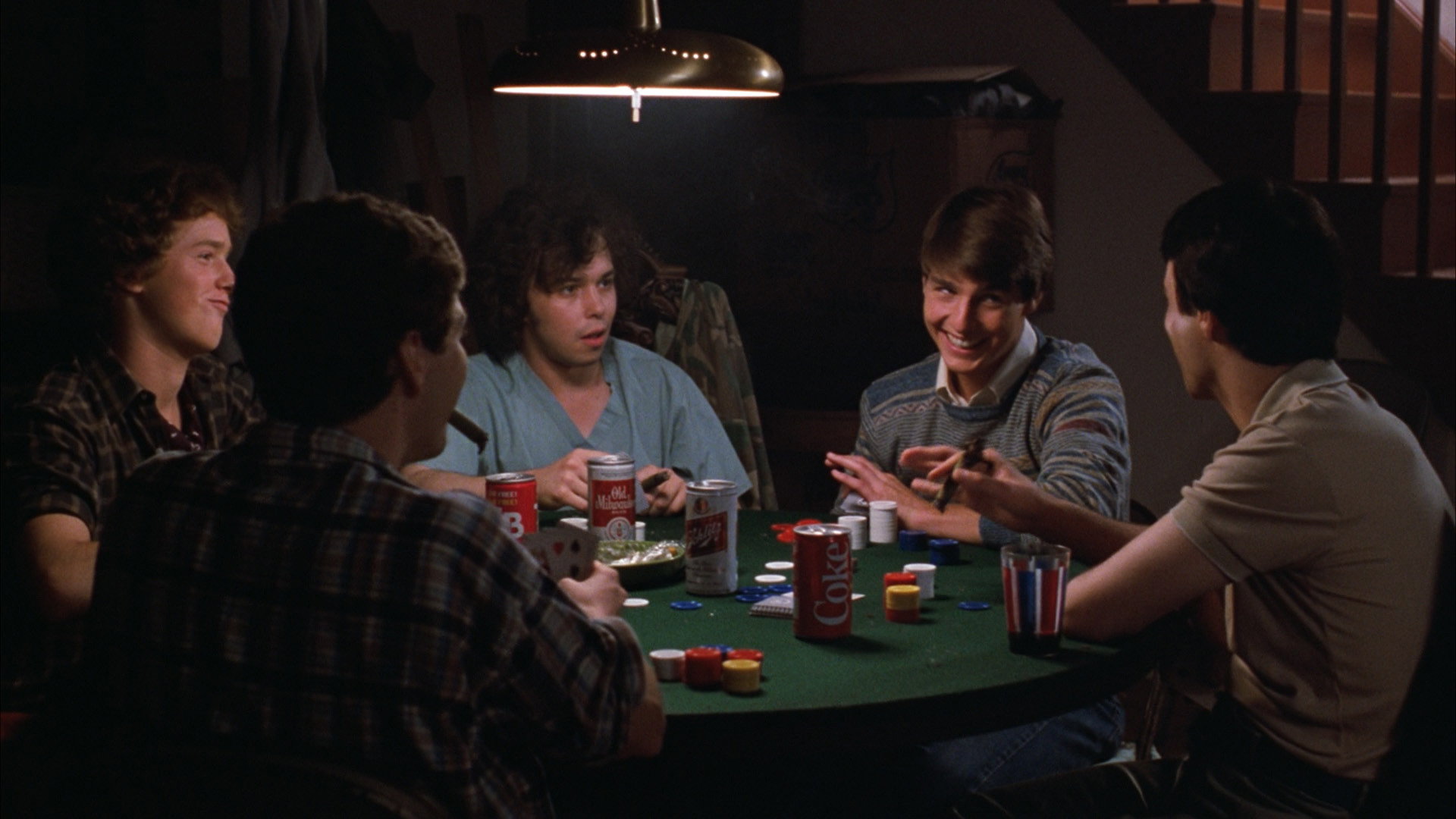
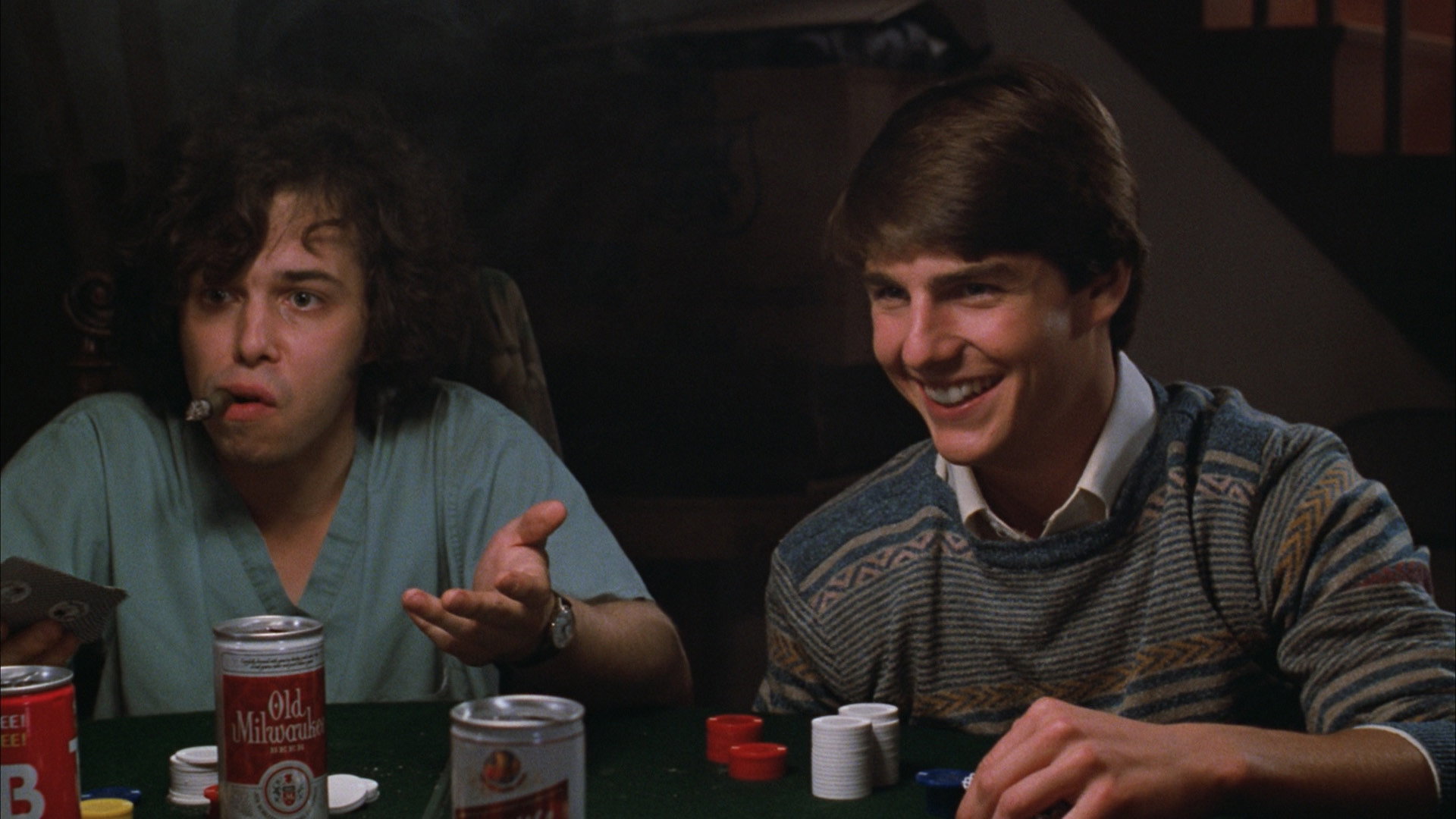
Brickman’s writing is sharpest when the boy’s sexual curiosity and the pressure to succeed begin to sound much the same. His dialogue lets greed sit close to guilt, without requiring Joel to announce that he represents anything. As a teenage sex comedy, the film takes an unusually sustained interest in what its hero is learning from adult priorities. Price and status keep intruding on the pursuit of pleasure. That makes the humour uncomfortable in a productive way, even when Joel’s immediate predicament is small.
The limitation is how firmly the film stays with him. De Mornay is good enough to suggest a person with concerns beyond Joel, but Brickman gives his anxieties far more attention than hers. The glossy treatment can also make the comfortable life under scrutiny look like something we are simply meant to covet. We need not dislike Joel for the satire to work, but the film is occasionally too solicitous about keeping us on his side. His worries about getting into trouble receive more sympathy than they warrant.
At 98 minutes, there is enough wit and unease here to make that narrowness forgivable. The familiar promises of a teenage sex comedy are handled with a seriousness that does not kill the jokes. The attraction between the leads also survives the film’s persistent interest in what things cost. See it for Cruise and De Mornay; patience with a prosperous teenager’s problems will help.