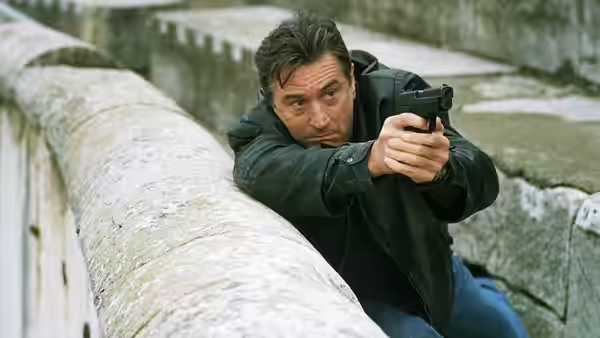
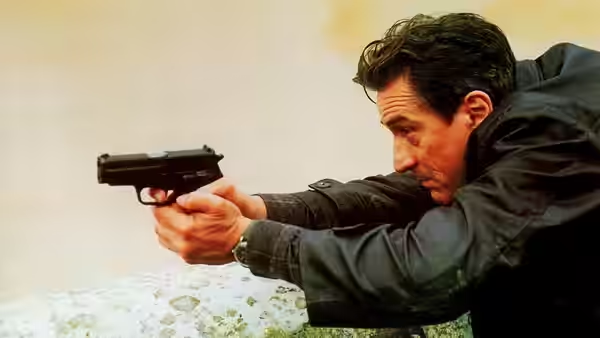
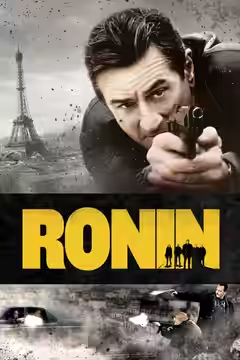
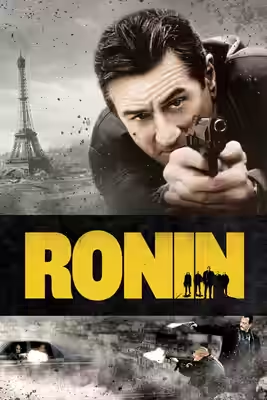
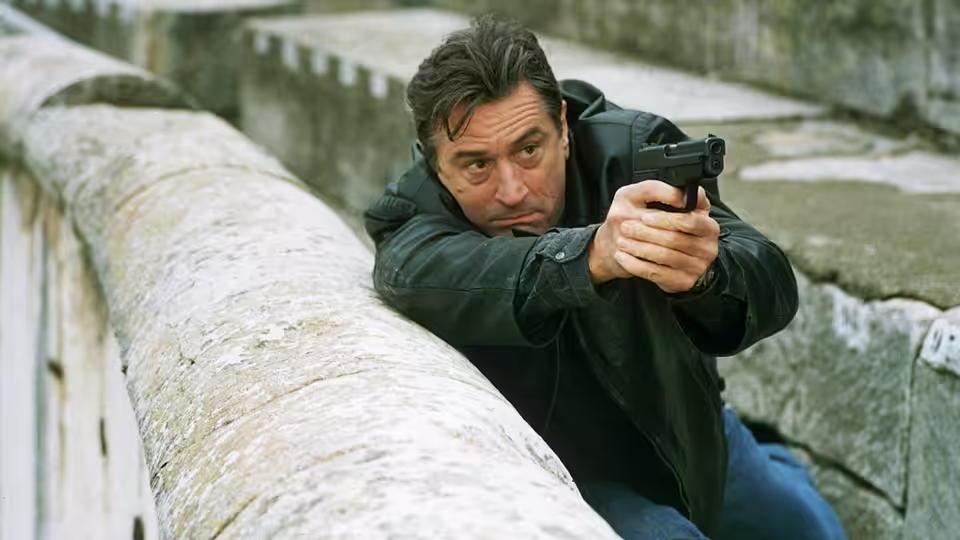
Sam (Robert De Niro) aiming a pistol over a stone ledge
Film review

Ronin

1998 · Directed by John Frankenheimer · 2h 02m

In a sentenceThese people trust their brakes more than their colleagues, and we can see their point

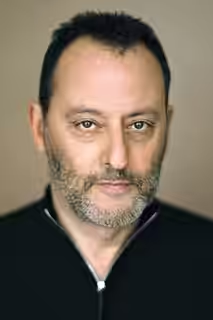
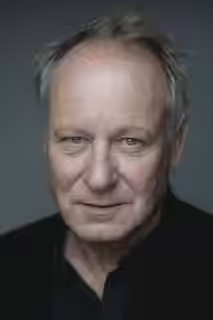
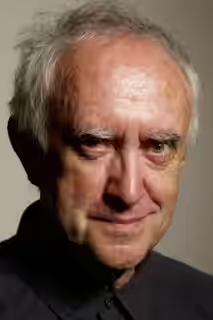
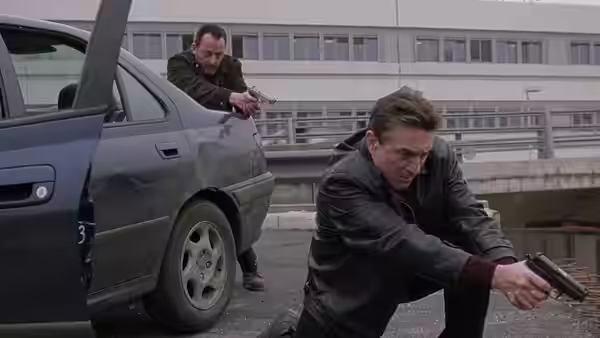
Sam (Robert De Niro) and Vincent (Jean Reno) operate in a post-Cold War world of espionage, theft and shifting loyalties. A criminal job brings together people whose professional experience offers no guarantee that they can trust one another. Natascha McElhone plays Deirdre, alongside Stellan Skarsgård as Gregor, Skipp Sudduth as Larry and Sean Bean as Spence; Jonathan Pryce appears as Seamus O’Rourke. John Frankenheimer directs a thriller that follows the intrigue into car chases, with its characters’ judgement and nerve put under pressure as allegiances become harder to read.

Plays from YouTube when you press play; nothing loads from them until then.

Fi1m review

John Frankenheimer’s Ronin is a tense, satisfying thriller whose car chases justify the attention paid to them. The plotting is less reliable, but Robert De Niro and Jean Reno make the company worth keeping.

John Frankenheimer’s Ronin is a tense, skilful thriller with car chases that earn their length and characters who could use a little more attention. It takes the business of espionage and theft seriously, without treating the people involved as glamorous. Much of the pleasure comes from watching a cast make professional caution interesting. We recommend it for that and for the action, with no promise that every complication in the screenplay will reward close inspection.

Robert De Niro’s Sam and Jean Reno’s Vincent give the film its most dependable company. Both performances are restrained, and the rapport between them gives us something to care about amid the changing allegiances. They suggest experience without insisting on our admiration, which helps when the writing supplies so little personal history. There is dry pleasure in their lack of fuss: these are actors comfortable allowing alertness and fatigue to do some of the work.

The car chases justify the film’s reputation for action. We caught ourselves bracing during them, because the speed looks dangerous and the cars have a convincing sense of weight. Robert Fraisse’s cinematography makes that physical danger legible, while Antony Gibbs’s editing keeps the pursuit urgent without making the movement seem arbitrary. We can follow enough of the driving to appreciate the skill involved, and still worry about a collision. Frankenheimer allows driving itself to hold our attention.

Michael Z. Hanan’s production design supports the unglamorous mood; the surroundings never seem to be competing with the people for our attention. That helps keep the intrigue down to a human scale, even when the plotting becomes elaborate. Elia Cmiral’s music sustains the unease effectively without making the work seem noble. These are sensible choices for a film whose appeal depends so much on believing that its people have done this sort of thing before.

The screenplay by J. D. Zeik and David Mamet is less dependable. Shifting loyalties keep the intrigue moving, but too often a fresh complication arrives before the previous one has acquired much importance. We understand that distrust is part of the pleasure; we do not need everybody’s childhood explained. Even so, the film asks for sustained interest in characters it has given us little reason to know, and the persuasive performances cannot always make up the difference.

Natascha McElhone, Stellan Skarsgård and Sean Bean help give the ensemble a sense of distinct personalities, even when the roles remain underwritten. Frankenheimer trusts faces and behaviour to carry scenes that another thriller might fill with explanations or jokes. That straight-faced approach suits this throwback to the international crime thriller, and the film rarely seems embarrassed by its familiar ingredients. It can be excessively solemn, but the absence of constant self-mockery is welcome.

At 122 minutes, Ronin has enough time to expose those thinly written characters, and there are stretches when the next pursuit cannot come soon enough. Yet the action is rewarding enough to make that a forgivable limitation. Frankenheimer gets considerable suspense from the possibility that a skilled person may make a mistake at speed. Choose it when a tense, straight-faced thriller sounds appealing, provided that the driving matters more to the evening than anybody’s private life.
Critical consensus AI synthesised

66
Positive
7
Mixed
1
Negative
2

Most critics welcome Ronin as an old-fashioned thriller whose appeal rests on practical skill and a lack of fuss. Praise clusters around Frankenheimer’s direction and the car chases, which the reviews repeatedly describe as convincing, forceful and central to the film’s pleasure. The cast also earns approval for its professionalism and camaraderie, with De Niro and Reno helping to make the shifting loyalties engaging even when the plotting strains belief.

The spread is wide, however, and the main reservation is that the action has more substance than the characters. Several otherwise favourable reviews find limited depth, thin drama or a plot that does not quite sustain interest. Total Film admires the traditional action technique but finds the script too weak to support it. Time Out dissents more sharply, dismissing the performances and camerawork as well as finding that even the chases become tiresome.

Los Angeles Times
25 September 1998 · Kenneth Turan
85*

Turan called it an old-fashioned thriller efficiently brought up to date. He praised the tense, world-weary characters and the impressive realistic car chases.

Read the full review →
The New Yorker
28 September 1998 · Anthony Lane
80*

Lane found the film enjoyable overall, especially its multiple excellent car chases. He noted its democratic feel and Frankenheimer's return to form.

Read the full review →
RogerEbert.com
25 September 1998 · Roger Ebert
75*

Ebert enjoyed the film for its skill and its silliness. He praised the convincing cast and Frankenheimer's visual style while noting the action makes little sense.

Read the full review →
The Guardian
20 November 1998 · Xan Brooks
70*

The critic finds Ronin a straightforward, authentic thriller that plays its familiar elements with a straight face and no irony, emerging slightly better than the paired film Rounders. Frankenheimer's direction is praised for its dunder-headed authenticity and effective car chases.

Read the full review →
Variety
14 September 1998 · Todd McCarthy
70*

McCarthy viewed it as a pleasurable throwback to 1960s gritty international thrillers. He praised the potent action and shifting loyalties but noted the characters lack depth or resonance.

Read the full review →
Empire
1 January 2000
60*

The critic finds Frankenheimer's spy-heist thriller noticeably old-school and praises solid performances from De Niro and Reno along with the ace car chases, but notes the plot lacks enough dynamism to make it memorable.

Read the full review →

Straight answers AI written, from our review

Is Ronin worth watching?
Ronin is worth watching for anyone who wants a tense, straight-faced crime thriller with car chases that earn their length, and we scored it 80. Robert De Niro and Jean Reno make professional caution good company, though the screenplay piles up complications faster than it makes us care about them. Choose it when the driving matters more than anybody's private life.

How long is Ronin, and what is it rated?
Ronin runs 2h 02m. It is an action and thriller film.
Where can I watch Ronin in Thailand?
Ronin is available to rent from Apple TV from ฿99.00. Availability is checked daily; the links above go straight to each service.
How violent or frightening is Ronin, and is it suitable for children?
Ronin carries a UK 15 certificate, so it is not for children, and its appeal rests on shootings, betrayals and car chases that look dangerous. We found ourselves bracing during the pursuits because the speed and the weight of the cars feel real. Older teenagers who can take an unglamorous thriller about theft and violence should be fine; the squeamish may find the collisions hard going.
How does Ronin compare to Infernal Affairs?
Ronin is the more physical of the two, built around car chases and a mercenary crew who cannot trust one another, while Infernal Affairs keeps its danger personal through two undercover leads whom deception is wearing down. Both take professional competence seriously and doubt that it settles loyalty. We think the Hong Kong film is the tighter piece of storytelling; Ronin is the better evening if the action is the point.
What should I watch after Ronin?
After Ronin, try Infernal Affairs (2002, Fi1m 87): Another tense Hong Kong thriller where professional competence cannot settle questions of loyalty. Then Headhunters (2011, Fi1m 80): Norwegian crime turns nastier and funnier, with a thief badly overestimating his control.

Cast

Awards

Saturn Awards, 1998

Nominated
Best Action or Adventure Film

If you liked this, try…

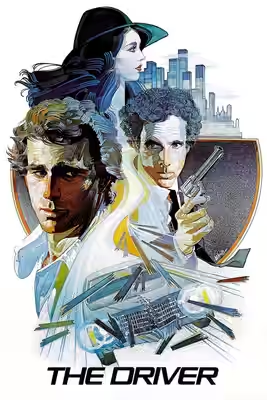
  1. The Driver (1978) · not reviewed yetFor similarly spare characters and car chases built around nerve and precision.

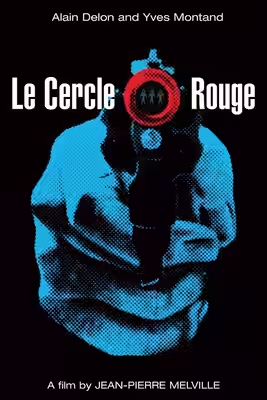
  2. Le Cercle Rouge (1970) · not reviewed yetAnother patient crime thriller where professional competence offers limited protection against other people.

  3. Infernal Affairs (2002, Fi1m 87)Another tense Hong Kong thriller where professional competence cannot settle questions of loyalty.

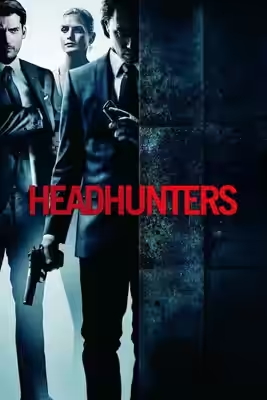
  4. Headhunters (2011, Fi1m 80)Norwegian crime turns nastier and funnier, with a thief badly overestimating his control.

  5. The Train (1964) · not reviewed yetFrankenheimer makes machinery, geography and human stubbornness the basis of wartime suspense.

Free account

Know what to watch tonight

Two lists that know where things are streaming, collections you can share, your own score beside ours, and Discover that remembers what you have seen.

  • Want to see, sorted by what is streaming now
  • Seen, with your score out of ten
  • No adverts, ever