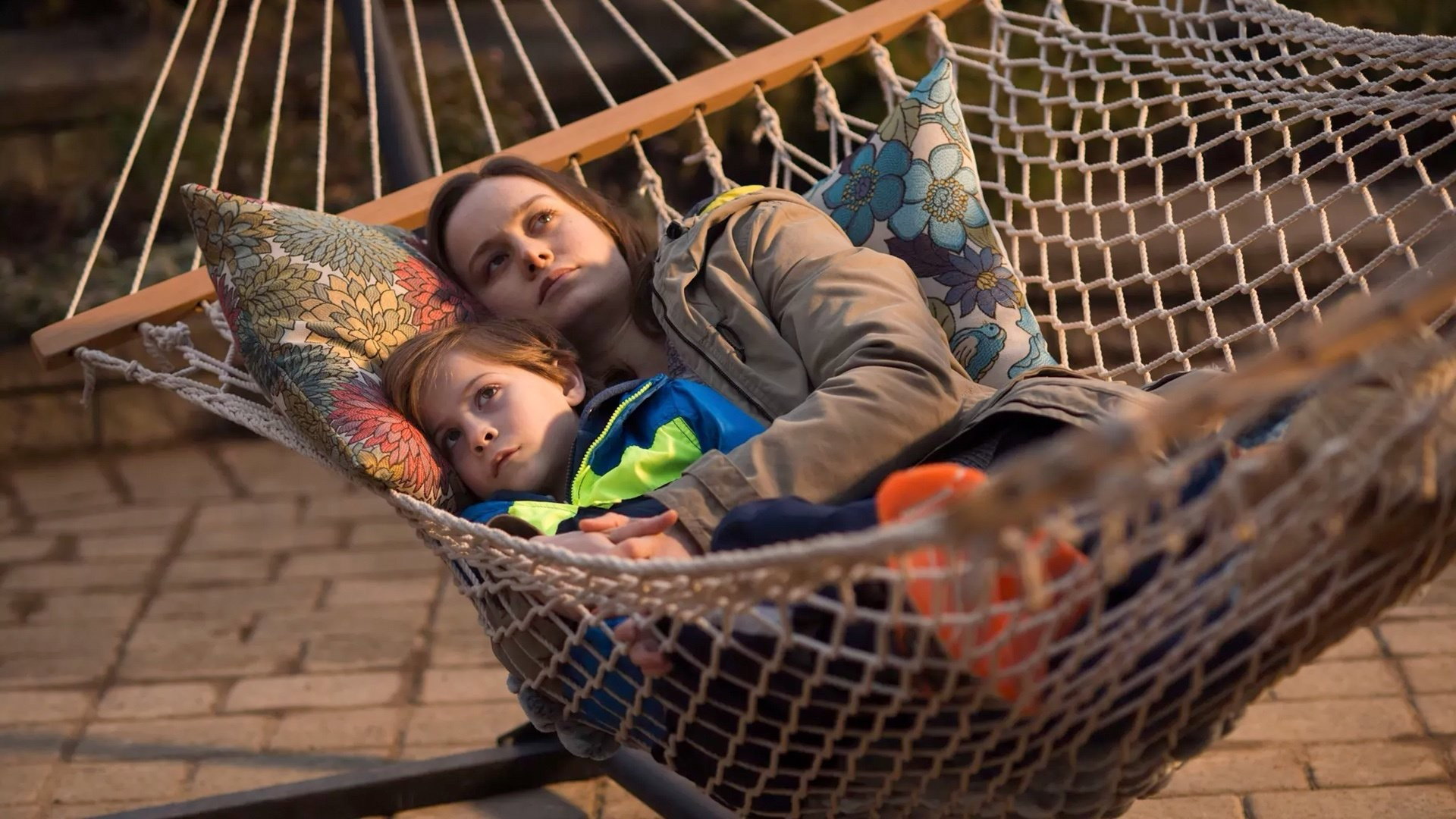
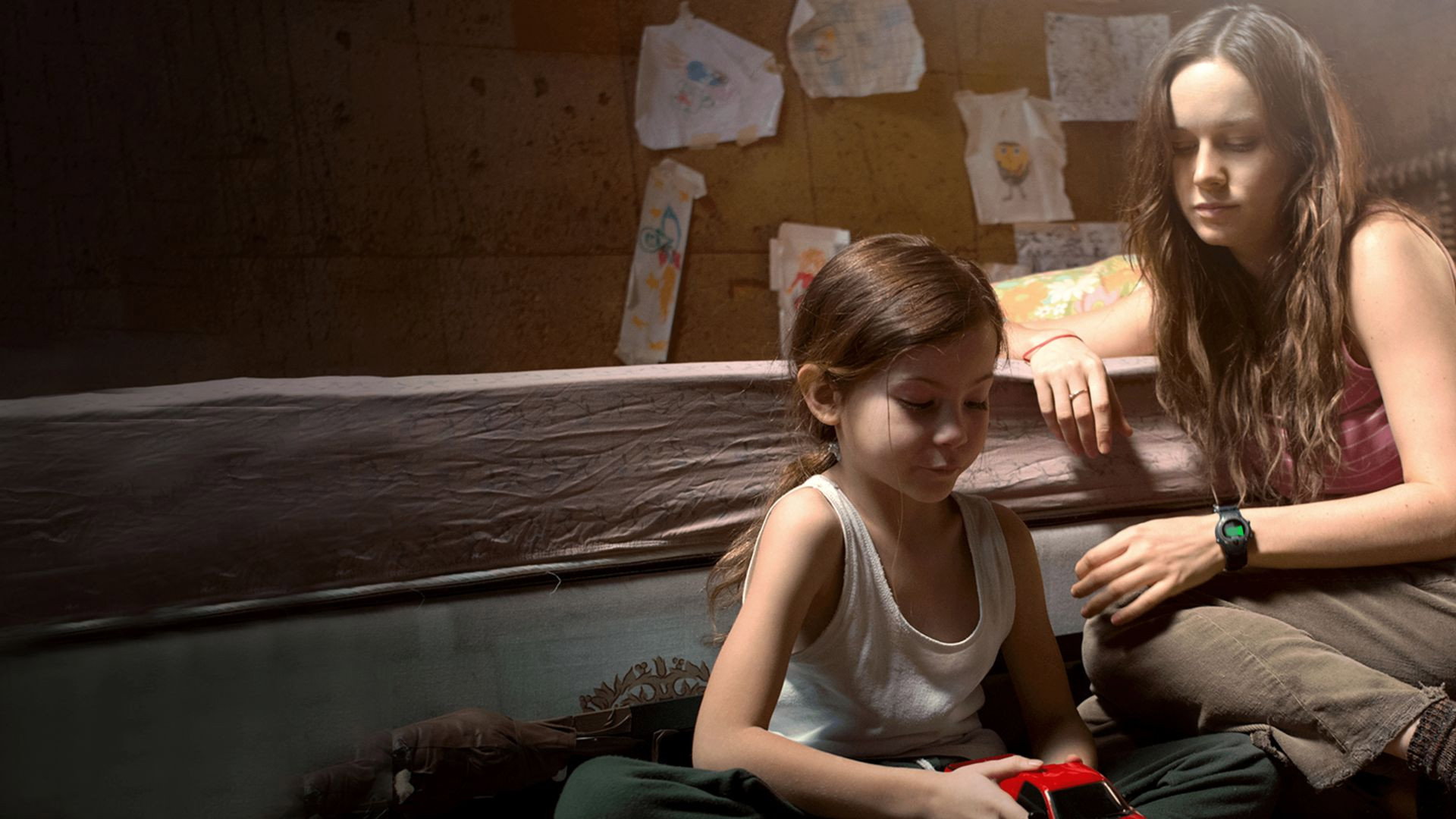
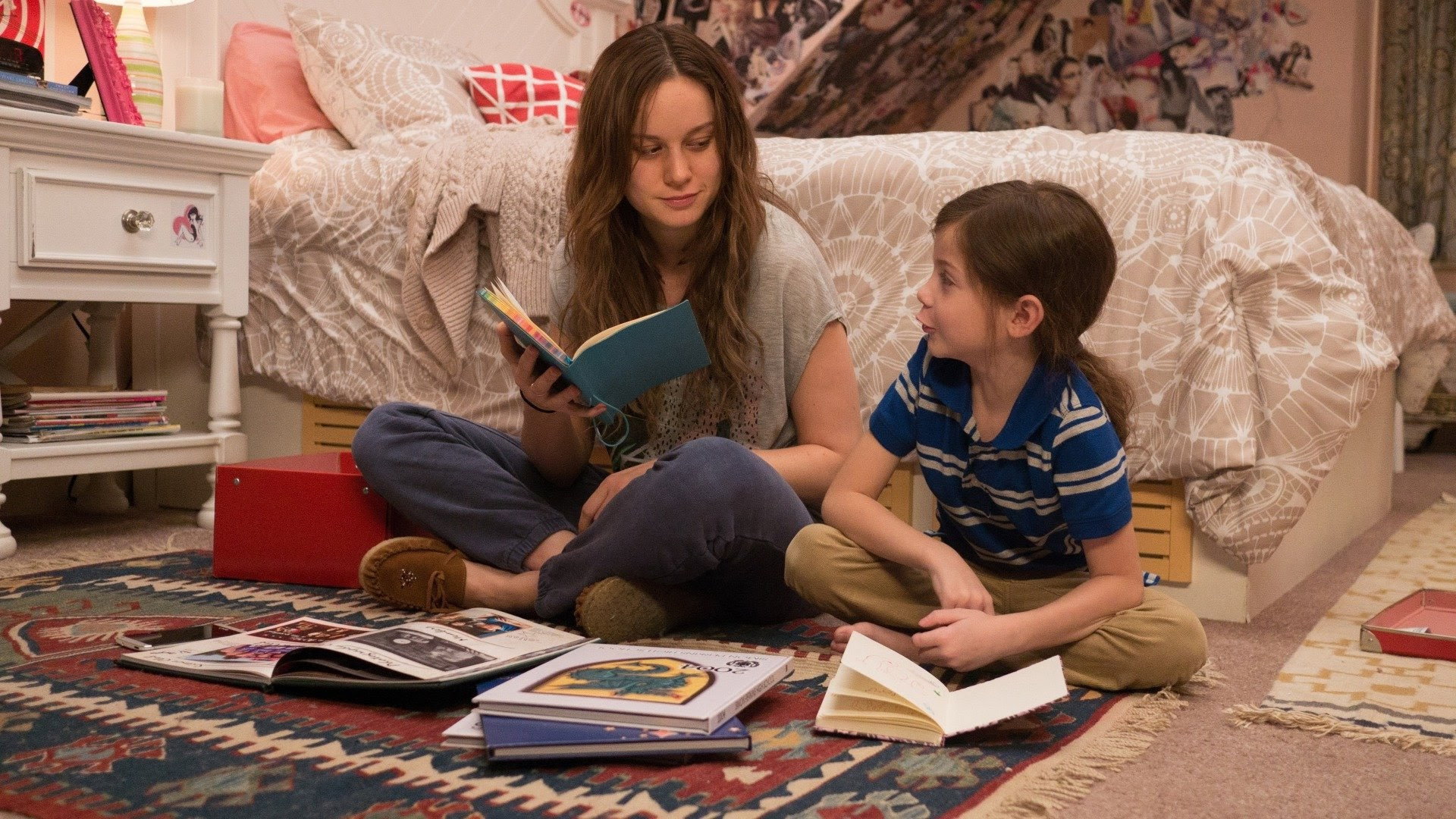
Brie Larson and Jacob Tremblay make Room a painful, absorbing drama about the work of protecting a child. Lenny Abrahamson trusts their relationship enough to avoid sensationalism, though the score sometimes presses harder than it needs to.
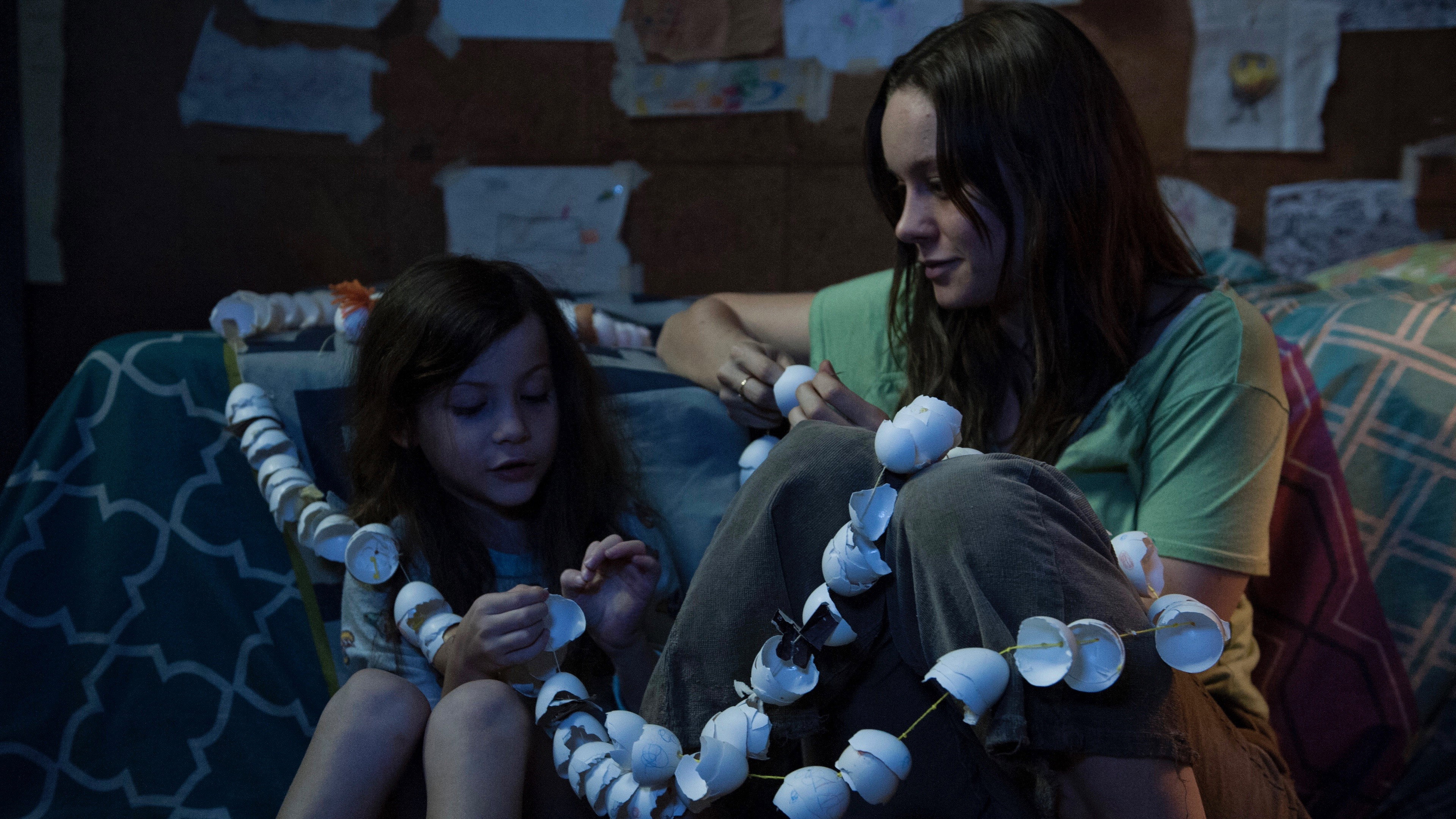
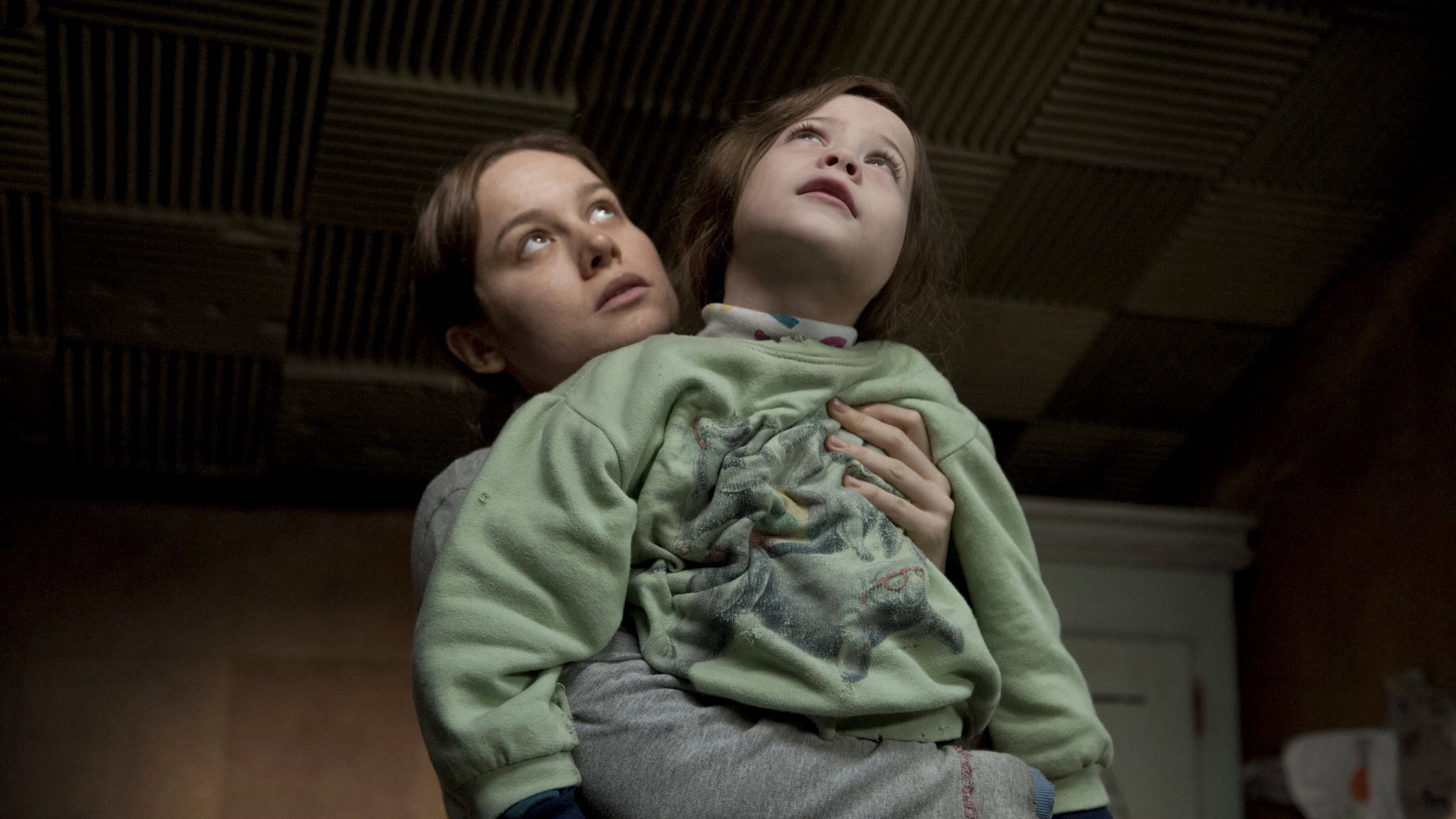
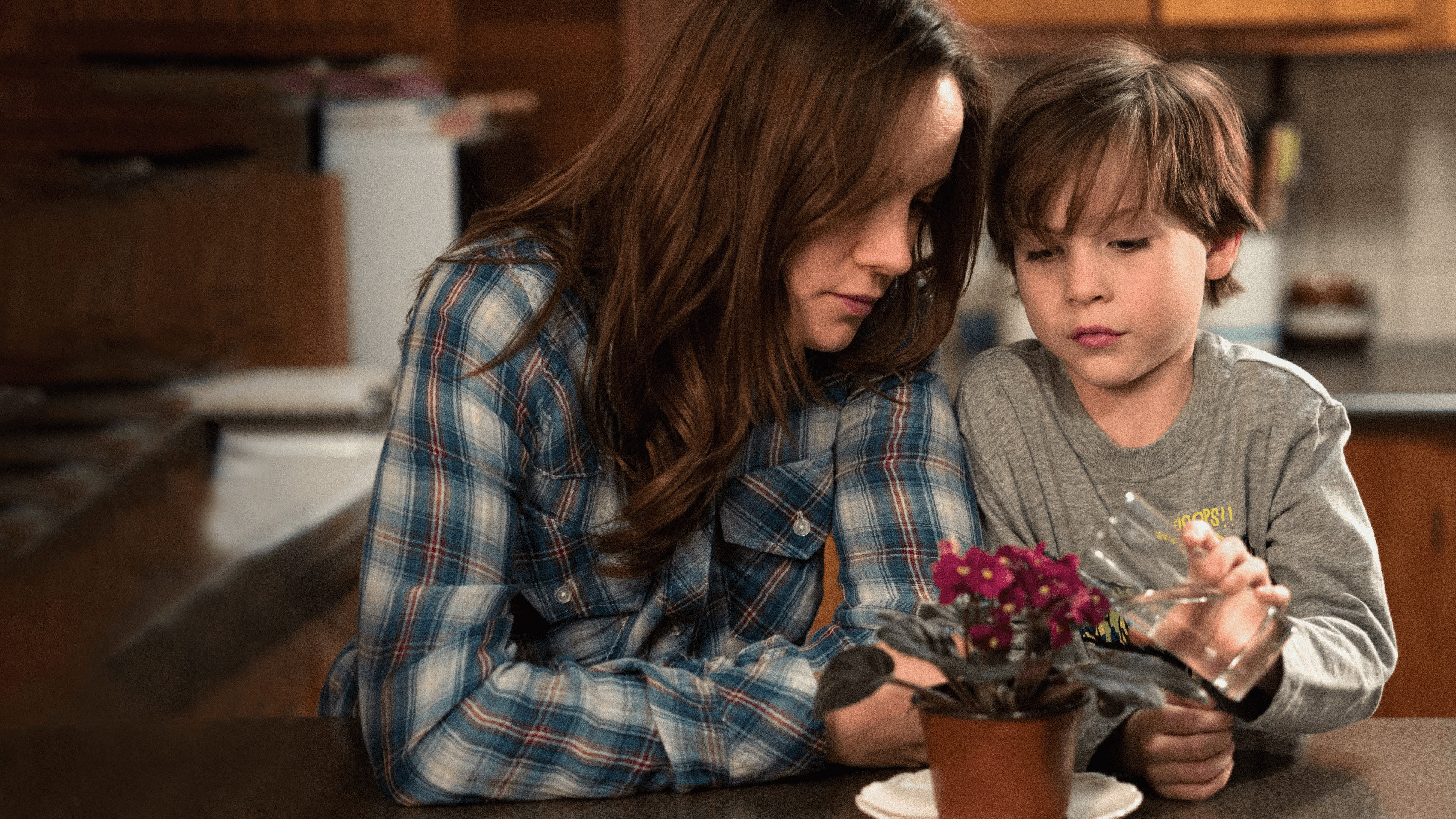
Lenny Abrahamson’s Room approaches a story of captivity through the daily demands of looking after a child. Ma, played by Brie Larson, has to help her son Jack make sense of the small shed in which they are held, while bearing what he cannot yet understand. It is a painful, absorbing film, and the relationship between Larson and Jacob Tremblay is good enough to carry it through the occasional push towards sentimentality. Abrahamson keeps our attention on what these two need from each other.
Emma Donoghue adapts her own novel, and following Jack’s understanding gives the material much of its force. His imagination helps him live within limits whose cruelty he cannot grasp, while Ma has to carry the adult knowledge of their situation. The writing asks us to pay attention to the gap between what a parent explains and what a child understands. That could become precious, but Tremblay makes Jack’s curiosity and dependence convincing enough that we accept the restricted viewpoint without feeling we are being given a lesson.
Larson makes Ma loving without requiring her to seem endlessly capable. Her attention to Jack has a visible cost, and the performance allows tiredness and fear to coexist with the wish to reassure him. We were moved by the effort those reassurances require. Tremblay helps by making Jack’s trust feel ordinary to the child himself, rather than something presented for our admiration. Their exchanges have the unevenness of a parent trying to explain and a child taking from the explanation only what he can use.
Danny Cohen’s cinematography keeps close to the pair, giving us time to study the difference between Jack’s trust and Ma’s strain. Ethan Tobman’s production design makes the small shed convincing as a place that has acquired familiarity through being lived in. It remains oppressive, but the film allows us to understand how Jack can regard it as home. Cohen and Tobman make the child’s attachment to his surroundings credible without asking us to find the confinement anything other than appalling.
Nathan Nugent’s editing keeps the mother and son central when the film draws on the urgency of a survival thriller. We can follow the emotional exchanges without losing the pressure of their circumstances, which is a difficult balance to maintain in such a restricted setting. The weakness is the occasional eagerness to tell us how much a moment means. Stephen Rennicks’s music sometimes pushes too insistently, underlining emotion that Larson and Tremblay have made clear already.
The script’s occasional eagerness to reassure us is a related weakness, and some of Donoghue’s writing feels tidier than the distress the actors convey. Those passages are less convincing, but they do not undo the accuracy of the mother-son relationship. By the standards of a captivity thriller, Abrahamson’s sustained attention to the work of parenting is unusual, and it gives the film value beyond the suspense. Allow for the emphatic music, and give it an evening when nobody needs you to be cheerful afterwards.