Cameron Crowe’s teenage romance earns its warmth through John Cusack’s anxious, determined Lloyd and an interest in the people around him. Diane deserves fuller writing, and the rhythm sometimes falters, but we recommend it for its humour and generosity.
Say Anything… is a funny, tender romance with an uneven rhythm and an unusually good leading performance. Cameron Crowe, writing and directing, takes teenage love seriously without requiring everyone involved to become solemn about it. His interest extends to the uncertainty around the couple: what they want to do, what other people want for them, and how much of either they can put into words. The reservation that matters is that Lloyd is more fully imagined than the young woman he loves.
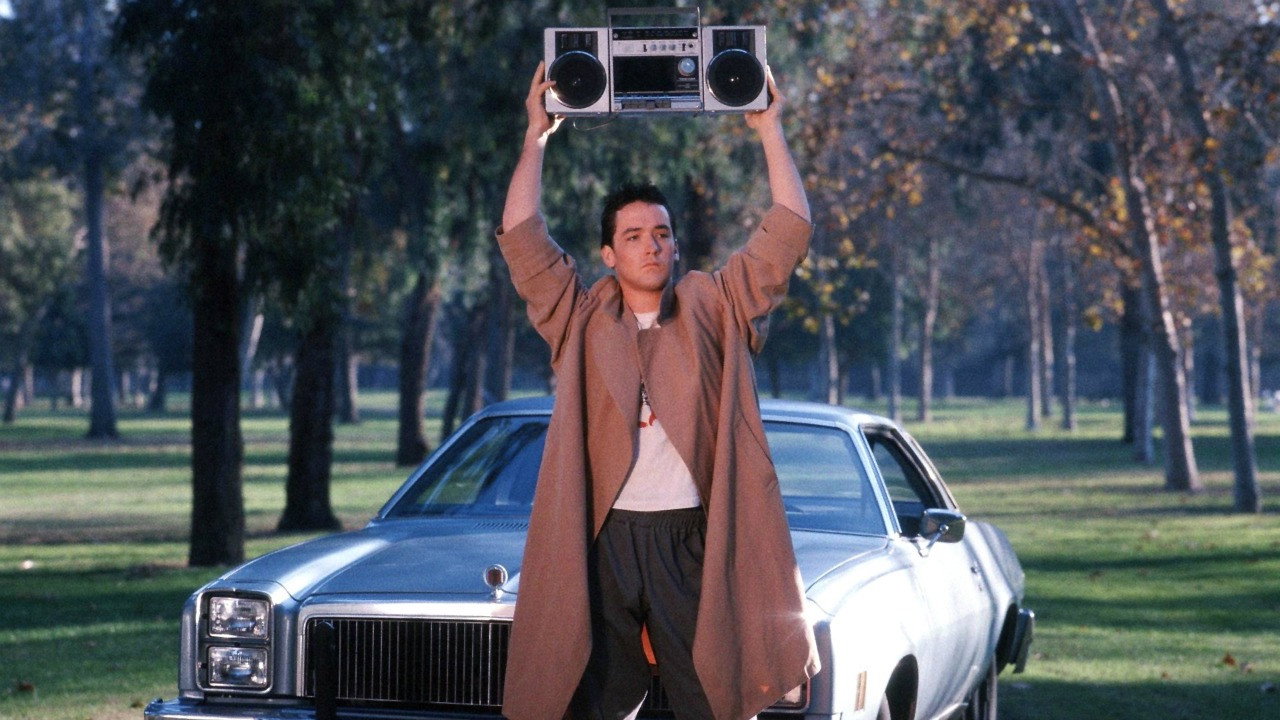
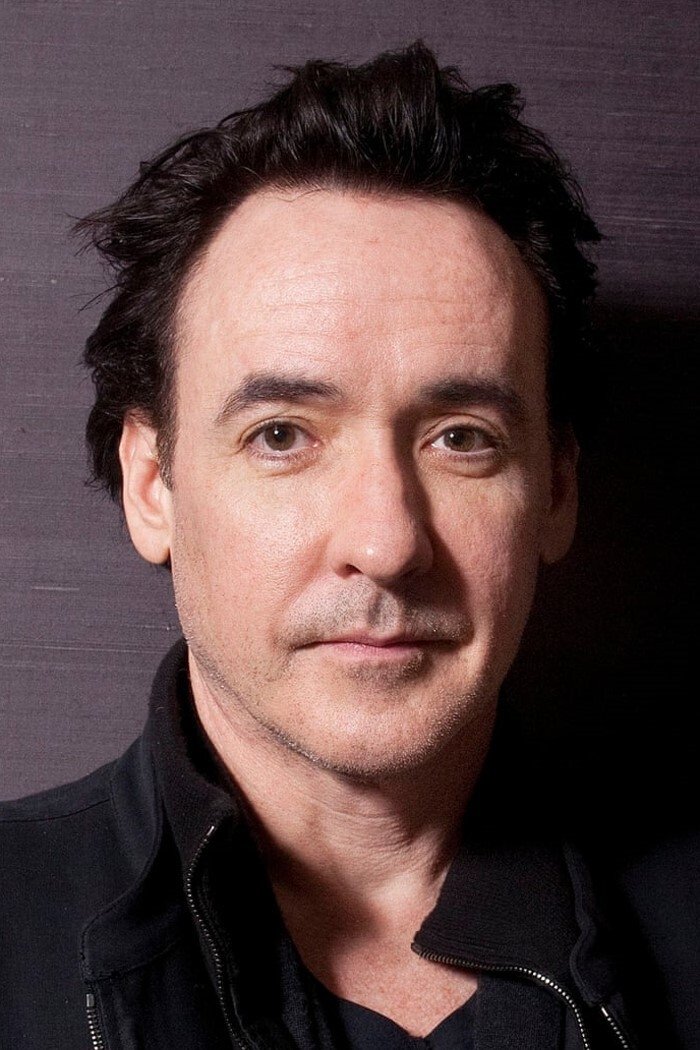
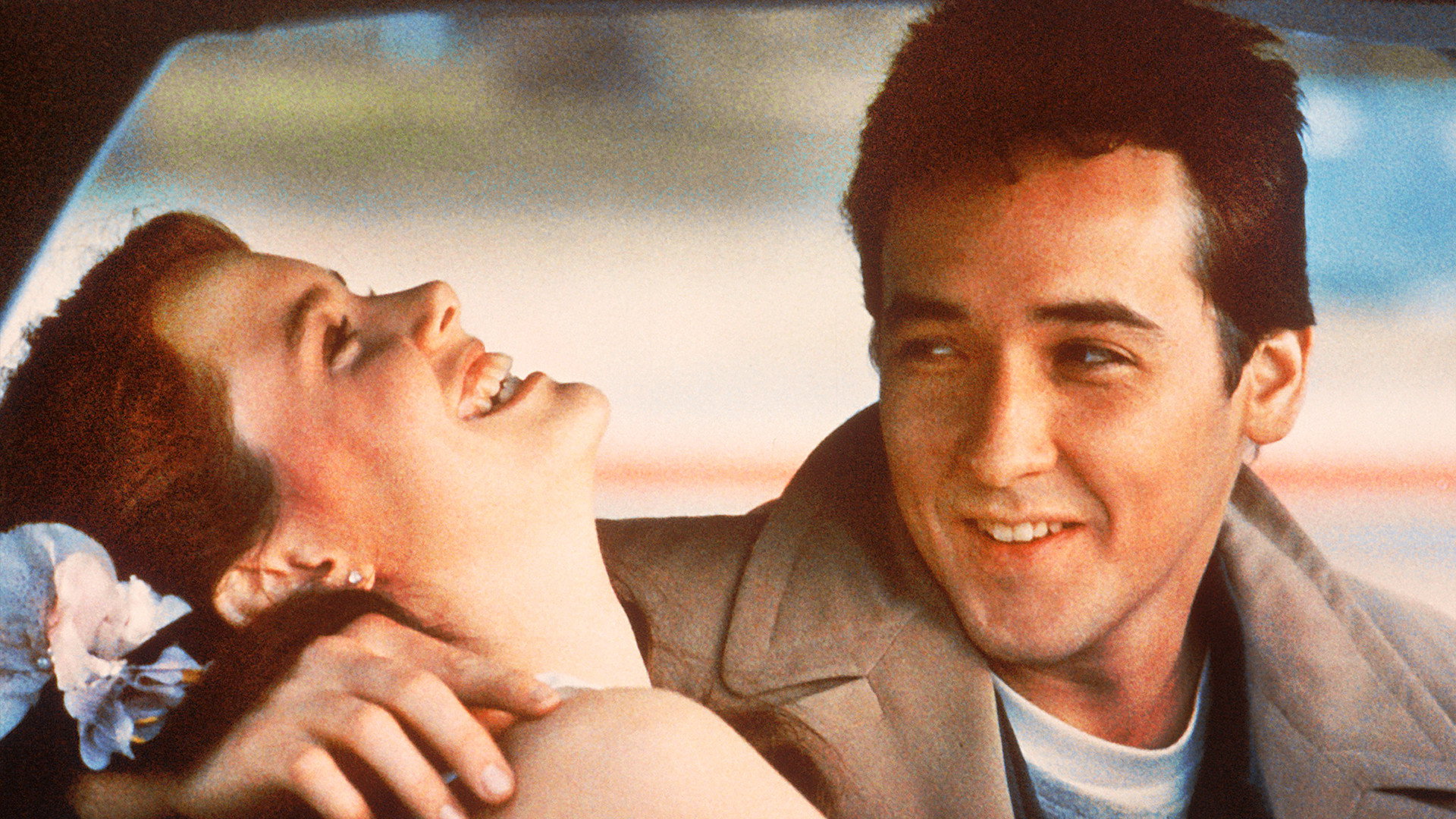
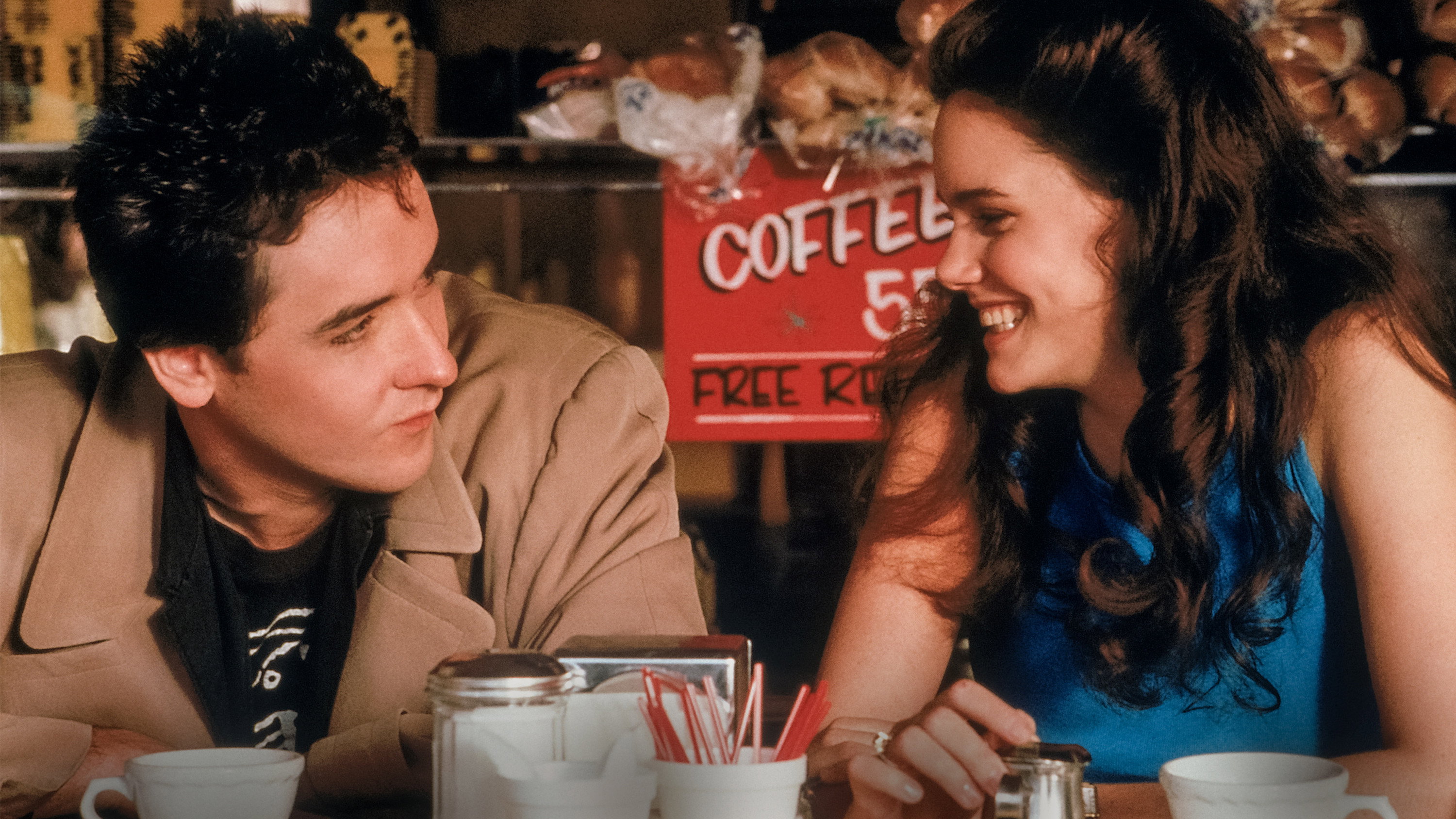
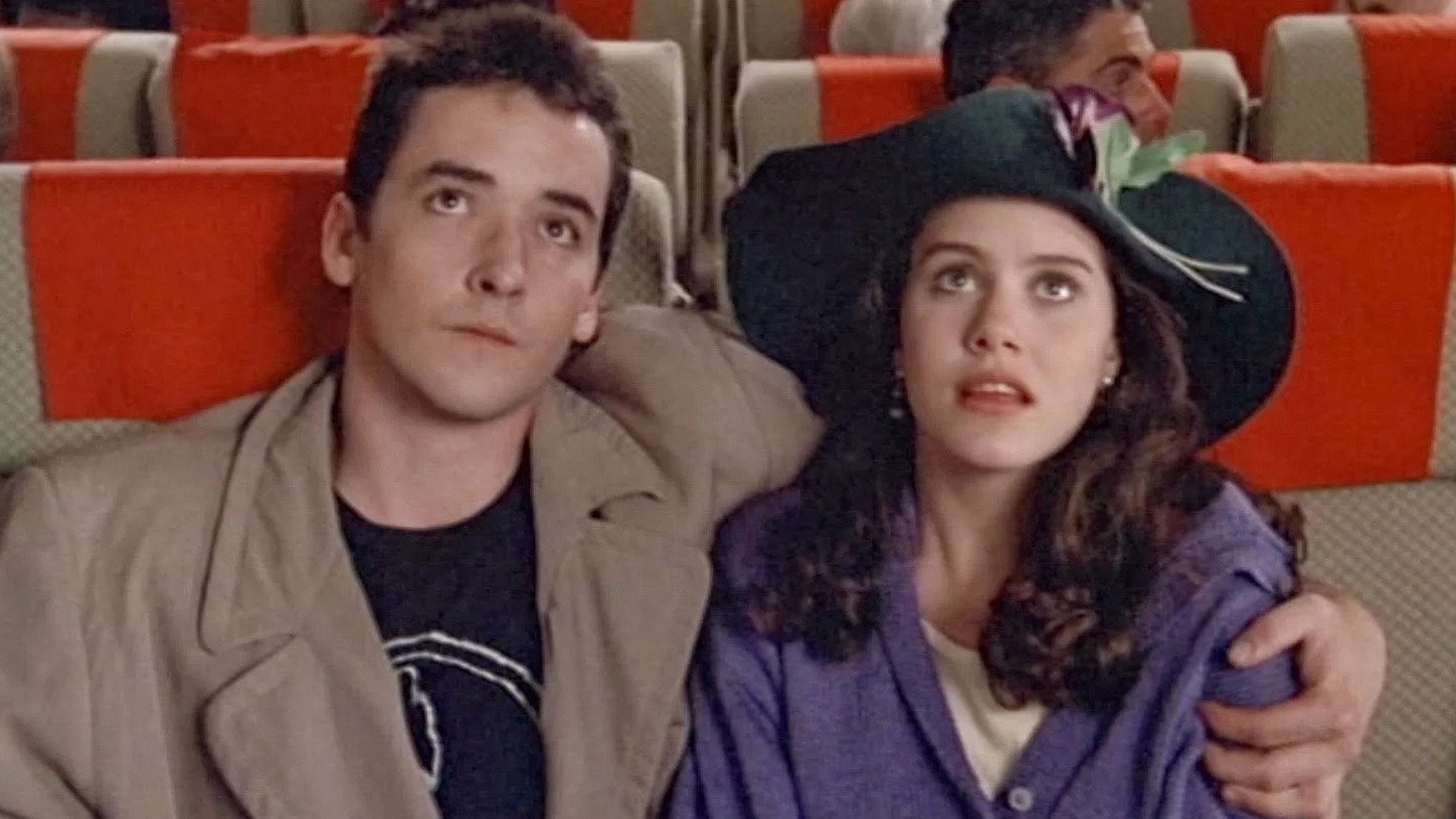
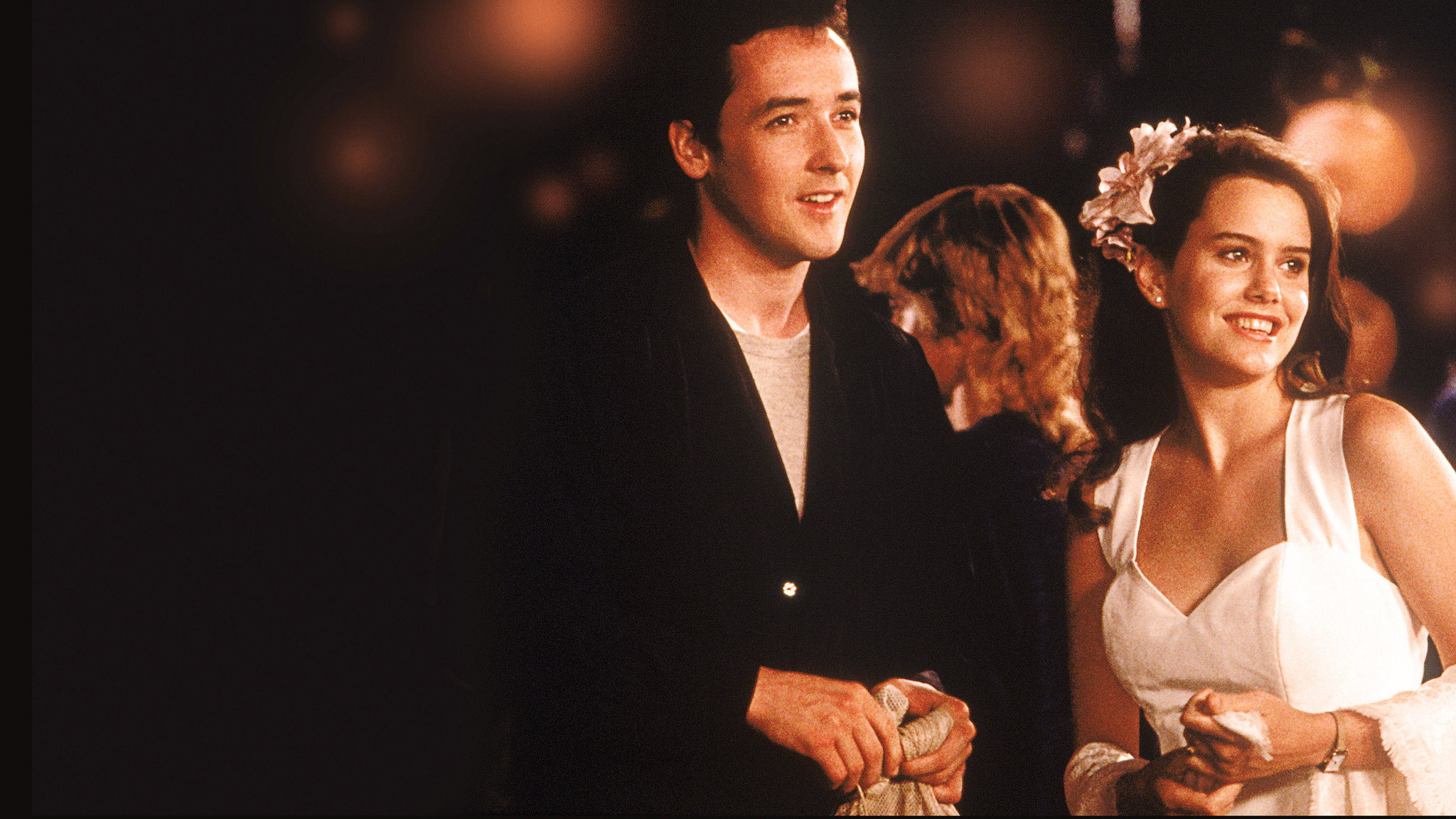
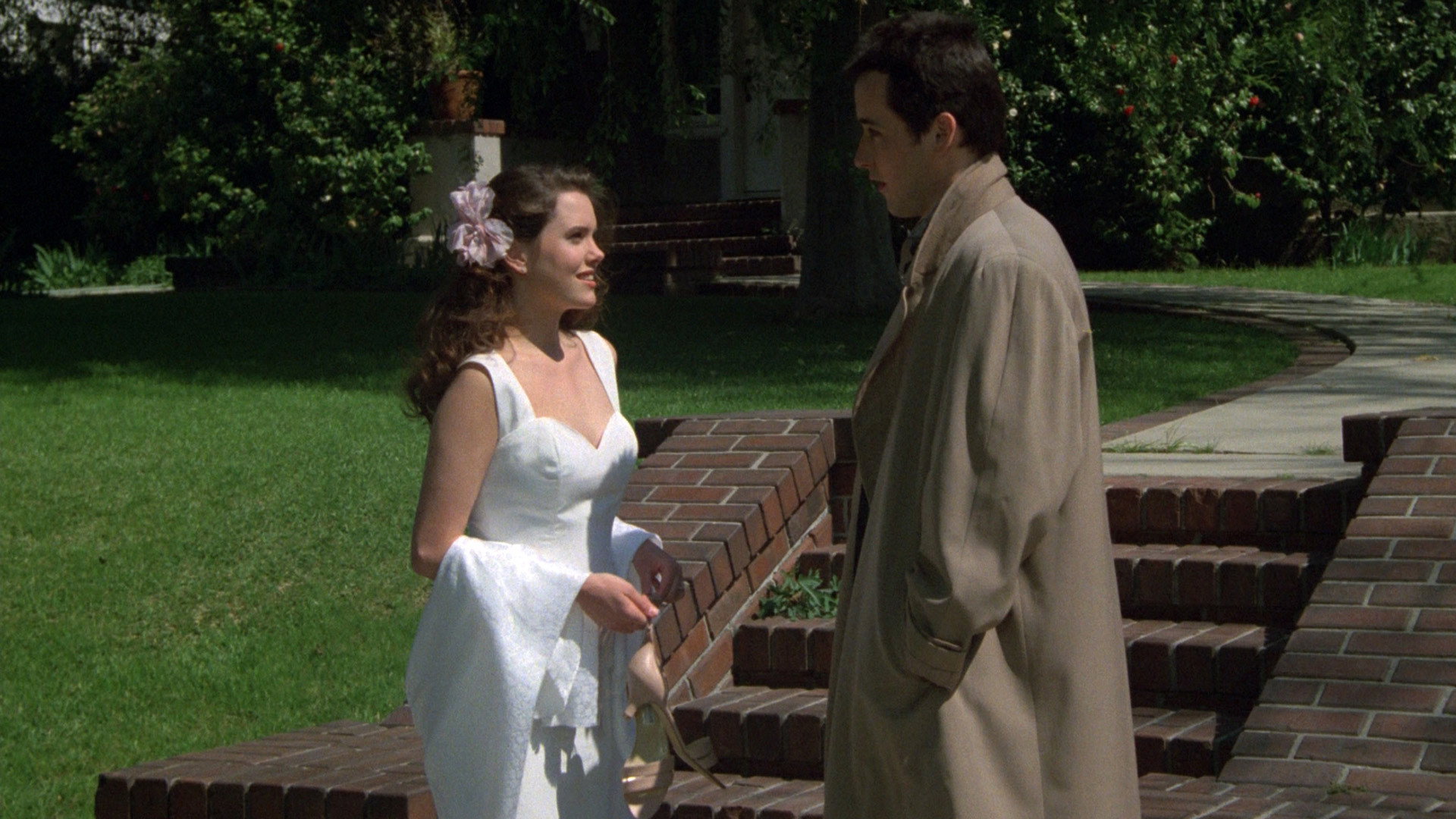
John Cusack plays Lloyd Dobler as a young man whose commitment runs well ahead of his confidence. There is something funny about his determination, but Crowe does not make the feeling behind it a joke. Cusack gives the eagerness an anxious edge, so that expressing affection can feel like a considerable personal risk. We were moved by how hard he works to sound sure of himself. The uncertainty in his performance makes Lloyd’s devotion convincing without making him impossibly wise for his age.
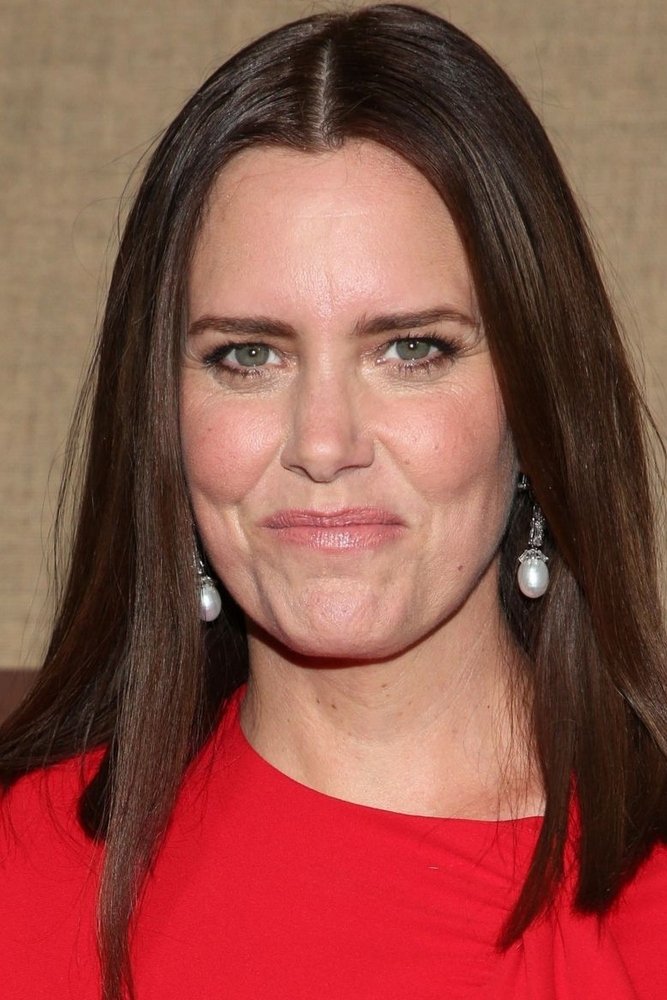
Ione Skye’s Diane Court has a steadiness that gives Cusack something useful to play against. Her quieter performance is welcome beside his nervous energy, and she does not need to match his comic force. Crowe gives Lloyd enough personality to survive outside the romance; Diane too often has to be understood through what she means to other people. Skye keeps her from becoming merely the reward for his persistence, though she cannot quite supply everything the script leaves out. This is the film’s most consequential weakness.
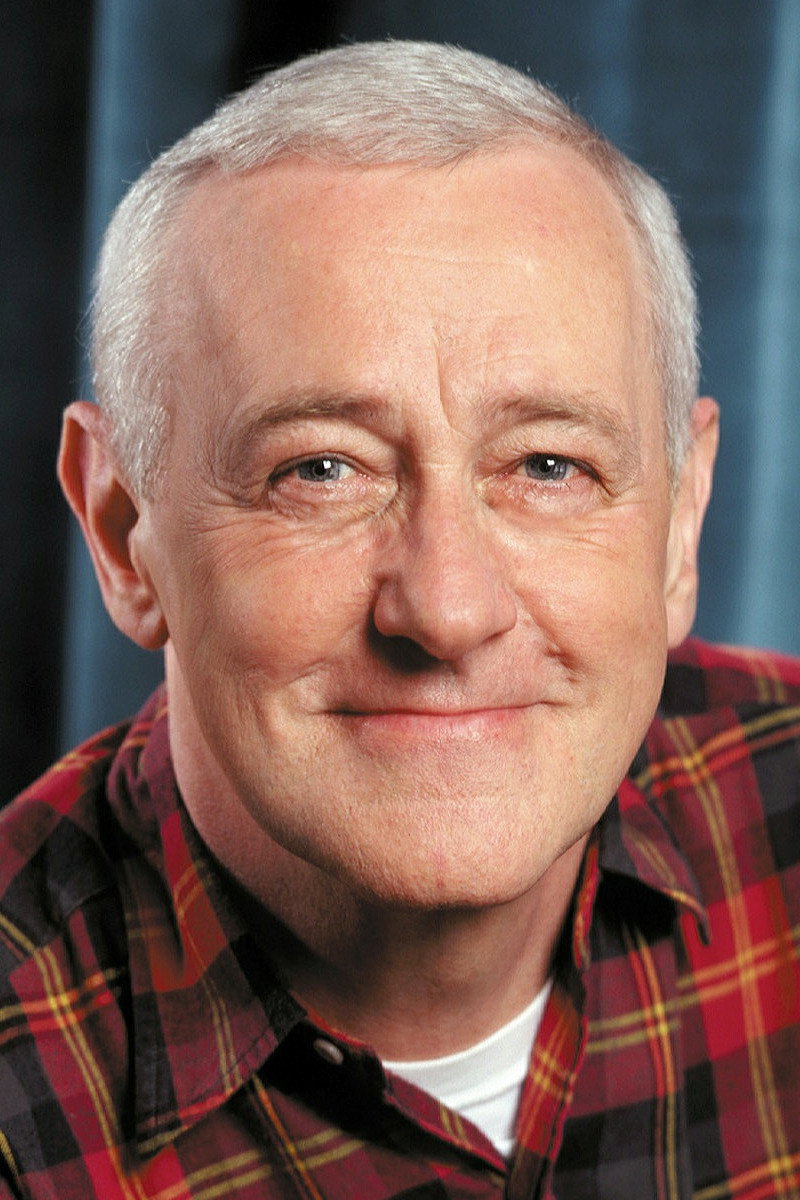
John Mahoney gives Diane’s father, James Court, enough weight to hold his own against the young couple. His concern for her future carries the authority of someone accustomed to having his judgement matter. Crowe allows that concern to complicate the romance, and Mahoney is careful about how much reassurance he offers. There is affection here, along with the pressure that affection can put on a child making decisions. The passages involving him give the film a useful change of pace.
László Kovács’s cinematography is most effective in the exchanges between characters, where we can watch confidence give way to hesitation. The images leave us free to notice the awkwardness without treating it as an invitation to laugh at everyone involved. Mark W. Mansbridge’s production design gives those exchanges a credible everyday setting, keeping the surroundings subordinate to the people. That restraint works, although the visual character of the film is less distinctive than its performances.
Richard Marks’s editing is less consistently satisfying. The abrupt changes of pace can be funny, interrupting earnestness before it becomes oppressive, but some scenes feel unfinished when the film moves on. The romance itself remains believable through those awkward transitions. Anne Dudley and Richard Gibbs’s music works best in sympathy with the gentleness of the comedy, allowing the actors’ warmth to be enough. A film this dependent on the way people speak needs room for their uncertainty, and it generally gets it.
Teenage romantic comedies often hurry past the question of how the people involved will live; Crowe lets that uncertainty remain part of the attraction. That is where Say Anything… earns its place in the genre, even with Diane less fully written than she should be. The 100-minute running time is welcome, though a little more of it spent on her would have helped. Give it an evening when a little romantic earnestness would be welcome.