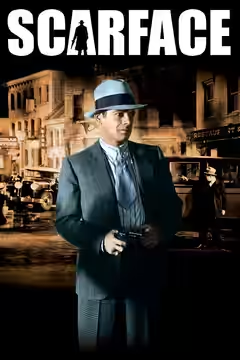
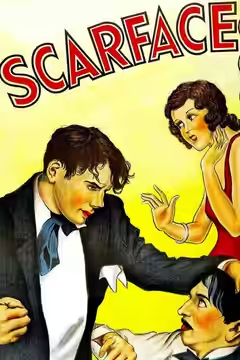
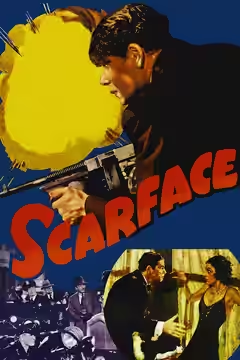
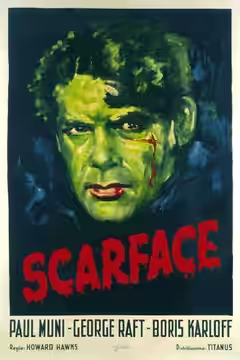
Howard Hawks’s Scarface is a vicious, funny gangster film we readily recommend. The moral lectures interrupt its momentum, but George Raft’s restraint and the restless camera give it pleasures beyond its historical importance.
Howard Hawks’s Scarface is a vicious, funny gangster film, and we recommend it with one substantial reservation: it keeps stopping to tell us that gangsters are bad. That would be less irritating if the rest were less assured. Ben Hecht’s screenplay gives criminal ambition an ugly sense of humour, and the direction lets us enjoy the swagger long enough to become uneasy about it. The excitement comes from watching dangerous people find their work agreeable.
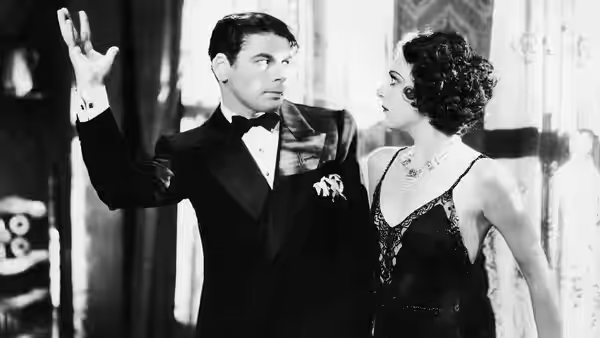
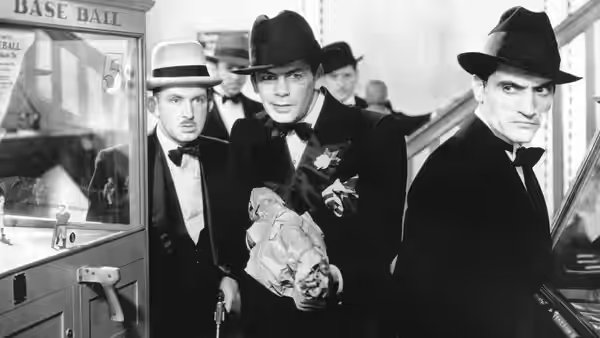
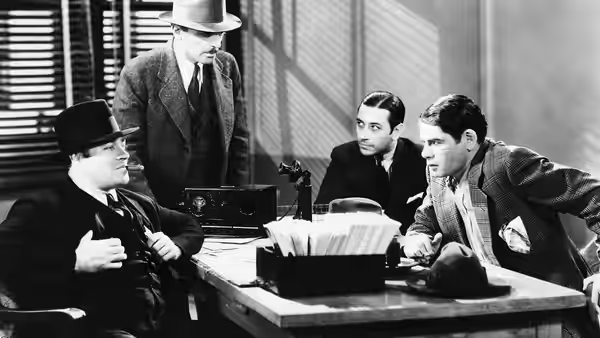
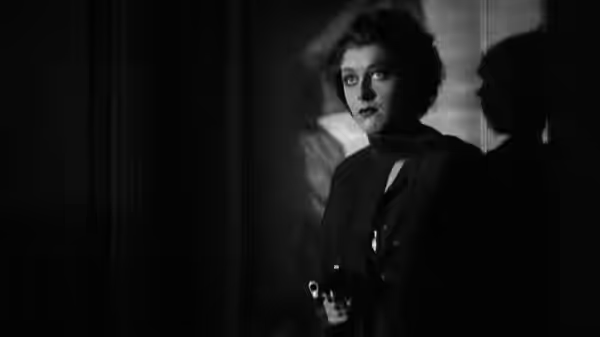
The opening tracking shot immediately makes the film feel alert and mobile. Cinematographers Lee Garmes and L. William O’Connell use stark contrasts and expressive shadows to give the images a threat of their own. Darkness makes us look harder, while the camera movement prevents the compositions from becoming merely handsome arrangements of light and shade. There is confidence here about how long to look and when to move.
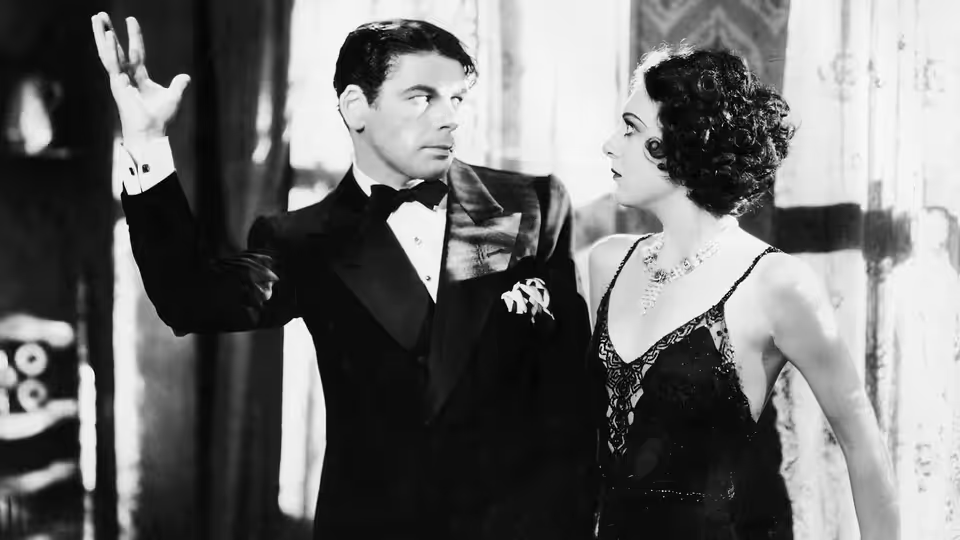
Paul Muni plays Antonio ‘Tony’ Camonte with enough force to make the hunger for power feel exhausting, as it should. We are not encouraged to spend much time hunting for a misunderstood decent man underneath. His swagger occasionally becomes too insistent, and the performance benefits from the screenplay’s readiness to make criminal self-importance look ridiculous. The humour gives us a little relief without making Tony harmless.
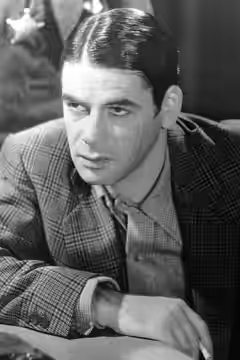
George Raft, as Guino Rinaldo, provides a welcome change of scale. The coin-tossing gives us a small, repeated action to watch, and his restraint makes it more compelling than a larger display would be. We smiled at his composure, then felt uneasy about how readily we had taken to him. That casual handling of the coin suggests a man entirely comfortable with himself, and the surrounding cruelty makes his ease disturbing.
Edward Curtiss’s editing supplies much of the film’s growing speed, particularly in the rapid montages. The cuts have an impatience that suits Tony: there is always somewhere further to get, and little appetite for waiting. Adolph Tandler’s music matters less to that excitement than the editing, which keeps pulling us forward before we have quite settled. At 93 minutes, the film has room for its offbeat humour without letting the jokes hold everything else up.
The moral lectures are another matter. They slow the film precisely when its cruelty has already made the case against these men, and the instruction feels unnecessary. Howard Hawks is so persuasive when showing how attractive gangster confidence can be that the preachiness seems especially clumsy beside it. The change of pace does real damage: we are taken out of a film that has taught us to watch closely and made to sit through an explanation.
Scarface helped establish gangster-film habits that became familiar, but there is no need to treat it as homework. The wit still has bite, and George Raft’s economy would be worth watching in any company. Admirers of crime films should allow for the sermons and give the brisker, nastier passages their attention. We would sooner return to that coin-tossing than sit through another gangster explaining what sort of man he is.