John Madden’s Shakespeare in Love is a witty, affectionate period comedy, strongest when the theatre people take charge. The romance feels too neatly arranged, but the writing and the company make it worth an evening.
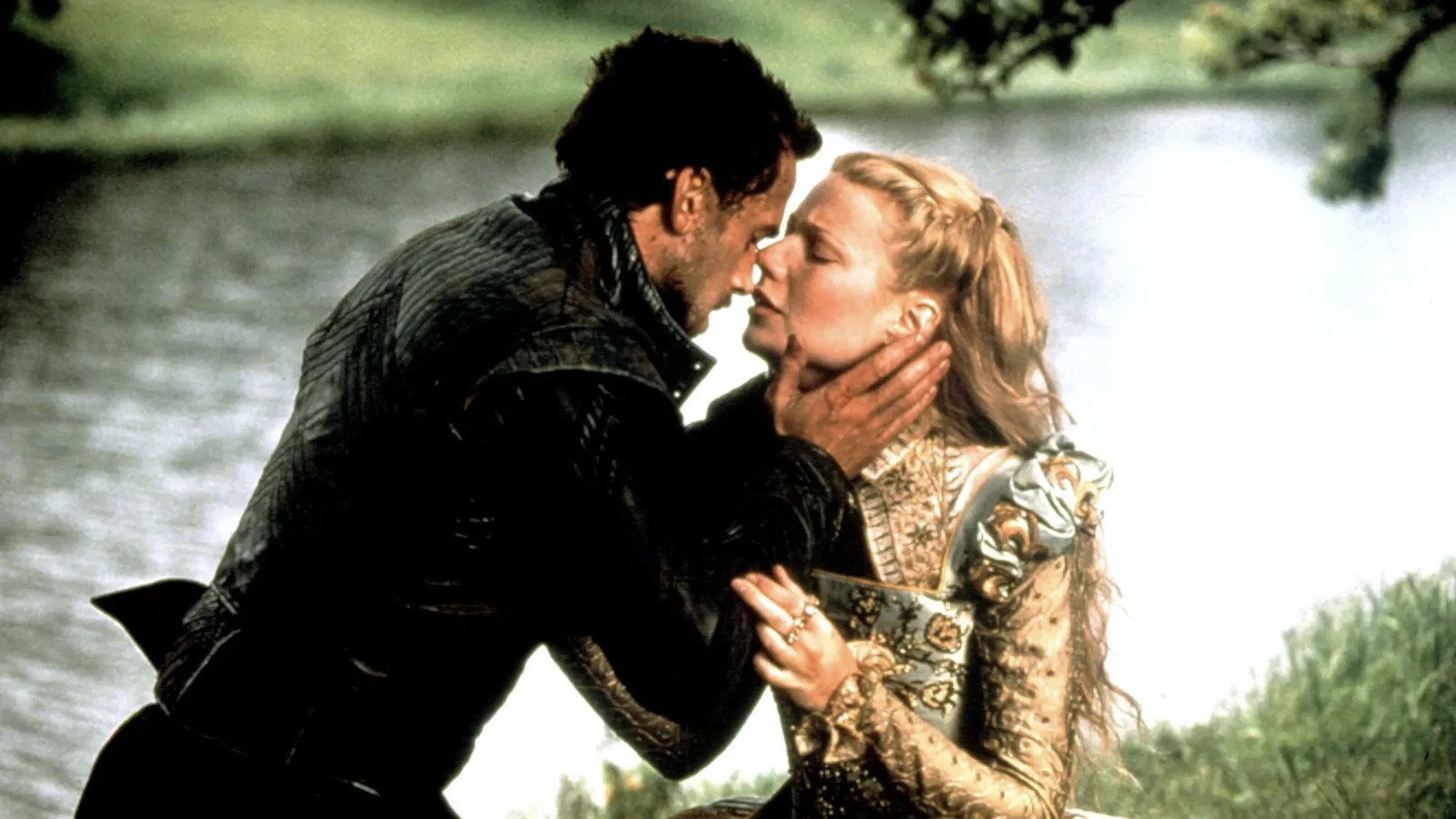
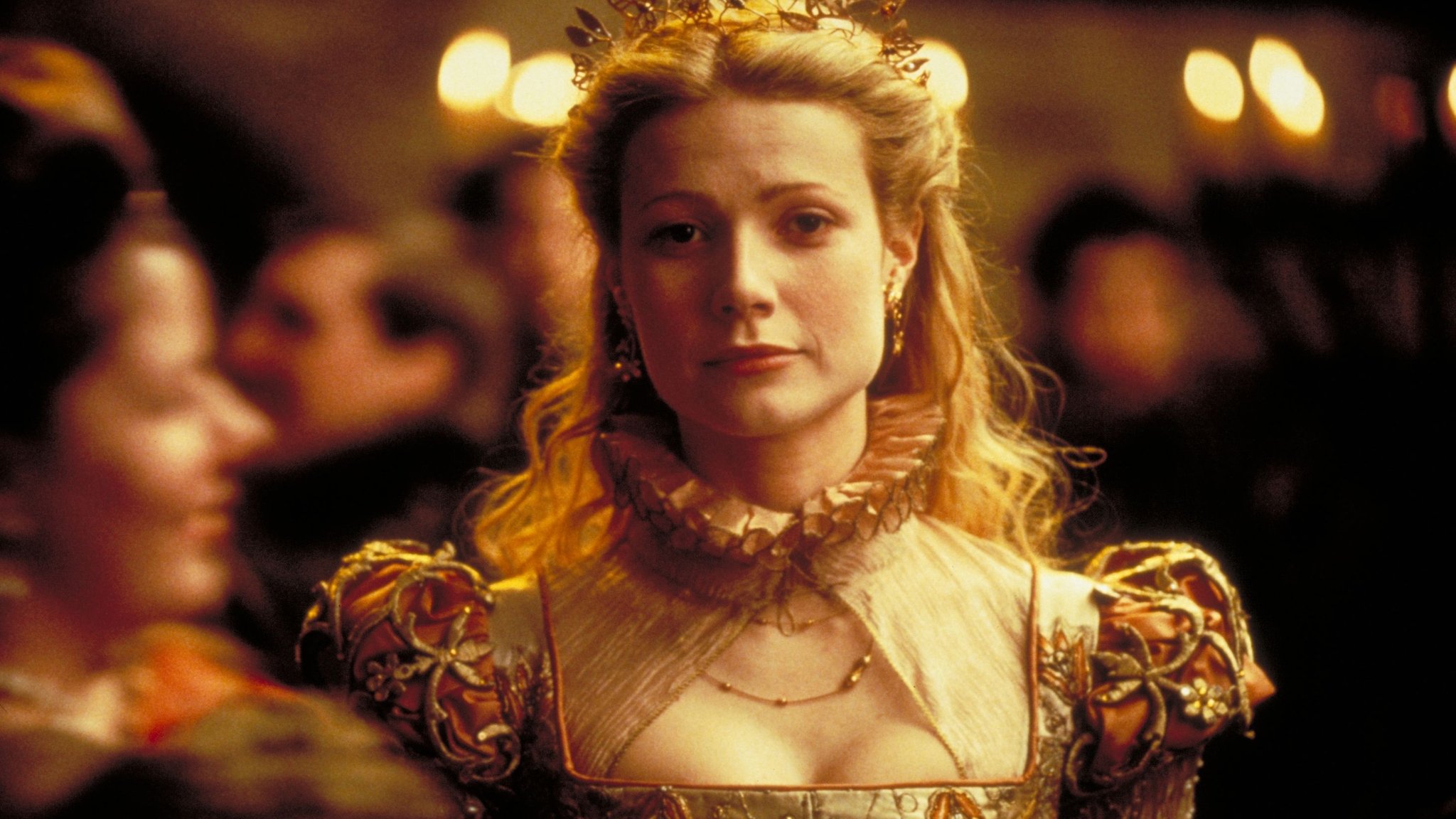
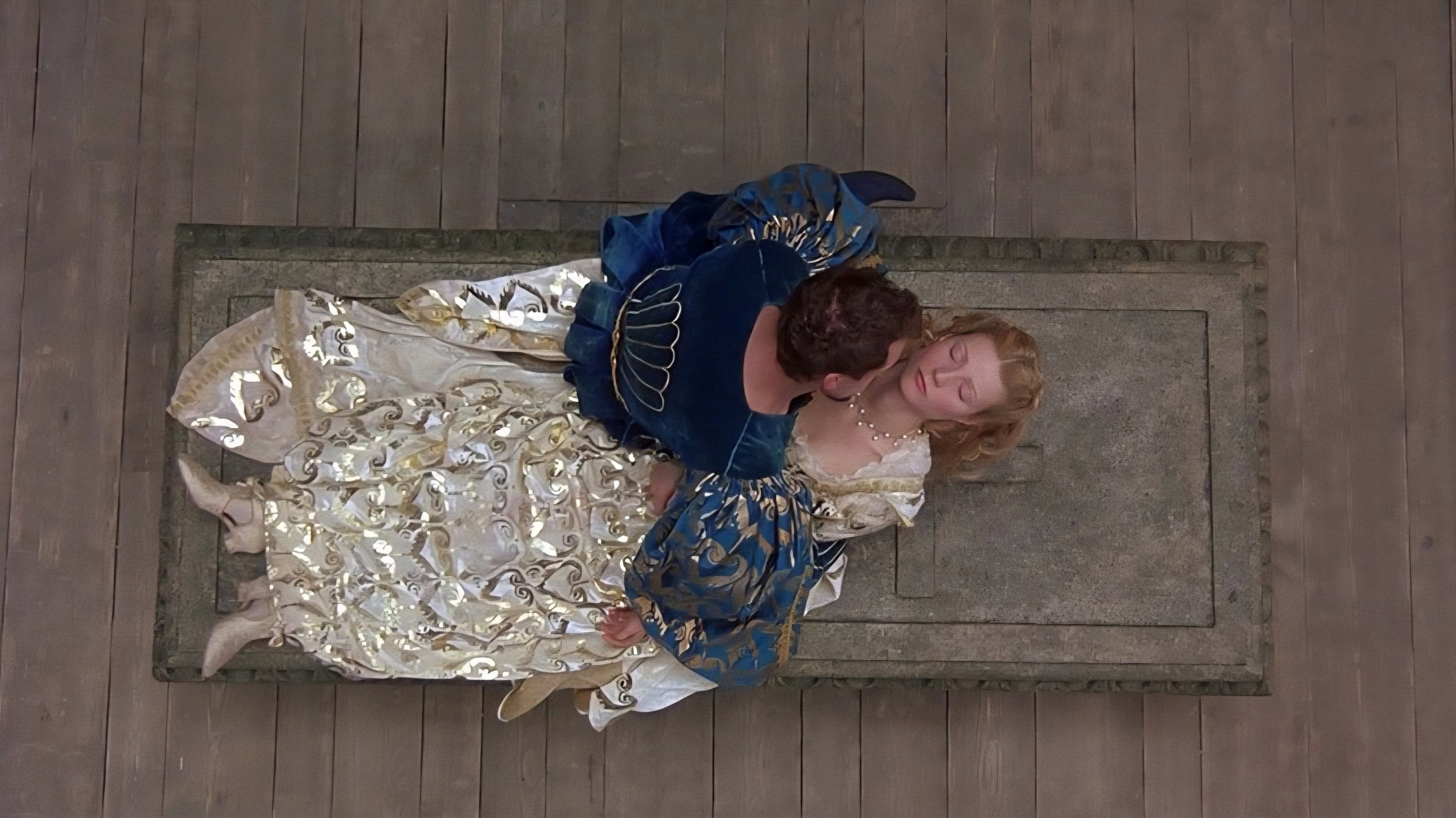
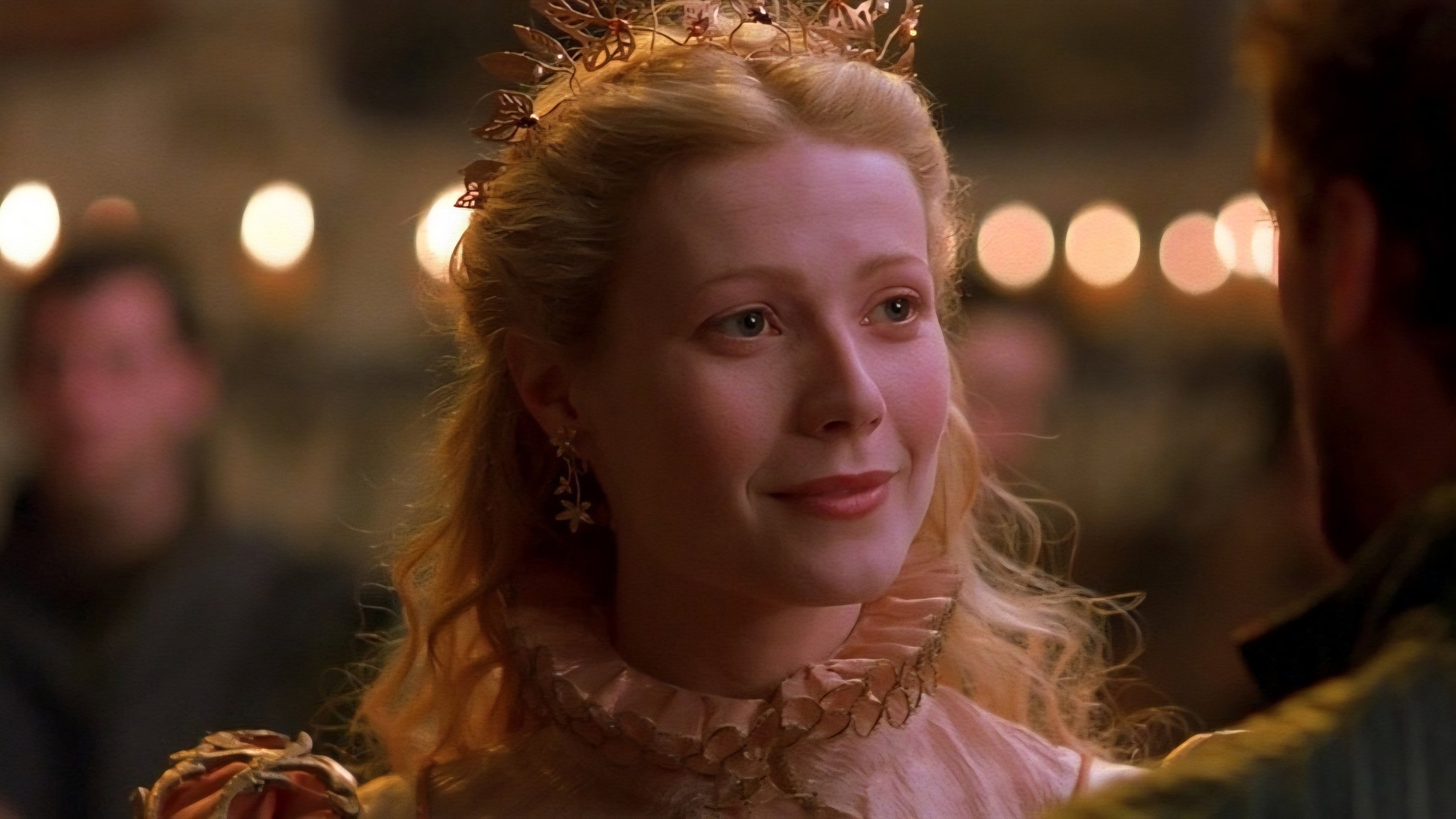
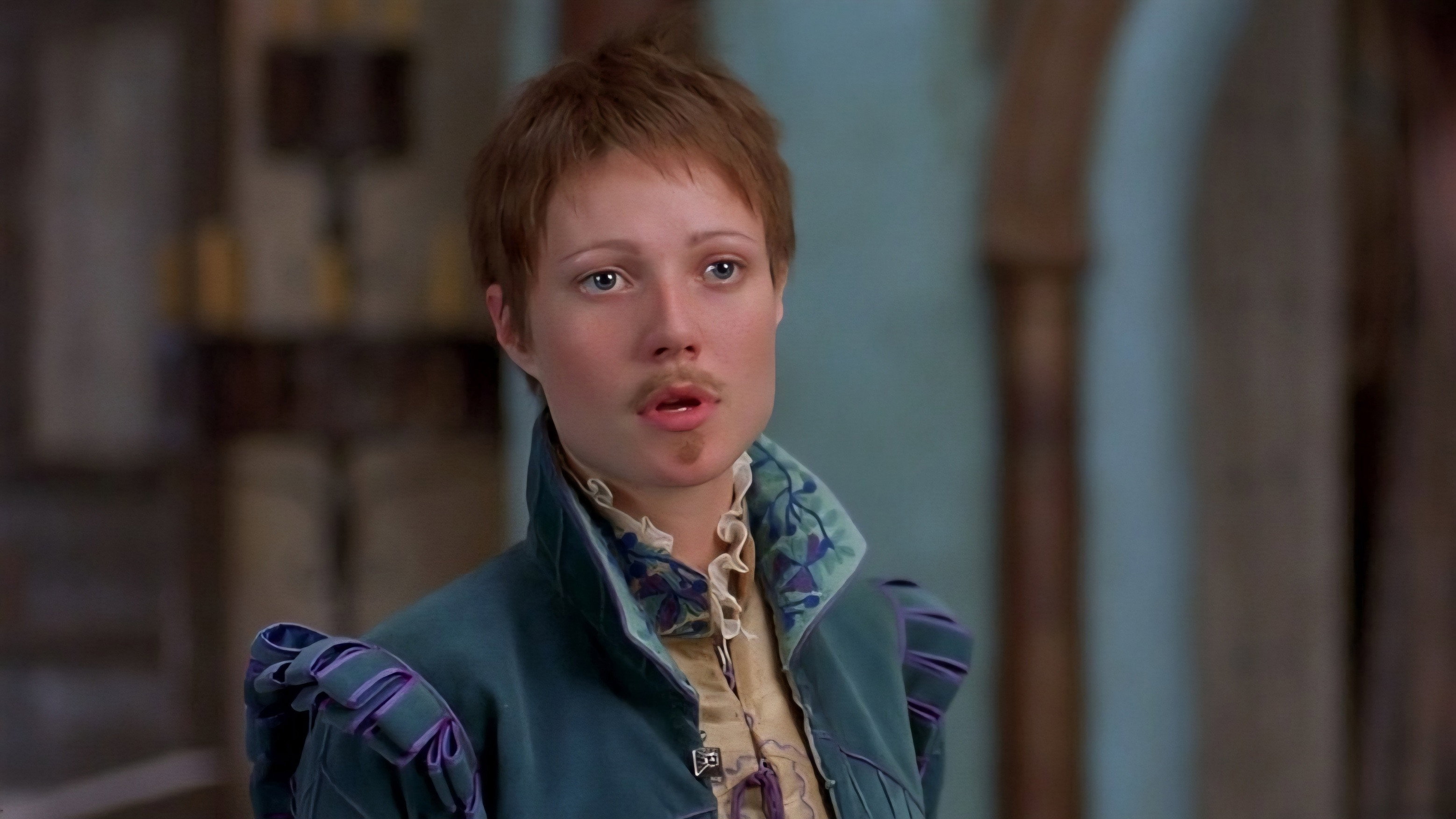
John Madden’s Shakespeare in Love is good company: funny about theatrical vanity, fond of its lovers and occasionally too pleased with how neatly everything fits. Marc Norman and Tom Stoppard’s screenplay imagines Shakespeare’s romance feeding his work, with enough backstage business to keep the conceit from becoming a literature lesson. The historical comedy works because the people making theatre are allowed to be ambitious, self-interested and ridiculous. Joseph Fiennes plays Will Shakespeare, with Gwyneth Paltrow as Viola De Lesseps.
Norman and Stoppard understand the comedy of treating a theatre as a workplace. Money, status and competing interests keep interrupting the supposedly more important business of inspiration, and Madden makes room for the people doing the interrupting. The literary jokes are enjoyable without making recognition seem compulsory, although the script sometimes seems to pause for appreciation. Its cleverest recurring idea is also its simplest: the love affair supplies material for Romeo and Juliet.
Fiennes gives Will an earnestness that holds up well amid the surrounding nonsense. Paltrow’s Viola is engaging enough to make the idea of her inspiring a writer seem plausible without much explanation. We were unexpectedly touched by their shared pleasure in language. As the romance feeds the play, both actors make the connection feel personal. The trouble comes when the screenplay’s determination to fit everything together leaves their courtship looking too carefully arranged.
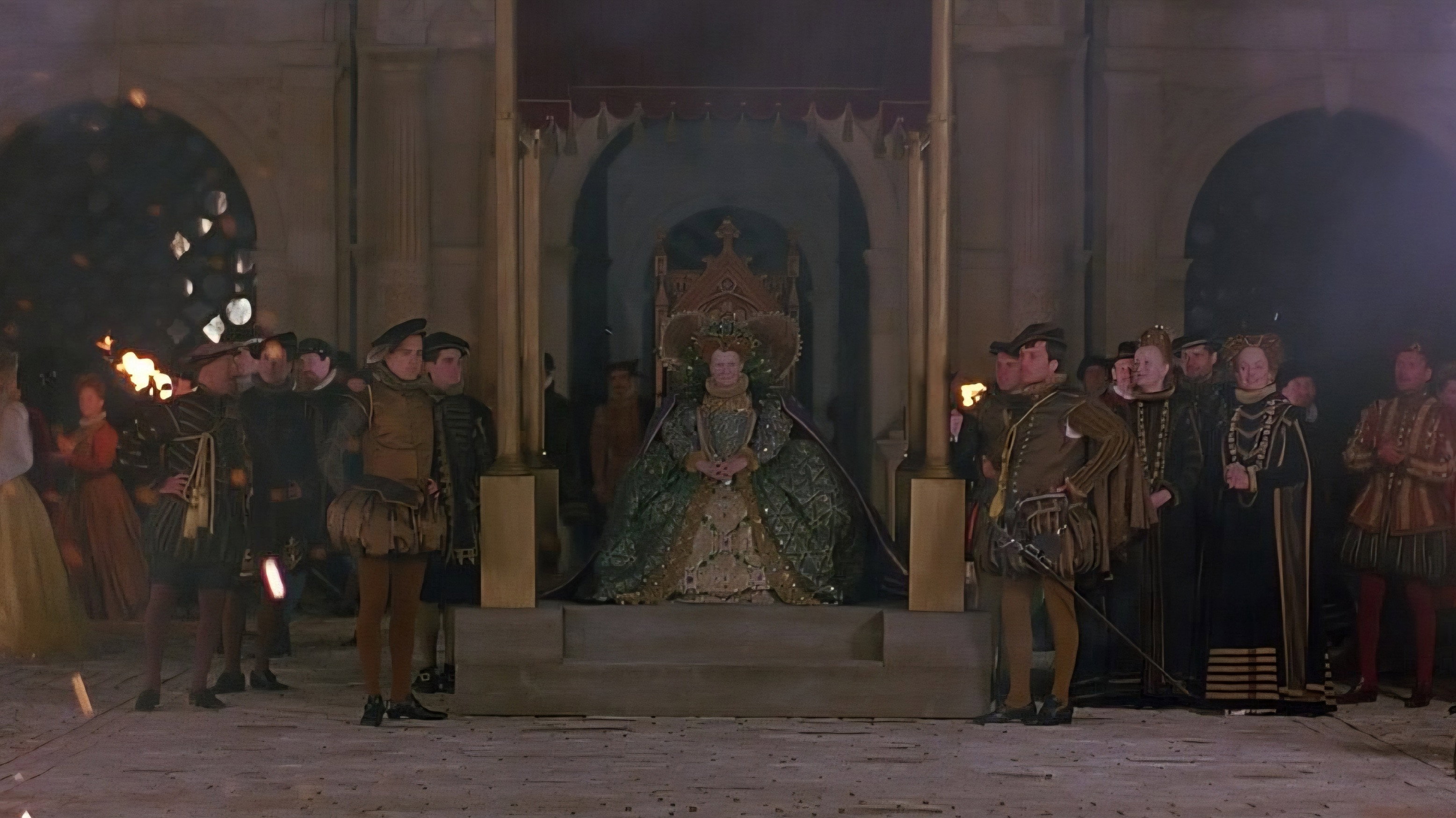
Madden has the good sense to let the supporting actors enjoy themselves. Ben Affleck’s Ned Alleyn is particularly welcome, bringing an actor’s self-importance into a film already well supplied with it. Geoffrey Rush’s Philip Henslowe and Tom Wilkinson’s Hugh Fennyman give the theatrical business its comic weight, without making it seem a distraction from the lovers. Judi Dench plays Queen Elizabeth with a briskness that is welcome in such eager-to-please company.
Richard Greatrex’s cinematography is perhaps too flattering to the romance; the lovers can seem protected from the untidiness that makes the theatre scenes lively. Martin Childs’s production design is more persuasive in the theatrical setting, where the period detail helps us believe in a place of work. The surroundings give the company a convincing home without becoming the whole attraction. Sandy Powell’s costume design adds to the pleasure of watching a film so thoroughly absorbed in dressing up.
David Gamble’s editing handles the competing theatrical interests briskly, but the romantic passages sometimes linger beyond what the actors can usefully give them. Stephen Warbeck’s music encourages tenderness where a little uncertainty might have made the affair more affecting. Neither choice spoils the film, though both contribute to its determination to make us comfortable. Those pauses are noticeable across the 124 minutes.
Period romantic comedies can be terribly anxious about their own respectability, and Madden lets enough foolishness through to keep that problem at bay. This one takes few risks, but its pleasure in performers is hard to resist. For a romantic evening, it is a sound choice, provided neither party minds the theatre business getting so much of the attention.