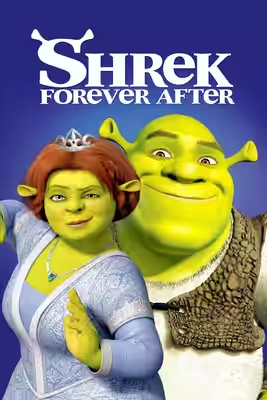
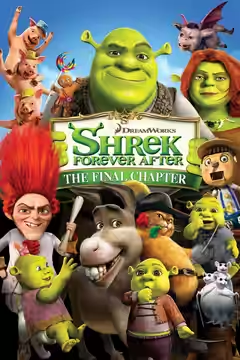
The fourth Shrek is a clear improvement on the third: smaller, better tempered, with a decent villain and an alternative Far Far Away worth the visit. It is also the first film’s story run again, and it knows it.
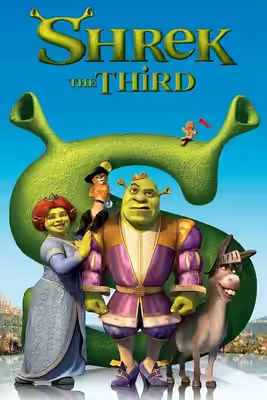
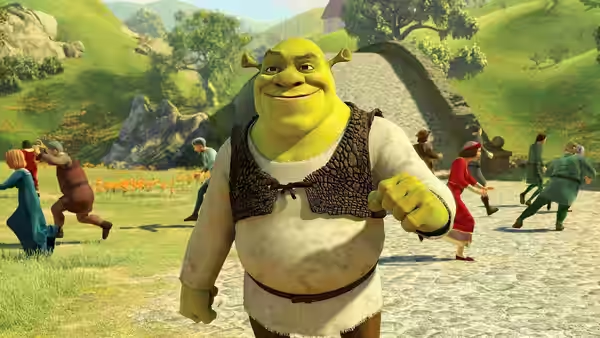
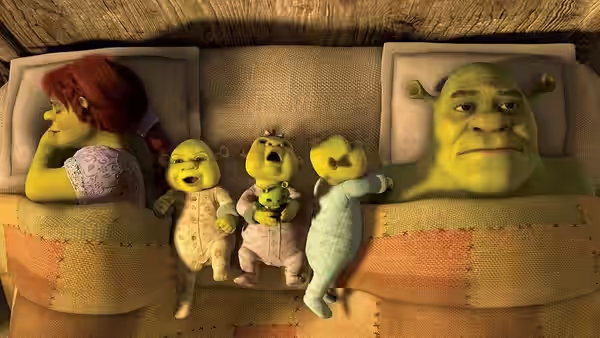
Three films in, Shrek has a swamp, a wife, three babies and a problem the people who make these films seem to have shared: nothing left to want. Shrek Forever After is about that. It opens on an ogre whose days have become the same day, and then it lets him sign them away. It is a clear step up from Shrek the Third (2007), and it is also the first film’s story told again with the colours turned down.
The first twenty minutes are the best written thing the series has done since the second film. Darren Lemke and Josh Klausner give Shrek a day and then make him live it on a loop: the babies wake him, the tour bus arrives, a stranger asks him to do the roar, the outhouse door comes off in his hand. Nick Fletcher cuts the loop a little shorter each time round, so the joke is in the editing as much as the script, and by the third pass we felt the trap close.
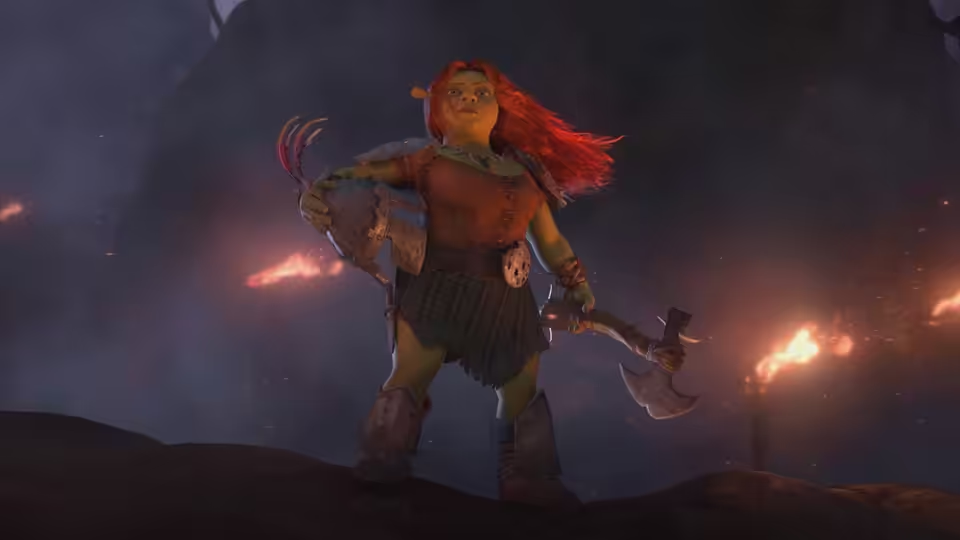
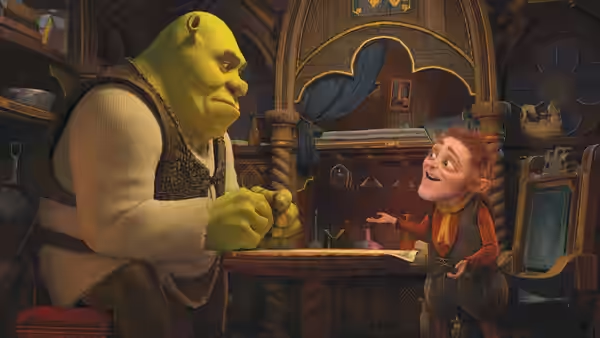
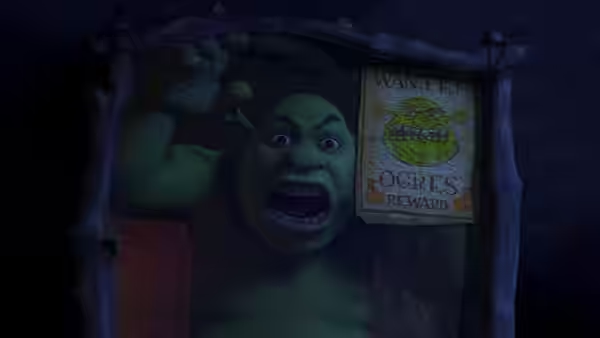
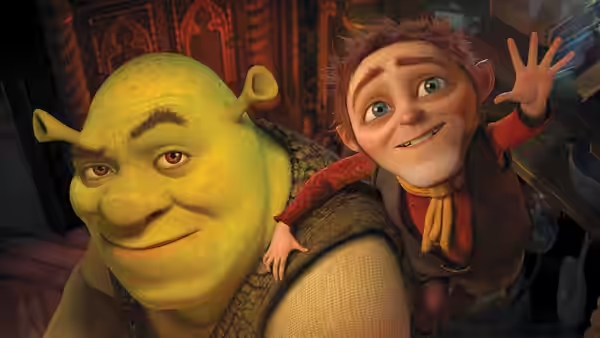
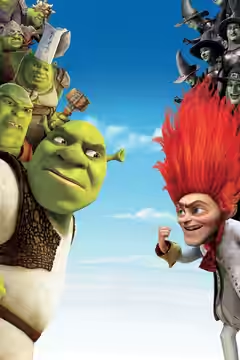
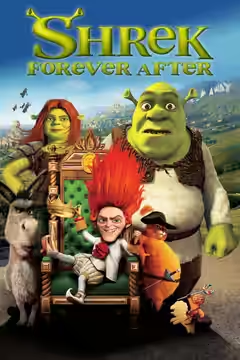
Enter Rumpelstiltskin, voiced by Walt Dohrn as a small, needy man with a different wig for every mood. He offers Shrek one day as a proper ogre, feared and free, in exchange for one day from his past, and Shrek signs without reading. The world he wakes into is where Peter Zaslav earns his credit. Far Far Away’s castle has gone to ruin, the sky is the grey of washing-up water, witches patrol on broomsticks and run ogres in chain gangs, and Rumpelstiltskin holds court in a palace of candles and mirrors with a goose at his side.
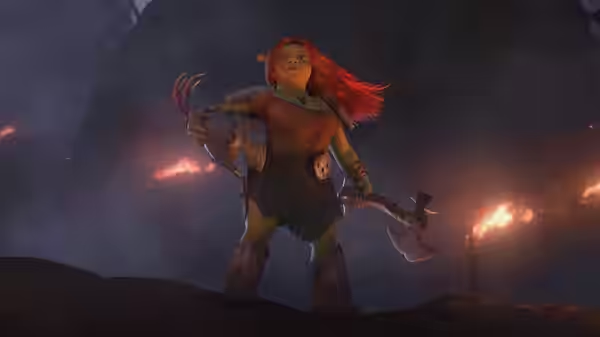
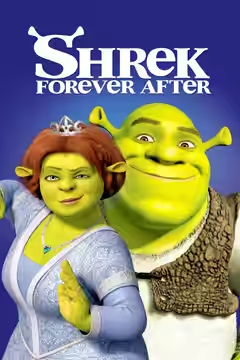
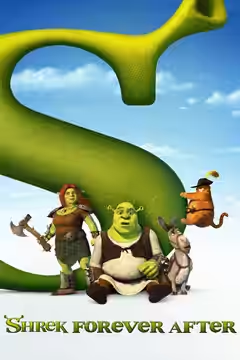
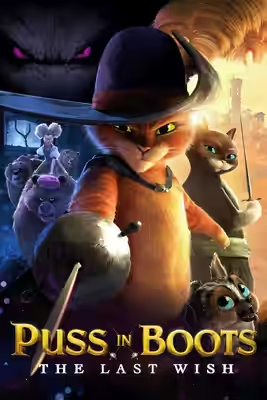
The returning cast are given one good variation each. Cameron Diaz’s Fiona is now the leader of an ogre resistance who has never met Shrek and has no intention of being rescued, and Diaz plays her harder and better for it. Eddie Murphy’s Donkey is pulling a witch’s wagon and has no idea who this ogre is, which lets Murphy be frightened of Shrek again, and he is still the quickest voice in the film. Antonio Banderas’s Puss in Boots has become a pampered house cat the size of a cushion, and the sight of him trying to leap and failing got the loudest laugh out of us in the whole 93 minutes.
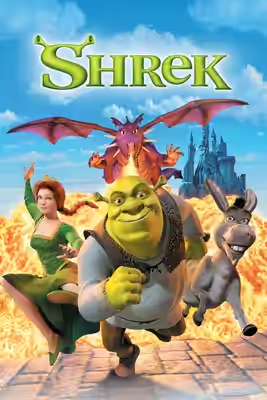
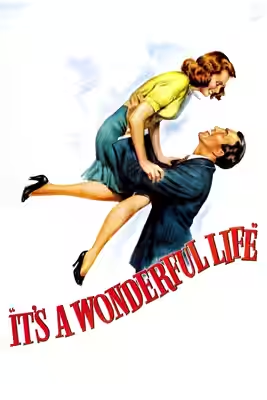
The problem is that we have been here before, and the film knows it. An ogre who wants to be feared learns that he would rather be loved; a princess who does not need him comes round. That was Shrek (2001), and it was fresher then because the fairy-tale jokes were new and nobody had drawn the swamp before. Here the pop-culture needling has mostly gone, which is a mercy, but nothing much replaces it except a shape borrowed from It’s a Wonderful Life (1946) and a clock running down. The Pied Piper sequence, in which an army of ogres is made to boogie against its will, is the only set piece we would show to someone who had not seen the film.
Harry Gregson-Williams brings back the series’ old themes and plays them slower and sadder in the altered world, which does a good deal of the emotional work the script is too busy for. And the last stretch, which we will not describe, got us a little. Mike Myers and Diaz play the final scenes straight, with no gag to hide behind, and after four films and a great deal of noise the quiet landed harder than it had any right to. We were slightly embarrassed to be moved. We were moved all the same.
It carries a U certificate and it runs 93 minutes, and it does the thing a fourth film is for, which is to stop with some dignity. Children who like the ogre will like it. Adults who were tired of him by the third will find the tiredness has been written into the script and turned, just about, into a subject. Watch it at home with the children, and stay awake for the opening twenty minutes even if you plan to doze through the middle.