Film review

Shrek

2001 · Directed by Andrew Adamson, Vicky Jenson · 1h 30m · MPA PG

In a sentenceA talking donkey is excellent company, provided Eddie Murphy is doing the talking

AnimationComedyFantasyAdventure

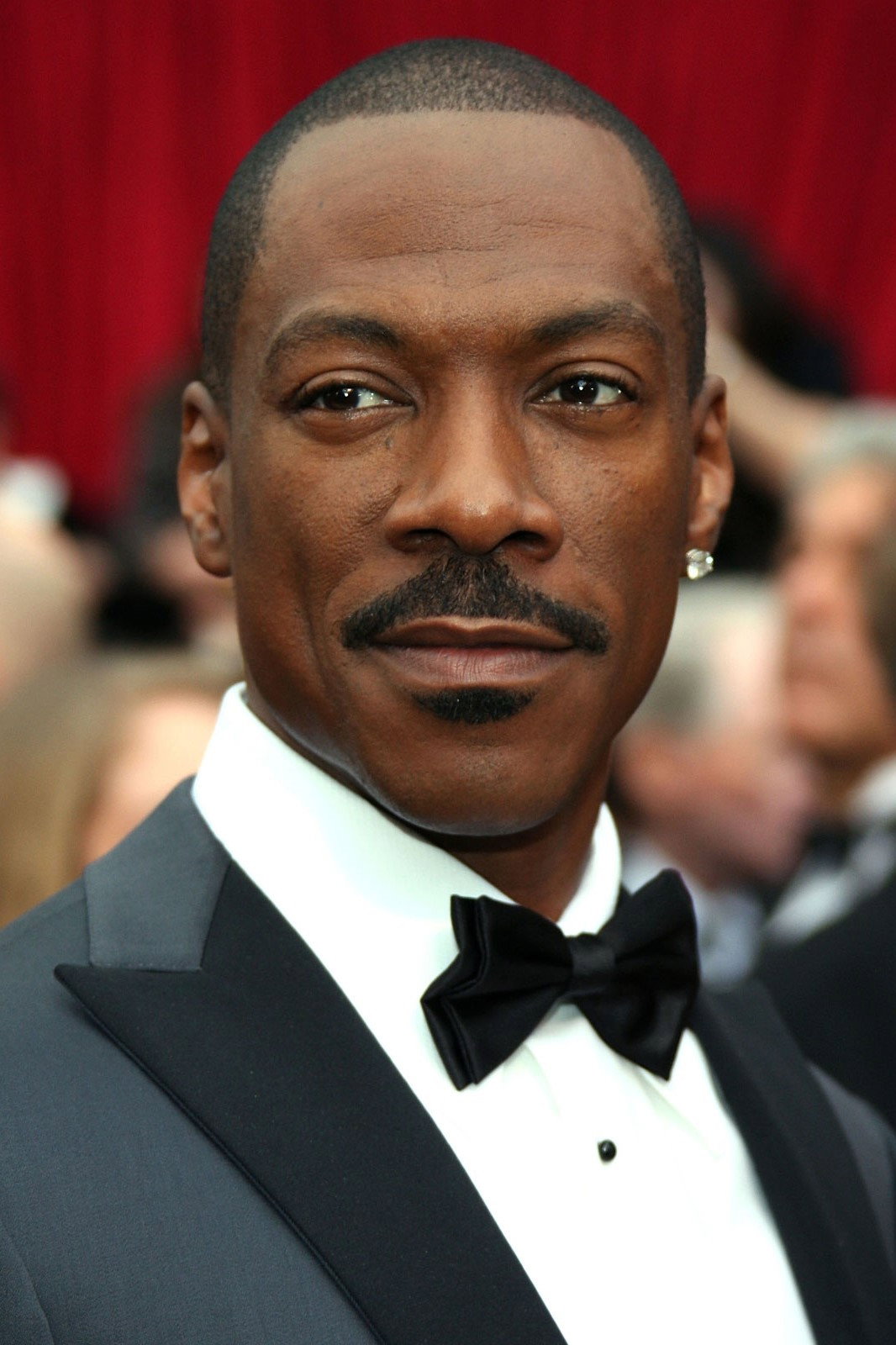
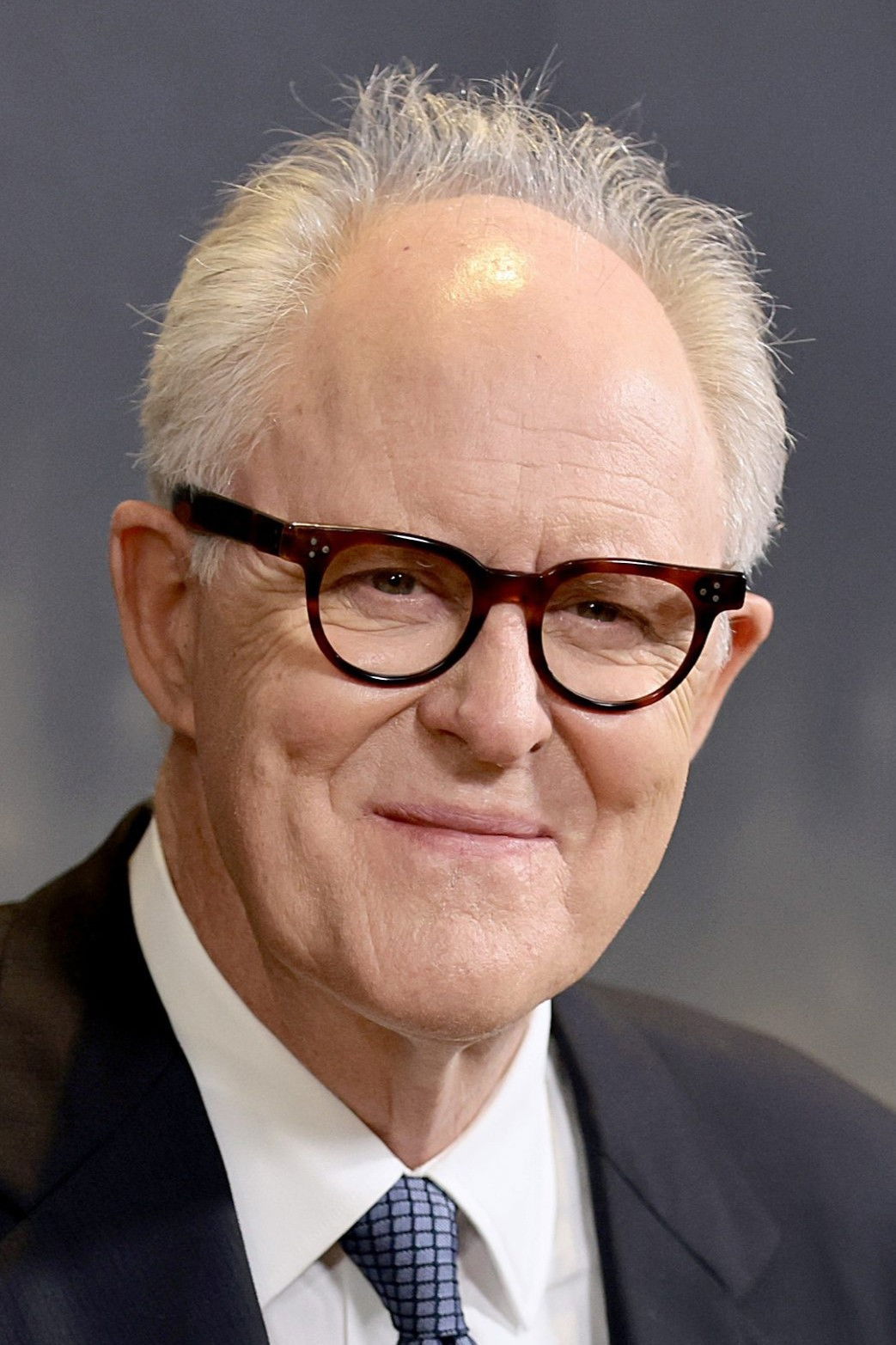
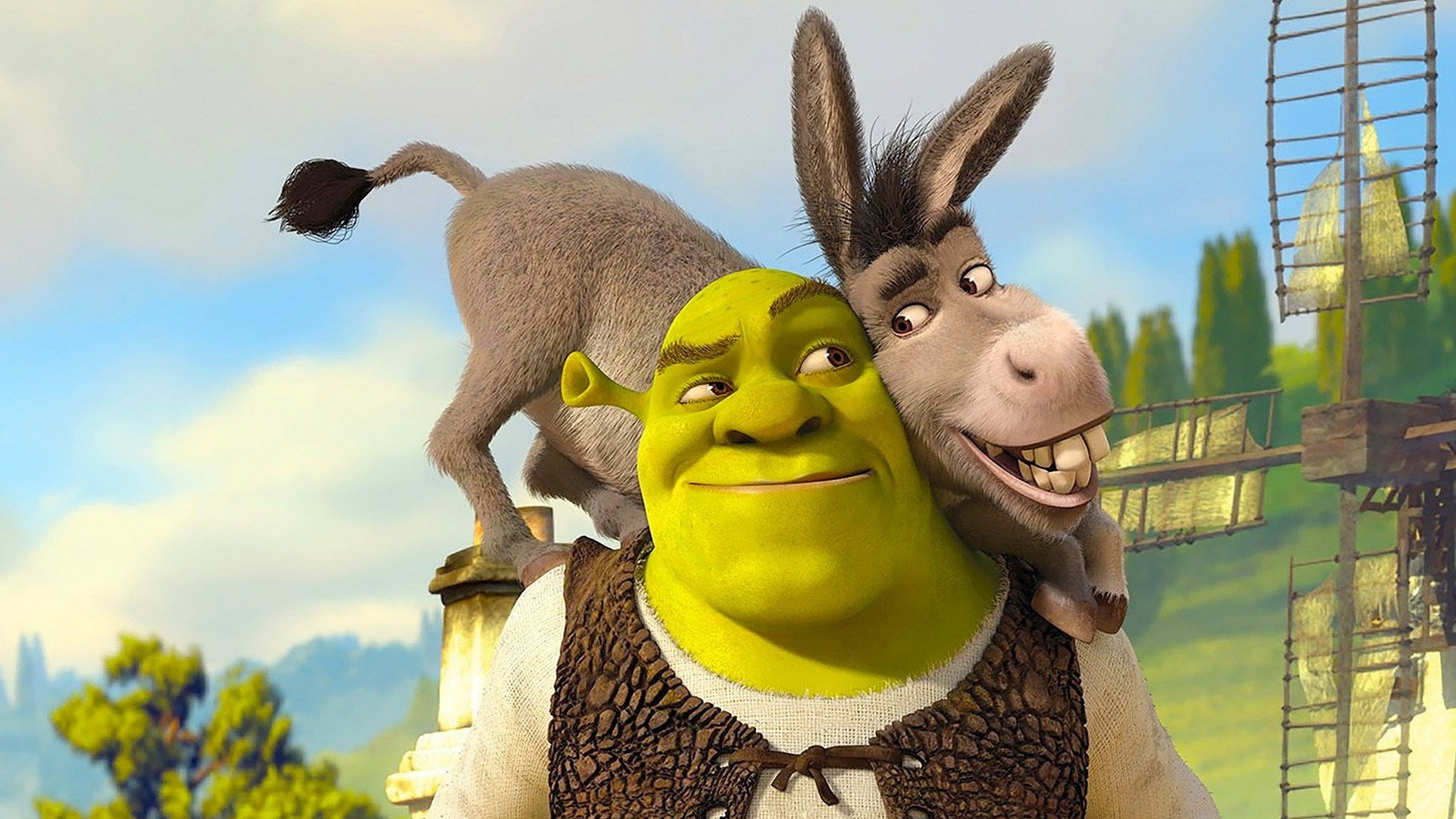
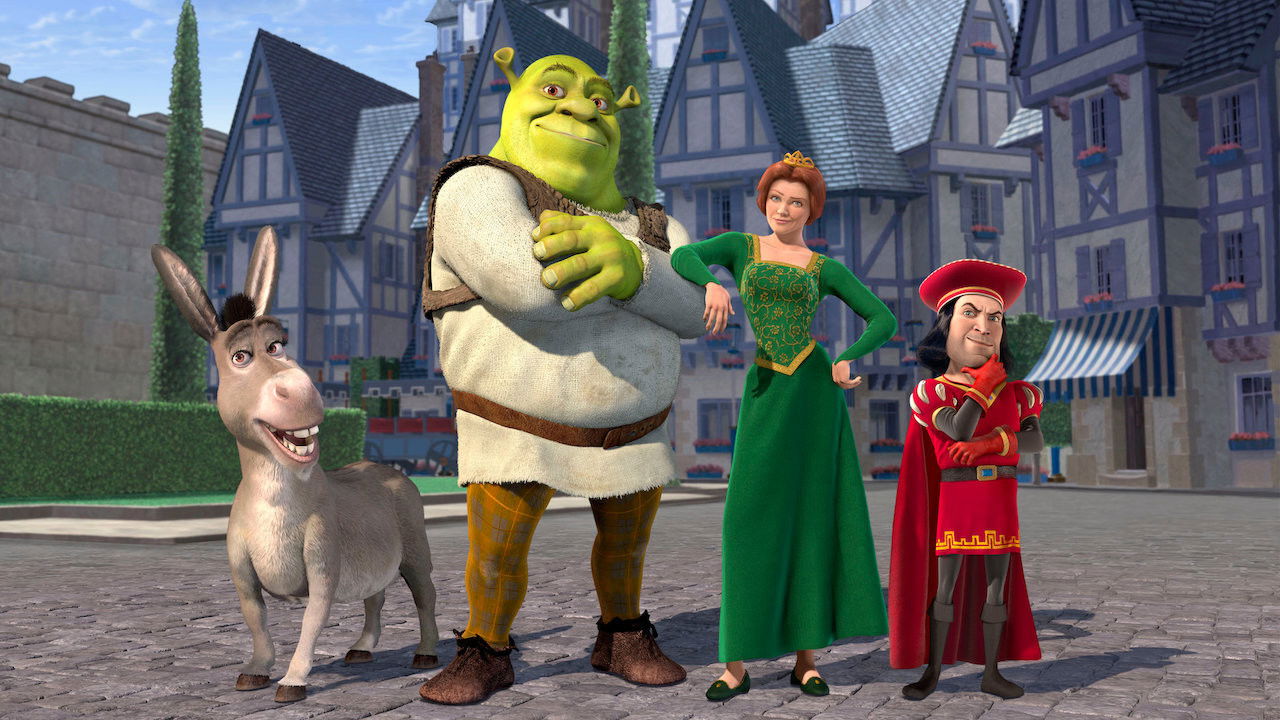
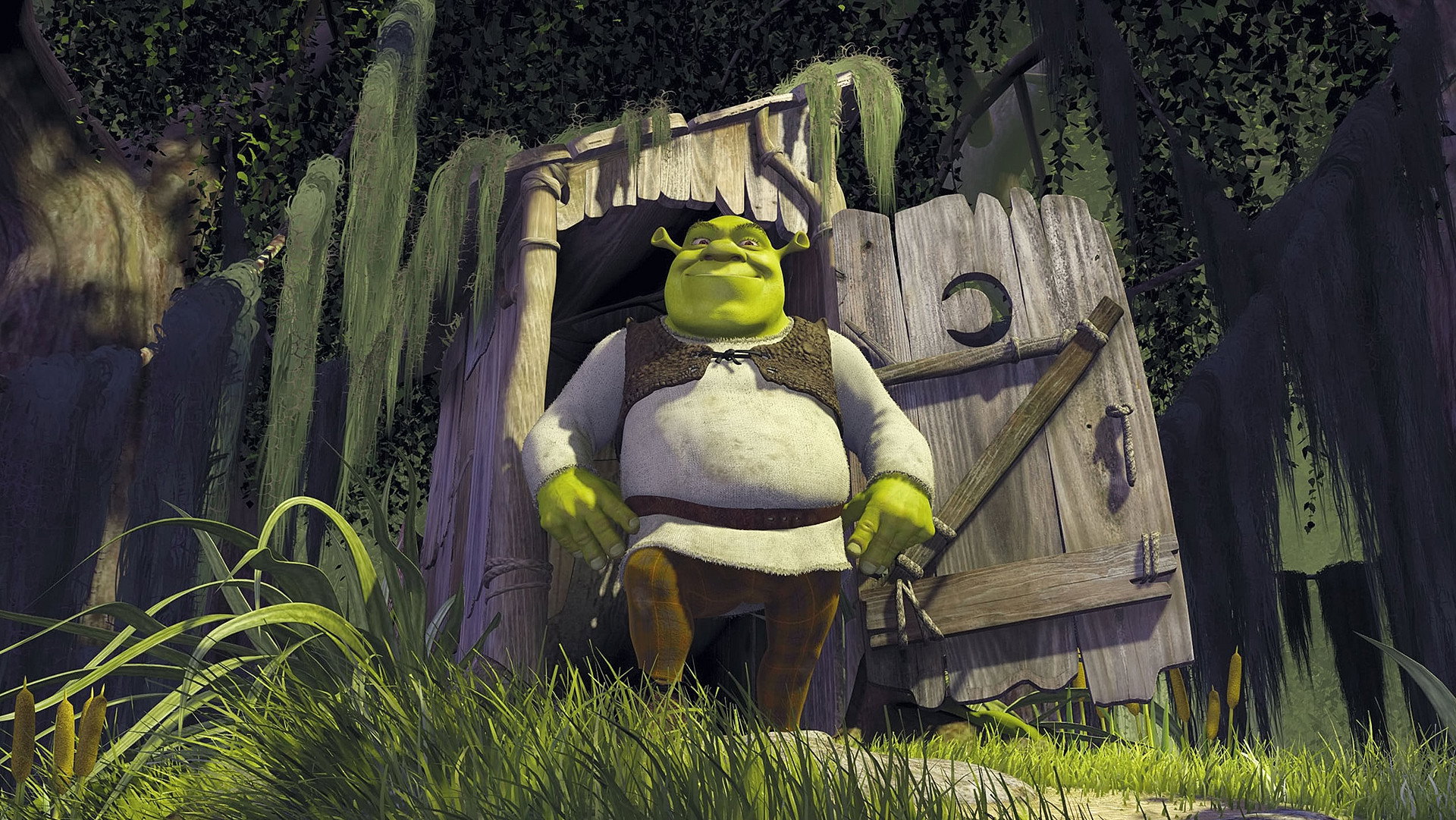
Shrek (voiced by Mike Myers) is an ogre taking the leading role in a fairy tale, with all the expectations about heroes and monsters that brings. Eddie Murphy voices the fast-talking Donkey, while Cameron Diaz plays Princess Fiona and John Lithgow plays Lord Farquaad. Their story involves adventure, romance and the business of being judged by appearances. Shrek’s own feelings about himself complicate the question of who might accept him. Familiar fairy-tale characters and conventions become part of a comedy that mixes slapstick, toilet humour and pop-culture references with its story about acceptance.

Plays from YouTube when you press play; nothing loads from them until then.

Fi1m review

Shrek is a funny, warm-hearted fairy-tale comedy whose characters outlast its pop-culture jokes. Andrew Adamson and Vicky Jenson get plenty from an ogre and a talkative donkey, even when the storytelling settles for the familiar.

Shrek wants to be rude about fairy tales, and it is funniest when it remembers to make us like the people behaving badly. Directors Andrew Adamson and Vicky Jenson put an ogre in the leading role and set about teasing the conventions. We recommend it for the voices and the affection beneath the bad manners. The jokes about other entertainment are a less reliable attraction, especially when recognising the reference is most of the joke.

Mike Myers gives Shrek enough defensiveness to make his dislike of himself matter, without making him tiresome company. Eddie Murphy’s Donkey is the more immediate pleasure: the speed of the chatter suggests another thought has arrived before the previous one has been dealt with. We laughed at Donkey’s verbal persistence, and then found ourselves warming to it. Murphy makes all that talking sound like a need for company, which is more useful than merely giving the comic sidekick extra lines.

Cameron Diaz gives Princess Fiona enough firmness to hold her own against the louder performances, while John Lithgow makes Lord Farquaad’s self-importance enjoyably silly. The cast can make an exchange funny before the script has finished arranging its punchline. Writers Ted Elliott, Terry Rossio, Joe Stillman and Roger S.H. Schulman do their most satisfying work when they let these personalities irritate each other. Pointing at a familiar fairy-tale convention produces less dependable laughs.

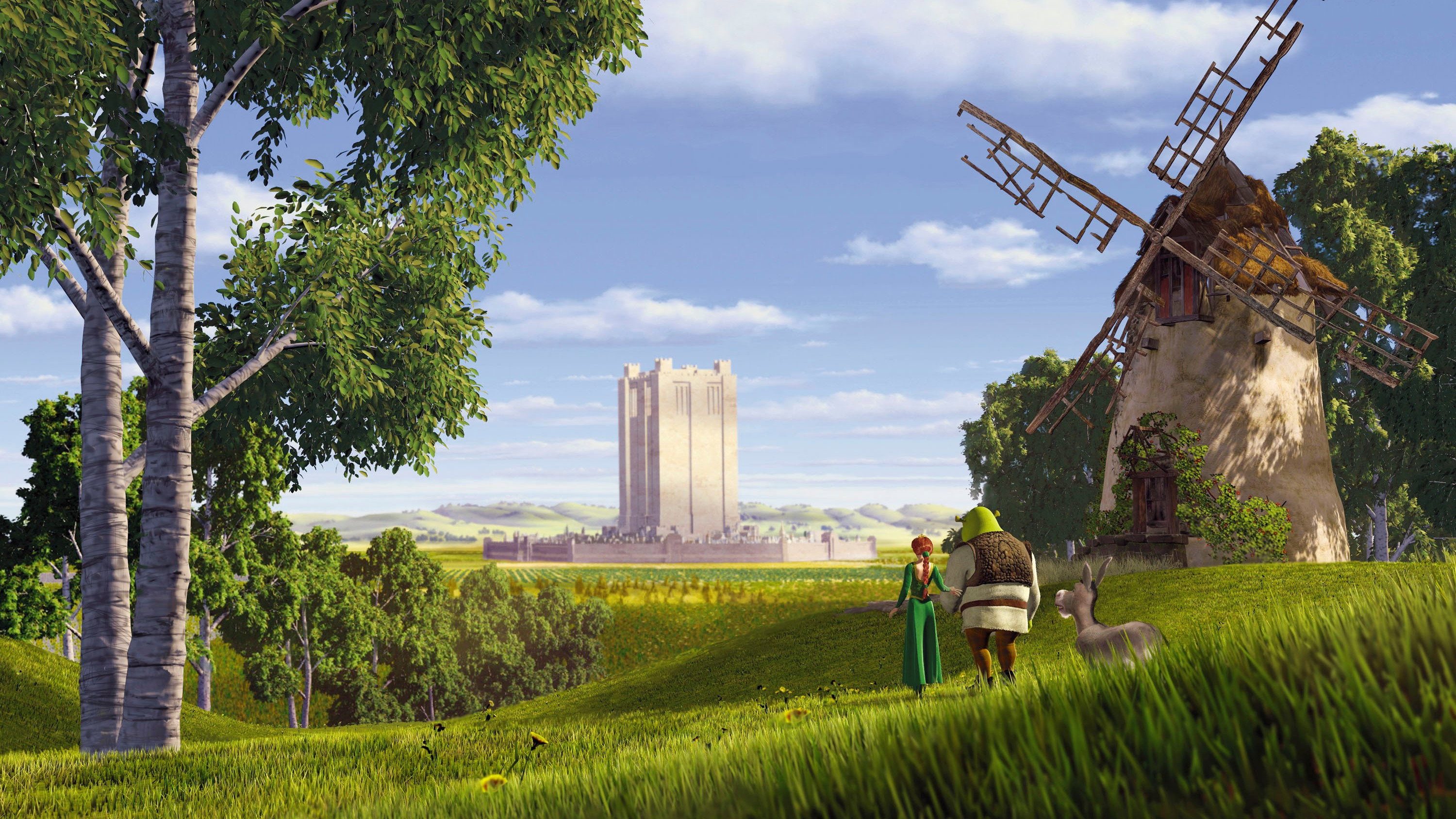
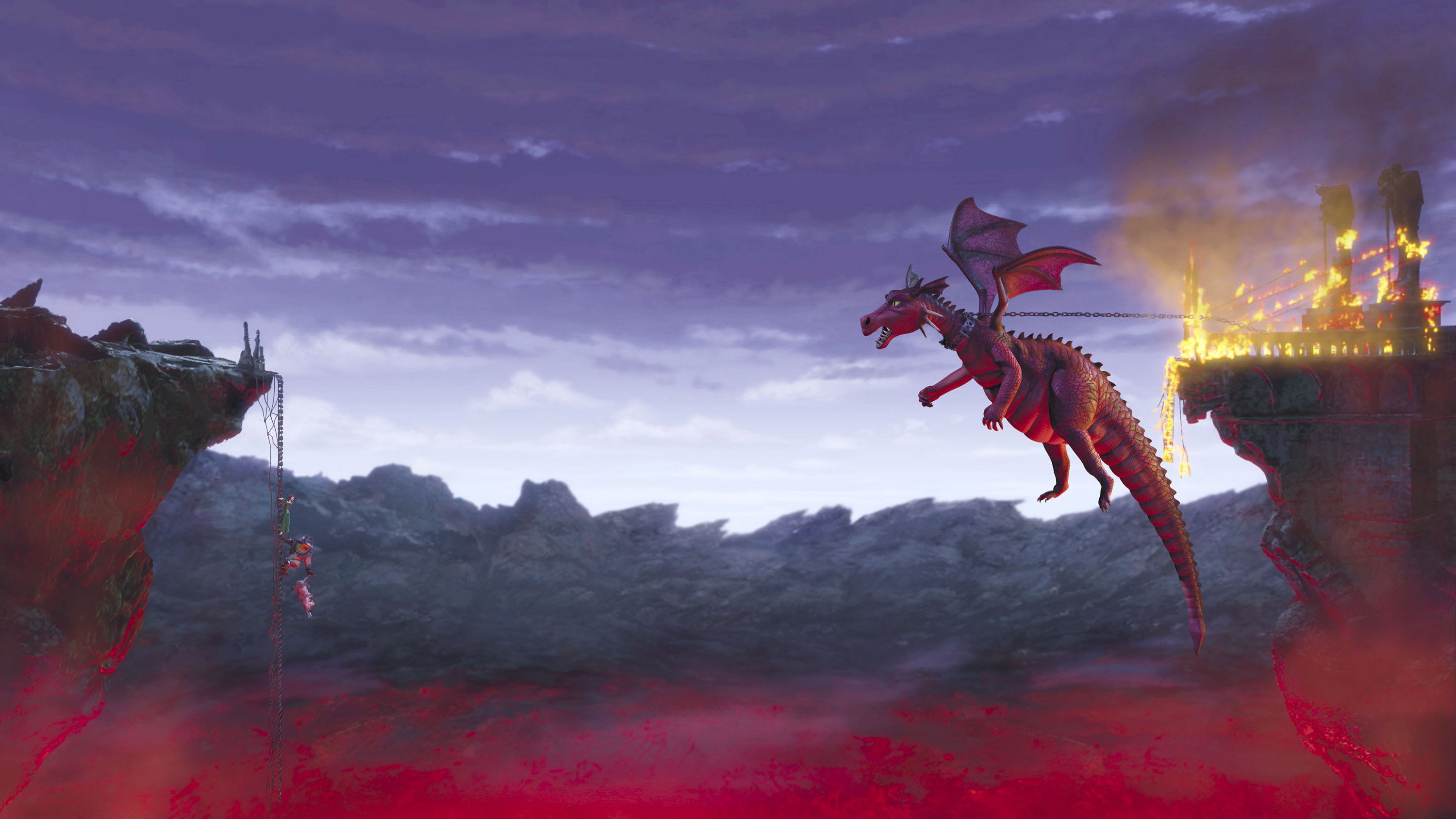
James Hegedus’s production design makes the fairy-tale setting immediately recognisable, which gives the parody a useful start. There is pleasure in the computer animation’s attention to surfaces, though the polish itself is not what makes the characters engaging. Their expressions need to keep pace with the voices, and mostly they do. The visual comedy works because we can follow a reaction as well as hear a gag, without being distracted by the effort involved in making it.

Editor Sim Evan-Jones gives the rapid dialogue room to land; at 90 minutes, the film seldom makes a comic idea serve longer than it should. John Powell and Harry Gregson-Williams’s music takes the adventure and the feeling seriously enough to support them. That helps when the jokes make way for the story’s concern with appearances and acceptance. The film needs some straightforward tenderness if its hero’s unhappiness is to mean anything, and the music is willing to supply it.

The crude jokes are uneven, but crudeness is hardly a betrayal of a film with this appetite for bad manners. The more wearing passages are the pop-culture nudges, where the writers seem pleased simply to have noticed something the audience knows. They interrupt the pleasure of spending time with these characters. Nor does mocking a familiar sort of story prevent Shrek from following one, and its sincerity sometimes arrives with more insistence than we need.

For a family fantasy, the useful achievement is that the comedy and the wish to be accepted belong to the same characters, rather than feeling like separate jobs. Adults can enjoy the personalities without waiting for a reference aimed over the children’s heads. The characters give us enough reason to care, even when the film is busy advertising its cleverness. Watch it with someone who claims not to like cartoons, and give Murphy a few minutes.

Critical consensus AI synthesised

74
Positive
7
Mixed
1
Negative
1

Most critics respond warmly to Shrek’s irreverent fairy-tale comedy, praising the way its Disney barbs and pop-culture jokes entertain adults without losing younger viewers. The praise clusters around the witty writing, expressive computer animation and lively voice performances, with Eddie Murphy repeatedly singled out. For the more enthusiastic reviews, the characters’ warmth matters as much as the mockery: the film finds room for affection and a message of acceptance alongside its ruder jokes.

The reservations concern how far that irreverence really goes, and the responses range from enthusiastic approval to outright dislike. Time Out admires the technical work and individual gags but finds a conventional story beneath them, softened by earnest sentimentality. Slant Magazine is more dismissive, acknowledging the challenge to Disney’s fairy-tale habits while arguing that crude humour and empty pop references squander it; the divide is chiefly over the writing rather than the animation.

RogerEbert.com
18 May 2001 · Roger Ebert
90*

The critic praises the film's witty, subversive humor and visual innovation, highlighting its departure from typical family animations while maintaining heart and likability in the characters.

Read the full review →
Variety
4 May 2001
90*

Calls it an instant animated classic that rudely sends up fairy tale traditions while embodying them, with smart writing, game vocal performances, and stunning visuals.

Read the full review →
Los Angeles Times
16 May 2001 · Kenneth Turan
80*

The critic finds it a gleeful, witty fractured fairy tale with clever writing, standout voice work especially from Eddie Murphy, and smart pop culture references that appeal to both kids and adults.

Read the full review →
Radio Times
★★★★ · Andrew Collins
80

This irreverent, occasionally scatological fantasy launched a hit franchise; the characters carry the beauty-and-the-beast story, with kids loving it and adults enjoying the Disney-mocking.

Read the full review →
Screen Daily
18 May 2001 · festival review
80*

An enchanting animated feature providing constant delights for the eye while never neglecting the mind, with sophisticated subtext, racy Disney barbs and family fare at its best, destined to become a classic.

Read the full review →
Sight and Sound
· Kim Newman
70*

The critic calls it a film of marvels if not quite a marvellous film, praising its gag-filled approach to fairytale parodies, zany characters and CGI innovations in texture and effects.

Read the full review →

Cast

Stills

Awards

Academy Awards, 2002

Nominated
Best Writing, Adapted Screenplay
Won
Best Animated Feature

Kids' Choice Award for Favorite Movie, 2002

Nominated
Kids' Choice Award for Favorite Movie

Annie Award for Best Animated Feature, 2001

Won
Annie Award for Best Animated Feature

BAFTA Film Awards, 2001

Won
BAFTA's Children & Young People Award - Feature Film

Critics' Choice Awards, 2001

Won
Best Animated Feature

If you liked this, try…

The Princess Bride poster

The Princess Bride

1987 · Another fairy tale with jokes sharp enough to leave its tenderness intact.

Beauty and the Beast poster

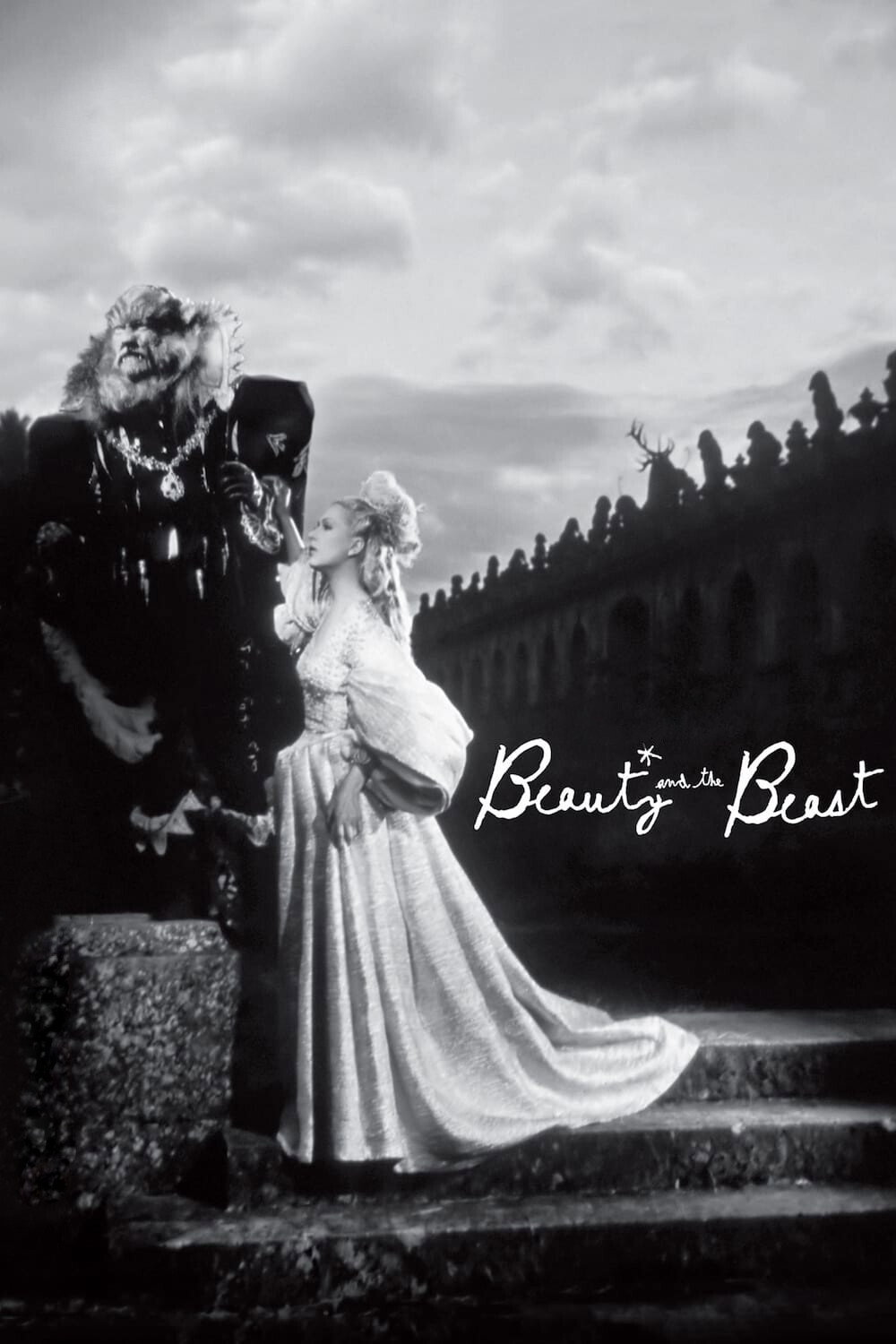
Beauty and the Beast

1946 · For the monster’s loneliness, taken seriously and given room to be unsettling.

A Town Called Panic poster

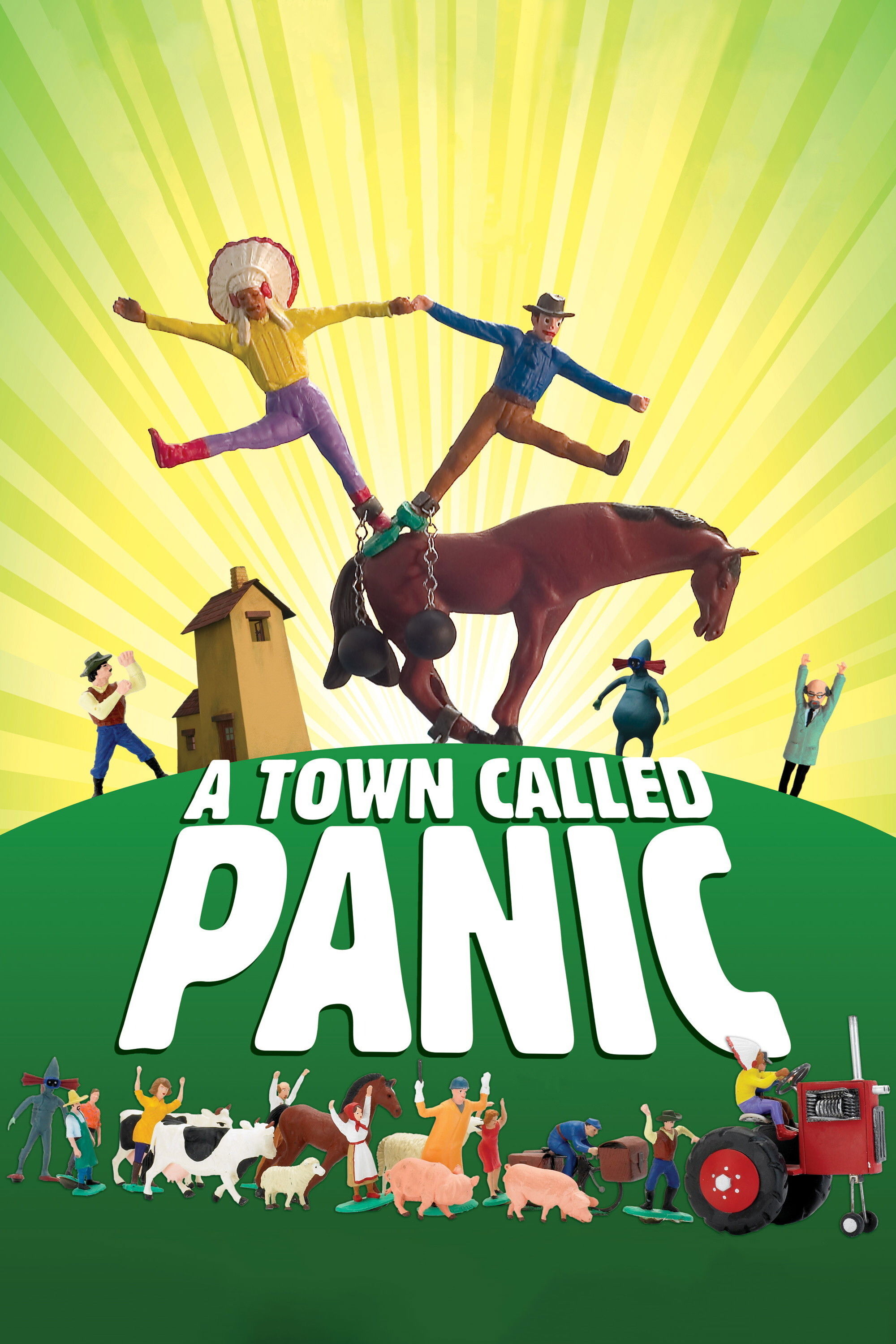
A Town Called Panic

2009 · Talking animals and appalling behaviour, with even less concern for sensible plotting.

Wallace & Gromit: The Curse of the Were-Rabbit poster

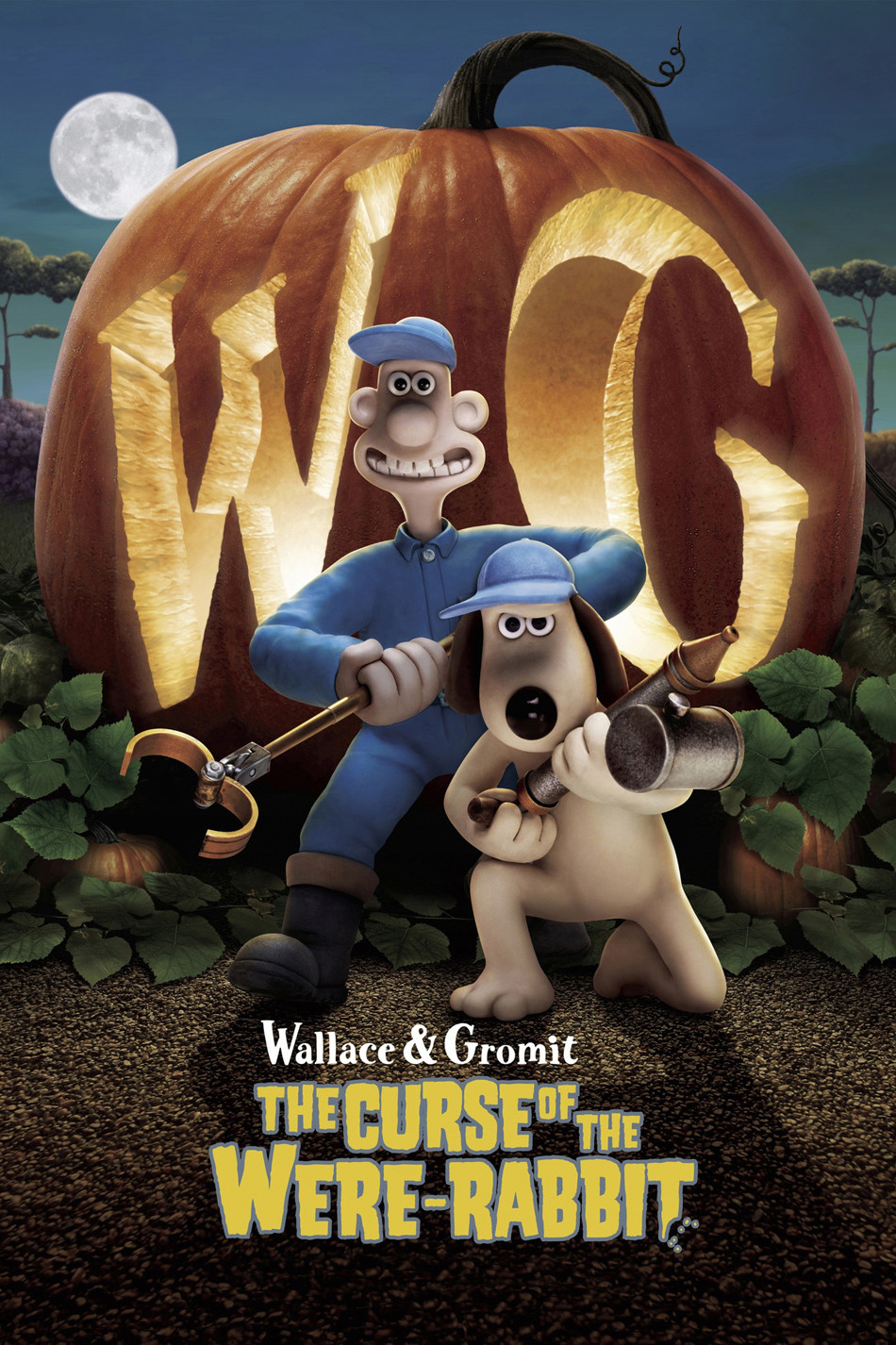
Wallace & Gromit: The Curse of the Were-Rabbit

2005 · Creature comedy with patient visual jokes and an affection for the ridiculous.

My Life as a Courgette poster

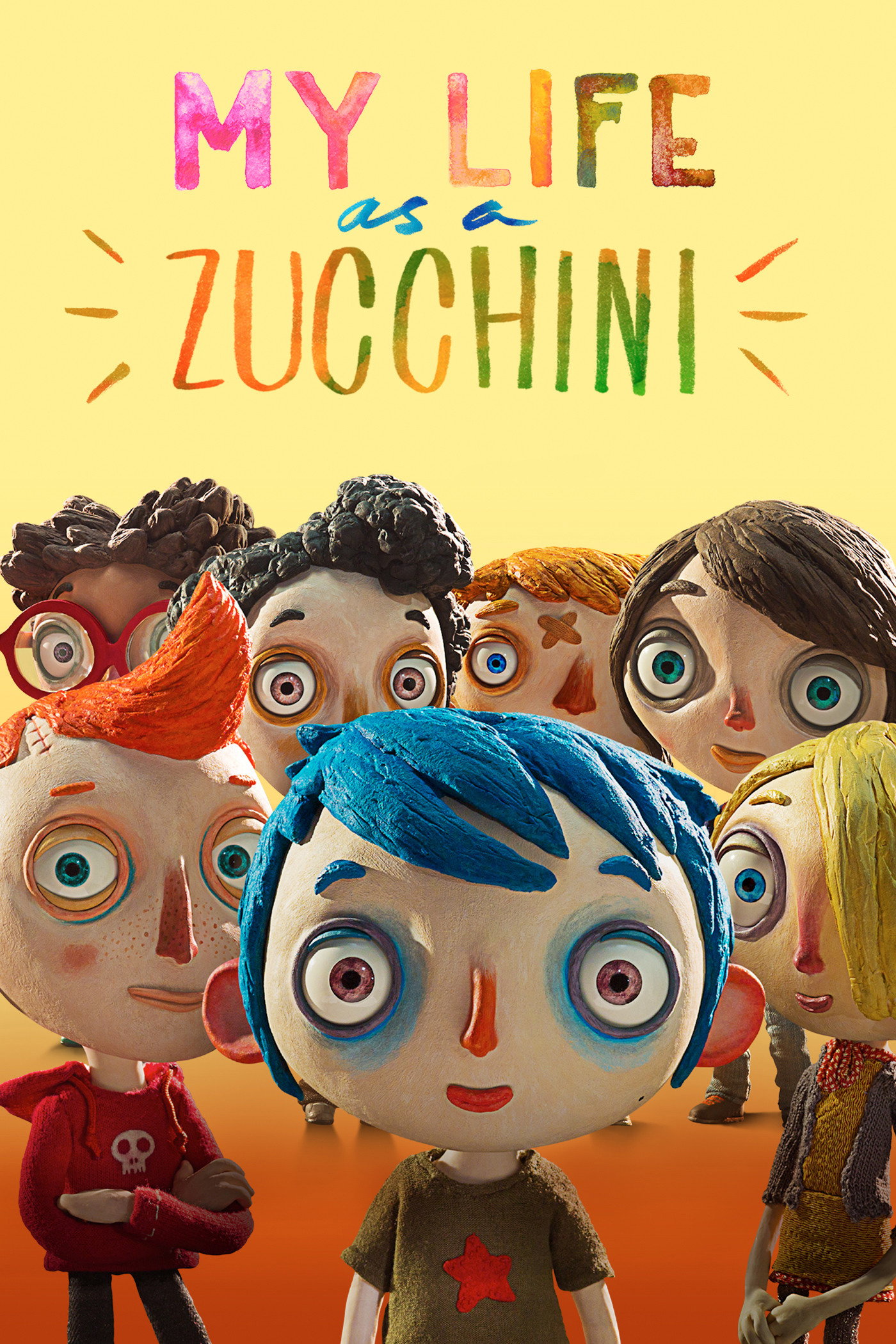
My Life as a Courgette

2016 · A quieter animation about being unwanted, with warmth that survives difficult feelings.