Film review

Southern Comfort

1981 · Directed by Walter Hill · 1h 46m · MPA R

In a sentenceThe swamp is bad enough; having these men for company seems an unnecessary additional punishment

ThrillerWar

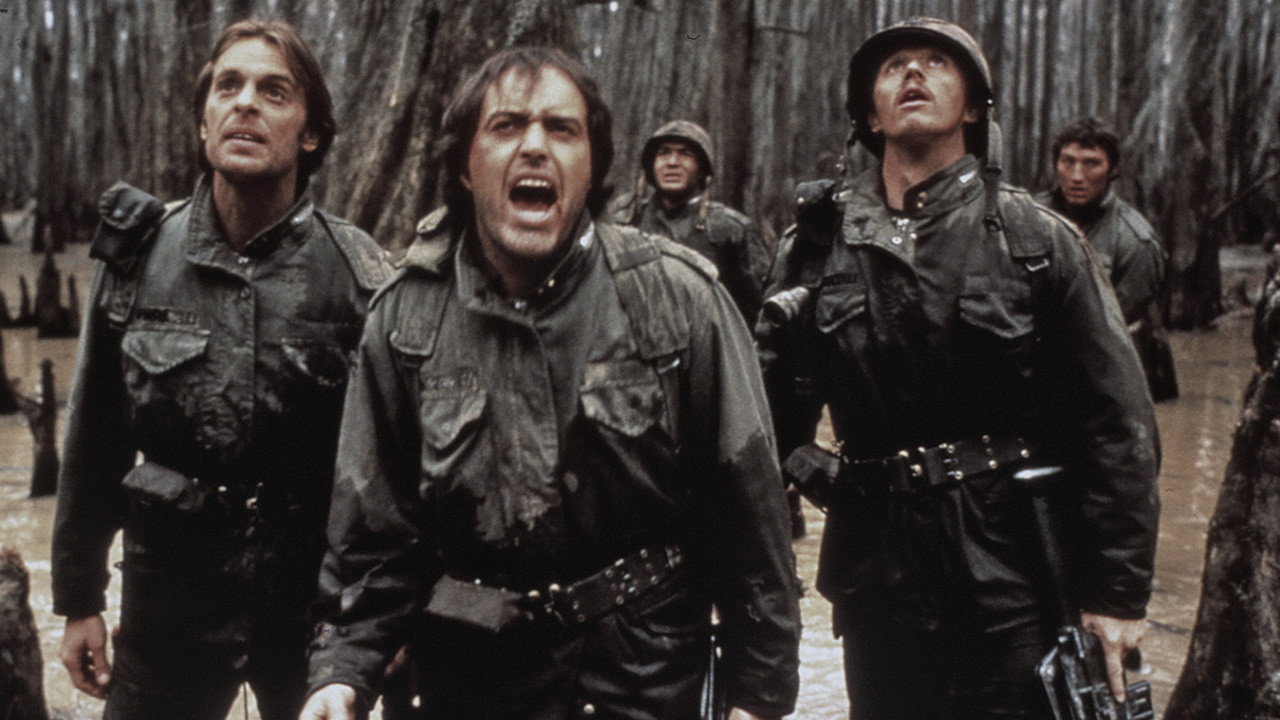
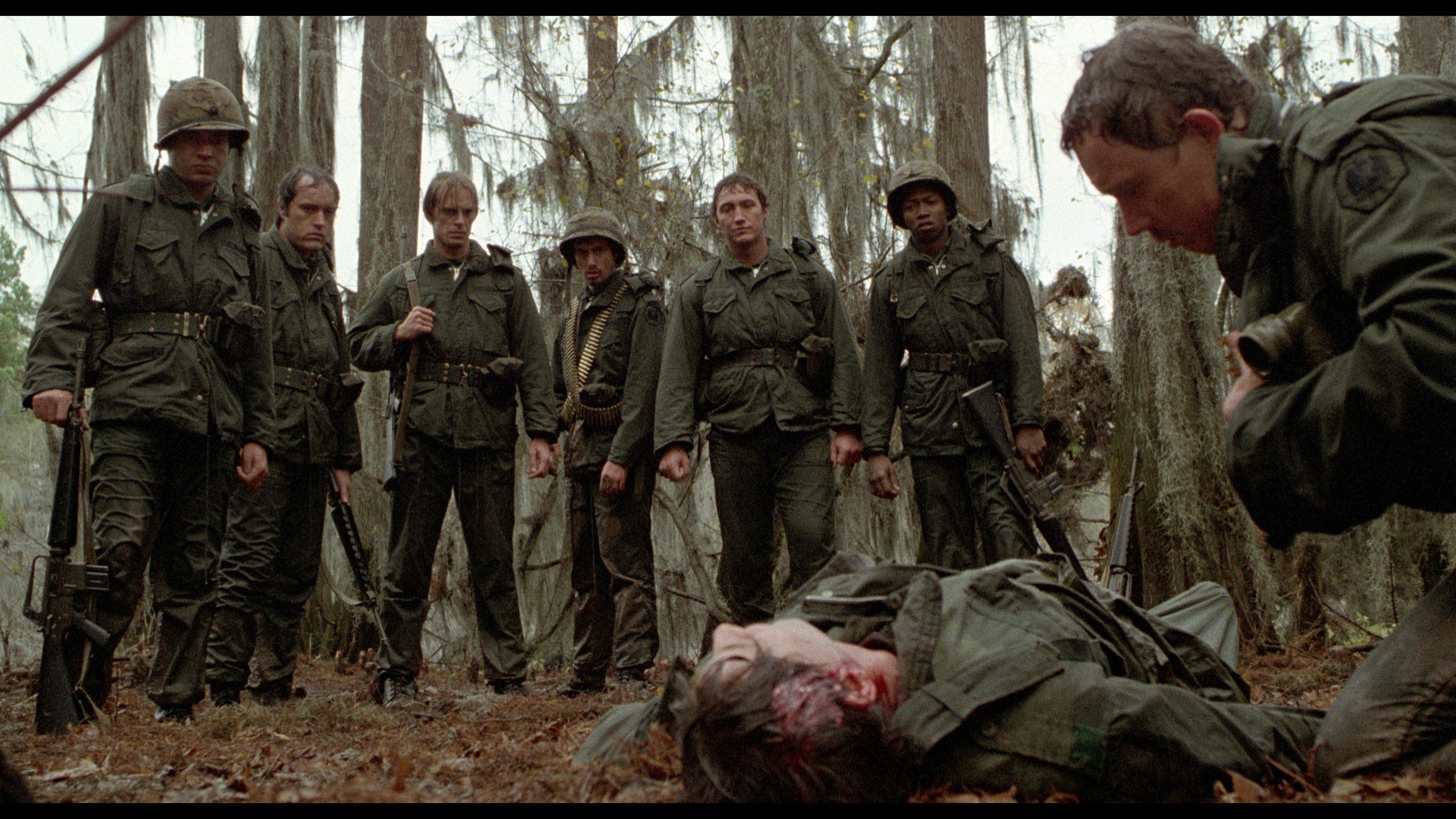
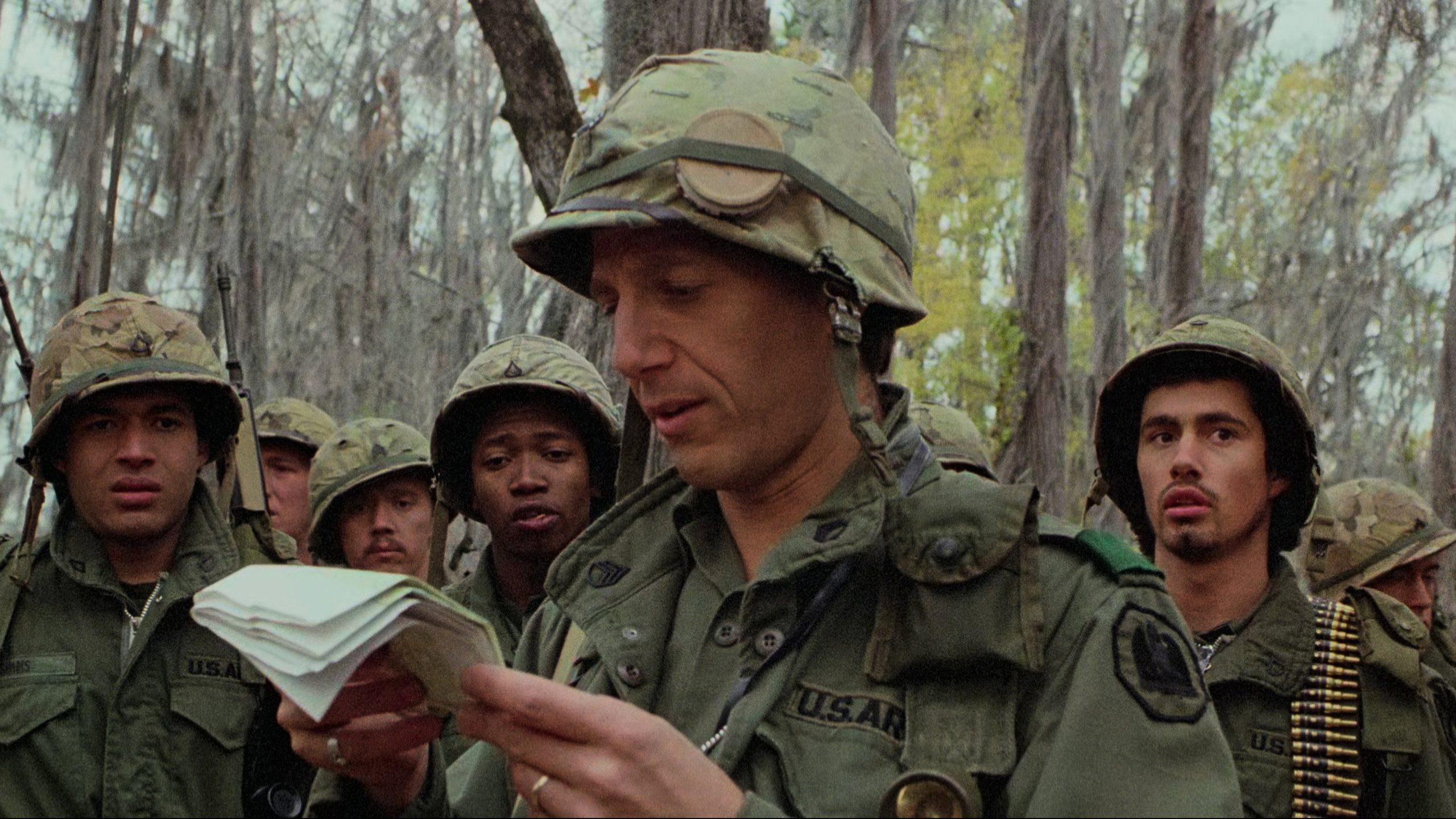
In the Louisiana bayou, a group of ill-trained National Guardsmen clashes with local Cajun hunters. Among the soldiers are Spencer (Keith Carradine), Hardin (Powers Boothe) and Reece (Fred Ward). What begins as an encounter between armed outsiders and people who know the swamps becomes a fight to get out alive. The guardsmen cannot read the ground around them, and their own group offers little reliable leadership. Surrounded by water, trees and mist, they have to decide how to deal with the hunters and with one another, while the unfamiliar bayou gives them little room for error.

Plays from YouTube when you press play; nothing loads from them until then.

Fi1m review

Walter Hill’s Southern Comfort is a tense, spare survival thriller with an oppressive swamp setting and a strong ensemble. Its soldiers can be thinly drawn, but the fear is hard to shake.

Southern Comfort gets considerable suspense out of a simple difficulty: being lost with people whose judgement cannot be trusted. Walter Hill puts ill-trained National Guardsmen into the Louisiana bayou, where a clash with Cajun hunters exposes how poorly prepared they are. It is a forceful, frightening thriller, though several of the men remain too thinly drawn. The danger of the swamp is compounded by the possibility that a companion will make everything worse.

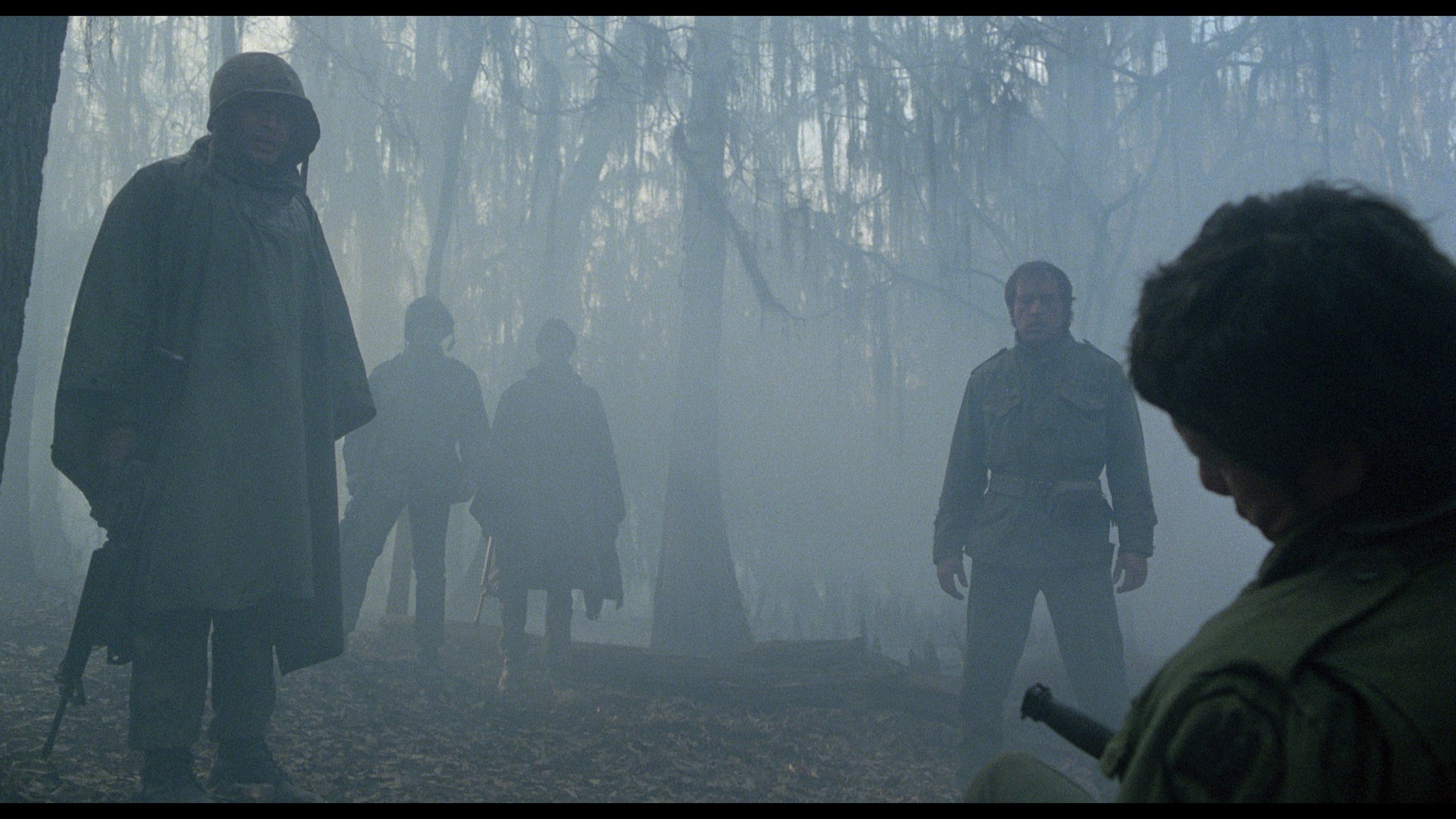
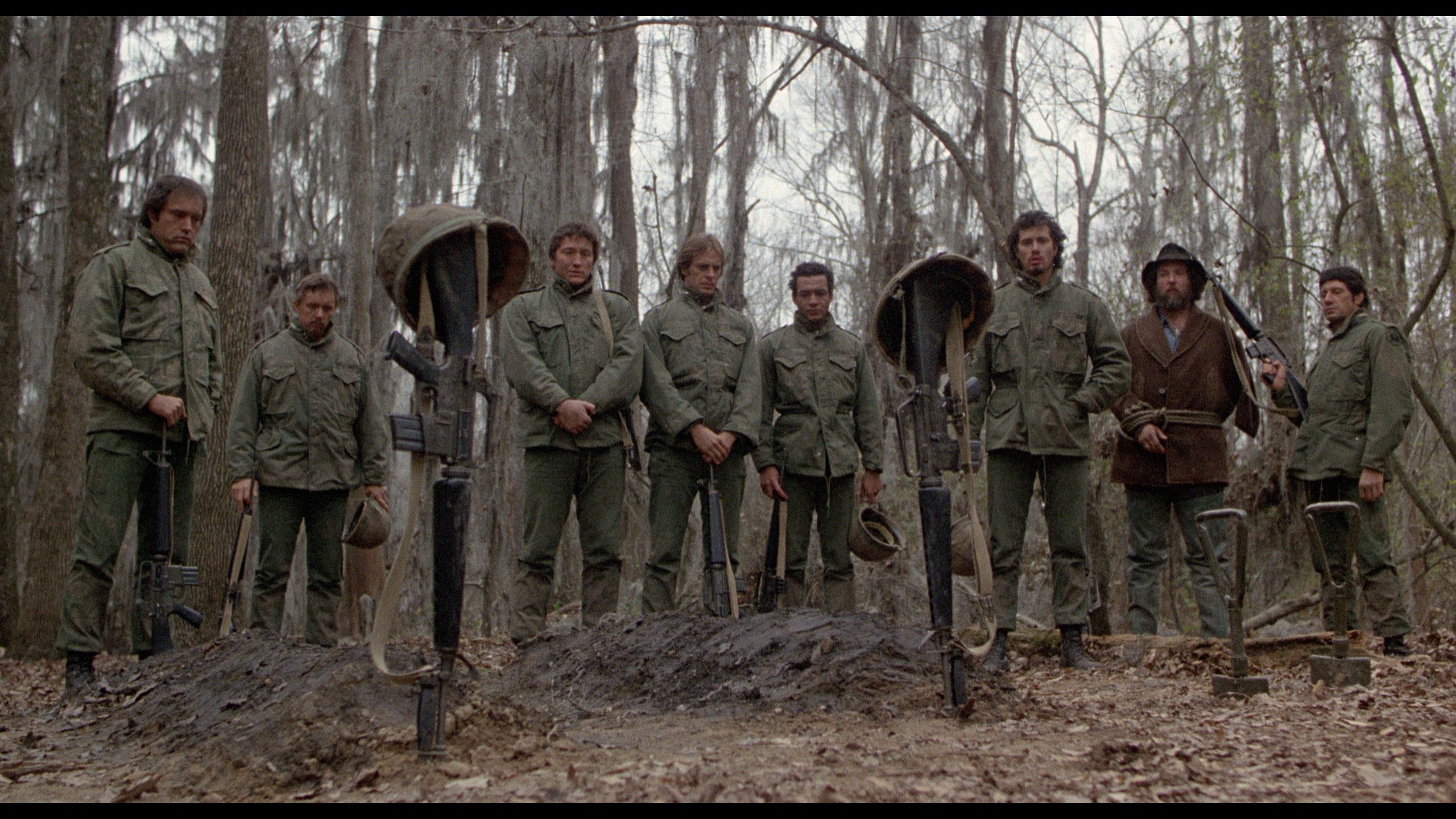
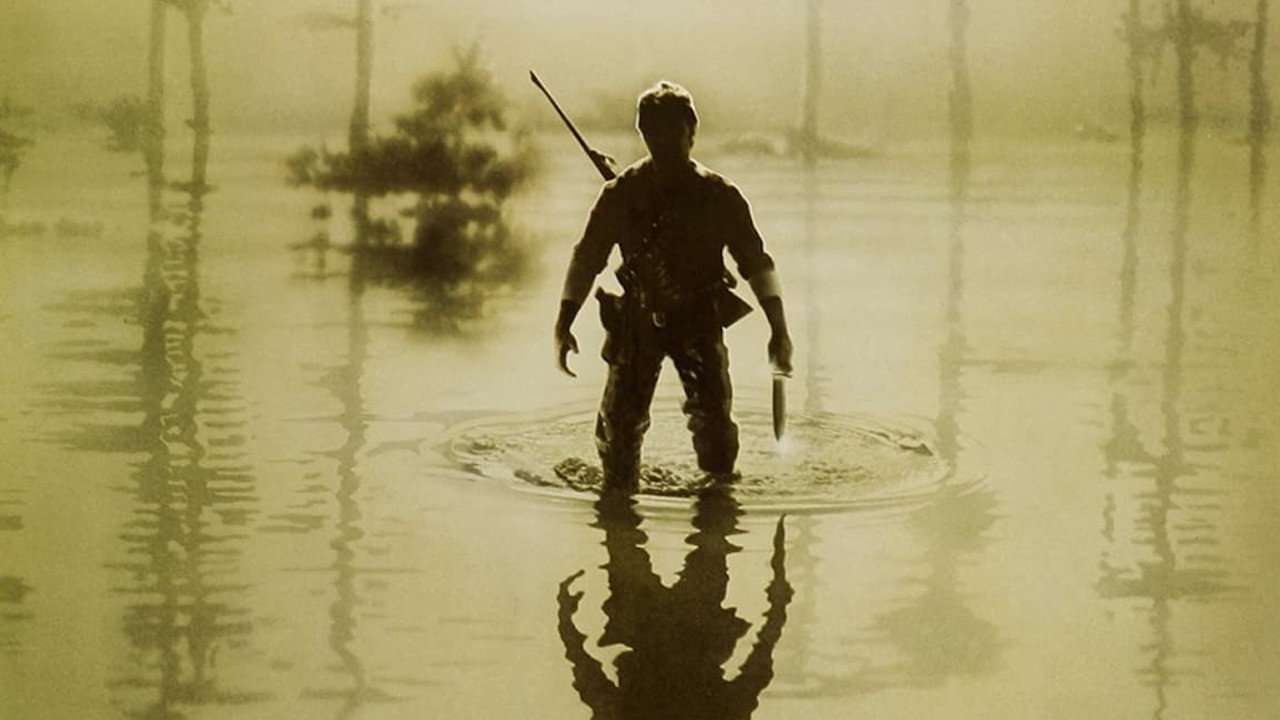
Andrew Laszlo’s cinematography makes the misty bayou difficult to read: the men occupy the image without seeming to understand the space around them. Looking into the distance offers no useful sense of where to go. We felt trapped by those views of the swamp. The fear comes from being unable to see a clear route through the place, even when there is nobody visibly blocking the way. John Vallone’s production design is unobtrusive enough to let the water, trees and mist dominate.

Keith Carradine as Spencer, Powers Boothe as Hardin and Fred Ward as Reece give the group enough human weight to keep the pursuit from becoming a sequence of exercises in suspense. The ensemble is persuasive at showing how fear makes these men worse company for one another. We spend much of the film looking for evidence of judgement and getting aggression instead. That is a useful way to unsettle an audience: even a pause in the hunting offers little prospect of rest.

The screenplay by Walter Hill, Michael Kane and David Giler is less convincing when it needs to establish who the soldiers might be outside this predicament. Some are assigned a failing and left to demonstrate it. We can too often guess the kind of mistake a man will make before he makes it. That predictability takes a little force out of the pursuit. The actors keep the group watchable, but they cannot supply everything the writing leaves out.

As a military thriller, the film does something useful with the expectation that training and comradeship will get people through. Here, the lack of dependable leadership makes being part of a unit another reason to worry. The Vietnam reading is readily available in the spectacle of armed Americans mishandling an encounter with local people on unfamiliar ground. We need no elaborate explanation of the parallel, and the film is most persuasive when it lets us watch the men struggle rather than asking us to consider what each might represent.

Freeman A. Davies’s editing gives the group’s friction enough room to matter between the threats from outside. That helps the suspense: we have to sit with men who cannot agree on how to behave. Ry Cooder’s eerie score offers no reassurance, making even the stretches between action uncomfortable. It suits the grey bayou better than any rousing military accompaniment could. Do not choose it as a way of winding down.

Critical consensus AI synthesised

75
Positive
10
Mixed
2
Negative
1

Most critics find Southern Comfort a tense, spare thriller, with praise centred on Walter Hill’s control of action and the oppressive Louisiana bayou setting. The reviews repeatedly credit the photography and sound with making the swamps feel disorientating and dangerous, while strong ensemble performances give force to the soldiers’ collapsing group discipline. Many also find substance in its Vietnam parallels and its treatment of male violence, though atmosphere and suspense draw broader agreement than the politics.

The spread is wide despite the clear positive majority, and the allegory is the main dividing point. Radio Times treats Vietnam as a distraction from the film’s unsettling action, while RogerEbert.com finds the symbolism too insistent for the men to convince as people. The New York Times offers the sharpest dissent, dismissing the metaphor as heavy-handed and the filmmaking as pretentious; more moderate reservations concern predictability, restrictive plotting and excessive cruelty.

The Guardian
6 January 2013 · Philip French
90*

The critic calls Southern Comfort a masterpiece and perhaps Walter Hill's greatest film, a violent fable and Vietnam allegory about ill-trained National Guardsmen clashing with Cajuns in the bayou that examines American character and violence. He singles out the cinematography of the misty bayou and Ry Cooder's score for praise in this Blu-ray/DVD re-release review.

Read the full review →
Variety
31 December 1980
90*

An arresting exercise in visual filmmaking and a tautly told suspenser about men out of their depths in the Louisiana swamps; Walter Hill proves himself a consummate filmmaker with great talent for mood, composition and action choreography.

Read the full review →
Empire
3 August 2006 · Ian Nathan
85*

The critic calls it Walter Hill’s best movie, a pulsating and terrifying thriller that alludes to Vietnam through its story of soldiers surviving in the Louisiana swamps after clashing with local hunters.

Read the full review →
Little White Lies
21 September 2021 · Johnny Restall
85*

The critic sees the film as both a celebration and critique of masculinity in crisis, standing as a superb thriller and sly commentary on male violence, nationality and warfare. It singles out the economical, spare style bolstered by strong performances and pungent photography that captures the claustrophobia of the swamps.

Read the full review →
Slant Magazine
3 July 2014 · Chuck Bowen
85*

The critic praises the film's masterful building of tension and its allegorical depth as a Vietnam War metaphor, highlighting Hill's direction that subverts macho action tropes into a portrait of terror and PTSD.

Read the full review →
Radio Times
★★★★ · Adrian Turner
80

The critic calls the film pure American Gothic, creepy, tense and never remotely comfortable, with the political allegory of Vietnam serving only as a red herring. It singles out Hill's establishment of the bayou as a grey, formless labyrinth that creates a purely abstract action movie.

Read the full review →

Cast

Stills

If you liked this, try…

Deliverance poster

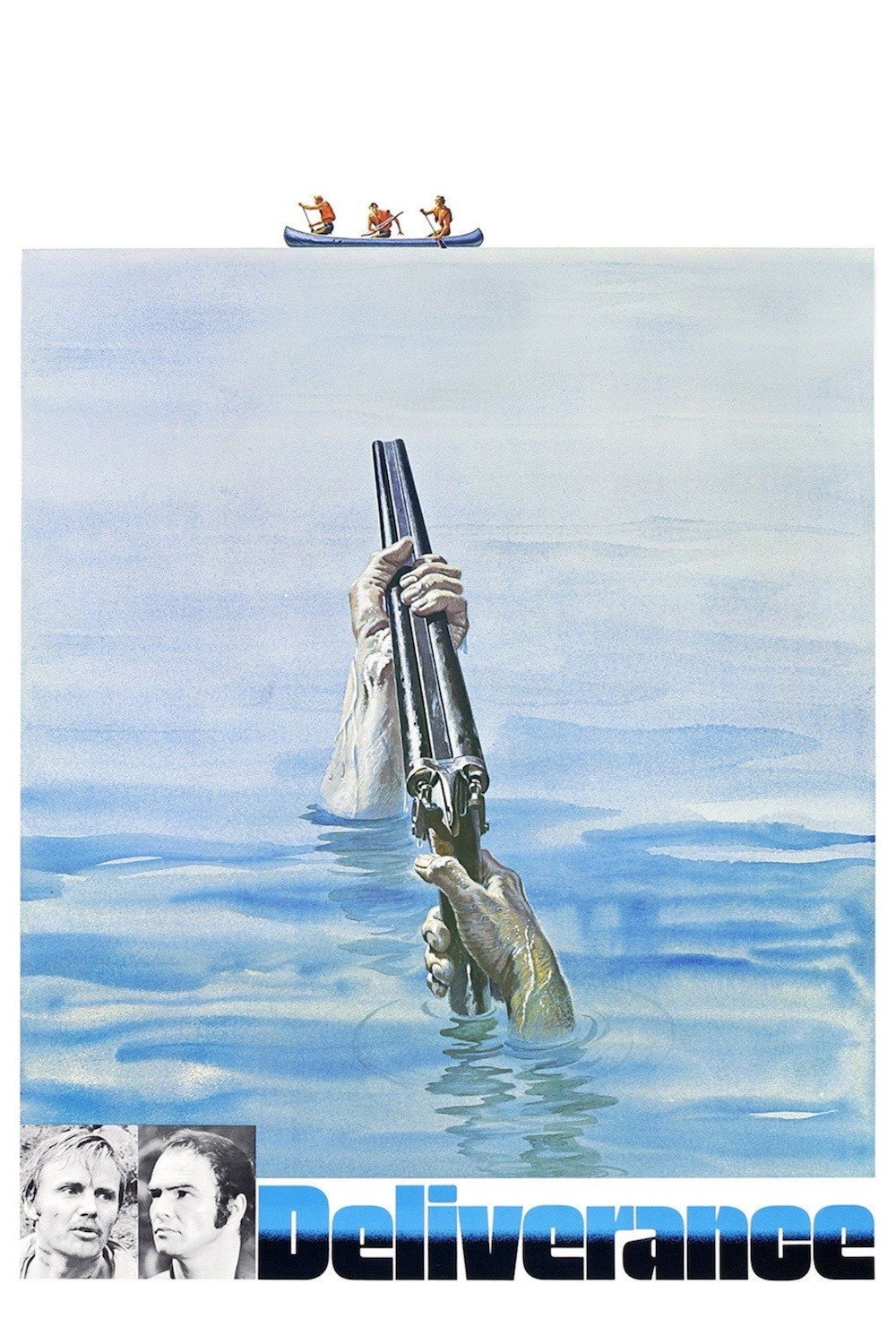
Deliverance

1972 · Another journey into hostile country where male confidence proves a poor survival tool.

The Wages of Fear poster90

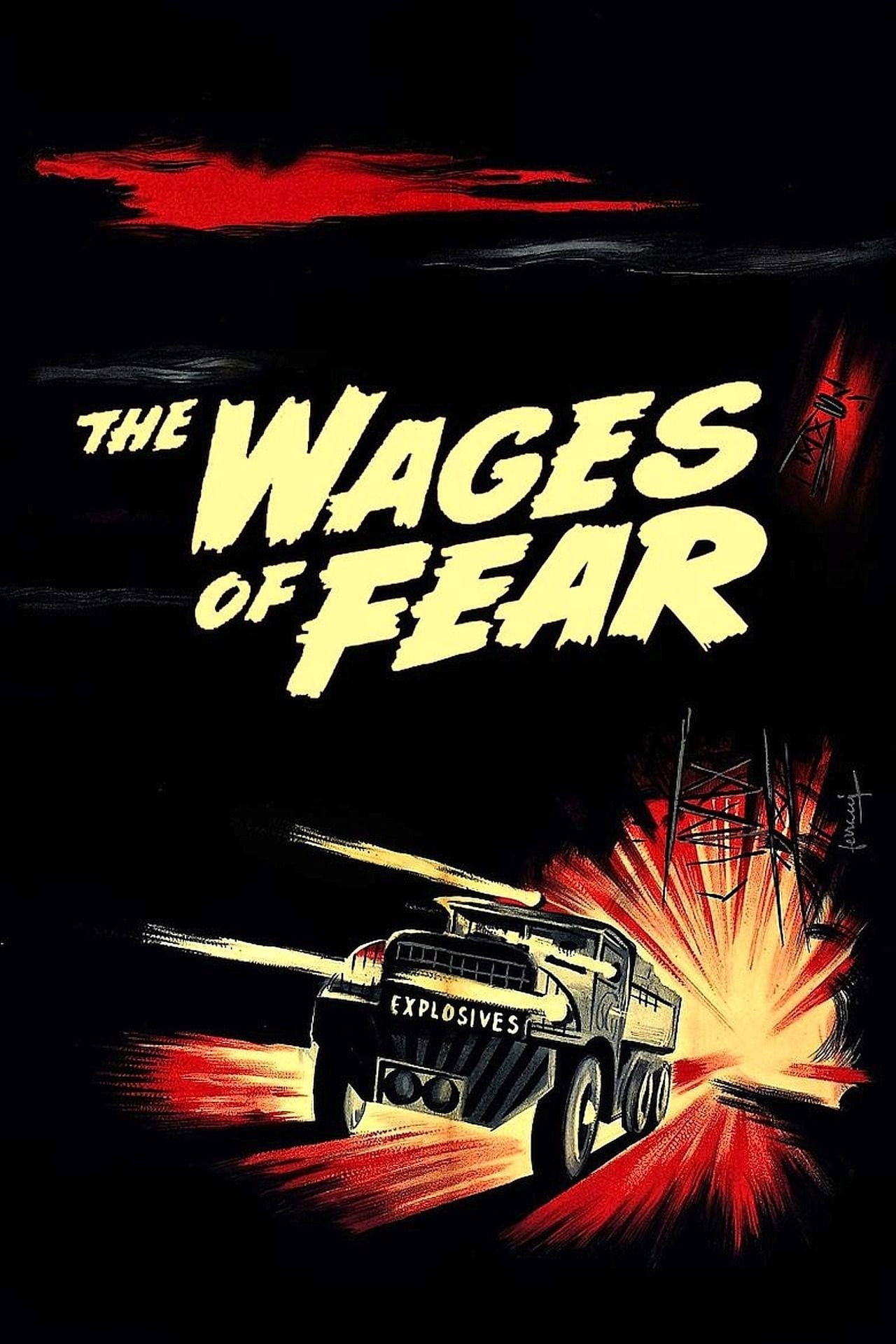
The Wages of Fear

1953 · Men under pressure discover how little courage helps without judgement and luck.

The Ascent poster

The Ascent

1977 · A harsher wartime ordeal, with fear testing convictions as well as endurance.

The Proposition poster

The Proposition

2005 · Sparse dialogue and hostile terrain make violence feel exhausting rather than heroic.

Theeb poster

Theeb

2014 · Uncertain alliances and desert danger reward the same close attention to survival.