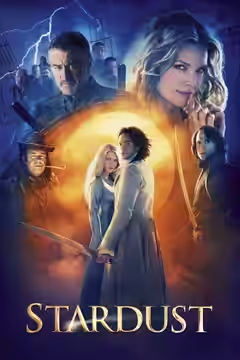
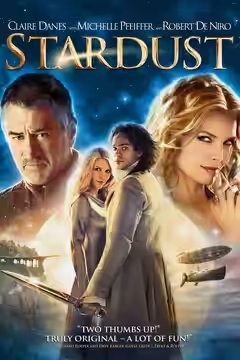
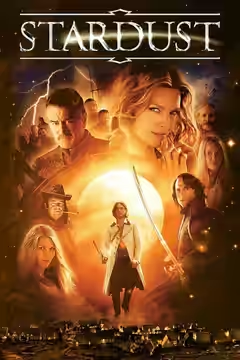
Matthew Vaughn’s fairy tale is funny, affectionate and overfilled, with Claire Danes anchoring the romance and Michelle Pfeiffer supplying a welcome threat. The detours take their time, but the company is worth keeping.
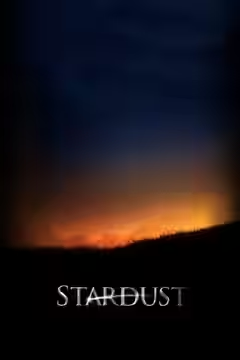
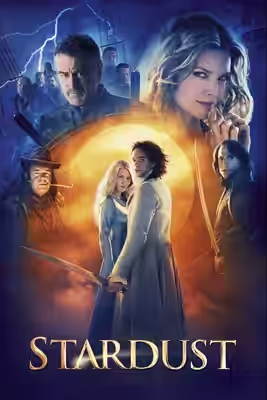
Stardust is an enjoyable fairy tale with a good romance and rather more company than it needs. Matthew Vaughn, adapting Neil Gaiman’s novel with Jane Goldman, lets the adventure be silly without apologising for its sweetness. A falling star sets a chase in motion, and the film finds room for witches, princes and a captain along the way. We recommend it for the cast and the pleasure of a fantasy that allows its characters to be ridiculous.
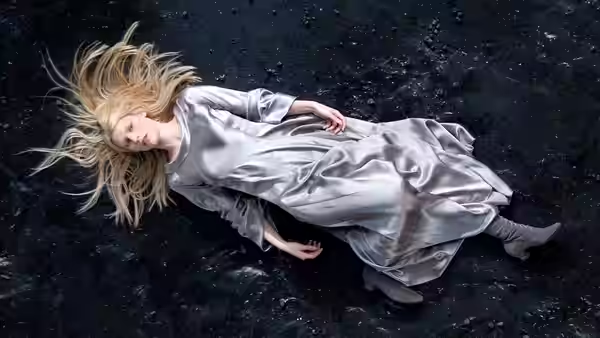
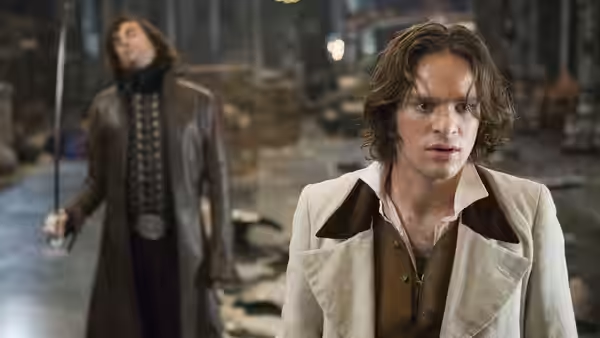
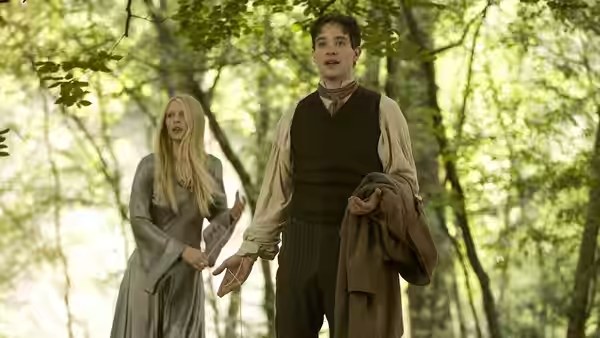
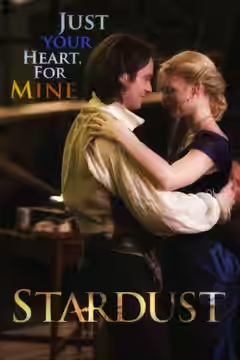
Charlie Cox’s Tristan Thorn and Claire Danes’s Yvaine give the romance enough warmth to survive all that activity. He is an agreeable lead, though he sometimes seems less interesting than the people sharing his scenes. She supplies the sharper presence, keeping the sweetness from becoming bland. We want the film to spend more time with them, which is a useful measure of a screen romance and a warning about how often this one wanders away.
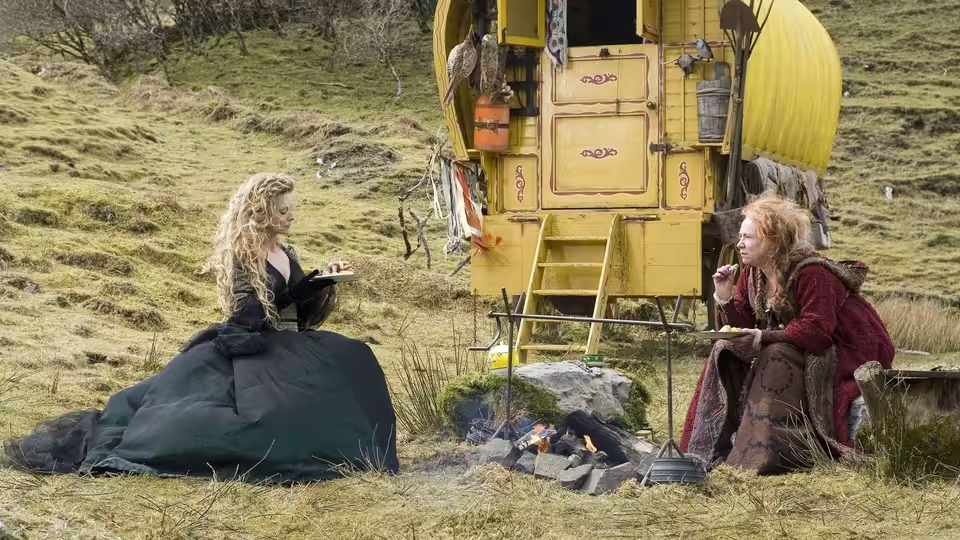
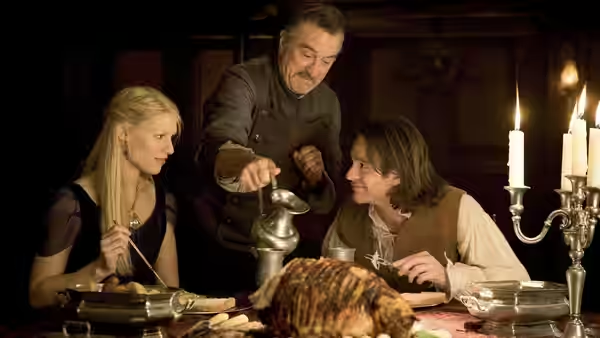
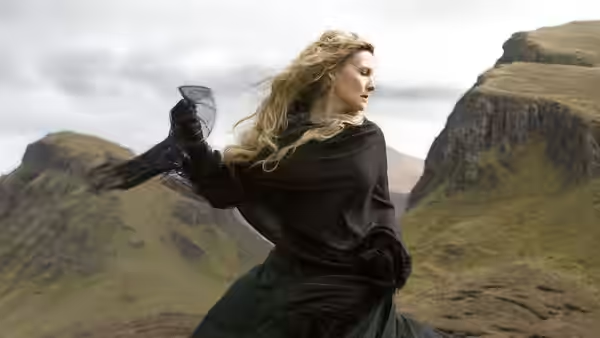
Michelle Pfeiffer is the reason those interruptions can be worth having, playing Lamia with enough seriousness for the witch’s threat to register through the comic business. We were unsettled by her. She lets the pleasure of being cruel show without needing the fantasy trappings to do all the frightening. Robert De Niro’s Captain Shakespeare gives the film a different sort of pleasure, with a willingness to look foolish that is difficult to resist. Both performances deserve the space they get, even if some of the other comic business needs trimming.
Ben Davis’s colourful cinematography keeps the fantasy inviting, which suits a story this willing to make jokes. Gavin Bocquet’s production design gives the supporting cast plenty of visual competition, sometimes more than the scenes require. We like the abundance, but the spectacle can distract from the central couple, whose scenes need little embellishment. The effects are persuasive enough to support the adventure, including its more extravagant ambitions.
Jon Harris’s editing has to accommodate an unruly collection of comic performances, romantic scenes and fantasy spectacle. The individual passages are often lively, but the movement between them does not always let the romance gather strength. Ilan Eshkeri’s score gives the adventure enthusiasm, though we occasionally wished the music would leave a little more room for the actors. At 127 minutes, the film has enough time for its pleasures and enough extra time for some of them to wear thin.
The awkwardness comes from a screenplay reluctant to leave an amusing idea alone. A joke can be funny and still arrive at the wrong moment, particularly when a fairy tale is asking us to believe in danger. Too often the comedy lets us relax before a threat has properly taken hold. Even so, the black humour gives the adventure some bite, and its frightening witch belongs in a tradition of fairy tales that do not make childhood entirely comfortable.
There is enough affection here to make the untidiness forgivable, provided a busy fairy tale is what the evening calls for. Those who prefer their adventures brisk should take the running time seriously; this one enjoys its detours. Just do not expect the witch to make allowances for younger company.