Pedro Almodóvar’s drama about two men caring for women in comas is moving, funny and troubling. Javier Cámara and Darío Grandinetti make the friendship matter, though the film can be too forgiving of its men.
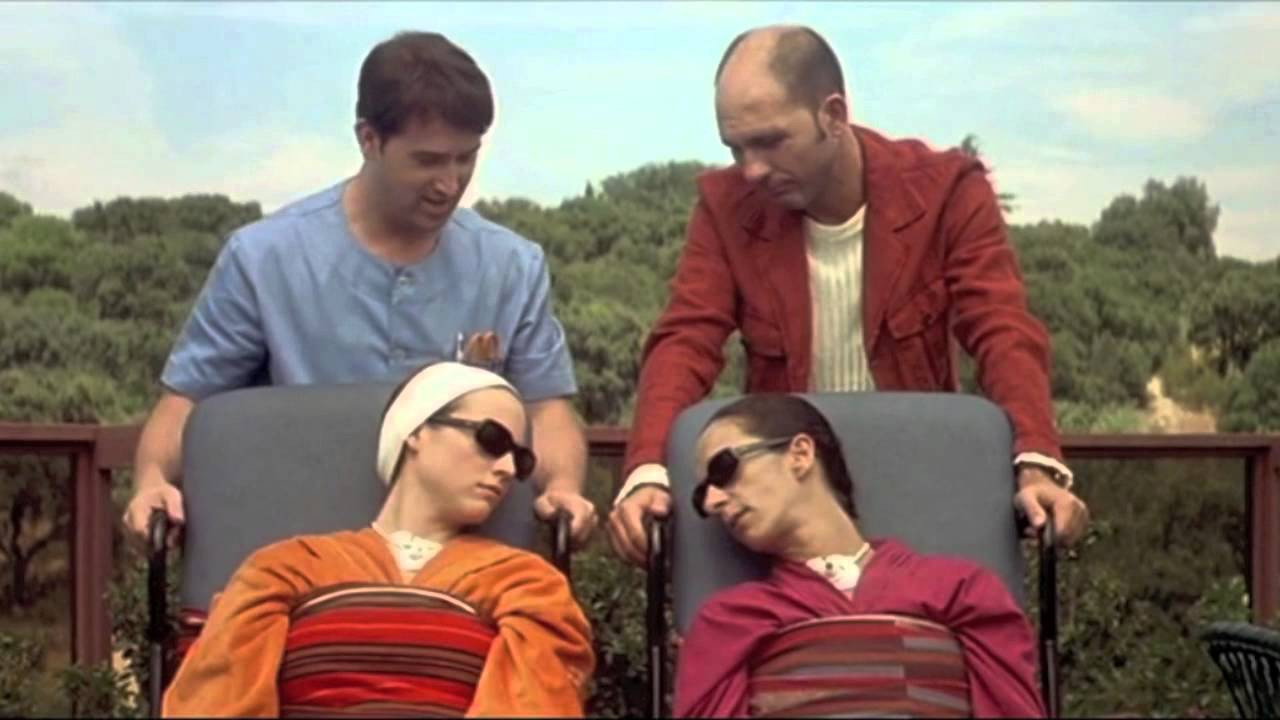
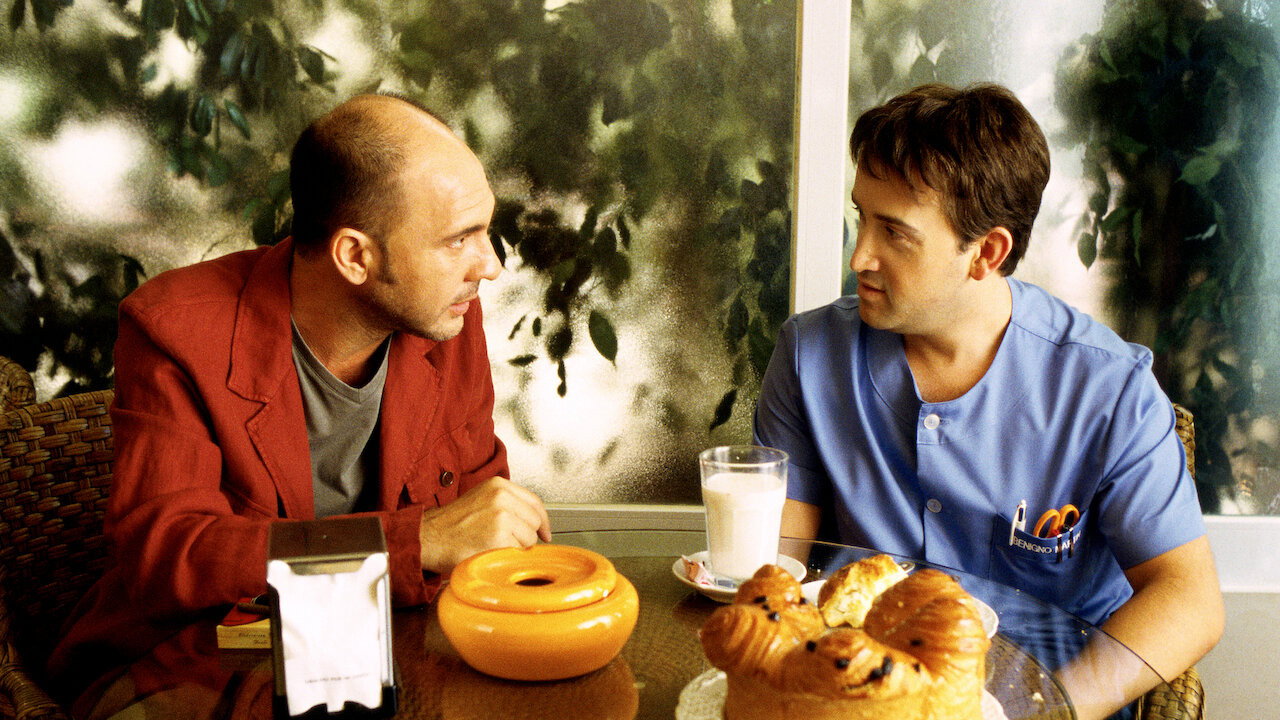
Talk to Her is a moving, unsettling drama, with a tenderness that sometimes makes its men too easy to excuse. Pedro Almodóvar builds it around Benigno and Marco, who grow close while caring for women in comas. The immediate appeal is simple: people are lonely, someone needs looking after, and a friendship gives the carers someone who can answer them. But we are also being asked to consider how much a man can know about a woman who cannot correct him.
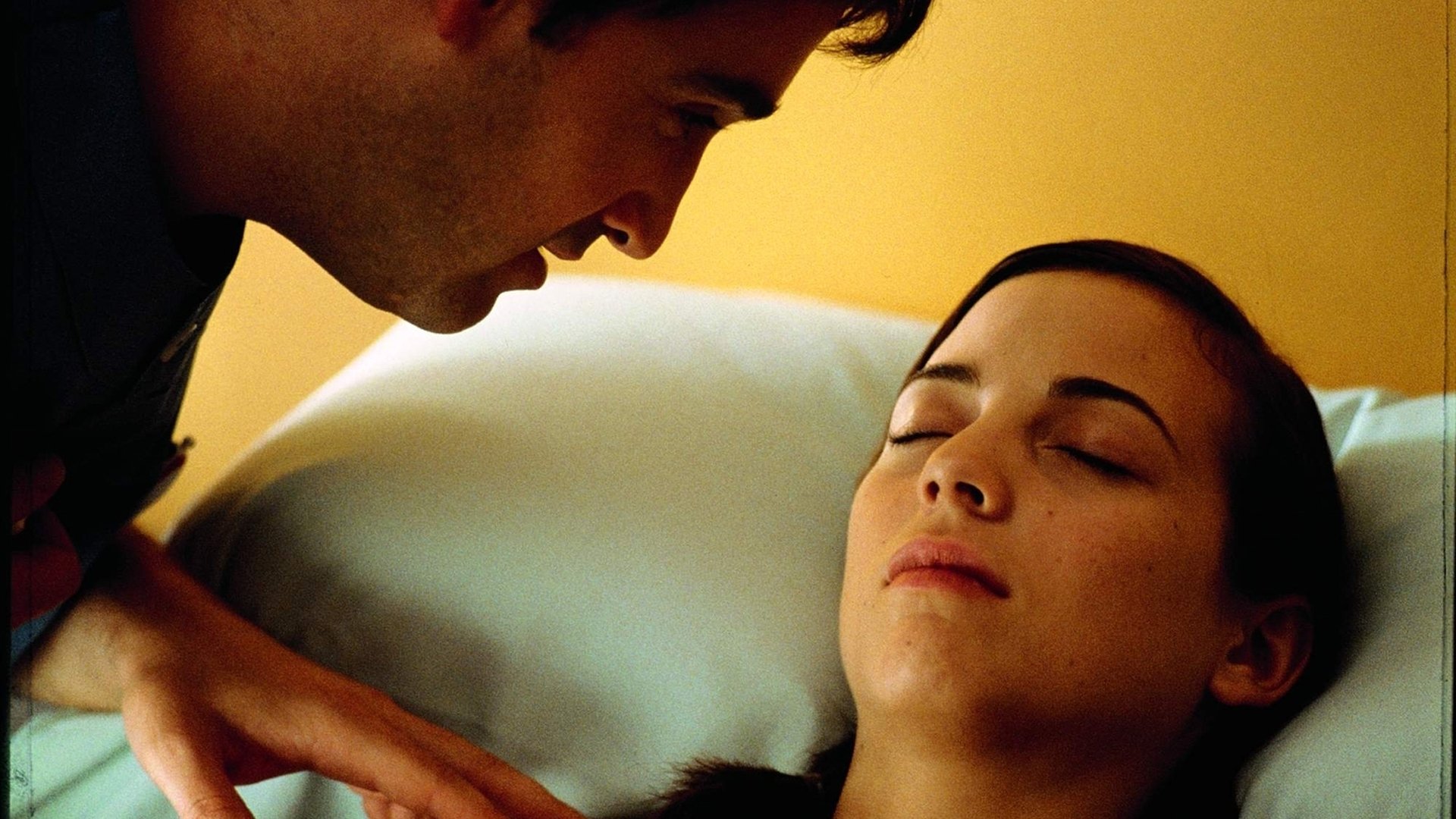
Javier Cámara’s Benigno gives the film much of its warmth, and Cámara is good enough to make that warmth a source of unease. His attentiveness invites us to regard him generously before we have considered what he expects in return. Darío Grandinetti’s Marco makes the friendship convincing without turning the two men into interchangeable examples of loneliness. Their company matters because the film allows care, need and self-interest to become difficult to separate, as they can be in relationships where both people are awake.
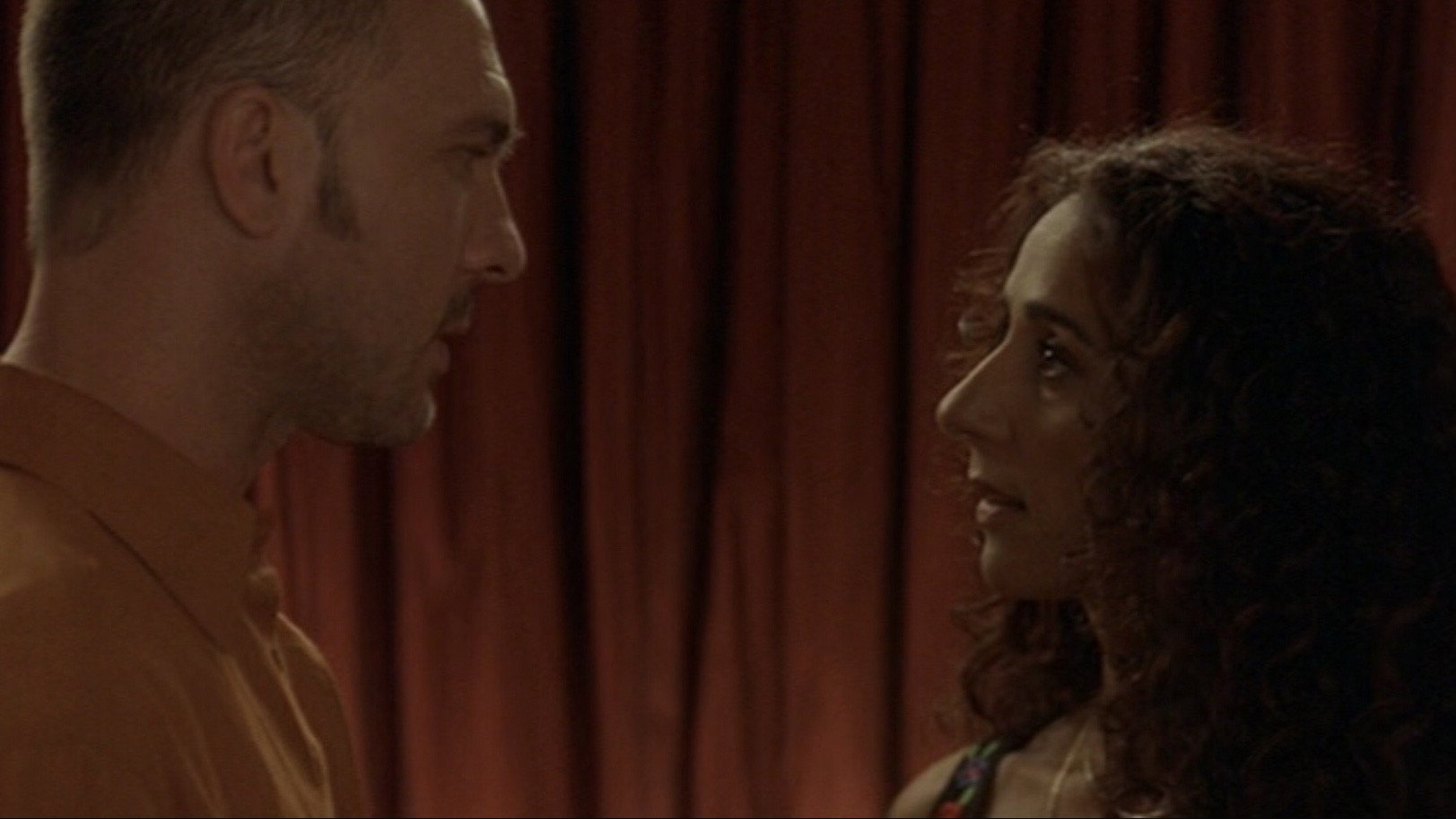
The physiotherapy moved us more than we expected. The practical attention to a body makes the women’s dependence painfully clear, while giving the men something to do with feelings they cannot resolve. Leonor Watling’s Alicia and Rosario Flores’s Lydia remain at the centre of that discomfort: their inability to answer leaves space for others to speak on their behalf. Almodóvar makes us feel the appeal of such devotion, then gives us reason to question our response.
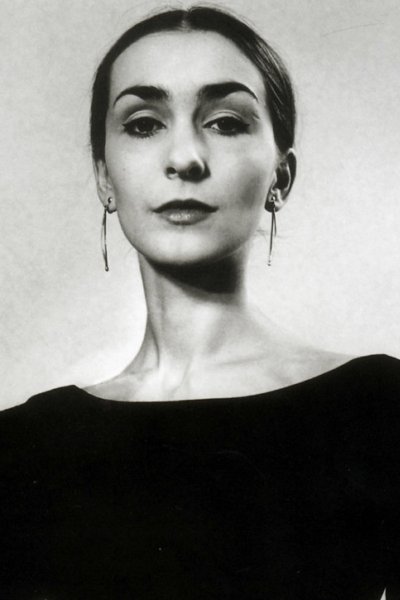
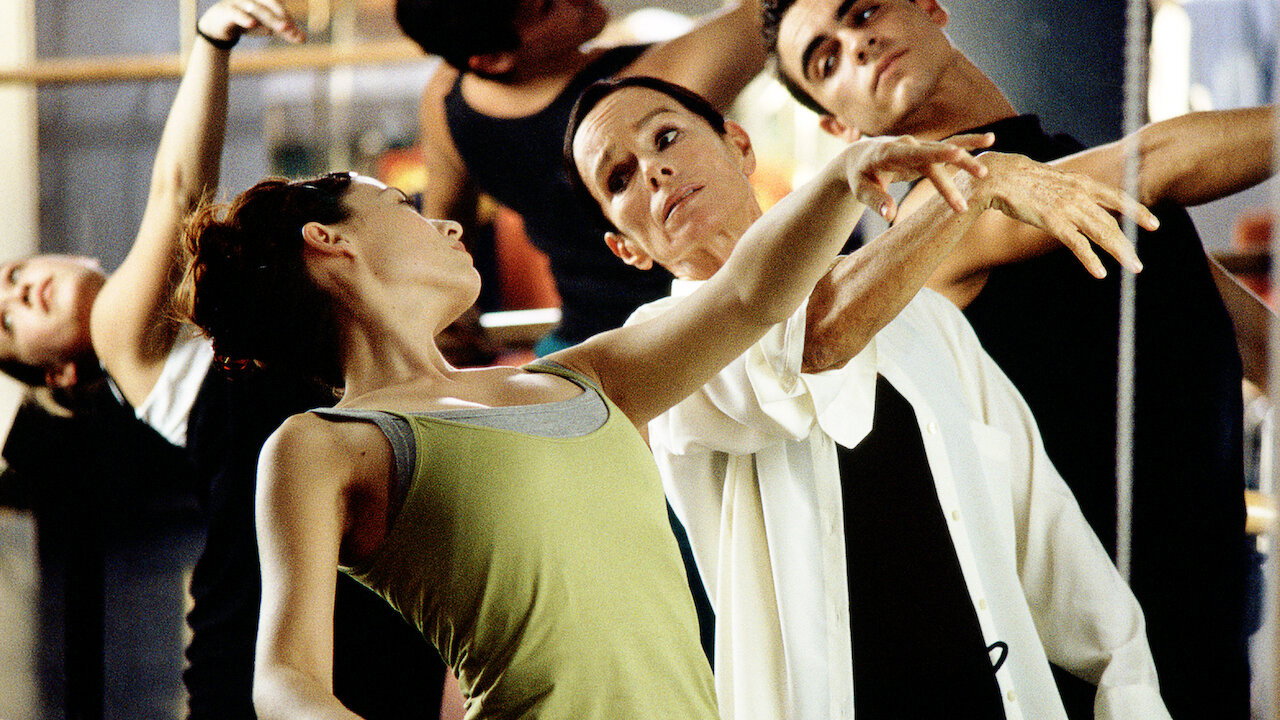
Javier Aguirresarobe’s gliding camera keeps our attention on bodies, finding connections between the dance passages and the physical business of care. The images are composed with a calm that makes the men’s preoccupation easier to understand. The Pina Bausch dance passages allow movement to carry feelings that the conversations struggle to express. We do not need an explanation of every movement to recognise the need for contact.
José Salcedo’s editing gives the film a measured rhythm that keeps its improbable melodrama from becoming breathless. There is time to register an emotion before the next demand is made on us. The music by Alberto Iglesias and Vicente Amigo is effective, though less memorable to us than the movement of bodies. Even the silent-film fantasy, which might have seemed an indulgence, has a place in this mixture of bodily comedy and distress. Its extravagance lets Almodóvar be funny without abandoning the unease.
The reservation is that the film can be too considerate towards the men whose feelings occupy so much of it. Almodóvar’s sympathy is persuasive enough to make us accept their accounts of themselves before properly considering the women. That is a useful discomfort when the film acknowledges it, and a limitation when the polished images encourage us to enjoy the sadness without examining it. Watling and Flores cannot quite overcome the imbalance built into a story where the people being cared for have so little chance to object.
As a melodrama, it earns its unlikely events through the credibility of the two central performances. Cámara and Grandinetti make the friendship worth caring about, even when Almodóvar’s theatrical flourishes threaten to distract from it. We recommend it for that difficult closeness, with a reservation about how readily the film asks us to forgive. Give it your attention, but keep a little scepticism for the men at the bedside.