Film review

The Deer Hunter

1978 · Directed by Michael Cimino · 3h 03m · MPA R

In a sentenceAn unusually long wedding, and for once we were grateful nobody hurried it along

DramaWar

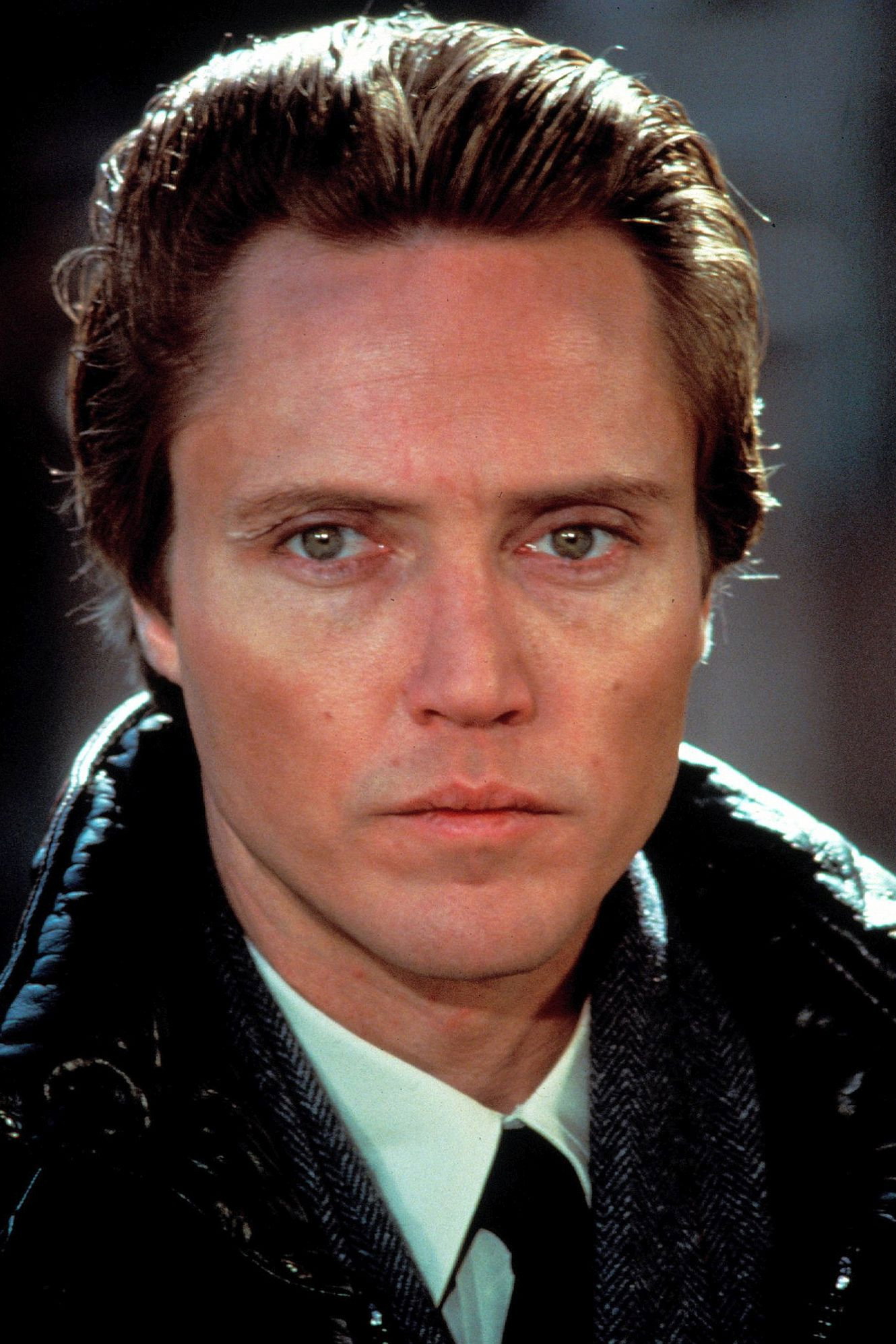
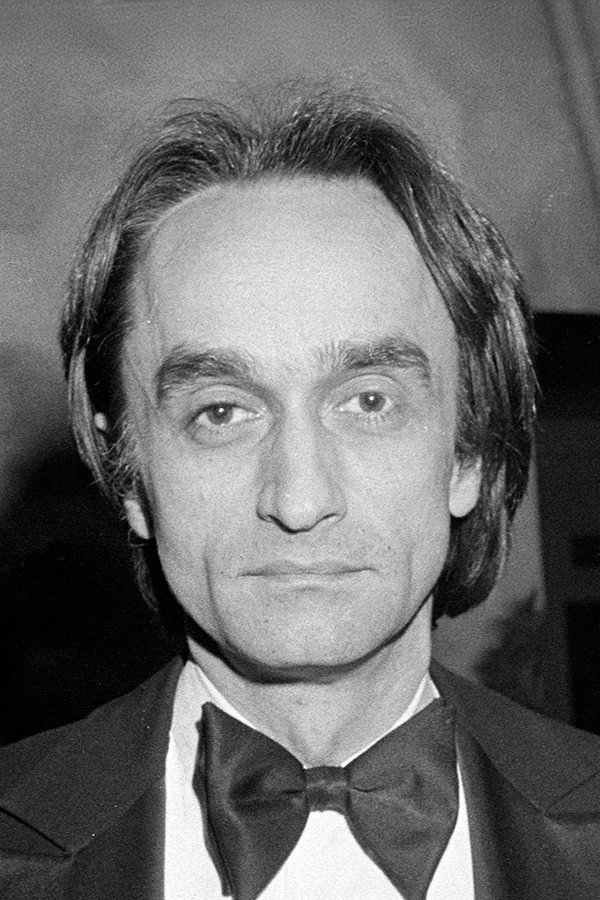
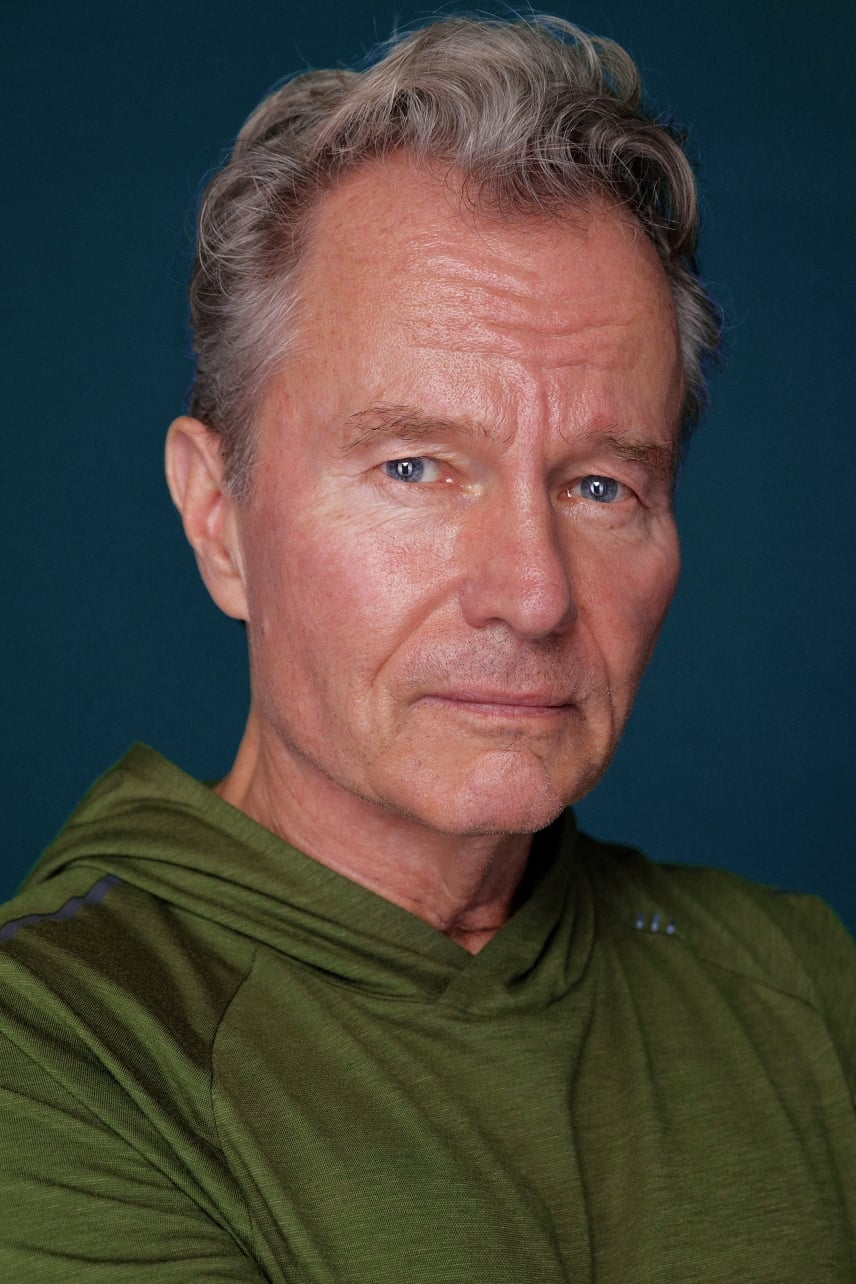
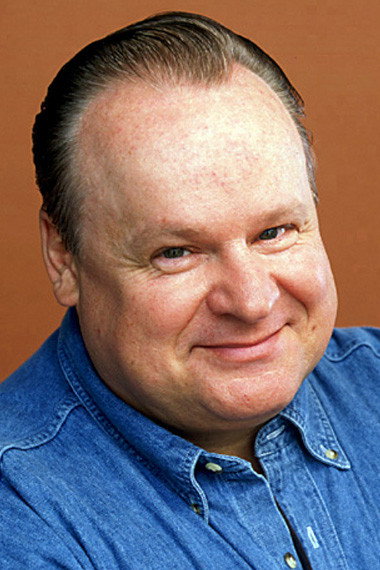
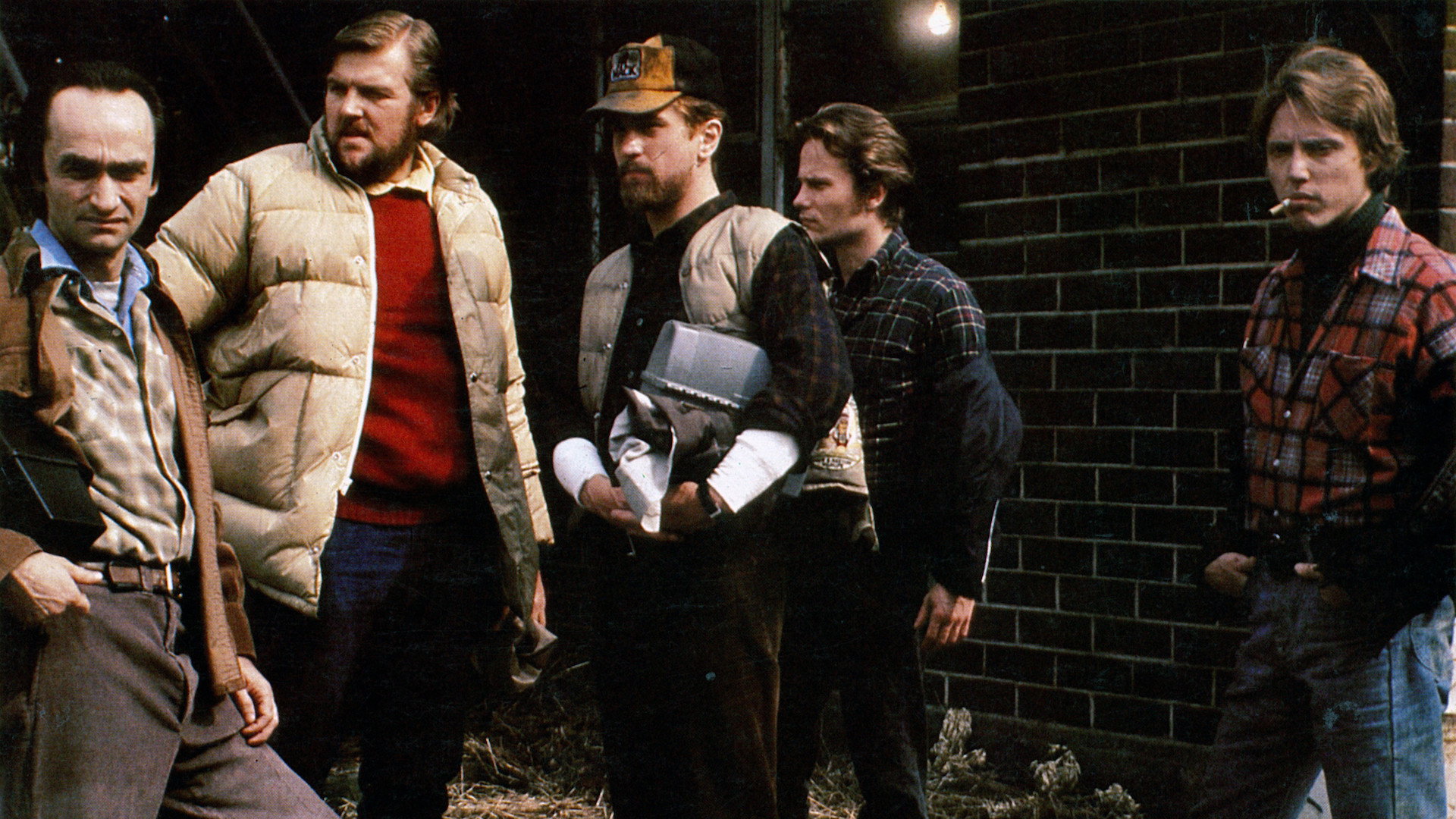
Michael Vronsky (Robert De Niro), Nick (Christopher Walken) and Steven Pushkov (John Savage) are part of a working-class circle whose friendships are tested by the Vietnam War. Before the fighting, a wedding brings their community together, with the men’s relationships taking shape amid the celebrations. Michael Cimino directs a drama that spends time with these people away from combat as it follows the effects of war on their lives. Meryl Streep plays Linda, with John Cazale as Stan and Rutanya Alda as Angela.

Plays from YouTube when you press play; nothing loads from them until then.

Fi1m review

Michael Cimino’s war drama earns its emotional force through the friendships it takes time to establish. Robert De Niro and Christopher Walken are compelling, though the length and occasional heavy-handedness ask more patience than the film always repays.

The Deer Hunter is a powerful, deeply affecting war drama, with performances that make most of its 183 minutes worth the time. Michael Cimino gives the men’s friendships room to develop, asking us to care about their ordinary lives before the Vietnam War puts those bonds under pressure. He is particularly good at showing how much importance men place on one another without knowing quite how to express it. The patience can be wearing, but there is a reason for it.

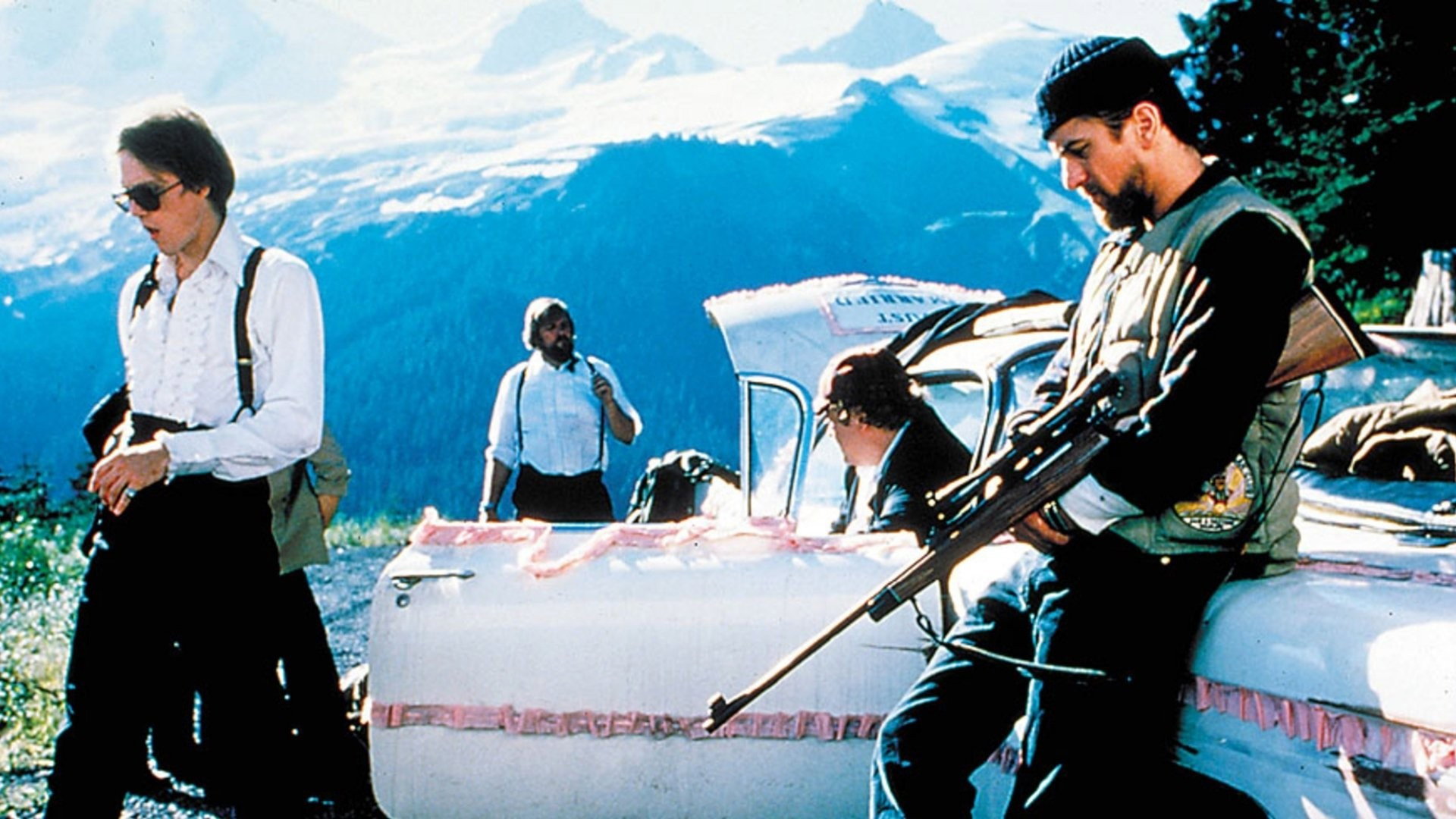
The extended wedding sequence is where that patience pays off. Cimino lets a working-class celebration occupy more space than its immediate importance to the plot would seem to warrant, and gradually the length begins to make sense. We were moved by the wedding because the time spent together makes these people feel close to us. By refusing to hurry towards the fighting, he gives us something to care about beyond the question of who can survive it.

Robert De Niro’s Michael and Christopher Walken’s Nick make the men’s closeness persuasive without tidying it into an easily explained friendship. De Niro brings a firmness that can look reassuring and then stubborn; Walken is harder to read, and our attention keeps returning to him. Their performances make the weight placed on this bond feel justified, even when the writing leans towards romantic melodrama. They convince us that these men matter enormously to each other.

Meryl Streep’s Linda supplies a quieter sort of feeling. Streep is direct and restrained, and she holds our attention without competing with the more forceful performances around her. We wanted more room for her, partly because Cimino’s concentration on male endurance can leave the people surrounding the men at the edge of the film. She is a reason to stay attentive even when the film slows.

Vilmos Zsigmond’s cinematography establishes a sharp contrast between the beauty of everyday life and the horror of combat. That contrast helps explain why the film spends so long away from the fighting, rather than making the civilian passages seem like preliminary business. Peter Zinner’s editing gives the wedding time to develop, but the wider rhythm is uneven, with passages that continue after their emotional purpose is clear. We felt the length most when the film kept pressing a feeling it had already made us understand.

Stanley Myers’s music is most effective when it supports the tenderness of the performances. Its gentleness is welcome in a film that can work so hard to distress us. Deric Washburn’s screenplay sometimes arranges suffering too insistently, and the attempt to give these men’s experiences such enormous importance can make the drama feel manipulated. The actors usually persuade us to accept it, but the quieter scenes are convincing without needing that extra pressure.

As a war film, The Deer Hunter succeeds because civilian life receives such serious attention. The combat matters more once the people caught in it have been allowed to exist outside it, with friendships that mean something to us. Cimino earns enough of the film’s anguish for us to recommend it despite the overlength and occasional bullying of our emotions. Choose an evening when you can give it your full attention, and do not expect an easy night’s viewing.
Critical consensus AI synthesised

4 of 6
Positive
4
Mixed
0
Negative
0
Radio Times
28 June 2017 · ★★★★★ · Barry Norman
100

The critic deems it tense and moving despite being overlong, praising its depiction of male bonding and the dehumanising effects of war. The Russian roulette scenes and strong performances, especially by Walken and Streep, are highlighted.

Read the full review →
Time Out
21 May 2014 · ★★★★★ · CA
100

The critic calls it one of the few great films of the Seventies and a gruelling test of moral and political conscience. It singles out the central male love affair and its Nietzschean undertones for particular note.

Read the full review →
Little White Lies
1 August 2014 · 4/4/4 · David Jenkins
80

The critic finds the film a gruelling but enduring classic whose epic ambitions largely succeed. The prolonged wedding sequence stands out as the highlight for its realistic portrayal of working-class life.

Read the full review →
Empire
1 January 2000 · Colin Kennedy

The critic describes the film as a gruelling yet beautiful epic treatise on endurance and the American male spirit, highlighting its audacious contrasts, terrifying Russian roulette sequence, and strong performances, especially De Niro's.

Read the full review →
The Guardian
1 March 1979 · Derek Malcolm

Derek Malcolm calls the film extraordinarily powerful and compares it to classic anti-war works for its view of how conflict breaks minds. He praises its intensity, feeling, and superb performances, especially from De Niro and Walken, while noting it functions more as romantic melodrama than strict realism.

Read the full review →
The Hollywood Reporter
1 December 1978 · Arthur Knight

The critic declares it the great American film of 1978 for its timely, important, and uncompromising take on the Vietnam War and its effects. He singles out De Niro's performance and Cimino's direction, story, and production work for particular praise.

Read the full review →

Cast

Stills

Awards

Academy Awards, 1979

Nominated
Best Actor
Nominated
Best Cinematography
Nominated
Best Supporting Actress
Nominated
Best Writing, Original Screenplay
Won
Best Director
Won
Best Film Editing
Won
Best Picture
Won
Best Sound
Won
Best Supporting Actor

If you liked this, try…

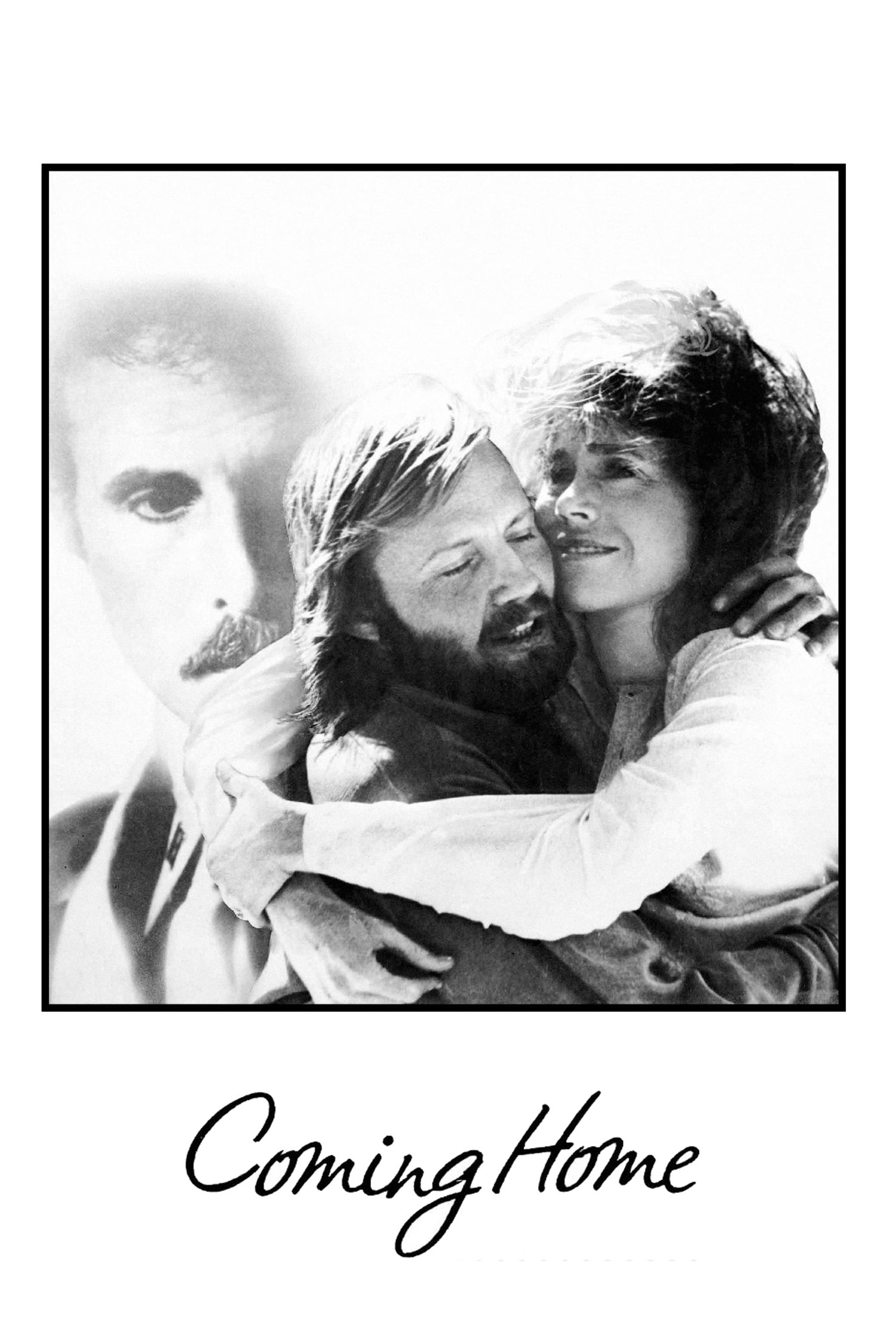
Coming Home poster

Coming Home

1978 · Another war drama that gives the people away from combat proper attention.

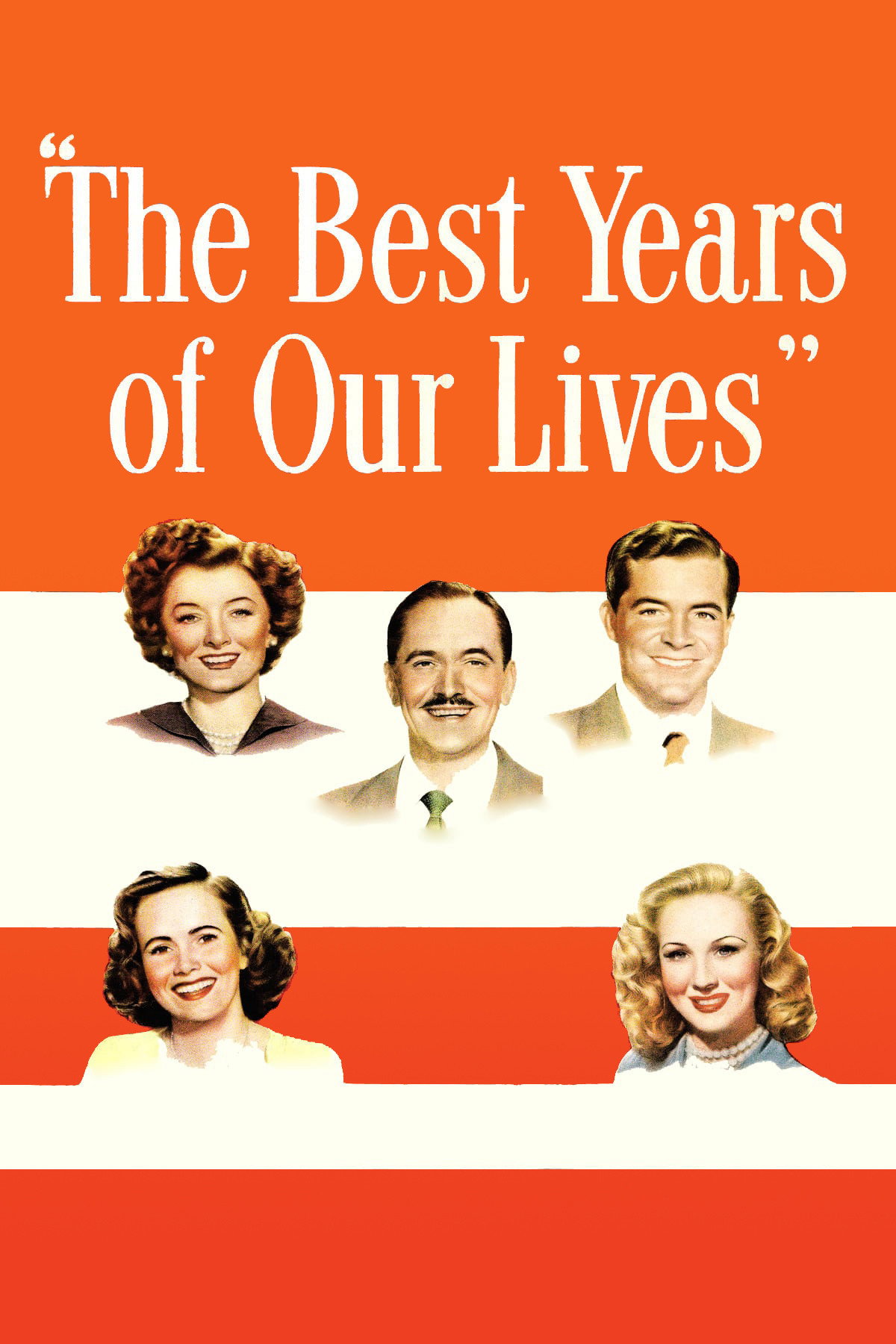
The Best Years of Our Lives poster

The Best Years of Our Lives

1946 · Returning servicemen discover how much ordinary life now asks of them.

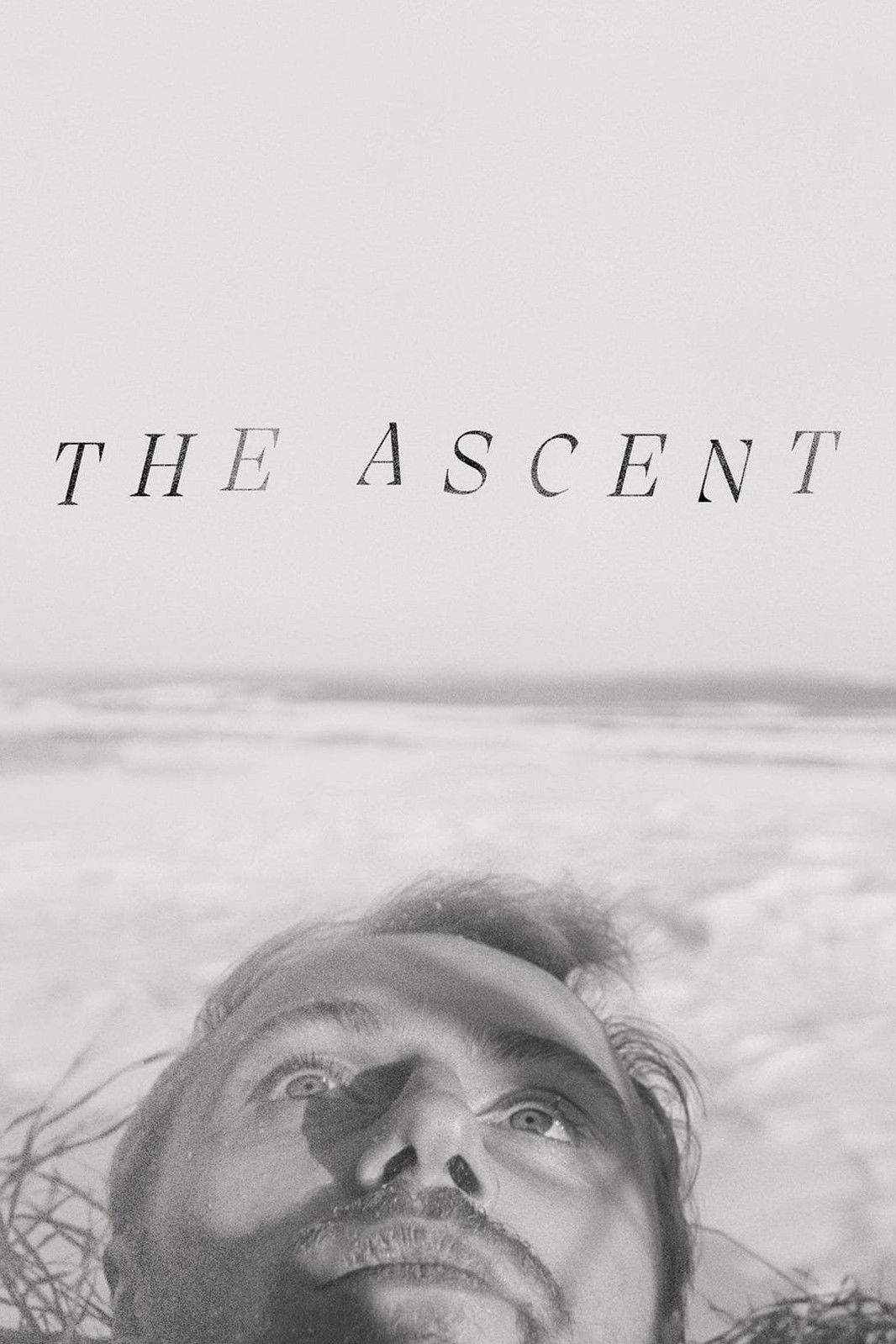
The Ascent poster

The Ascent

1977 · A wartime ordeal with an equally searching interest in loyalty under pressure.

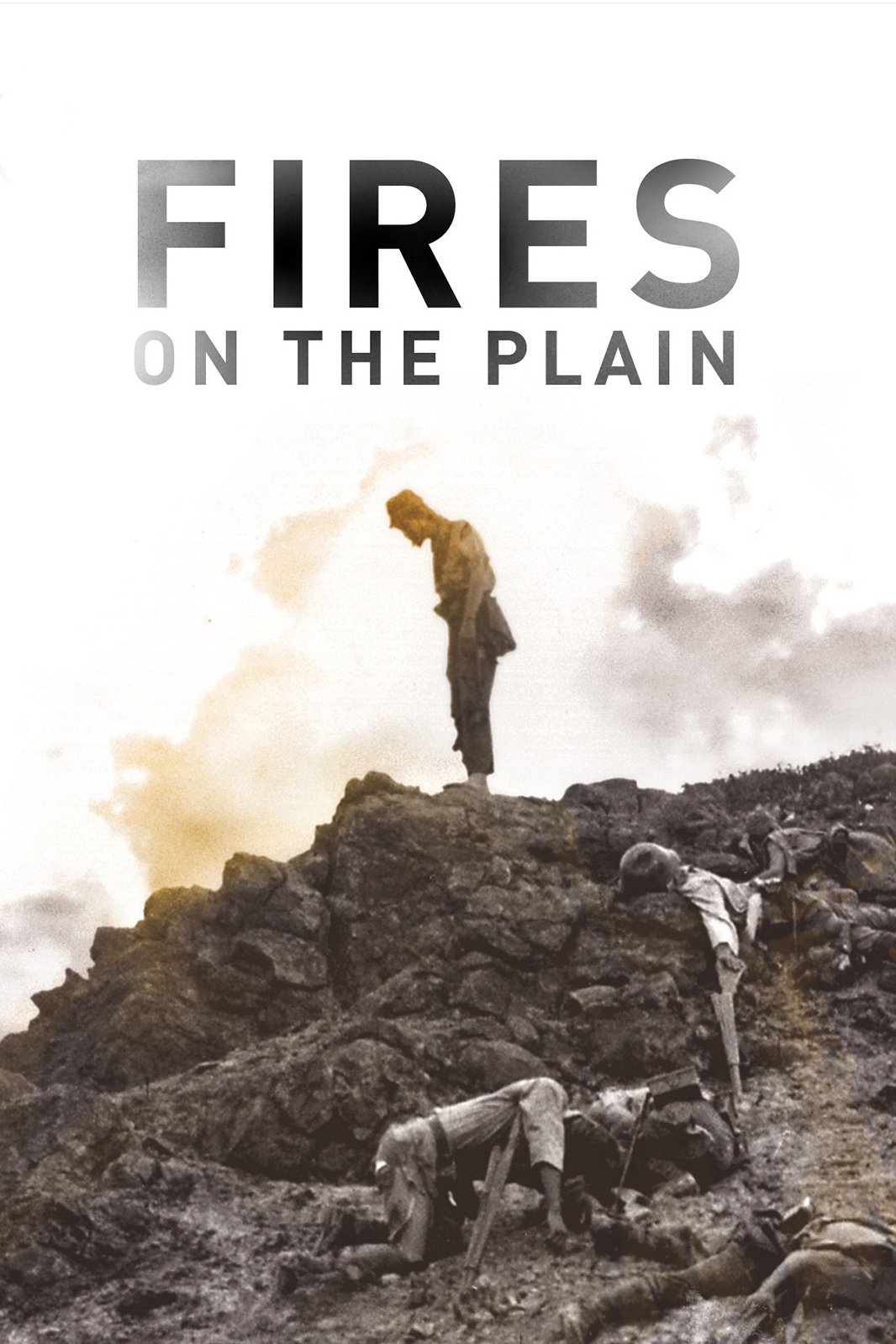
Fires on the Plain poster

Fires on the Plain

1959 · For a harsher account of what war does to ordinary soldiers.

Leave No Trace poster

Leave No Trace

2018 · A father and daughter live with damage that neither can easily explain.