Frank Darabont’s prison fable earns much of its sentiment through Tom Hanks and Michael Clarke Duncan. Its length tests our patience, and its treatment of Coffey deserves more scrutiny than the storytelling allows.
The Green Mile is a good prison fable, moving enough to justify much of the time it asks for, though not all 189 minutes. Adapting Stephen King’s novel, writer-director Frank Darabont treats a condemned man’s capacity for goodness with complete seriousness. He asks us to accept the supernatural without losing sight of the people living and working on death row. That is a difficult combination, and the performances make it possible. Several stretches could be shorter without costing us much.
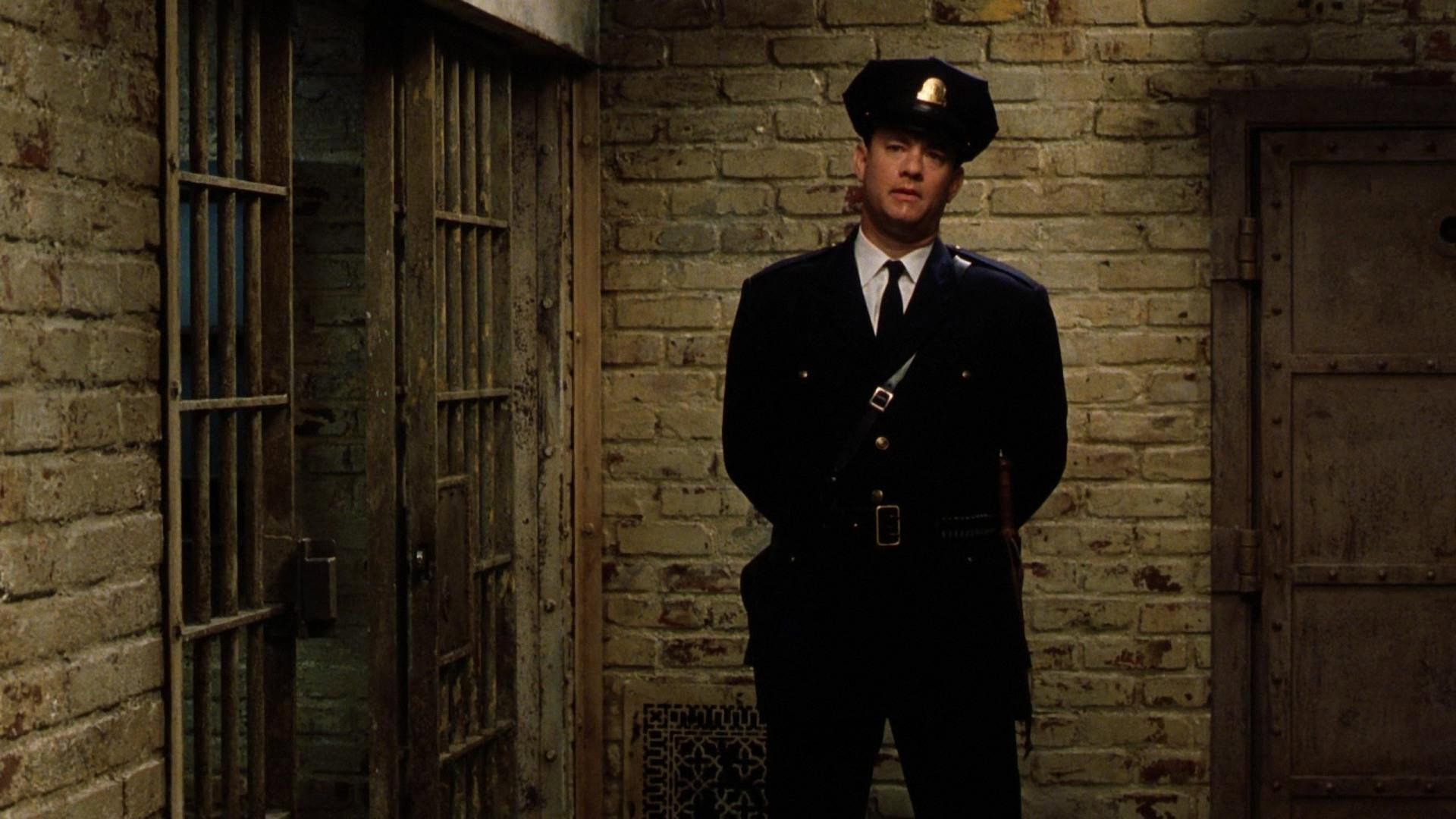
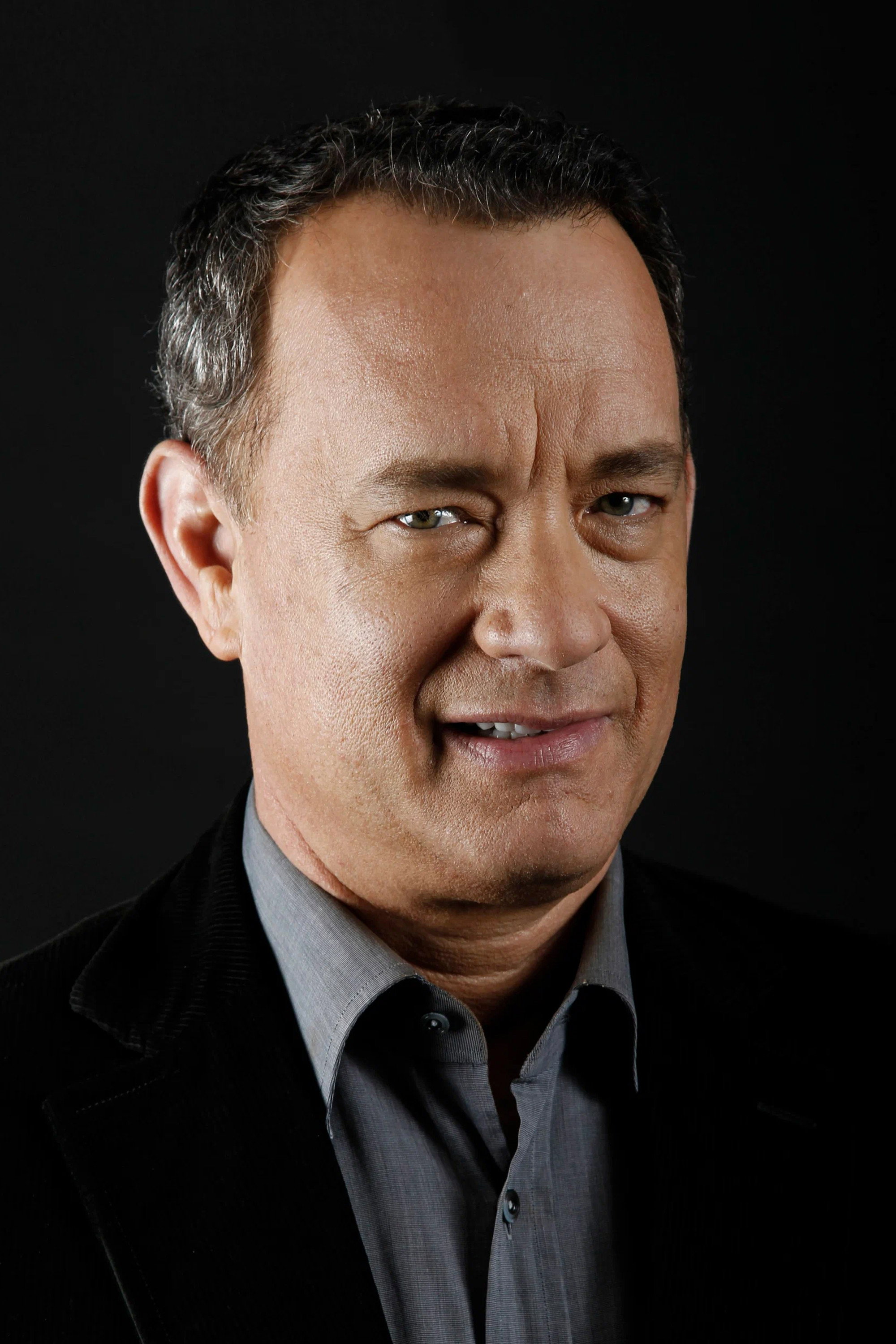
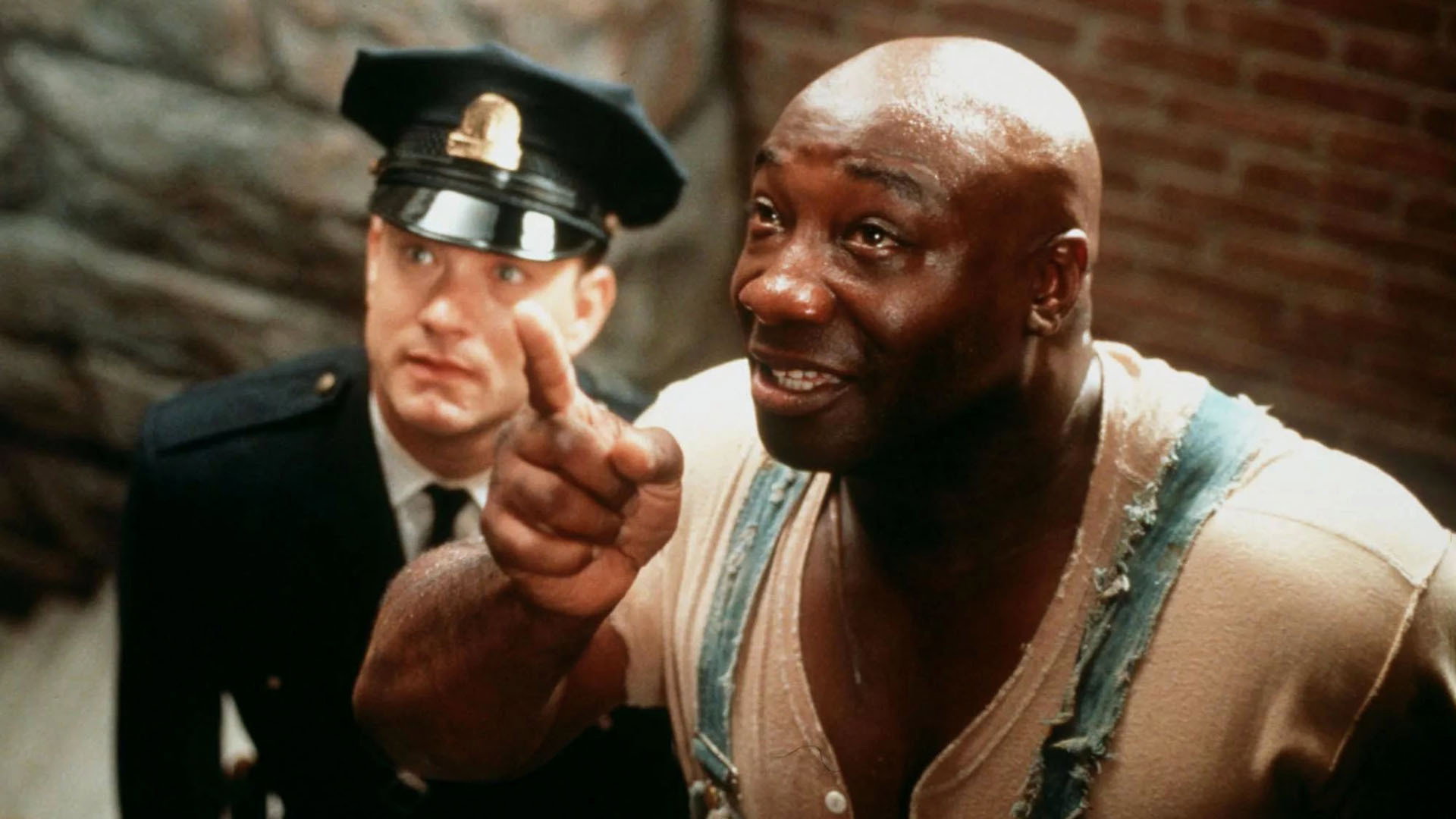
Hanks gives Paul Edgecomb the authority of someone accustomed to being listened to, without making his decency look like a special occasion. His restraint matters because Darabont gives the story plenty of chances to become solemn. Paul can hold our attention simply by attending to another person. The ensemble supports that unforced manner, giving the prison drama a convincing sense of people accustomed to each other’s company.
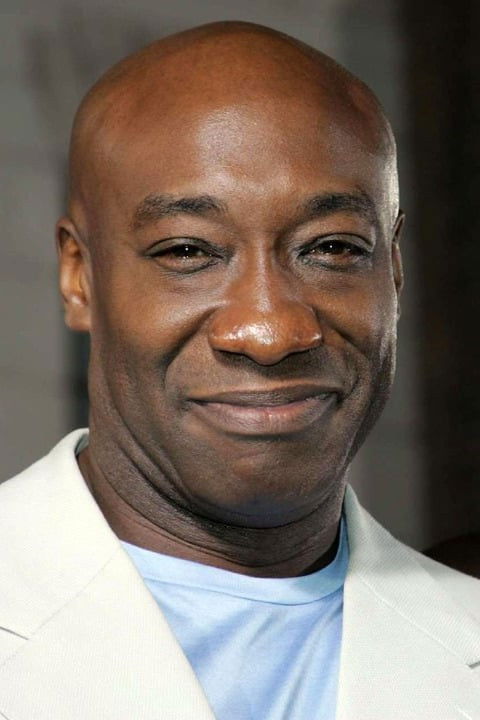
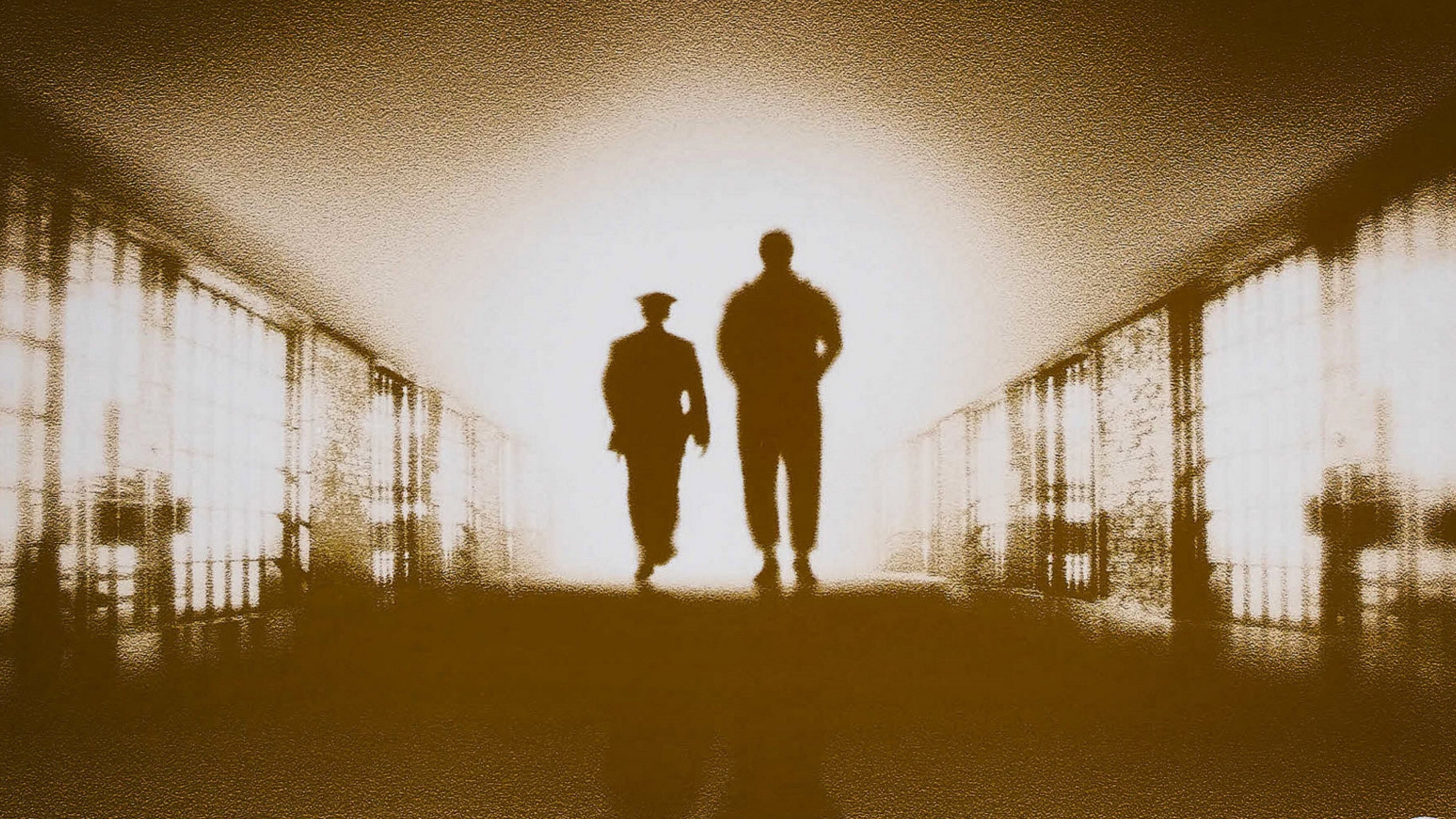
Michael Clarke Duncan, as inmate John Coffey, supplies the feeling that the more insistently sentimental passages cannot produce on their own. He makes the gentleness of this imposing man seem instinctive, without turning every scene into a demonstration of innocence. We were moved by the tenderness he brings to his scenes with Hanks. Duncan makes Coffey’s vulnerability credible, and their relationship keeps us involved when the surrounding story wanders.
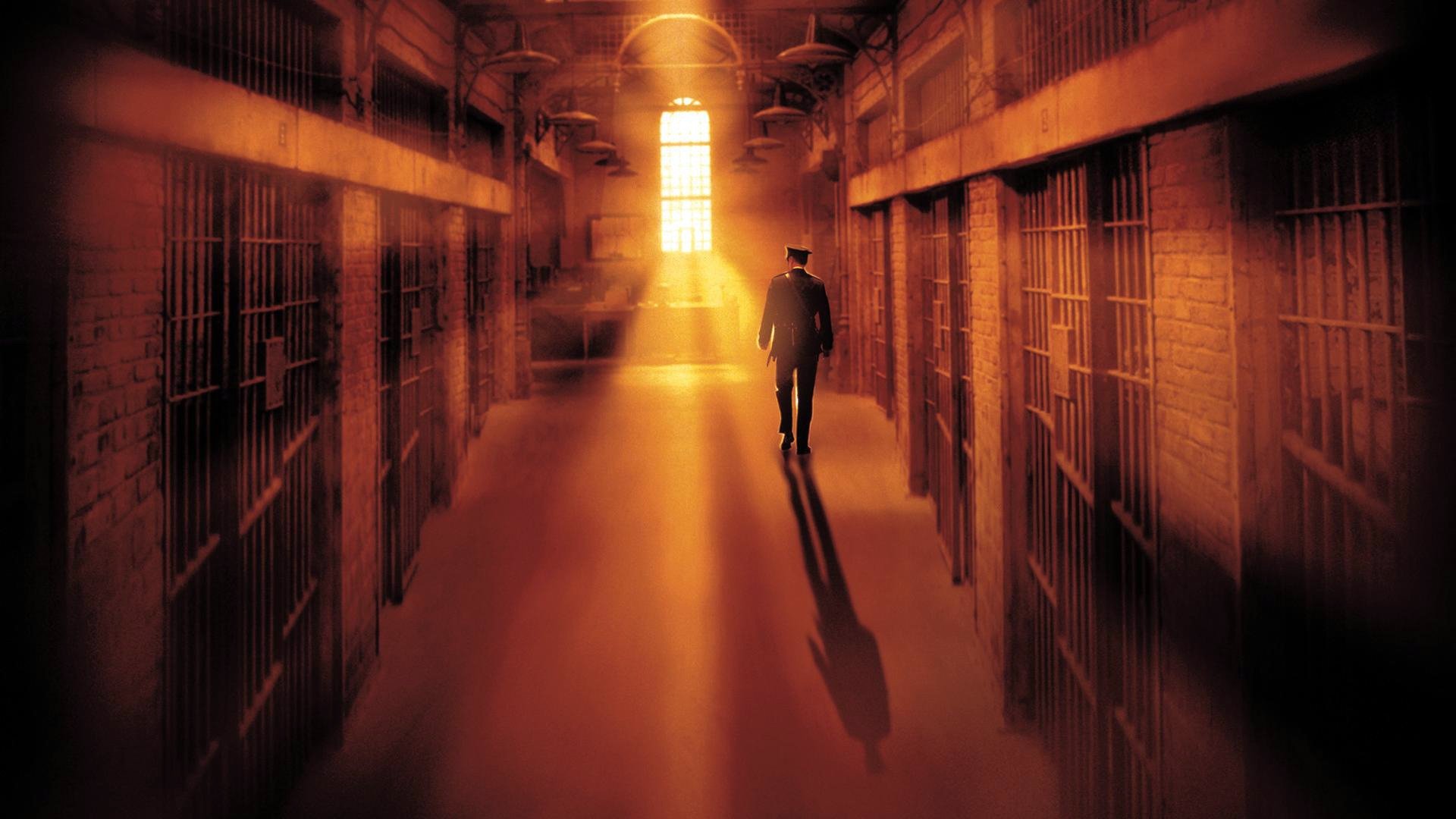
Terence Marsh’s production design gives death row the familiarity of a workplace, a choice that makes the guards’ acceptance of it easier to understand. David Tattersall’s cinematography lends those surroundings a polish that is useful and slightly troubling. We can settle into this prison drama with remarkably little resistance. That helps Darabont sustain the long conversations, but it also softens a place whose purpose ought to trouble us. The prison’s reassuring appearance sometimes works against the story.
Richard Francis-Bruce’s editing gives the actors room, and the patient pace initially feels right for a story about learning to regard another person carefully. It becomes less defensible as the episodes accumulate, with the mouse business taking more of our attention than it earns. The humour is welcome, but the diversions delay a relationship already strong enough to carry the film. Thomas Newman’s score is effective at sustaining the melancholy. It is less helpful when the film is already making its appeal for sympathy at length.
The more serious reservation concerns Coffey himself. Darabont gives him immense moral value while leaving too little space for desires that do not serve Paul’s story. The racial stereotype is hard to ignore: a saintly prisoner whose extraordinary gift helps a troubled guard understand suffering. Duncan’s performance gives the character a humanity the writing too often takes for granted. Nor does the film’s division between decent people and plainly bad ones make for a searching account of how otherwise ordinary people live with capital punishment.
As prison dramas go, The Green Mile is unusually willing to spend time on affection and grief, and that patience remains its chief pleasure. The supernatural elements will require more indulgence from viewers who prefer the genre stripped of consolation. There is no need to accept all of Darabont’s moral reasoning to be affected by Hanks and Duncan. Choose it when there is time for a long, openly sentimental story, and patience for its detours.