Robert Redford gives this romance care, strong performances and more time than it needs. Kristin Scott Thomas keeps the emotions credible, but 169 minutes is a long wait for a film this restrained.
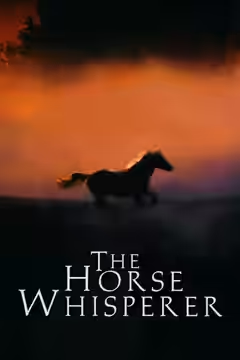
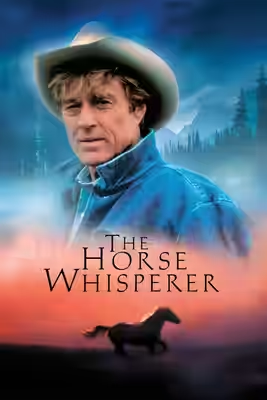
Robert Redford approaches The Horse Whisperer as though every difficult feeling deserves time to settle before anyone speaks. That seriousness is welcome in a romance, and the performances often reward it, but the film is too long for the story it has to tell. Adapted from Nicholas Evans’s novel by Richard LaGravenese and Eric Roth, it takes the difficulties of recovery seriously. At 169 minutes, however, its patience becomes a substantial demand on ours.
We were horrified by the opening accident. Its violence makes the subsequent need for care convincing, and that matters when the film begins asking us to accept a calmer pace. The shock stays with us through the quieter passages, giving the characters’ distress a weight that dialogue alone could not provide. Those early scenes also demonstrate a concentration that the film cannot sustain once the romance begins taking up more of its attention.
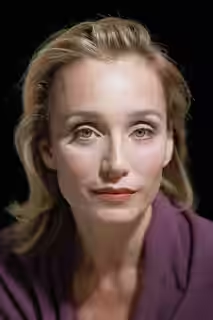
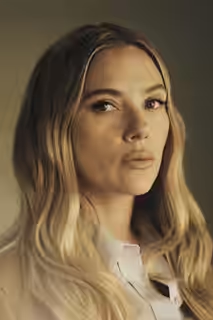
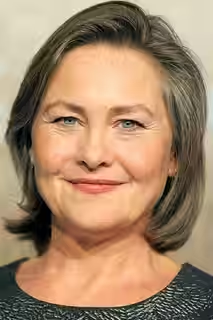
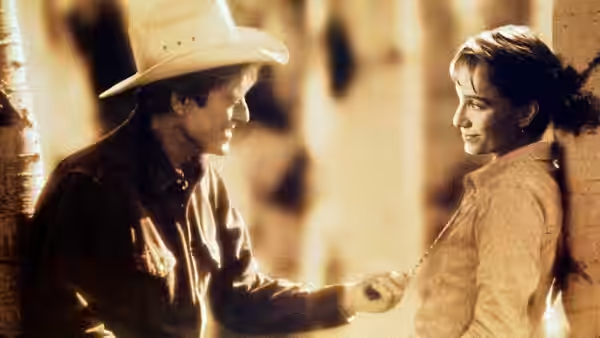
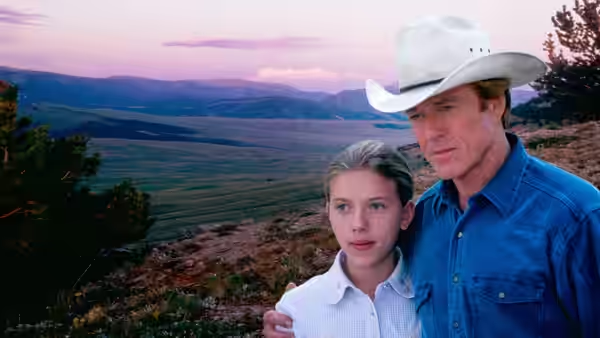
Kristin Scott Thomas supplies the friction the film needs as Annie MacLean. Her restraint suggests how much effort it takes to remain composed, and she makes the character’s vulnerability convincing without smoothing away her awkwardness. Scarlett Johansson, as Grace MacLean, keeps the recovery story focused on the person having to endure it. The performances give us good reasons to remain interested even when the screenplay has stopped finding fresh things for its characters to express.
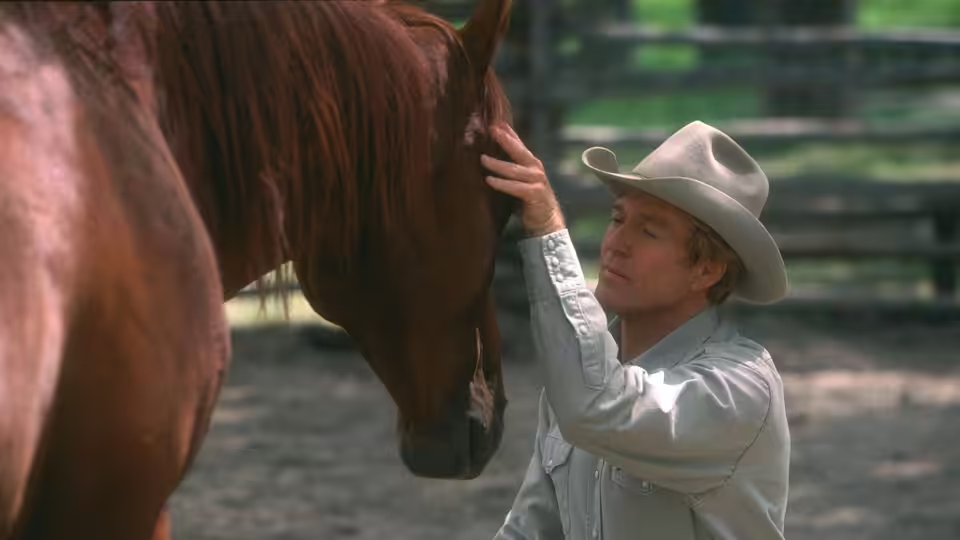
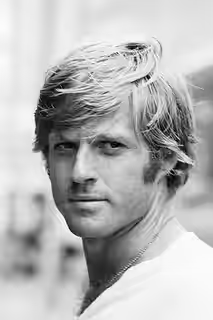
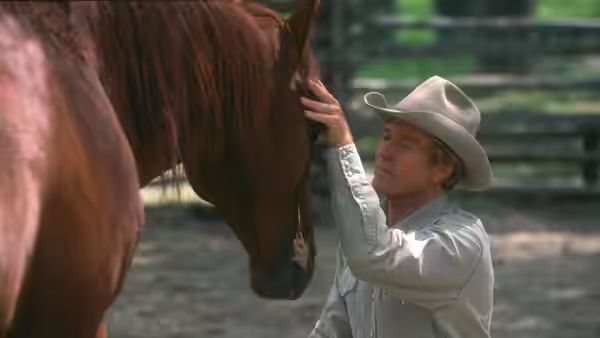
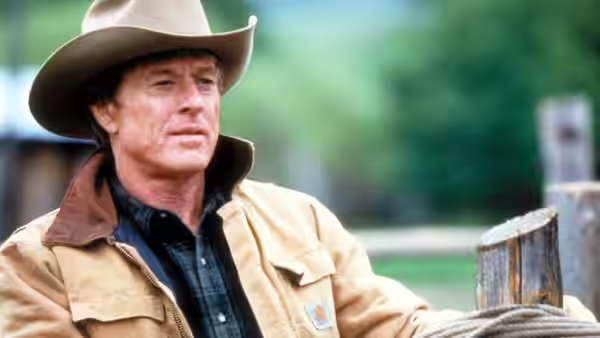
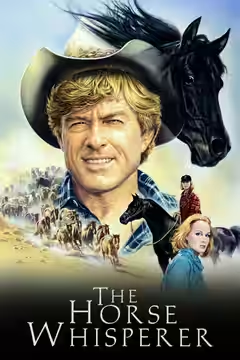
Tom Booker is a less complicated character, and that gradually becomes a problem. Robert Redford fits the role comfortably, but Tom is so steadily reassuring that the film leaves us little to discover about him. The romance consequently feels uneven: his co-star supplies the uncertainty while he remains available to soothe it. We wanted him to be harder to read, especially in a film that spends so long waiting for people to acknowledge what they feel.
Robert Richardson’s cinematography gives the landscape enough prominence that the wish to linger there becomes understandable. The views remain worth looking at even when the drama has stopped moving. Jon Hutman’s production design sits quietly within those surroundings and never distracts attention from the actors. The care is evident, although the scenery sometimes holds our interest more successfully than the people standing in it.
The editing, credited to Hank Corwin, Freeman A. Davies and Tom Rolf, needs a firmer hand. The leisurely pace allows the actors room, but the romantic hesitation eventually becomes repetitive, with too little change to justify the time spent watching. Thomas Newman’s music supports the tenderness without making those stretches feel less prolonged. The screenplay also shares responsibility; simply shortening pauses would not solve the shortage of new things for Tom and Annie to discover about each other.
There is room in romantic drama for adults who do not instantly know what to say, and the film treats their uncertainty with respect. The trouble is that it keeps extending our wait after the performances have made their feelings clear. Kristin Scott Thomas gives patient admirers of the genre a reason to stay, though the length remains a considerable reservation. Come for the performances and scenery; do not expect the opening’s urgency to accompany them.