The Karate Kid earns its sentiment through Ralph Macchio and Pat Morita, whose teacher-pupil friendship makes a familiar story worth the time. The teenage distractions could be shorter; the lessons need no apology.
John G. Avildsen’s The Karate Kid is a good-hearted underdog film that earns most of its sentiment and could lose some of its running time. Robert Mark Kamen’s screenplay gives a bullied teenager a karate teacher, then finds its strongest scenes in the friendship that grows between them. The story is familiar enough that it does not need much explaining, which leaves room for two actors to make it matter. At 127 minutes, it also leaves room for distractions.
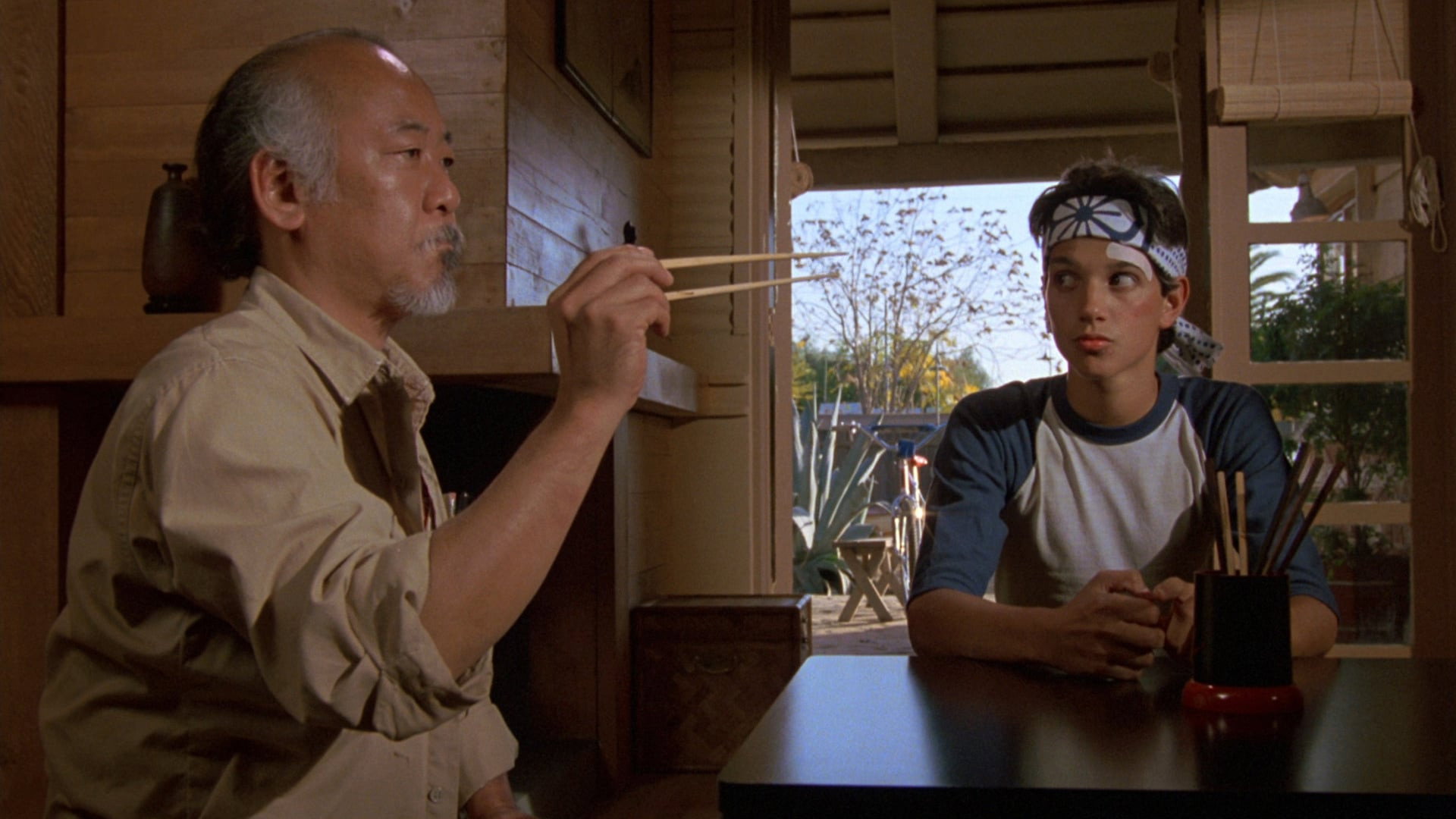
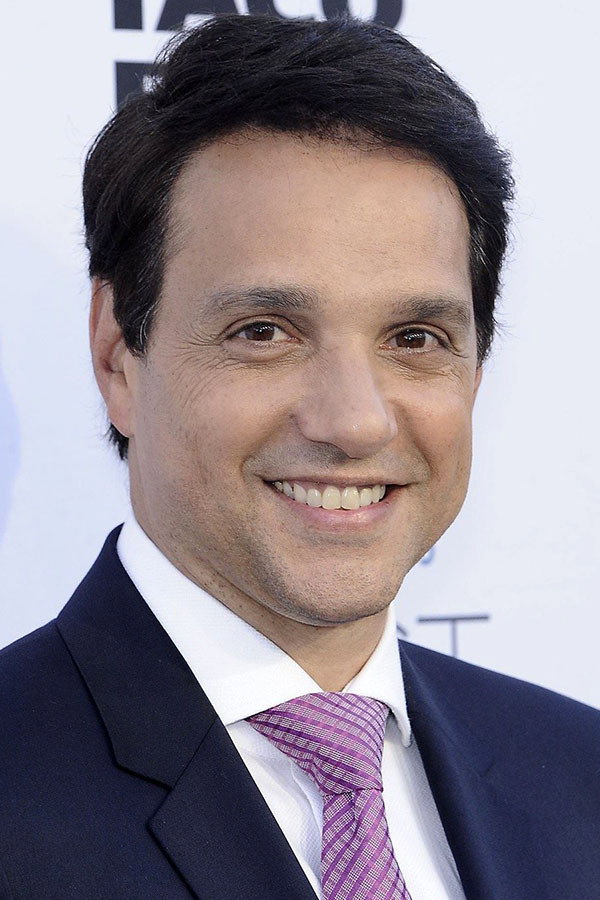
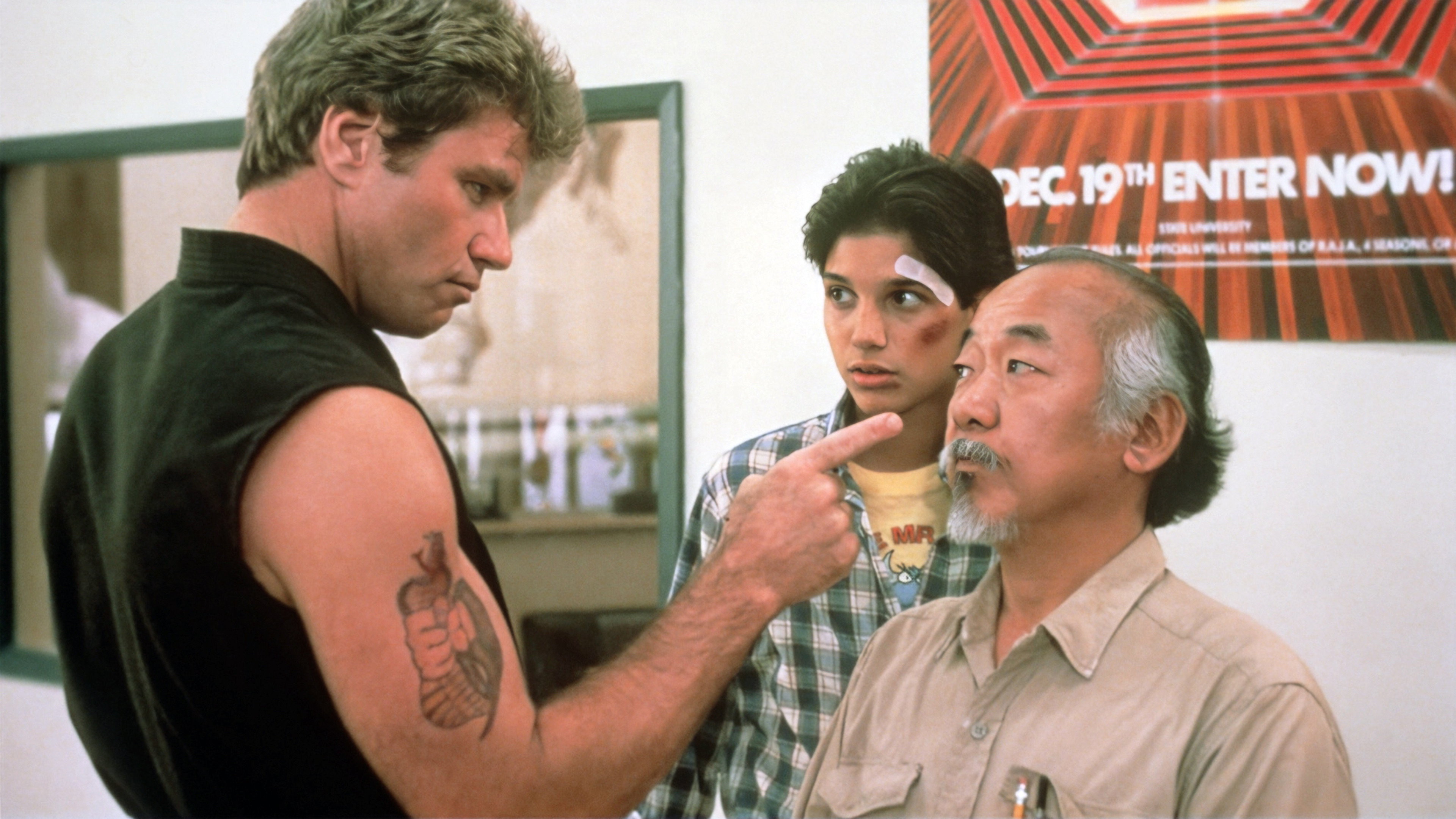
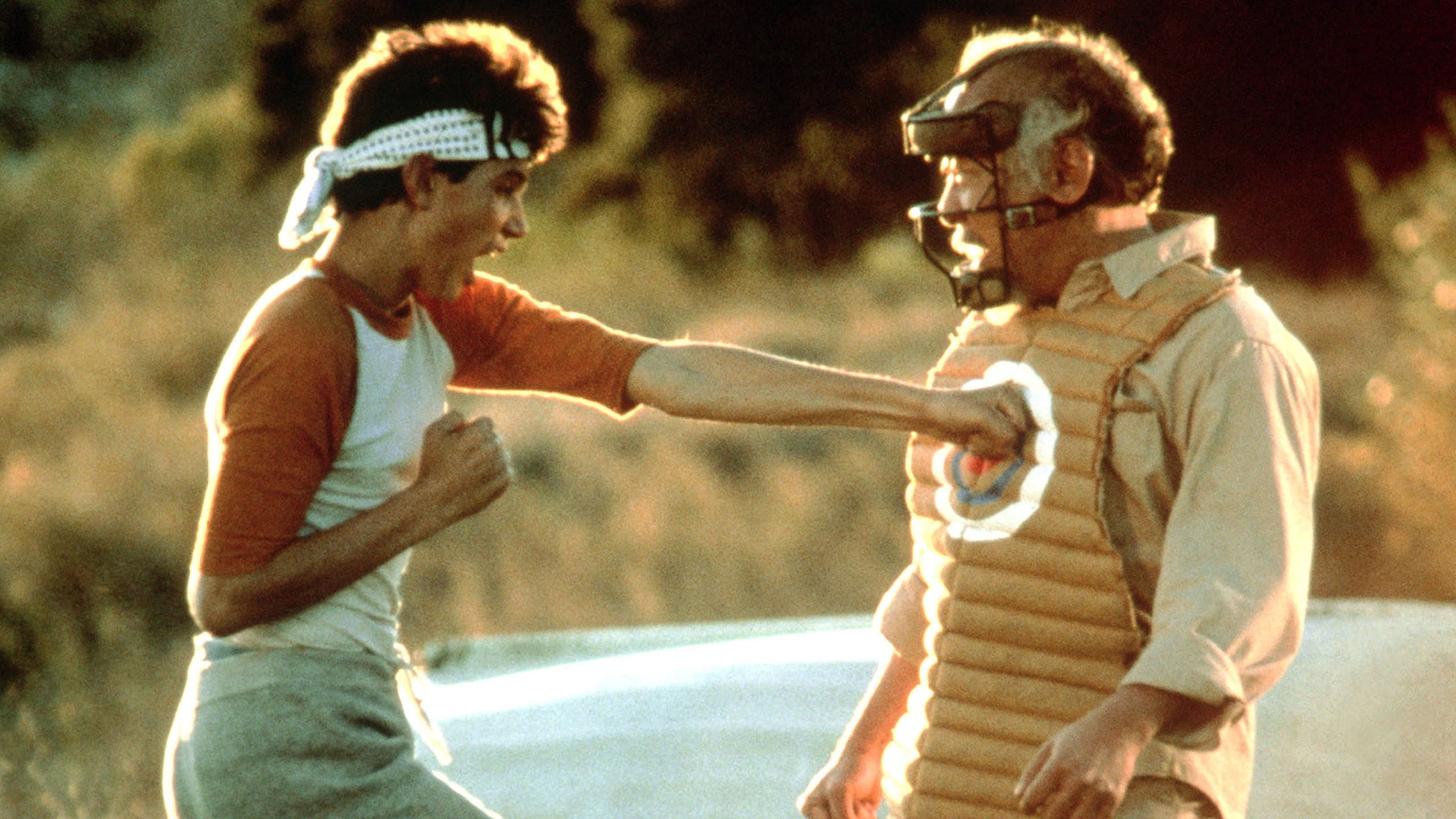
Ralph Macchio makes Daniel awkward without asking us to regard him as adorable. There is impatience in his performance as well as vulnerability, and that matters: a boy who wants help need not be pleasant every moment he is getting it. Macchio lets the need for approval show, but gives Daniel enough prickliness to keep the character from becoming a plea for sympathy. We want him to find his feet because he seems capable of making things harder for himself.
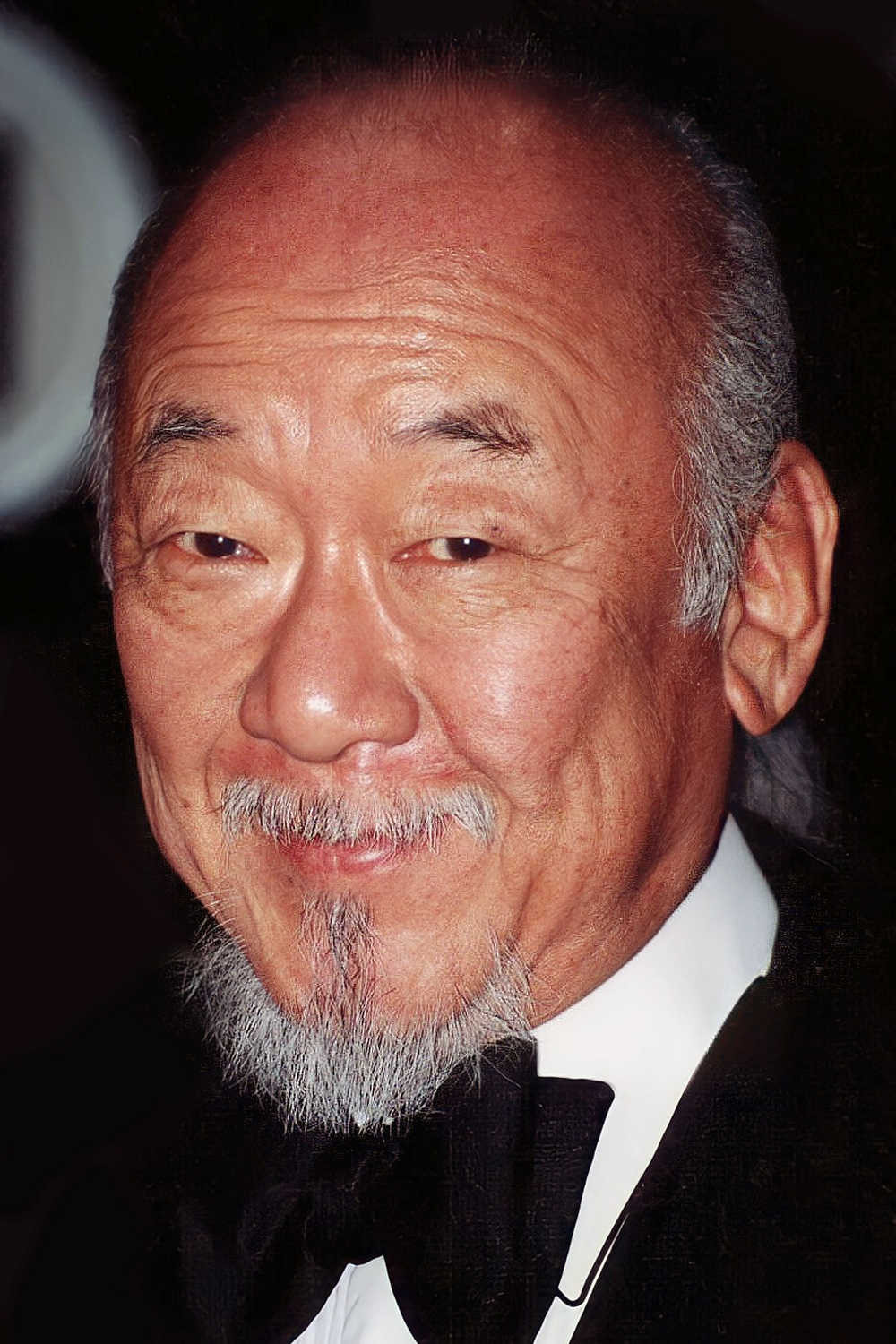
Pat Morita’s Miyagi gives him someone worth listening to. Morita is funny without making the teacher ridiculous, and he never plays him as a man too wise to bother listening. We were moved by the patience he gives Daniel; watching an adult take the boy seriously did more for us than the prospect of seeing him fight. The affection develops because both actors leave room for hesitation and irritation.
James Crabe’s cinematography is most persuasive when it lets us watch the two actors together. Macchio supplies the restlessness, Morita the stillness, and the difference remains readable without the camera insisting on it. William J. Cassidy’s production design gives the teenage story an everyday scale that helps: Daniel’s troubles belong to a recognisable life. The clothes are less easy to overlook, though their period fussiness is hardly a reason to dismiss the people wearing them. The film is more comfortable with ordinary embarrassment than its action label might suggest.
The padding is harder to forgive. Editors Bud S. Smith, Avildsen and Walt Mulconery give the central relationship welcome breathing space, but the teenage romance does not justify the same indulgence. The wider teenage material keeps interrupting the part of the film we came to care about, without making Daniel much more interesting. Bill Conti’s music is more persuasive when supporting the film’s tenderness than pressing its claims to excitement. The soundtrack also dates the film, although its eagerness to tell us what to feel is a greater nuisance than its age.
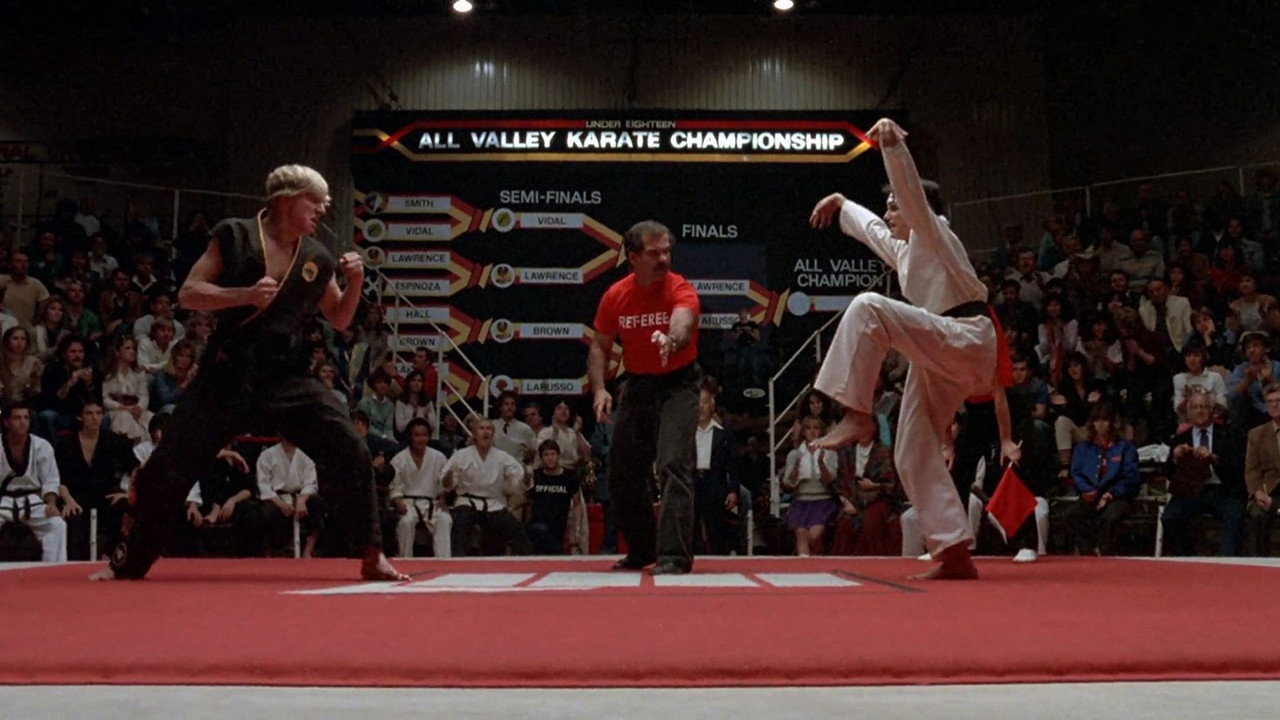
As a martial-arts story, it makes a sensible choice about what to teach. The emphasis on mind and temperament gives the lessons a purpose beyond Daniel’s wish to stop being bullied, and gives the friendship something to do. It is predictable, but knowing the shape of an underdog story does not prevent us from caring about the person inside it. Avildsen understands that we need to like spending time with Daniel before we can care about his progress.
The PG certificate should not be mistaken for a promise of constant bustle. This is a family film that asks for patience with another person’s unhappiness, and its gentleness is a large part of its appeal. It is worth sharing with anyone who suspects that learning something means being good at it immediately. Just allow for a little more teenage courtship than the karate lesson strictly requires.