Don Bluth’s small dinosaur travellers earn our concern through vivid animation and a convincing sense of danger. The squeaky voices and heavy lessons can grate, but this is a worthwhile family adventure.
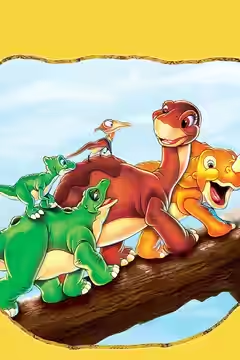
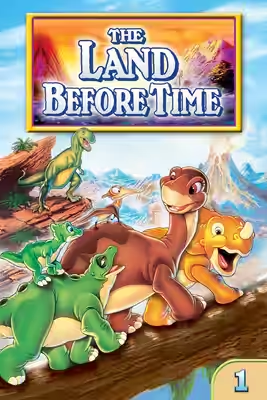
Don Bluth’s The Land Before Time is a good children’s adventure that presses its sweetness harder than it needs to. Its strongest idea is to put small, vulnerable dinosaurs in a world that makes no allowance for their size, then let the journey bring them together. The film understands how frightening that mismatch can be. It is less sure when to stop reminding us that these creatures are lovable, but the adventure gives us enough reason to care without the extra encouragement.
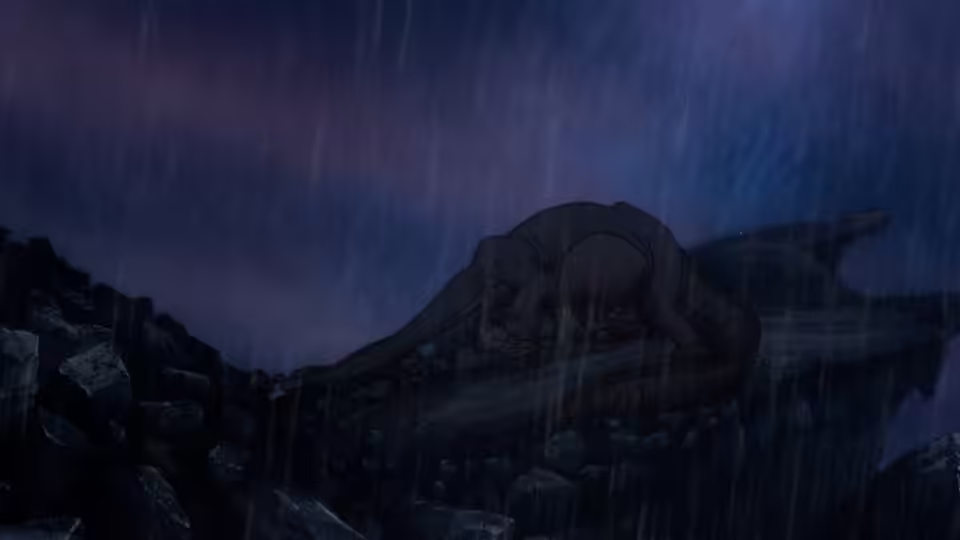
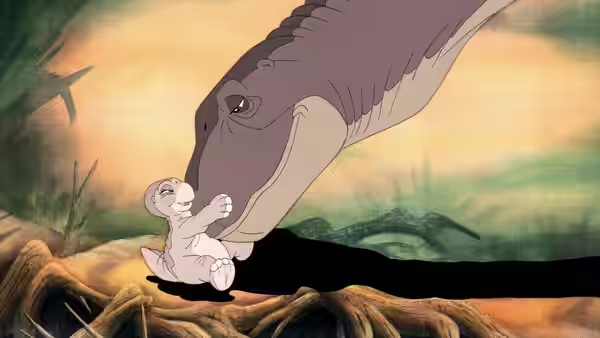
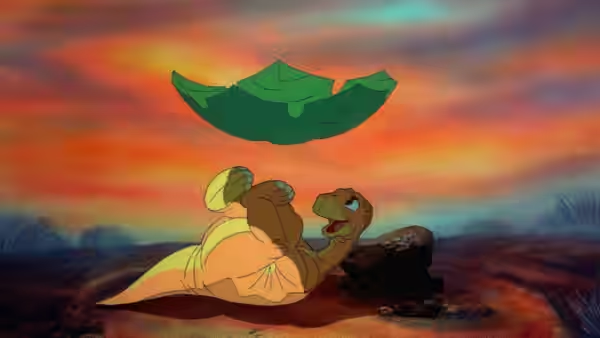
Don Bluth’s production design gives the land a convincing size against which to measure the little travellers. The vivid animation makes them easy to pick out without making their surroundings feel harmless. We felt protective of them. Seeing such small bodies against so much space did more to engage us than the film’s deliberate appeals for affection. For a family adventure, this is an effective way of making danger felt without having to explain it in dialogue.
Gabriel Damon voices Littlefoot, with Candace Hutson as Cera and Judith Barsi as Ducky. Their childlike sound helps make the companionship immediately accessible, though the squeakier delivery can become wearing. There are stretches when we wanted the voices to settle down and let the creatures hold our attention on their own. The approach will suit younger children more readily than adults, but it is a fair choice for a film that wants its dinosaurs to be possible friends.
John K. Carr and Dan Molina’s editing keeps the journey moving, and the 69-minute running time is a sensible limit for this much sweetness. The pace helps the dangerous passages remain exciting. It also means the film rarely has time to wear out its welcome when the lessons become too insistent. James Horner’s music adds warmth, though we found its emotional prompting excessive alongside those already eager voices. A little less insistence would have left the animation more room to do the work.
The main weakness is in Stu Krieger’s screenplay, which is too ready to tell us what to take from the companionship. There is nothing objectionable about encouraging children to get along, but a shared journey can make that point without repeated moral instruction. The writing sometimes seems worried that a young audience will miss what the adventure has already made clear. That takes some of the pleasure out of watching the dinosaurs learn to manage together, and makes the adults rather more aware of being taught.
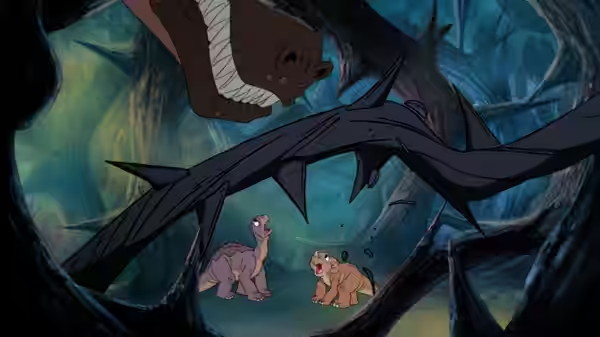
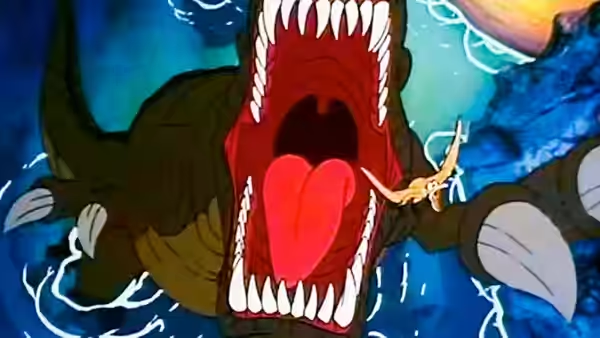
Children’s animal adventures need room for fear as well as reassurance, and this one allows more danger than its cuddly characters might suggest. Its appeal depends on accepting dinosaurs with the voices and emotional needs of small children, which will not work for everyone. Most critics disagree with us about how much the cuteness damages the film. We think they undervalue the force of that enormous landscape: it makes these little creatures seem exposed, even when the voices are doing too much.
The U certificate is worth reading alongside that sense of peril, particularly when choosing for a sensitive child. This is short enough for a family evening, but being brief does not make it entirely gentle. Choose it for a child who likes dinosaurs and can cope with them being frightened.