M. Night Shyamalan’s fantasy adventure is smothered by explanations and a solemnity the performances cannot sustain. Dev Patel gives it some urgency, and the setting has promise, but neither makes these 103 minutes worth the effort.
The Last Airbender is a joyless fantasy adventure, held back by stiff dialogue and an exhausting insistence on taking everything seriously. M. Night Shyamalan writes and directs, but never gives the story enough momentum to carry its explanations. The four-nation setting suggests a scale and variety that ought to encourage curiosity. Instead, getting acquainted with this place feels like work, and at 103 minutes there is no excuse for how slowly the film seems to move.
The screenplay is the central problem, because it keeps asking speeches to do the work of drama. Characters explain the story at such length that there is scarcely room for a relationship to become interesting before another piece of information arrives. We were bored by these explanations, and irritated by how little the film trusted us to follow anything without them. A younger audience may need clear introductions, but that does not mean the dialogue needs to keep bringing an absent pupil up to date.
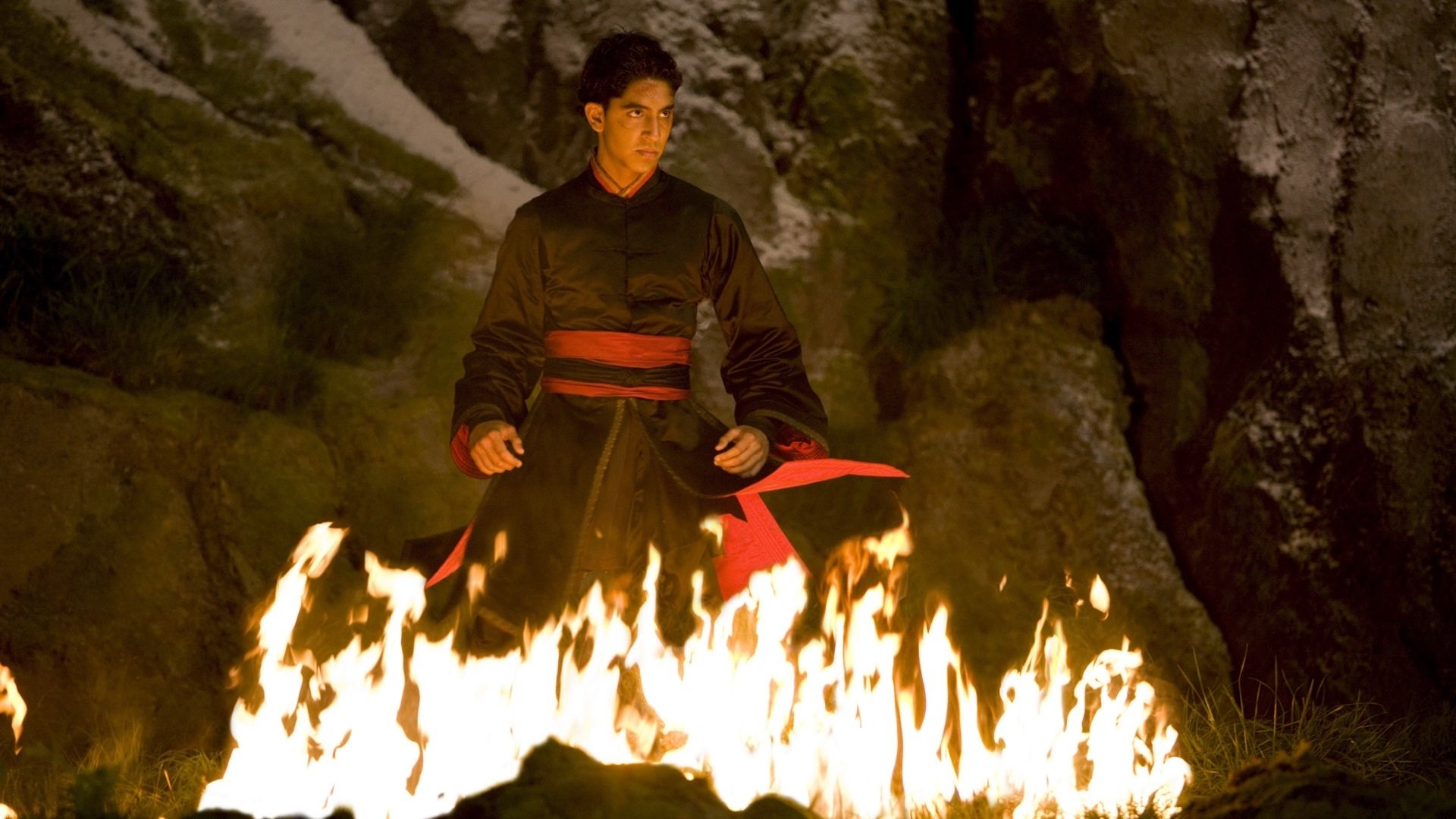
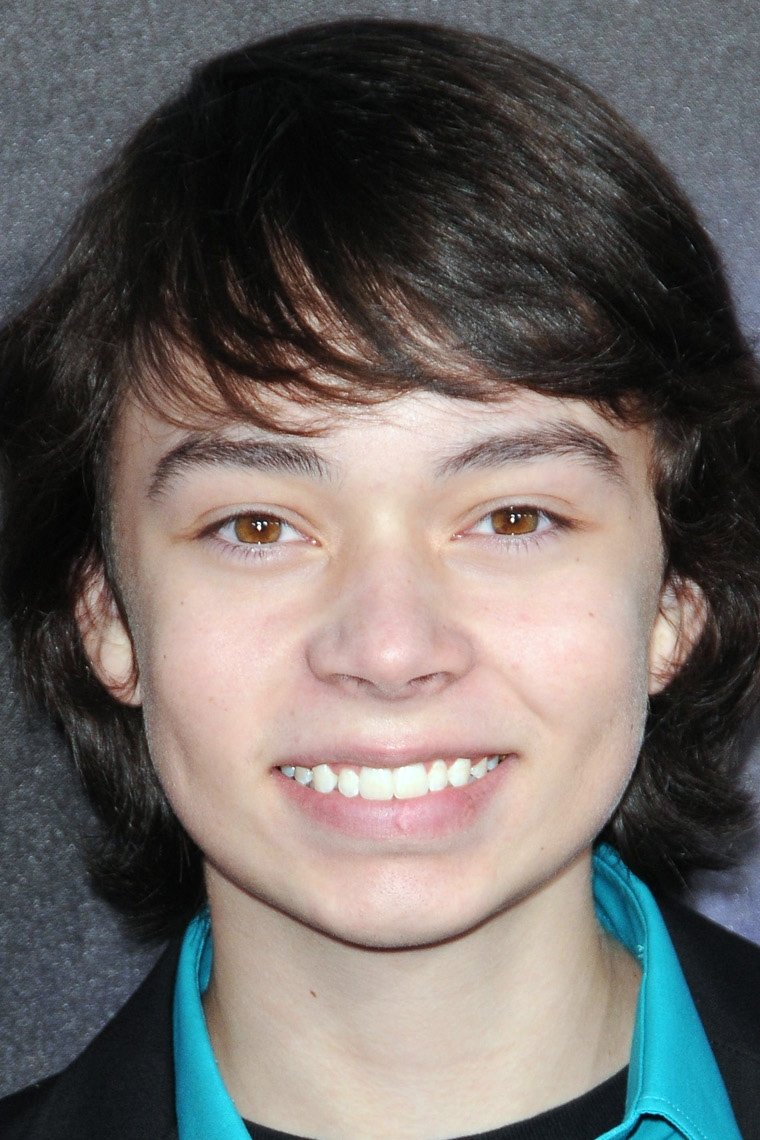
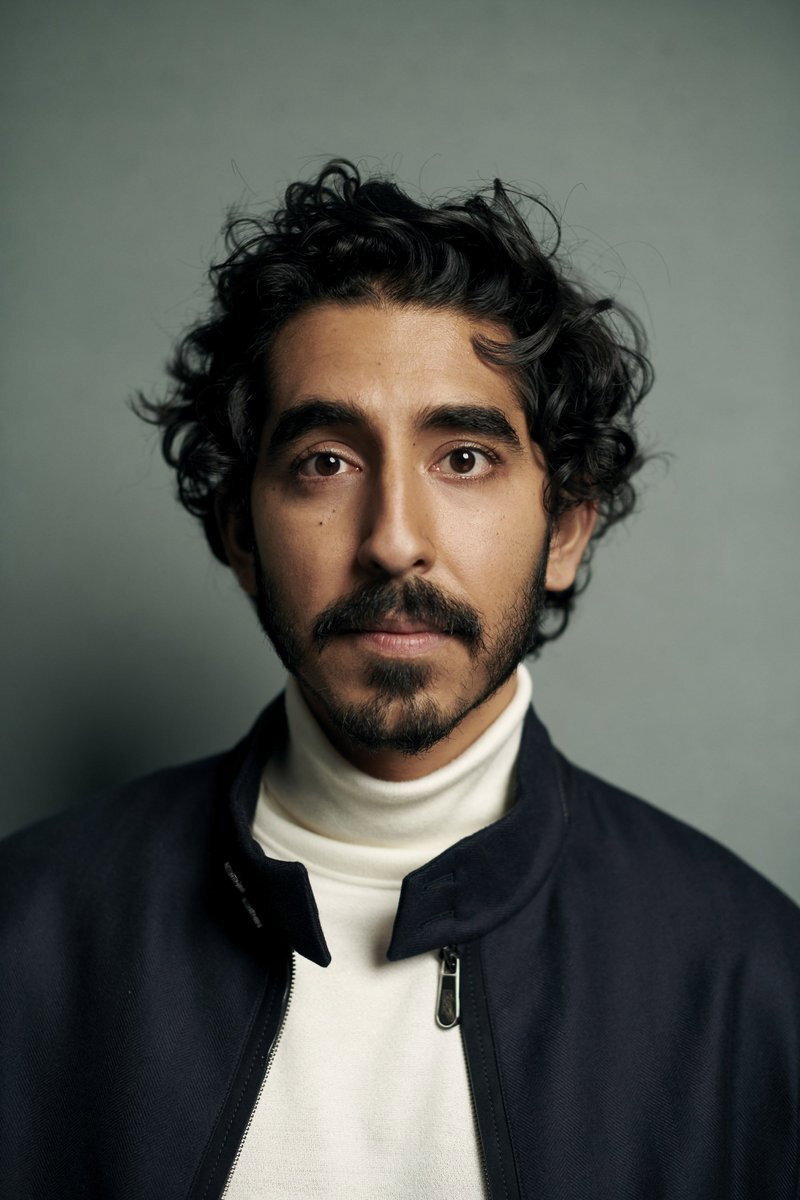
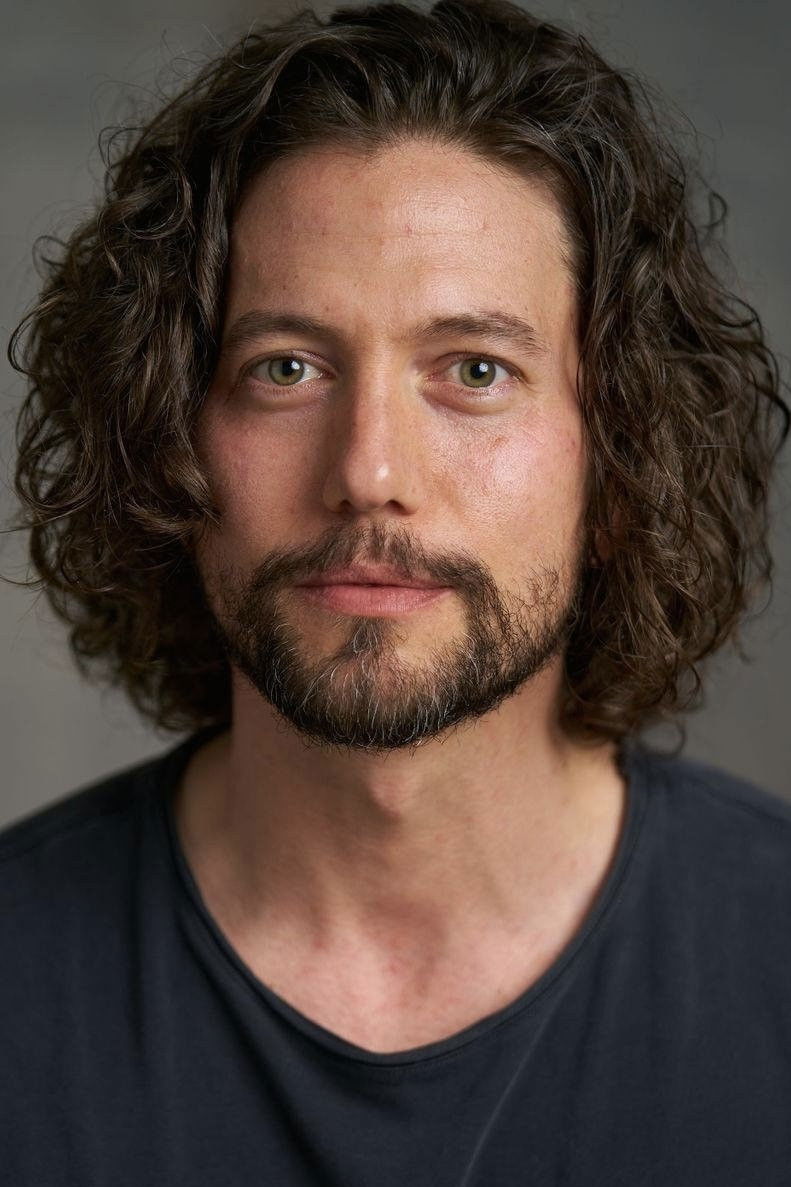
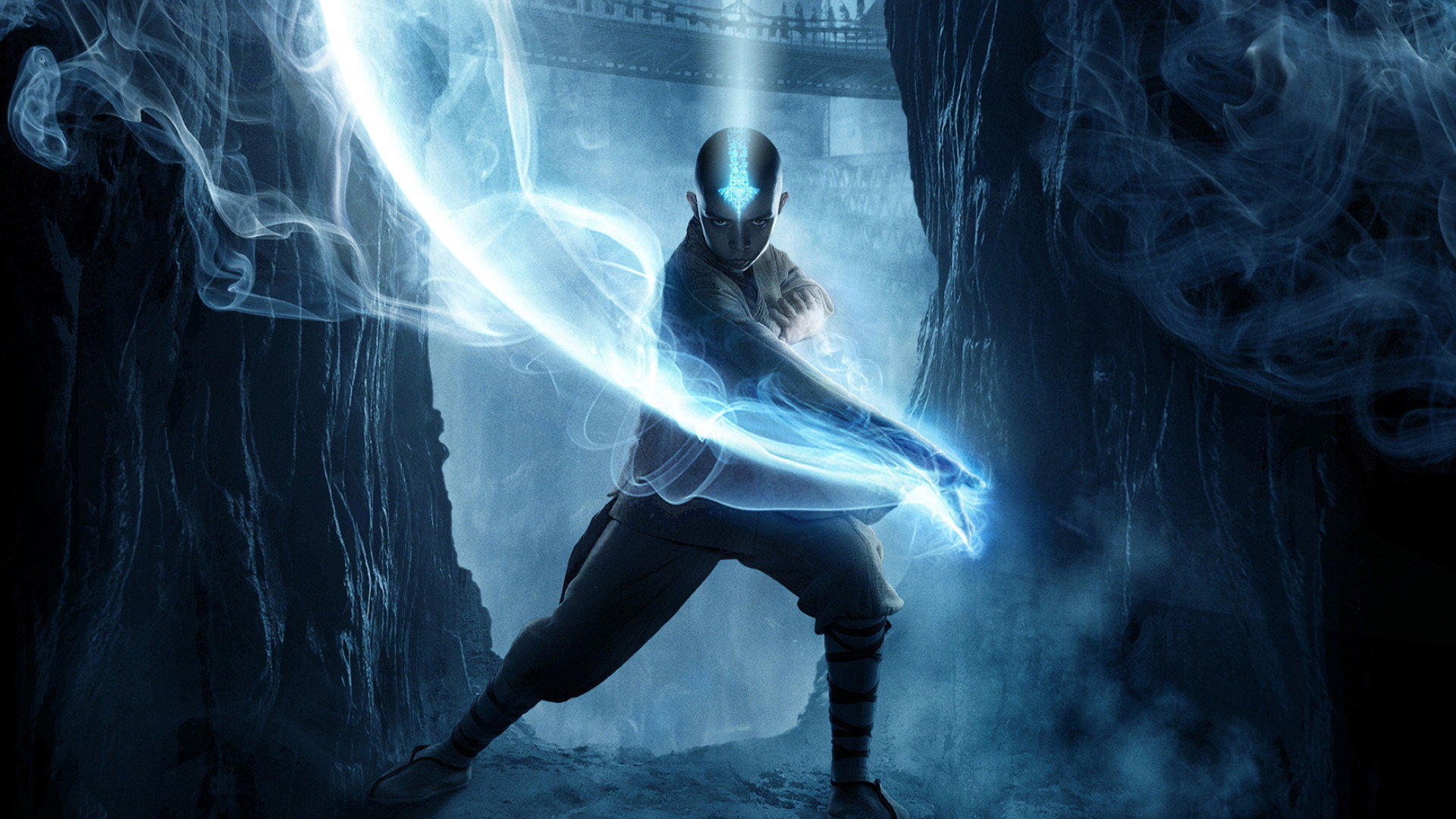
Noah Ringer, as Aang, receives little help from that dialogue, and the stiffness spreads through the young cast. Nicola Peltz’s Katara and Jackson Rathbone’s Sokka rarely make their exchanges sound spontaneous, leaving us conscious of the lines they have been asked to deliver. Dev Patel, playing Prince Zuko, supplies a welcome trace of urgency; there is some feeling behind his seriousness. His performance cannot repair the writing, but it does briefly make a person worth watching. The less assured performers deserved more help from their director.
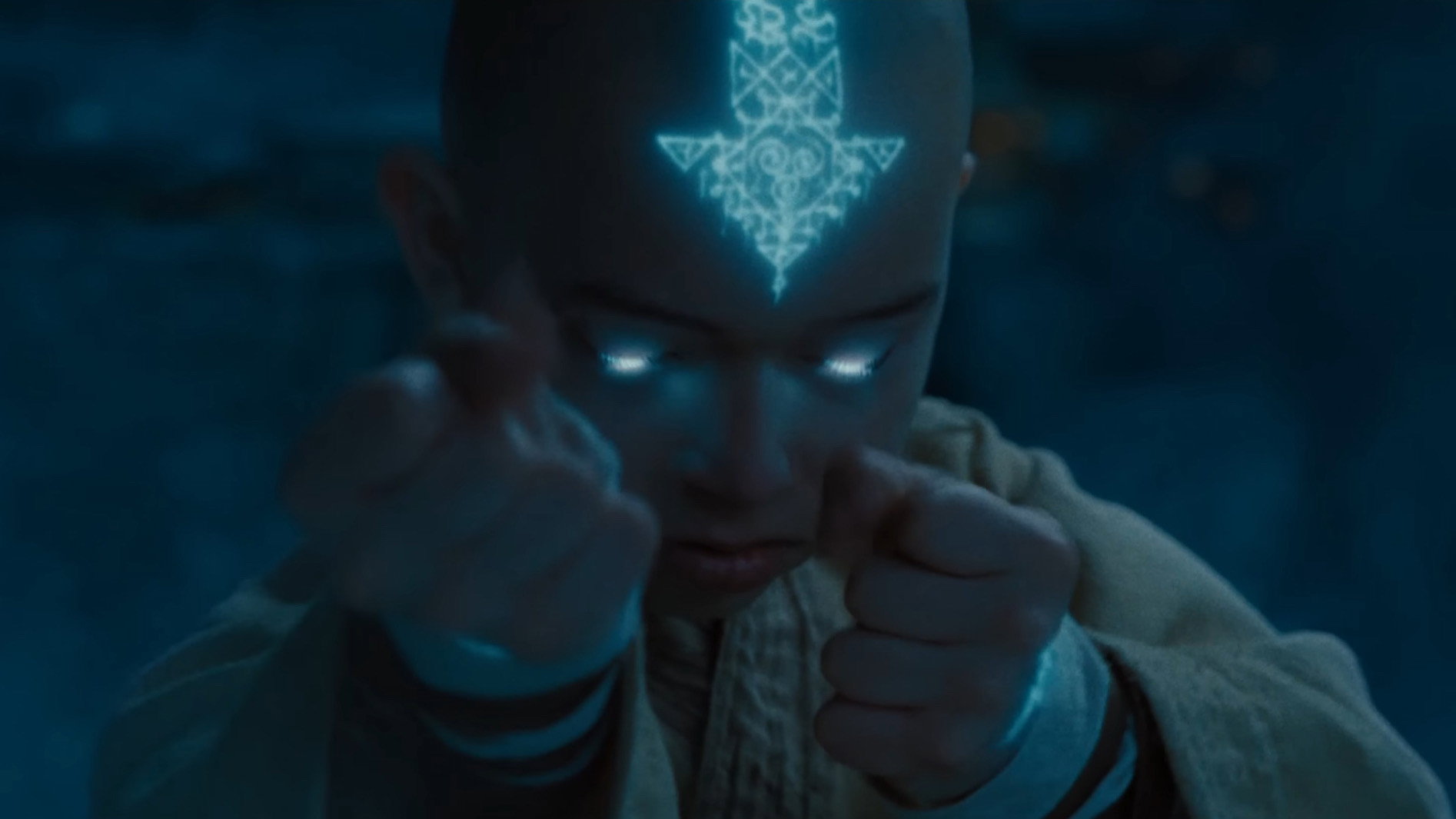
Andrew Lesnie’s photography becomes muddy just when the action needs clear outlines. A fantasy fight ought to let us see a movement, understand its effect and feel the danger of what comes next. Here the effects often obscure our sense of what is happening, and the physical effort produces surprisingly little excitement. Conrad Buff IV’s editing compounds that trouble: the storytelling feels rushed, yet the action never finds a rhythm that might make us stop noticing the awkward dialogue between confrontations.
Philip Messina’s production design is one of the few reasons to keep looking, giving the setting an appeal the conversations struggle to sustain. Some of the visual effects also work well enough to suggest the adventure this might have been, though isolated successes cannot make a confusing sequence exciting. James Newton Howard’s music has too much work to do when the drama itself generates so little anticipation. It cannot make a confrontation matter when we have barely begun to care about those involved.
There is no rule that a PG fantasy must be a succession of jokes, and a children’s adventure can accommodate difficult ideas. The problem here is how thoroughly the solemn delivery wears down the pleasure of discovery. M. Night Shyamalan leaves little space for the wit or warmth that might make all this explanation bearable, and the action supplies no reliable relief. We would not make children sit through it simply because the certificate says they can.