Michael Mann’s frontier romance is stirring, forceful entertainment, with Daniel Day-Lewis giving its hero the necessary conviction. The action and music are hard to resist, even when the dialogue sounds less certain of its period.
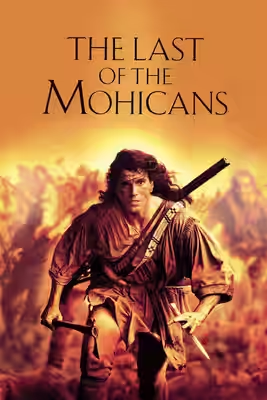
Michael Mann’s The Last of the Mohicans takes frontier war and romance seriously enough to risk looking foolish, and mostly gets away with it. This is a rousing adventure, with a conviction that makes its occasional stiffness easy to forgive. Mann and fellow screenwriter Christopher Crowe adapt James Fenimore Cooper’s novel with excitement clearly ahead of historical instruction. The fighting, the landscapes and the romance receive more attention than the wider history.
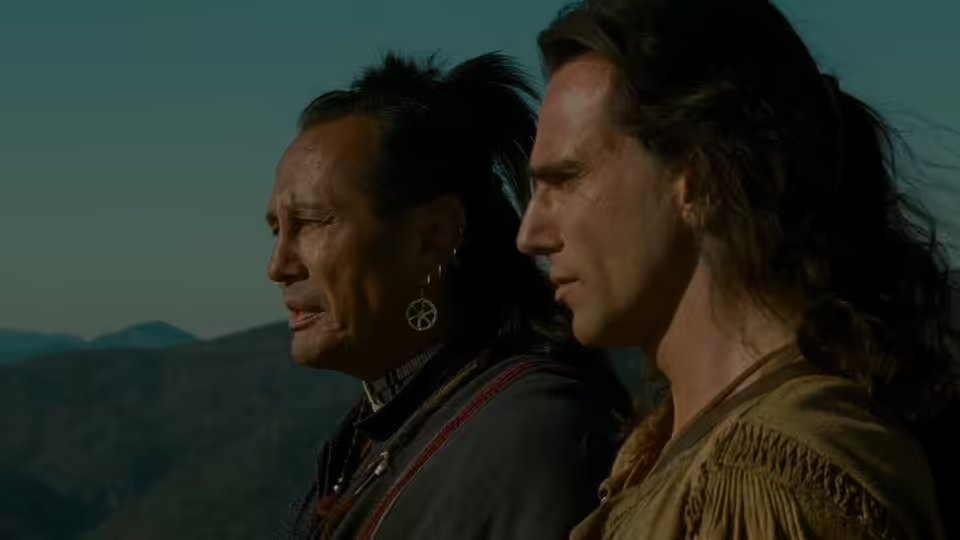
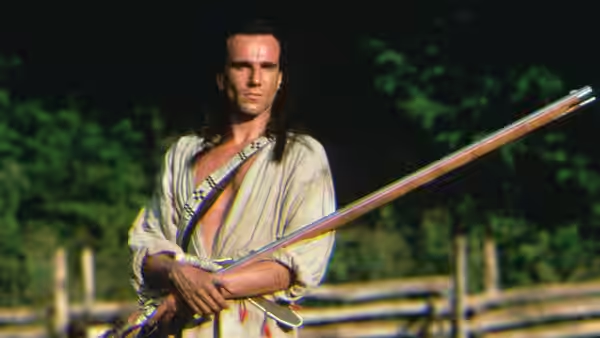
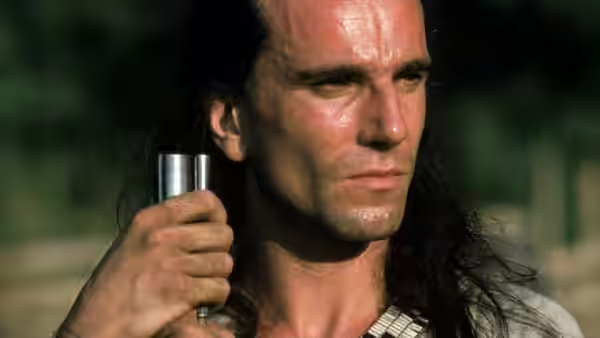
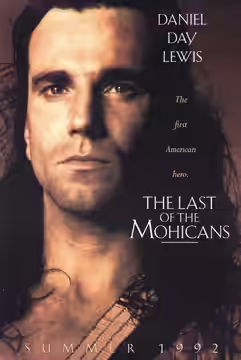
Daniel Day-Lewis is the chief reason that approach works. His Hawkeye has the physical assurance this kind of hero needs, and Day-Lewis commits to the romantic seriousness without looking embarrassed by it. We believe in his ability to manage danger, which gives the love story a better foundation than handsome looks alone could provide. Madeleine Stowe, as Cora, brings a firmness that helps keep the romantic scenes from becoming too solemn, though neither performance offers much relief from the film’s earnestness.
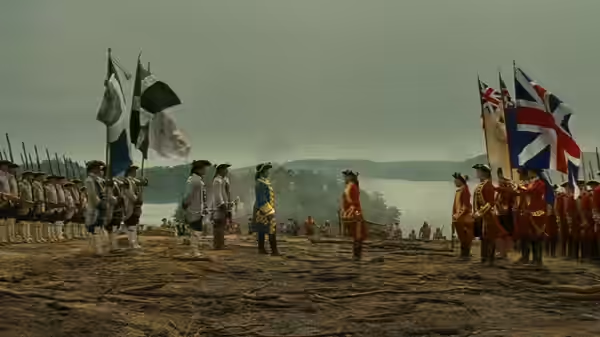
Dante Spinotti’s cinematography gives the wilderness enough space to register before the action demands our attention again. The wide views are handsome, but their size also makes the people within them seem exposed and precarious. Wolf Kroeger’s production design supplies persuasive historical detail without competing for attention with the actors. Together with the costumes by Richard La Motte and Elsa Zamparelli, it establishes the period firmly enough that Mann can get on with the fighting.
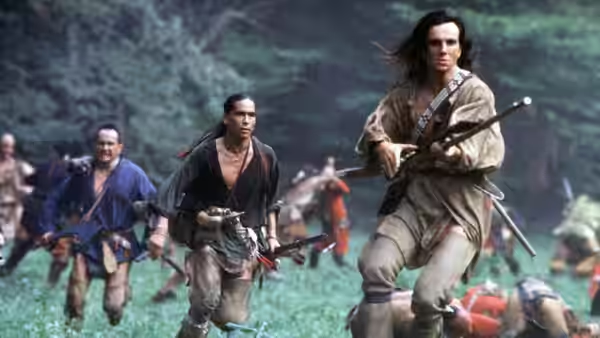
The ambush shows how well his impatience can serve him. Editors Dov Hoenig and Arthur Schmidt keep the action moving without making each violent encounter feel like a separate demonstration of the director’s skill. We were startled by the ambush’s brutality, because the violence interrupts the pleasure of looking at the landscape so sharply. Mann understands the excitement of a well-staged battle, and the editing maintains that excitement without making the fighting seem harmless.
Trevor Jones and Randy Edelman’s score does not apologise for asking us to feel something. Its force matches the action, and the music gives the romantic passages a sweep that the dialogue cannot always supply. There are moments when the insistence comes close to being overbearing, but a quieter score would struggle to make itself felt alongside performances and action pitched at this strength. The romance depends heavily on that musical support, particularly when the words are less persuasive than the people delivering them.
The weakness is in how little space some of the other people receive. Wes Studi’s Magua and Russell Means’s Chingachgook suggest lives larger than the attention the screenplay gives them, while Jodhi May’s Alice and Eric Schweig’s Uncas need more room within its rush. Mann and Crowe also allow dialogue whose contemporary sound jars against the period clothes; the solemn delivery makes those lapses more noticeable. The film sometimes asks for an emotional response before it has given a supporting character enough attention to earn one.
By the standards of romantic adventure, Mann gets the difficult thing right: he makes an extravagant story worth taking seriously. The 112 minutes move with an urgency that suits the danger, even when a quieter exchange might have helped us understand the people facing it. Its lack of embarrassment about heroism is a considerable pleasure, provided we accept that the history is serving the adventure. If solemn heroes usually make you restless, give Day-Lewis a chance to persuade you otherwise.