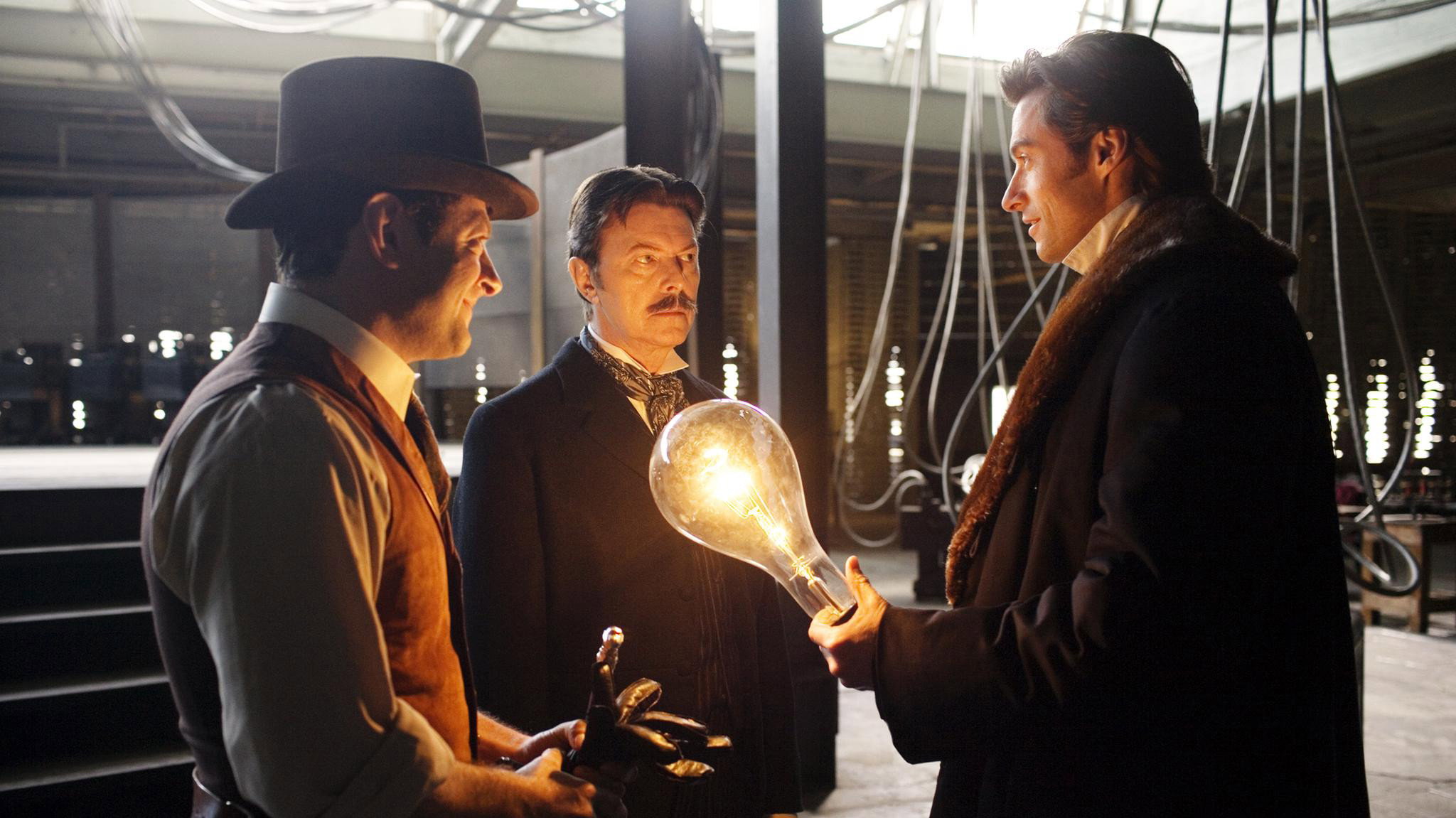
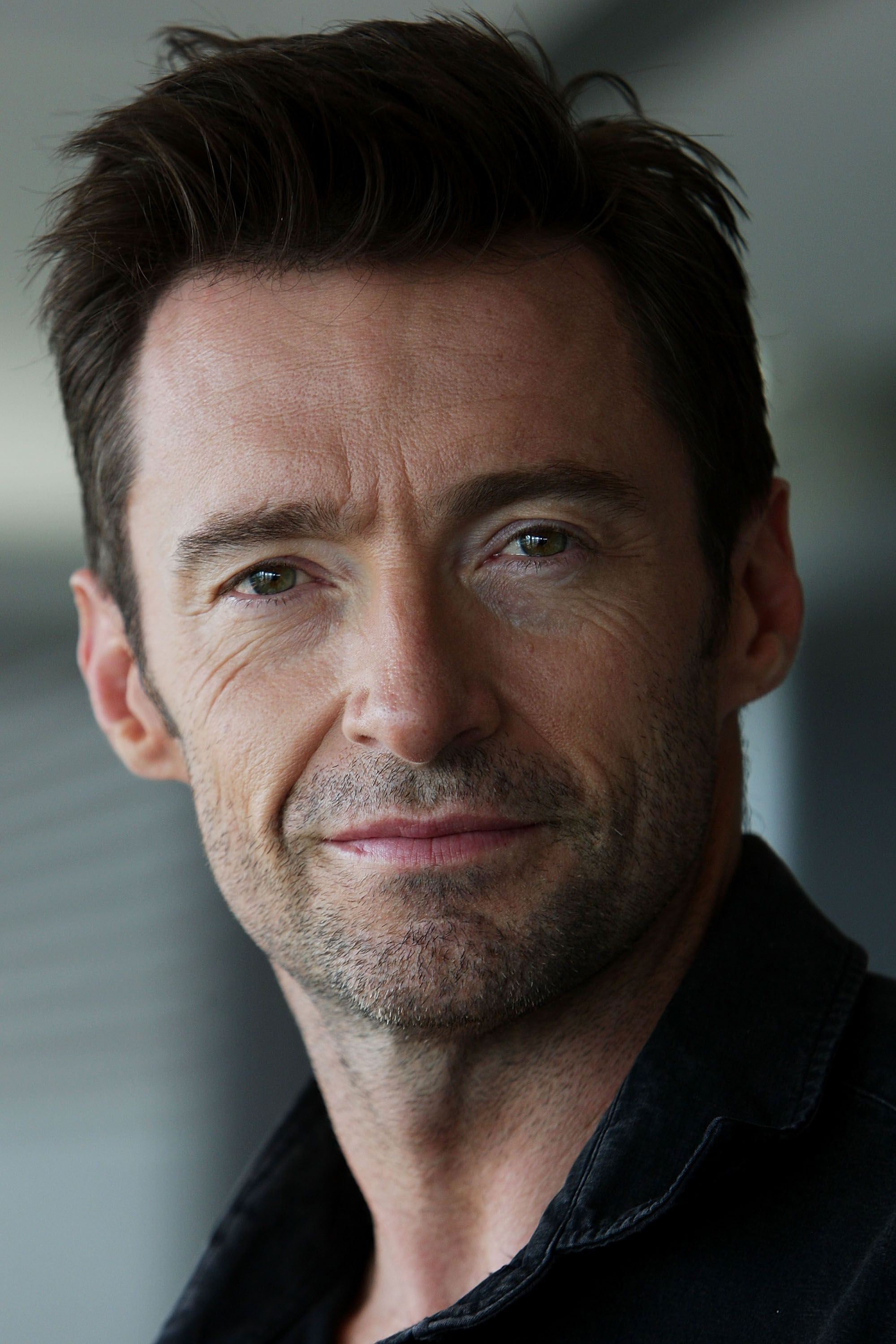
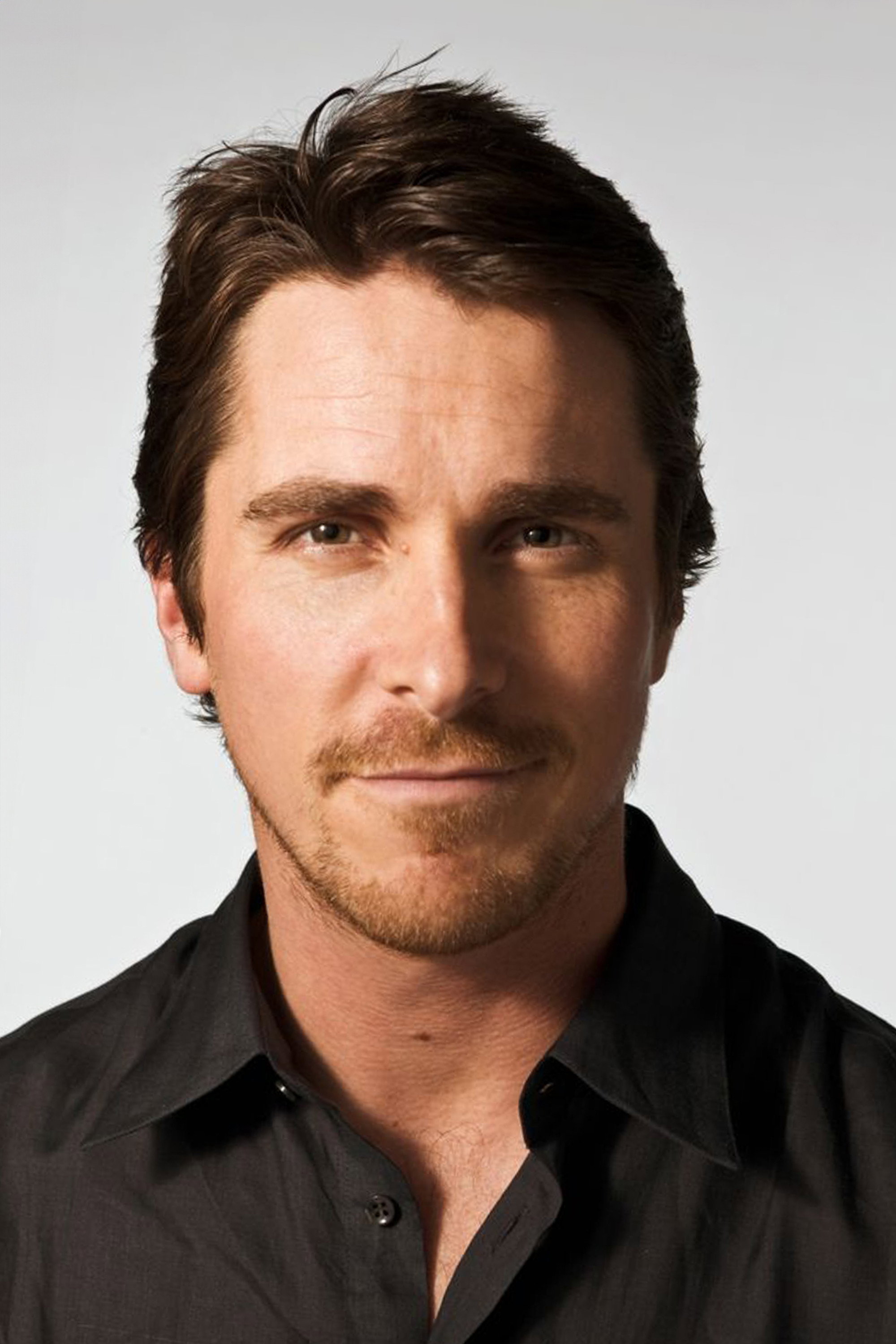
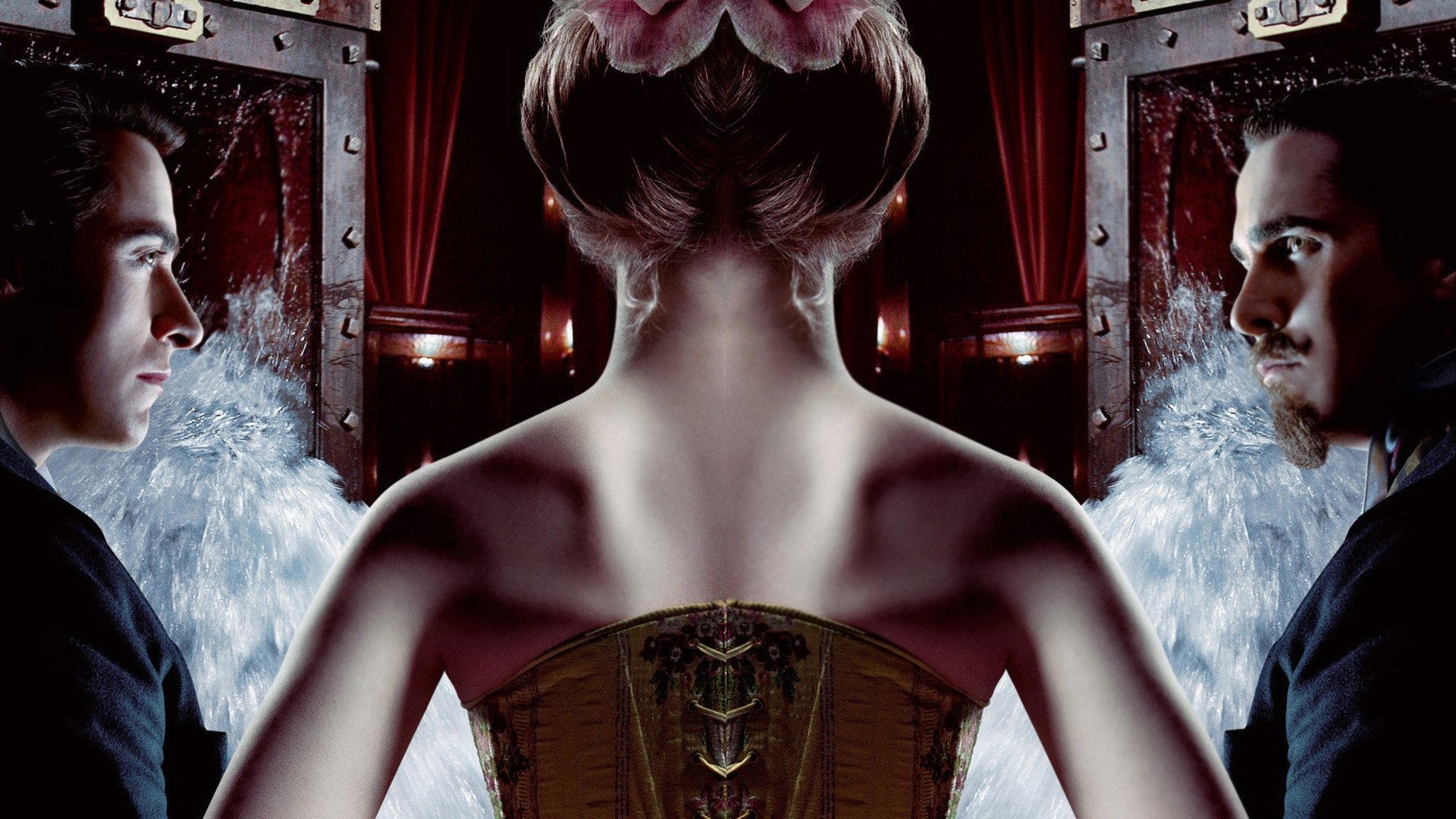
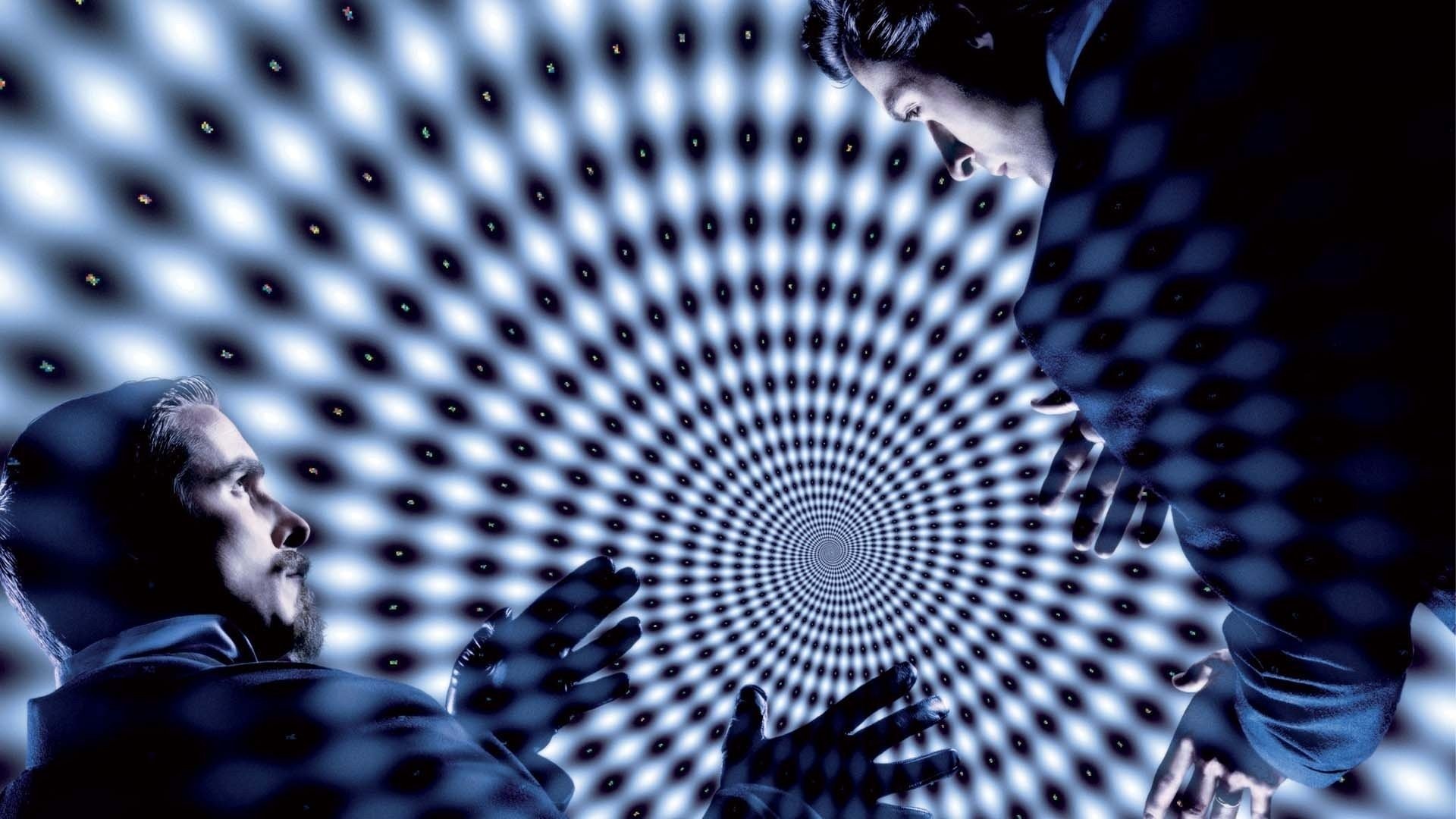
Christopher Nolan’s The Prestige makes professional jealousy gripping, with Hugh Jackman and Christian Bale giving its elaborate plotting a human cost. The explanations become fussy, but the rivalry earns the attention the film demands.
The Prestige is a gripping film about professional envy, with enough feeling in its rivalry to make the elaborate storytelling worth following. Christopher Nolan treats stage magic seriously, as work that requires skill, secrecy and a willingness to let somebody else misunderstand what is happening. That gives him a useful way to organise a mystery. The complicated plotting could easily become tiresome, but Hugh Jackman and Christian Bale make this competition worth caring about.
The screenplay by Christopher and Jonathan Nolan, adapted from Christopher Priest’s novel, moves backwards and forwards through the rivalry rather than laying it out in order. Editor Lee Smith keeps those shifts brisk enough to sustain the competition’s urgency. We have to revise our judgement of the men as well as keep track of events. For much of the film, that demands the right amount of effort, giving us enough to follow without making every connection on our behalf.
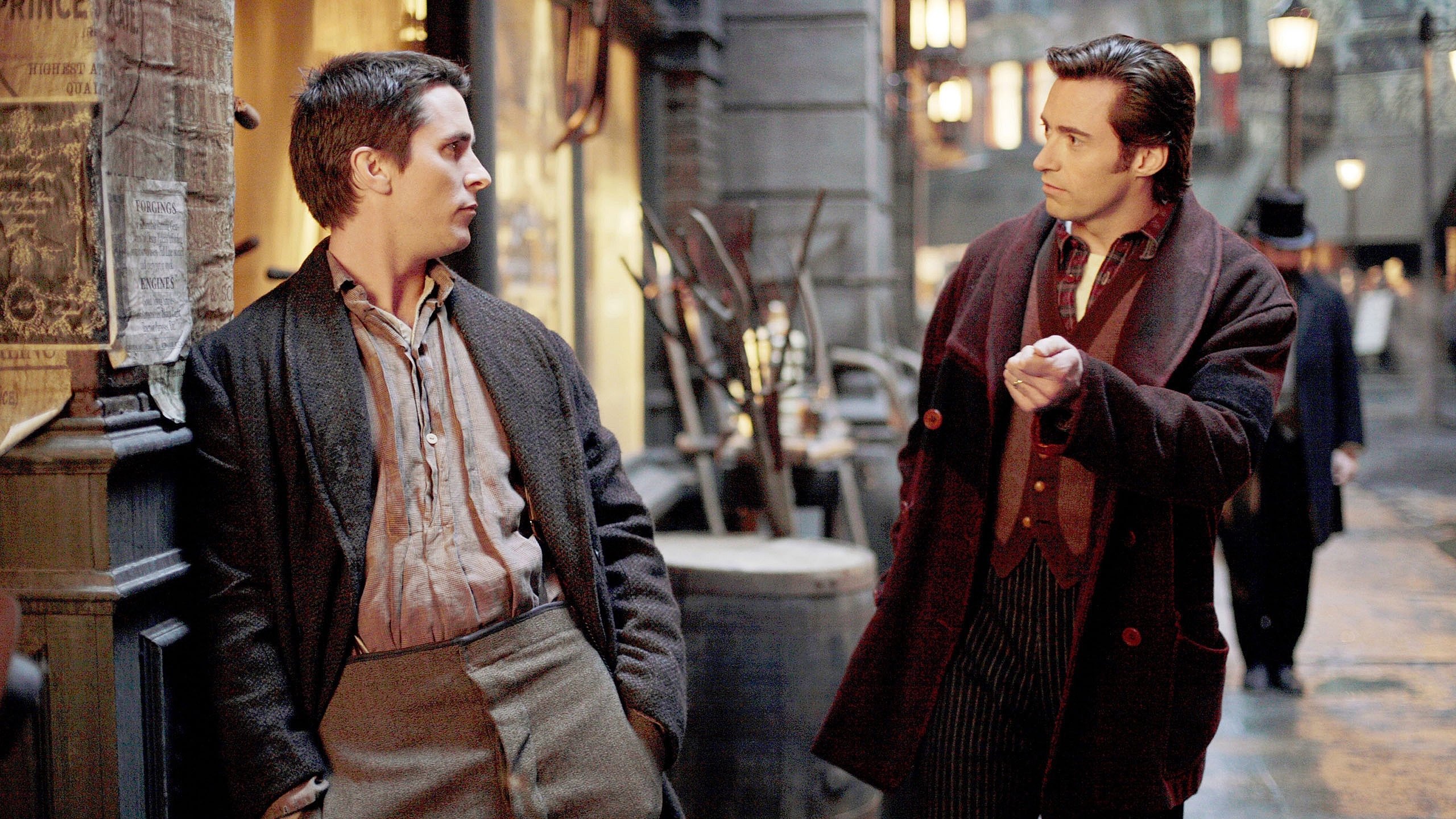
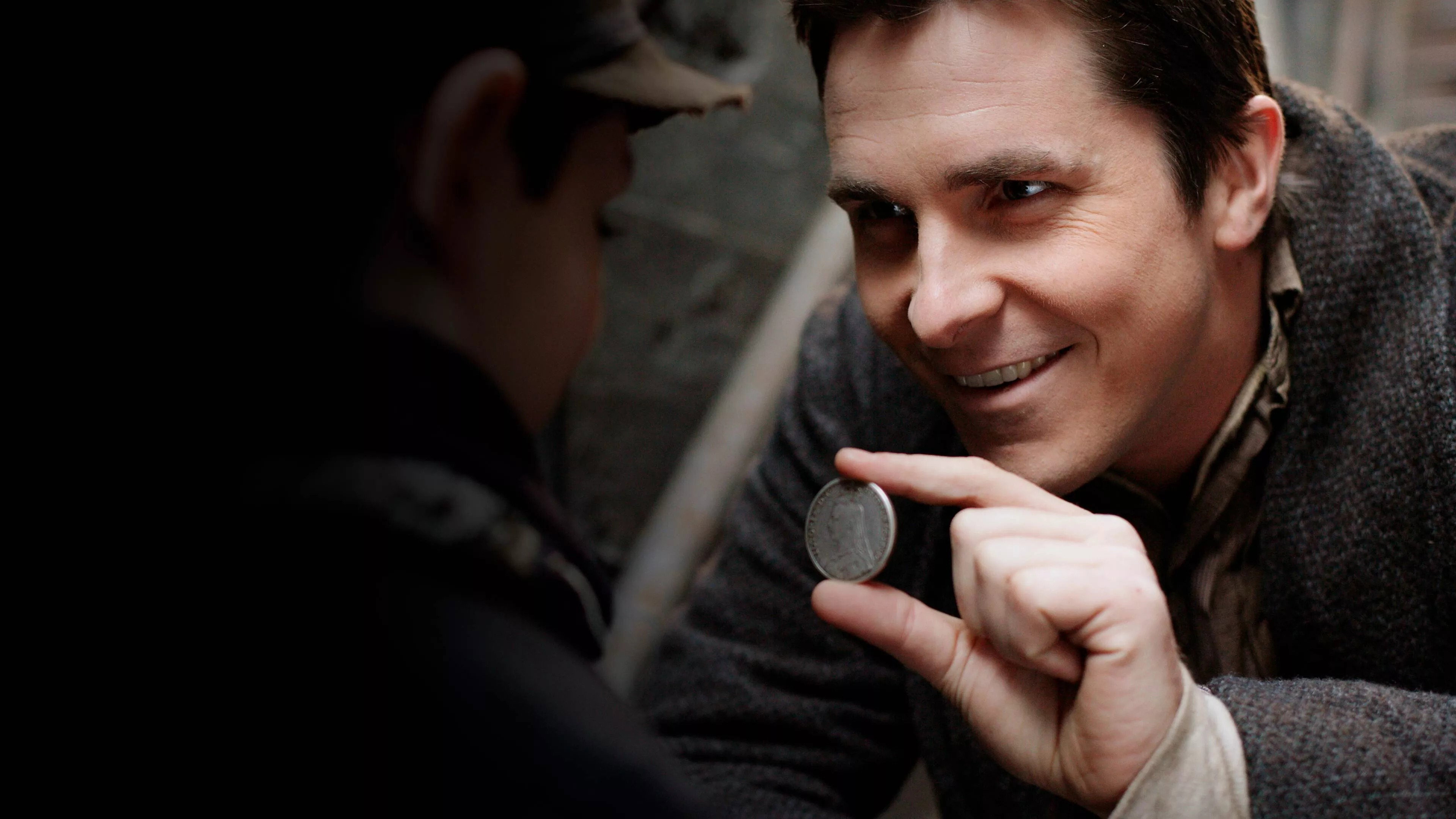
Jackman’s Robert Angier and Bale’s Alfred Borden give the competition two distinct temperaments. Jackman lets charm coexist with an ugly need to prevail, while Bale’s severity gives Borden little room to enjoy his own ability. We were unsettled by how recognisable their resentment became: both performances make it clear how much these men hate being outdone. The actors keep enough vulnerability visible for us to care, even when spending time with either man begins to feel like a poor decision.
Wally Pfister’s photography makes the Gothic settings oppressive, encouraging us to examine the image for what we might have missed. It is an effective way to keep the eye busy while the screenplay moves between different points in the rivalry. Nathan Crowley’s production design makes Victorian London convincing without competing with the actors for our interest. We believe in the surroundings, which matters when the story is asking us to keep doubting what we see.
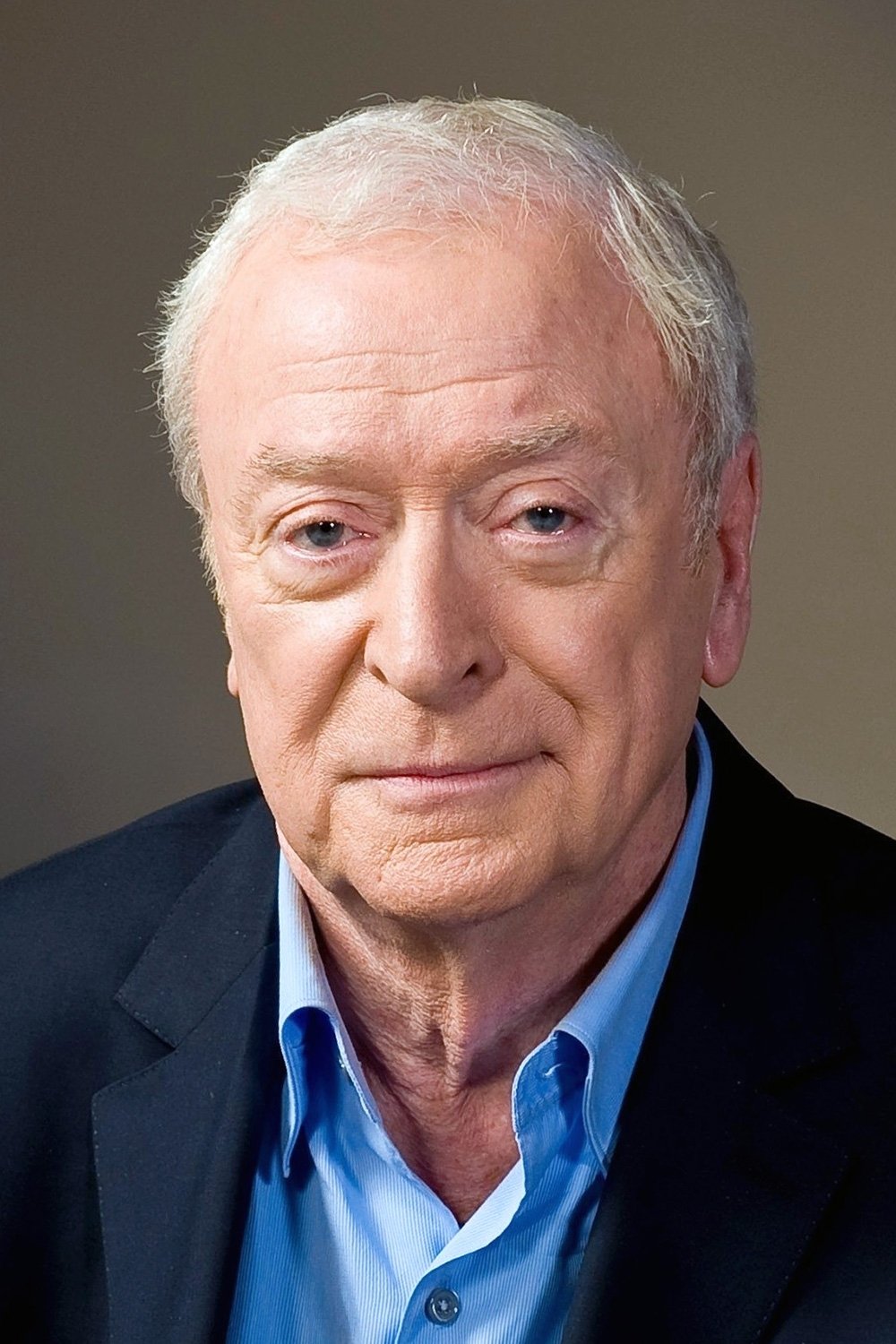
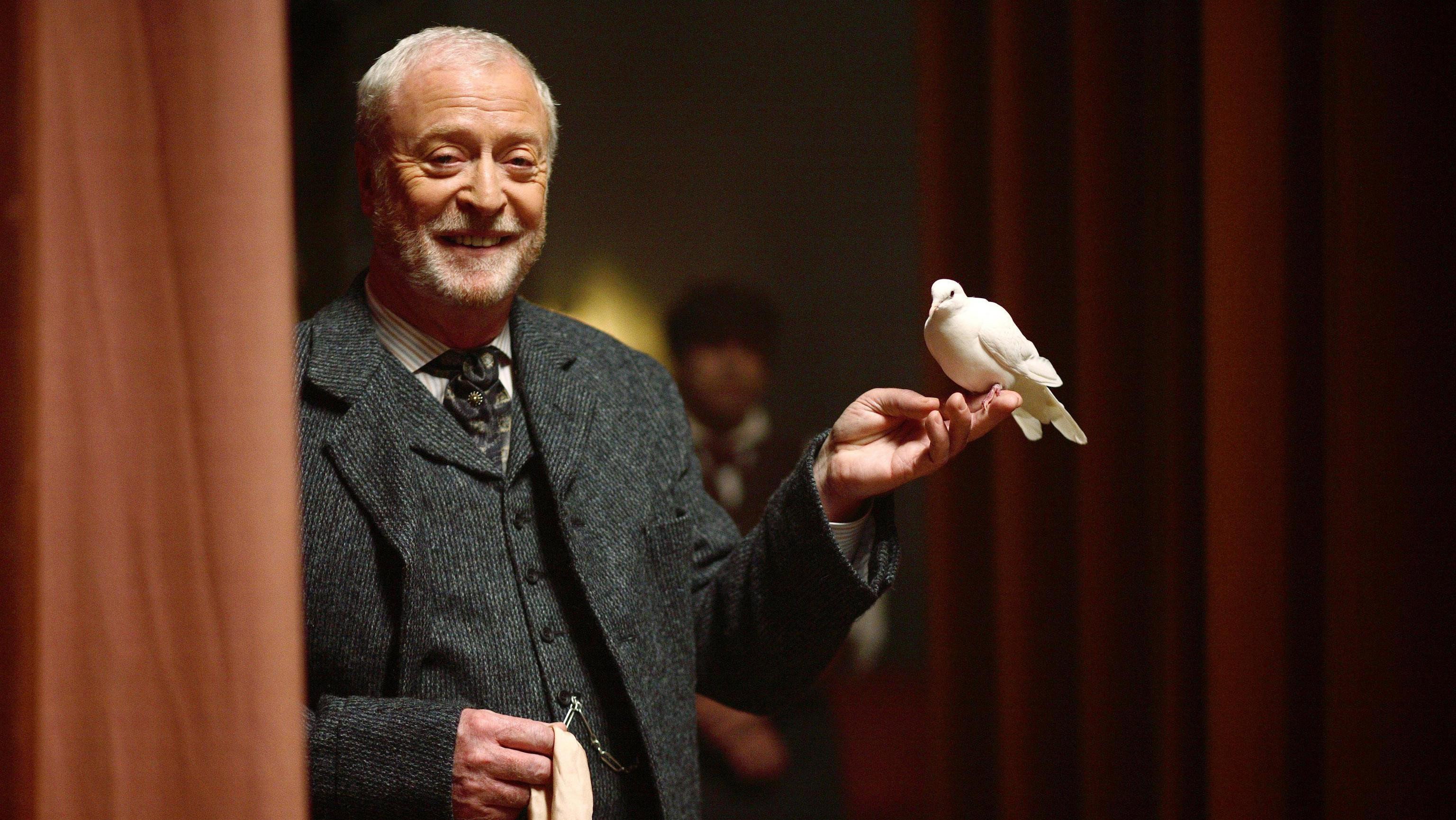
David Julyan’s music helps sustain that unease without making the rivalry seem grander than it deserves. Its seriousness suits men who have lost the ability to see anything faintly ridiculous in their competition. Michael Caine, as Cutter, supplies a welcome steadiness beside the leads’ intensity. His calmer performance gives us a brief rest from their resentment, which the film needs.
The weakness lies in the screenplay’s appetite for explanation. Christopher and Jonathan Nolan sometimes labour a connection after the actors and the editing have given us enough to grasp it. The later stretches grow fussy, and the insistence on accounting for the puzzle interrupts the interest in how these men behave. A little less clarification would leave more room for the discomfort the performances have earned.
As a mystery, The Prestige rewards close attention, and its treatment of rivalry makes the cleverness matter. The complaints about emotional distance are understandable, given how jealously Angier and Borden guard themselves, but we found enough hurt in the performances to stay involved. At 130 minutes, it asks for concentration without needing an apology for its length. Watch it with someone who can tolerate a conversation being postponed until the credits.