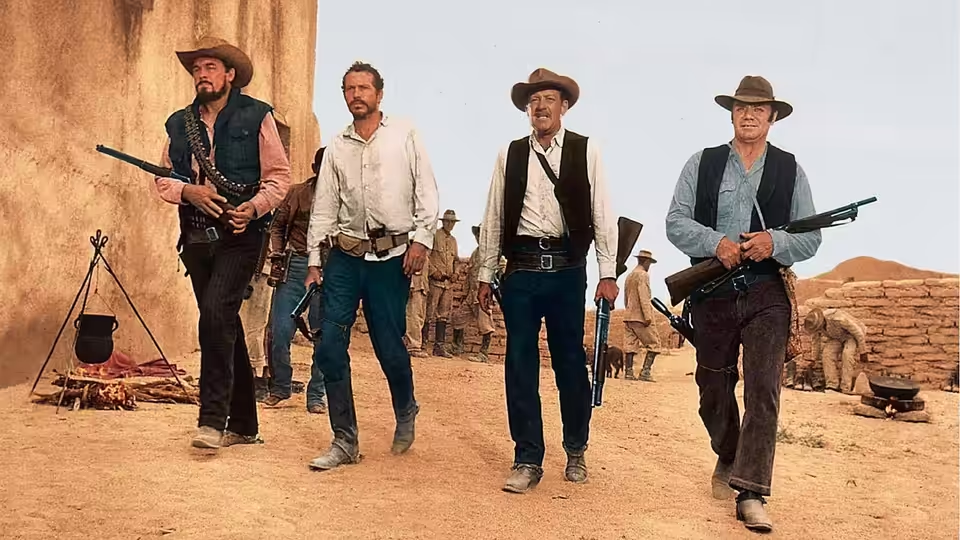
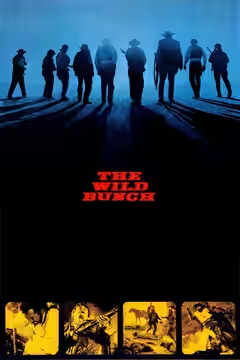
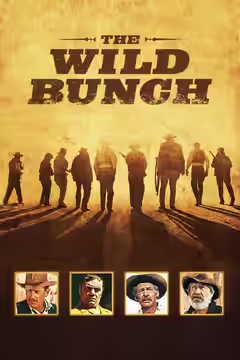
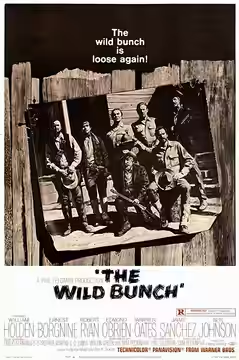
Sam Peckinpah’s Western is gripping, sad and troubling, with William Holden giving its outlaw loyalties real weight. The wandering first half and thinly written women matter, but the performances and force of the action make it worth the discomfort.
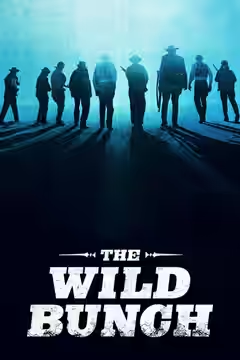
Sam Peckinpah’s The Wild Bunch is a gripping Western, with more feeling for its outlaws than we may be comfortable sharing. We recommend it, with a serious reservation about how little interest it takes in women. Its concern with loyalty is searching: men can care deeply about their friends and still do terrible things. William Holden makes Pike Bishop someone whose company we want, even when there is good reason to keep our distance.
We were horrified by the opening image of children tormenting a scorpion. The cruelty is small enough to be treated as play, and that is what makes it so unpleasant. Lucien Ballard’s cinematography gives the incident a disturbing prominence: a Western has barely begun and already we are watching people enjoy another creature’s suffering. It is a blunt way to start, but an effective warning against getting too comfortable with the men who follow.
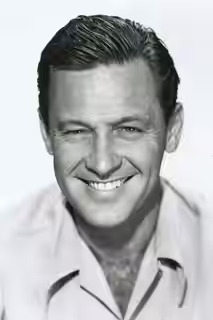
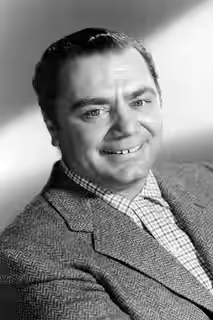
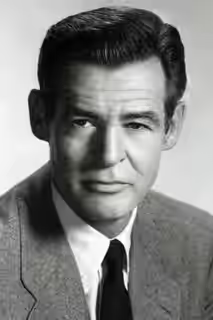
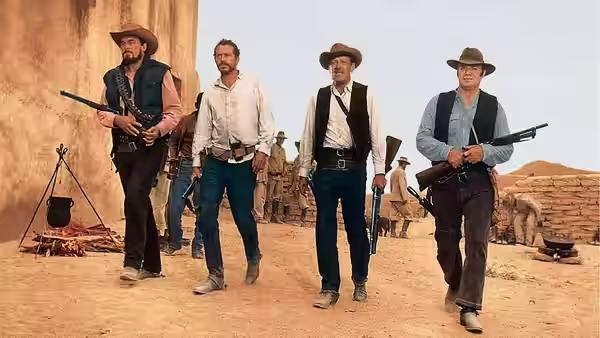
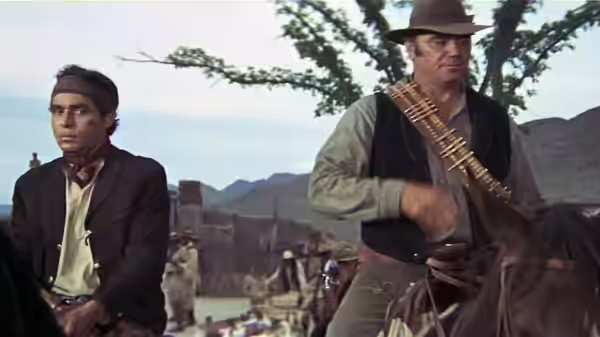
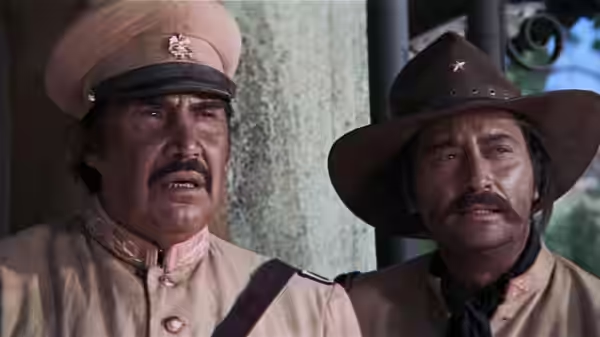
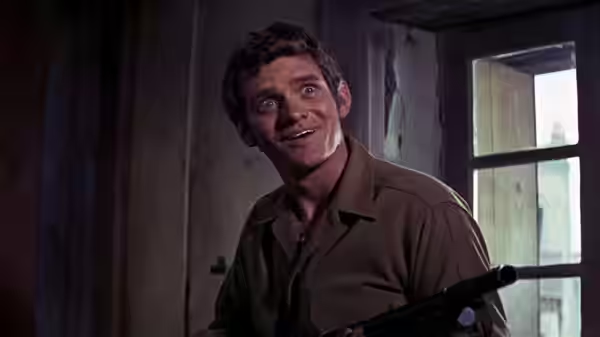
William Holden is the chief reason the film’s sadness survives its appetite for violence. His unhurried delivery gives Pike an appeal that a more openly pleading performance would lose. He lets us find the man’s humanity without insisting that we forgive him, and the restraint is moving. Ernest Borgnine plays Dutch Engstrom and Robert Ryan plays Deke Thornton, providing performances strong enough to keep this from becoming a film carried by one actor. The old friendships feel lived with, and the humour helps make the men’s attachment to one another credible.
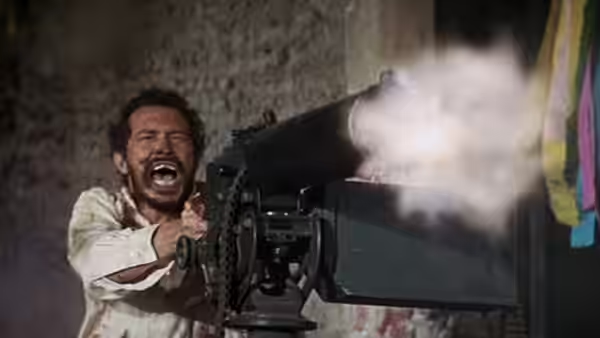
The action is gripping, and the unease comes partly from how much pleasure there is in its force. Lou Lombardo’s editing gives the violence urgency, though accomplished cutting cannot settle the problem of making brutality exciting. The director’s attraction to the spectacle sometimes makes his concern for suffering harder to believe, and the film does not always seem aware of the difficulty. Jerry Fielding’s music adds pressure, with sound and cutting making the action hard to resist even when resistance seems the appropriate response.
The weaker stretches belong to the writing. Sam Peckinpah and Walon Green allow the first half to wander, and at 145 minutes the film asks for more patience than every detour deserves. Time spent with these men helps make their attachments believable, but there are passages where another stretch in their company tells us little we have not already understood. A firmer edit could have kept that familiarity without making the story wait quite so long.
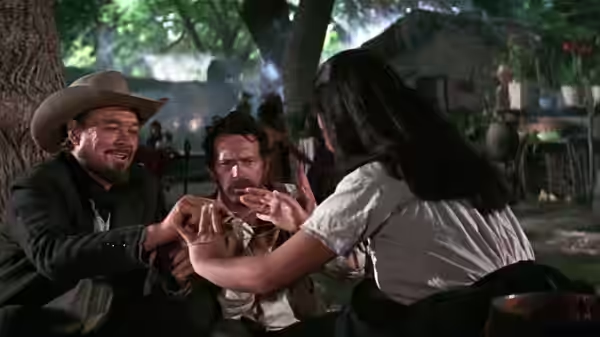
The treatment of women is a more serious failure. The men are granted complicated feelings about loyalty, violence and one another, while the women get too little room to become equally interesting people. Calling this a film about a male gang does not excuse the narrowness, especially when the director asks us to take his account of human cruelty seriously. The screenplay is much readier to understand some people than others, and we should not mistake that for an unavoidable feature of the Western.
Within the genre, The Wild Bunch is persuasive about why men might remain loyal to companions who scarcely deserve it. The performances make that attachment credible enough to trouble us, rather than leaving it as a code of honour we are expected to applaud. Its patience with the gang produces much of its feeling, even if we sometimes wish the writing would question them more closely. Choose it for William Holden and the uneasy closeness of these friendships; leave room afterwards to disagree about how much of their violence the film enjoys.