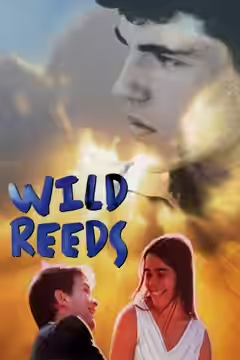
André Téchiné gives adolescent desire and political conviction equal seriousness in this warm, attentive drama. The performances earn our affection, though the writing occasionally presses its connections harder than it needs to.
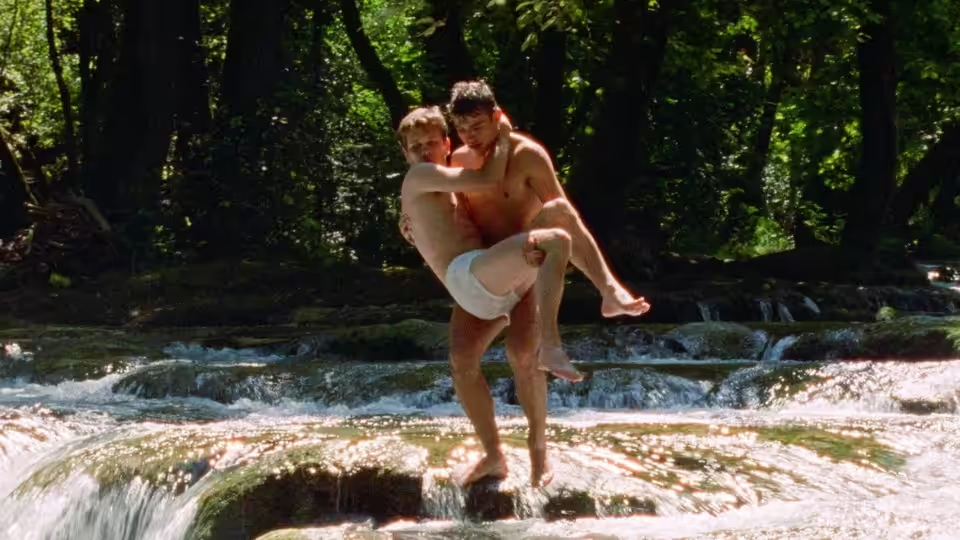
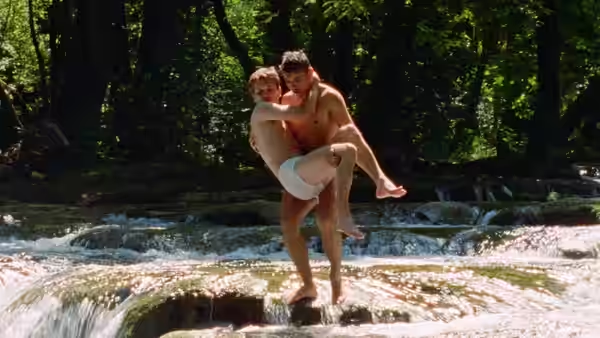
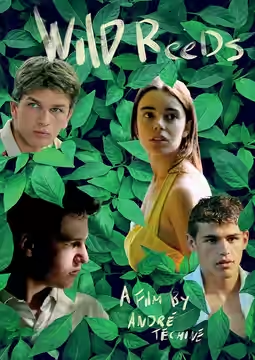
André Téchiné’s Wild Reeds is a generous, absorbing adolescent drama, with one reservation: the politics sometimes makes the young people seem responsible for explaining too much. Against the upheaval surrounding Algeria’s independence, their private confusion receives patient attention. We recommend it for that patience, and for performances that never make youth an excuse to diminish anyone’s feelings. The director allows uncertainty to remain uncomfortable rather than hurrying everyone towards an explanation.
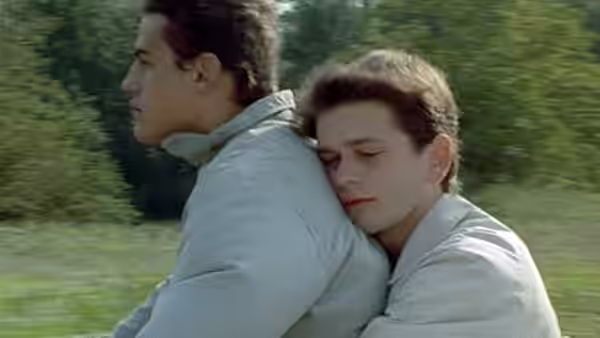
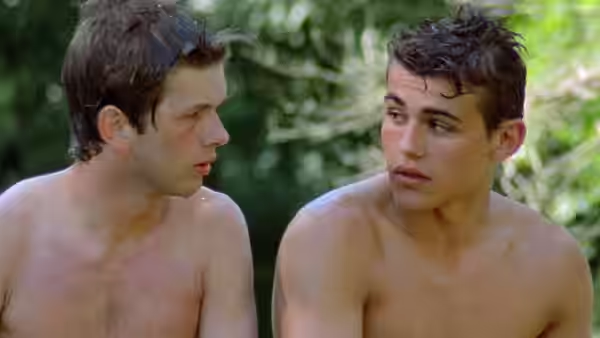
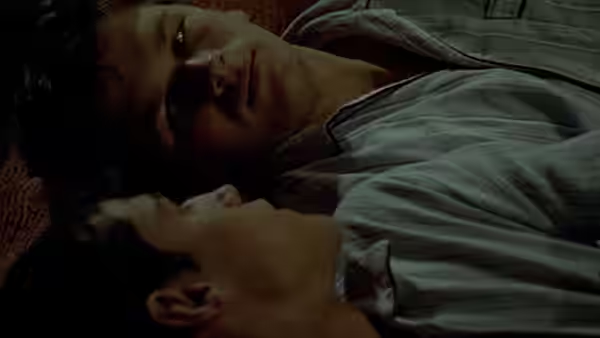
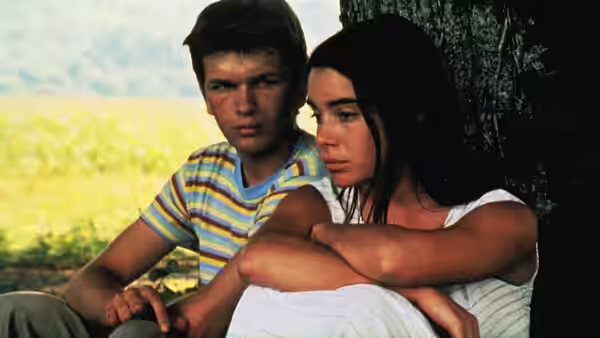
Gaël Morel’s François Forestier is the strongest reason to stay close. We were moved by how uncomfortable he makes uncertainty look; the performance offers little reassurance that being young makes it easier to bear. He lets François be difficult to understand without making him remote. Stéphane Rideau gives Serge Bartolo a firmer presence, and the difference between them keeps adolescent unease from becoming the same performance repeated across the cast.
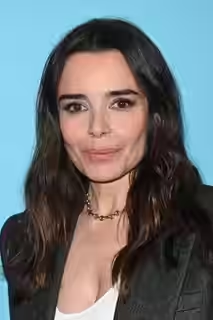
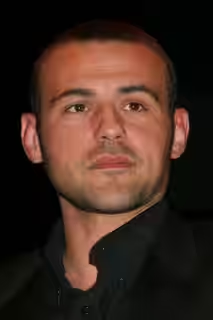
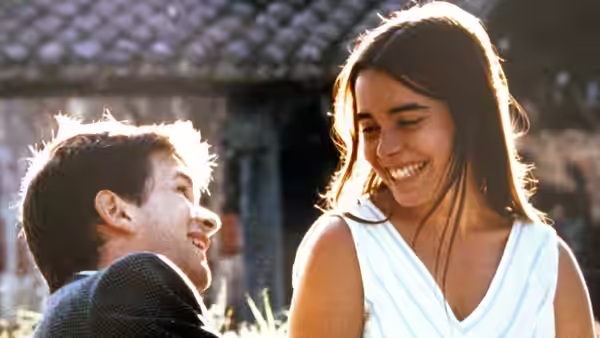
Élodie Bouchez gives Maïté Alvarez enough firmness to resist becoming merely someone for the others to react to. Her intelligence comes through without the performance asking us to applaud it. Frédéric Gorny’s Henri Mariani is less immediately inviting, which gives the ensemble a useful difficulty. Our interest in these people does not depend on finding them equally agreeable, and the actors allow their differences to remain noticeable.
The screenplay, by André Téchiné, Gilles Taurand and Olivier Massart, takes its adolescents seriously without treating their opinions as settled wisdom. At times, though, the writing seems too keen to explain how romantic confusion and political division belong together. We understand the connection before it has finished being made. This is a limitation rather than a fatal mistake, but it briefly makes the characters seem more neatly accounted for than the performances suggest they should be.
Jeanne Lapoirie’s cinematography keeps our attention on the performers, and the film benefits from that lack of fuss. The photography is attentive without making distress seem attractive for its own sake. Martine Giordano’s editing gives the ensemble a clear shape while preserving differences in how readily each character invites sympathy. Together, these contributions help us follow changes of feeling without needing every change to announce itself as a major development.
Pierre Soula’s production design is similarly restrained, supporting the drama without asking for separate admiration. Elisabeth Tavernier’s costume design keeps the people more noticeable than their clothes. This restraint works because the acting supplies enough awkwardness and stubbornness to hold our attention. Without those qualities, such careful presentation could easily become polite, and politeness would do these characters few favours.
Coming-of-age dramas can become indulgent about the very confusion they claim to examine. Wild Reeds gives its young people affection without making their difficulties look pleasant, and that is why its warmth feels earned. Its occasional insistence on the political connections remains our caveat, especially for anyone who prefers a drama to leave more unsaid. See it for the actors, particularly when they seem least sure of themselves.