Curtis Hanson makes a warm, sharply acted comedy about a novelist who cannot get on with things. Michael Douglas earns our affection without asking for it, though the leisurely pace occasionally becomes a liability.
Wonder Boys is a funny, generous film about a man whose difficulties are partly his own doing, and we recommend it with a warning about its pace. Grady Tripp has a stalled novel, an affair and a student who needs more attention than he seems equipped to give. Curtis Hanson lets these problems accumulate without insisting that every complication produce a bigger laugh. He is interested in how a distracted professor might still manage to be useful to somebody.
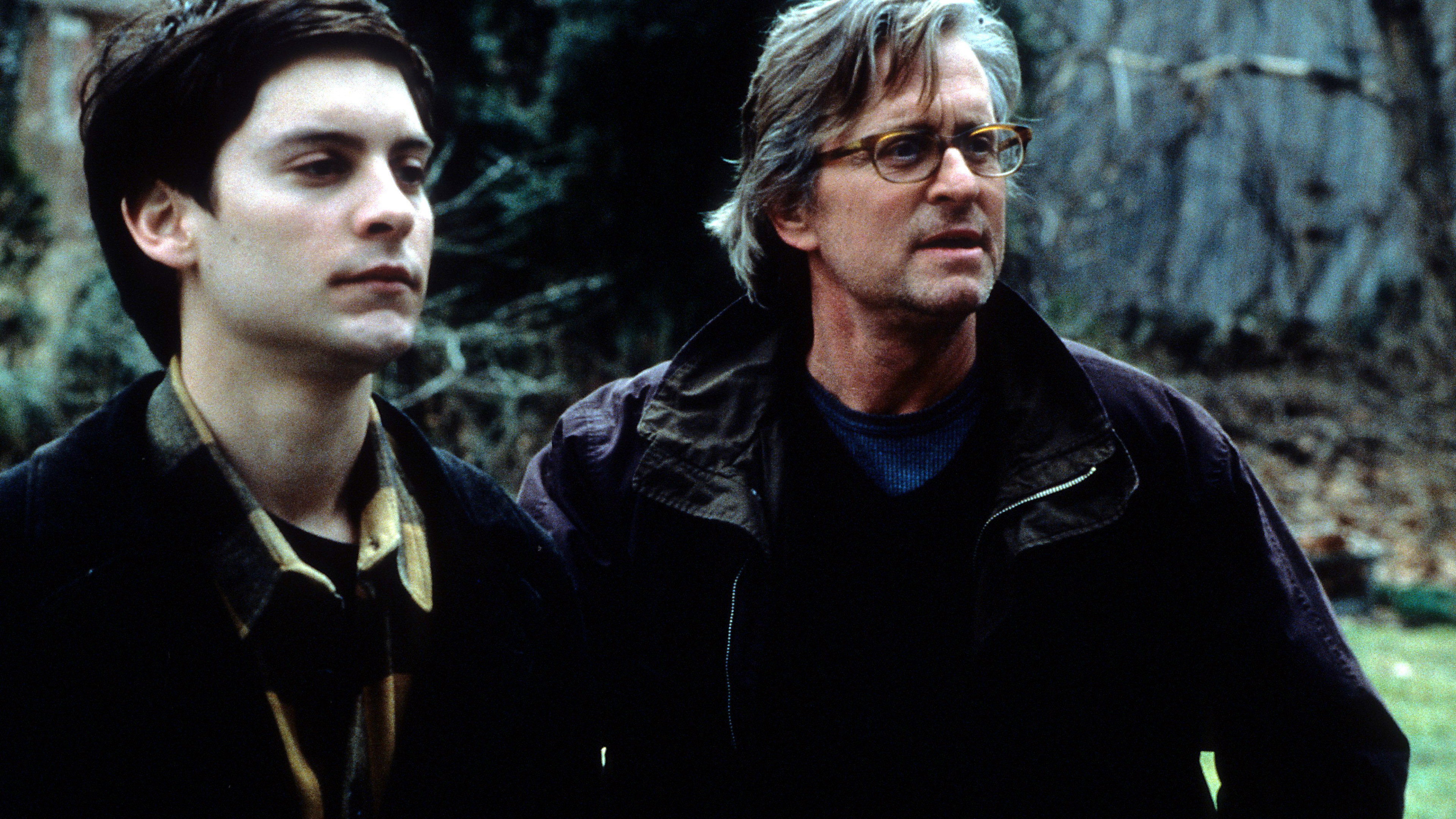
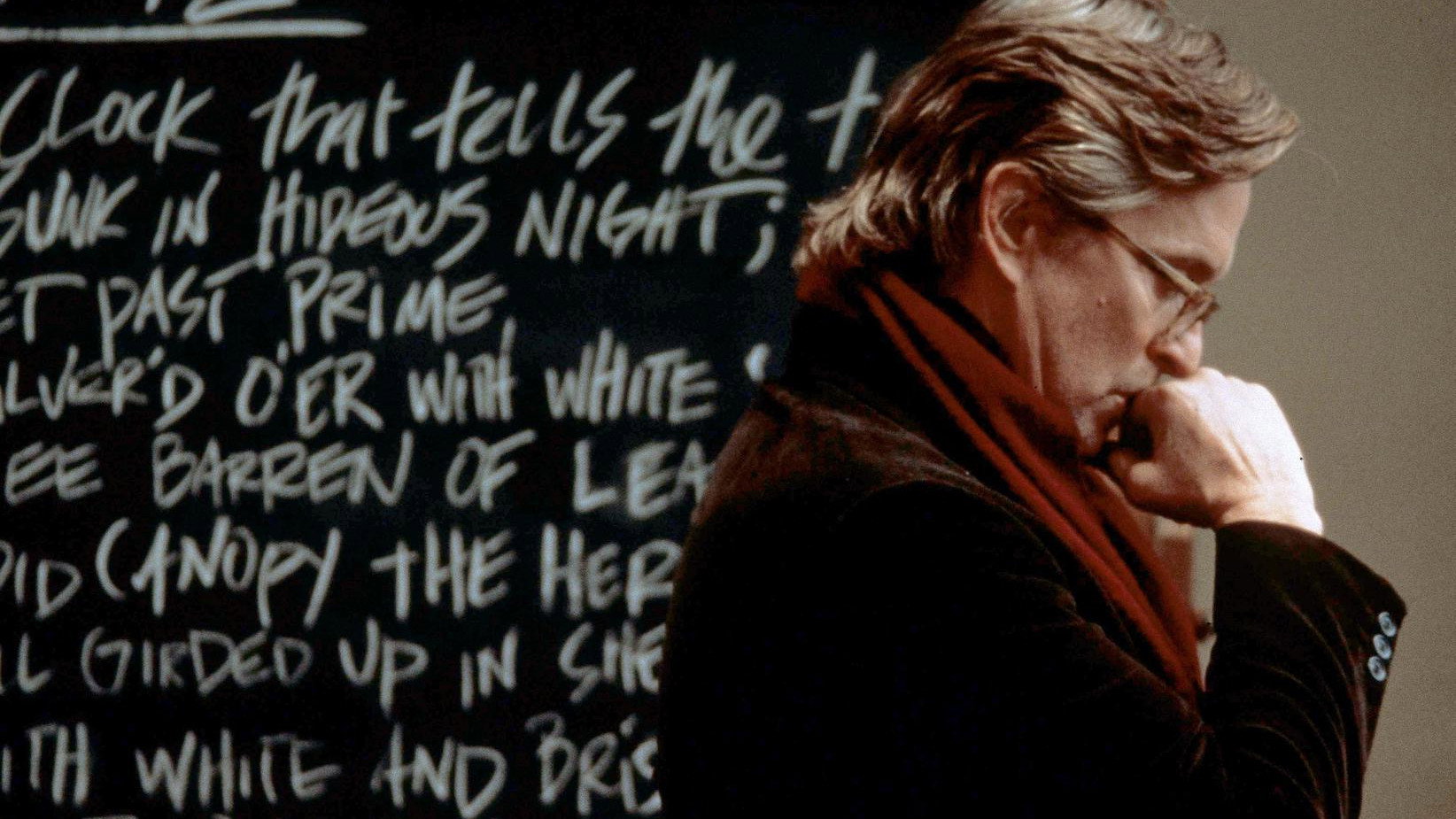
Michael Douglas lets Grady seem tired and distractible without turning every hesitation into a comic routine. He can be exasperating company, but Douglas keeps him sufficiently alert to other people for the film’s affection to make sense. We were moved by Grady’s attempts to be a decent teacher. Douglas makes that concern for James seem effortful for a man so preoccupied with his own trouble. It gives us a reason to care about him beyond the possibility that he might eventually finish his book.
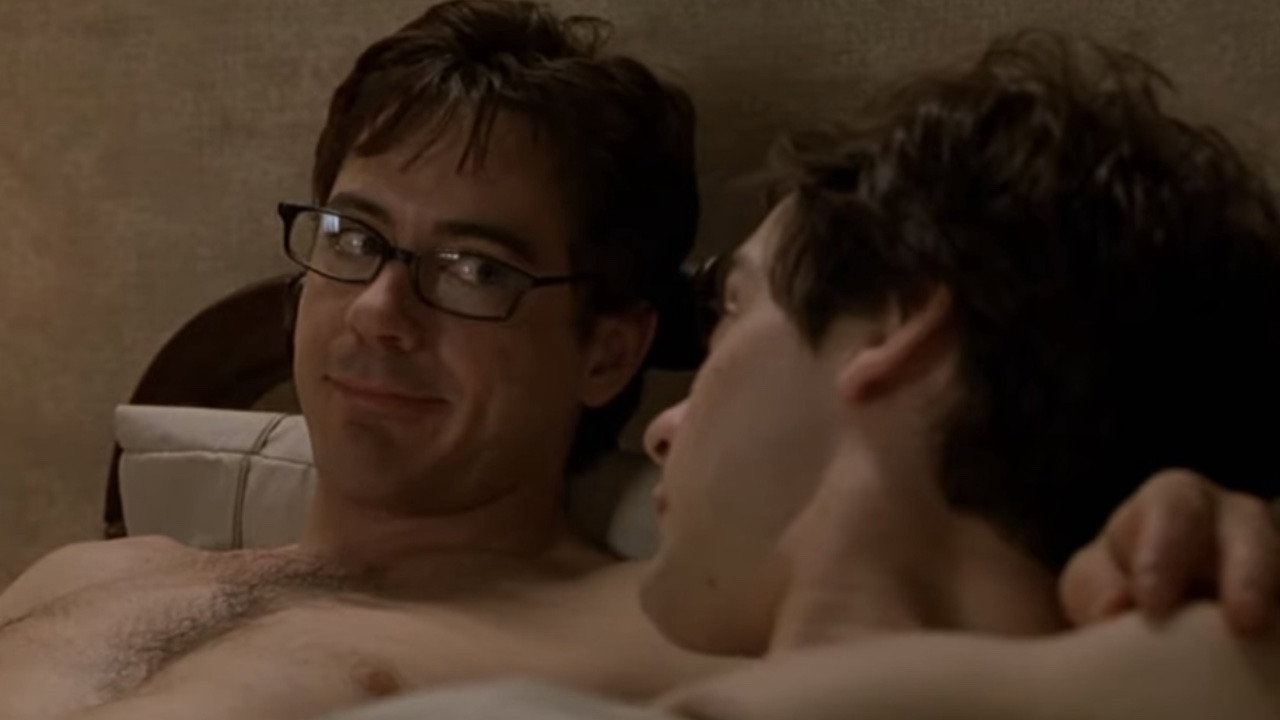
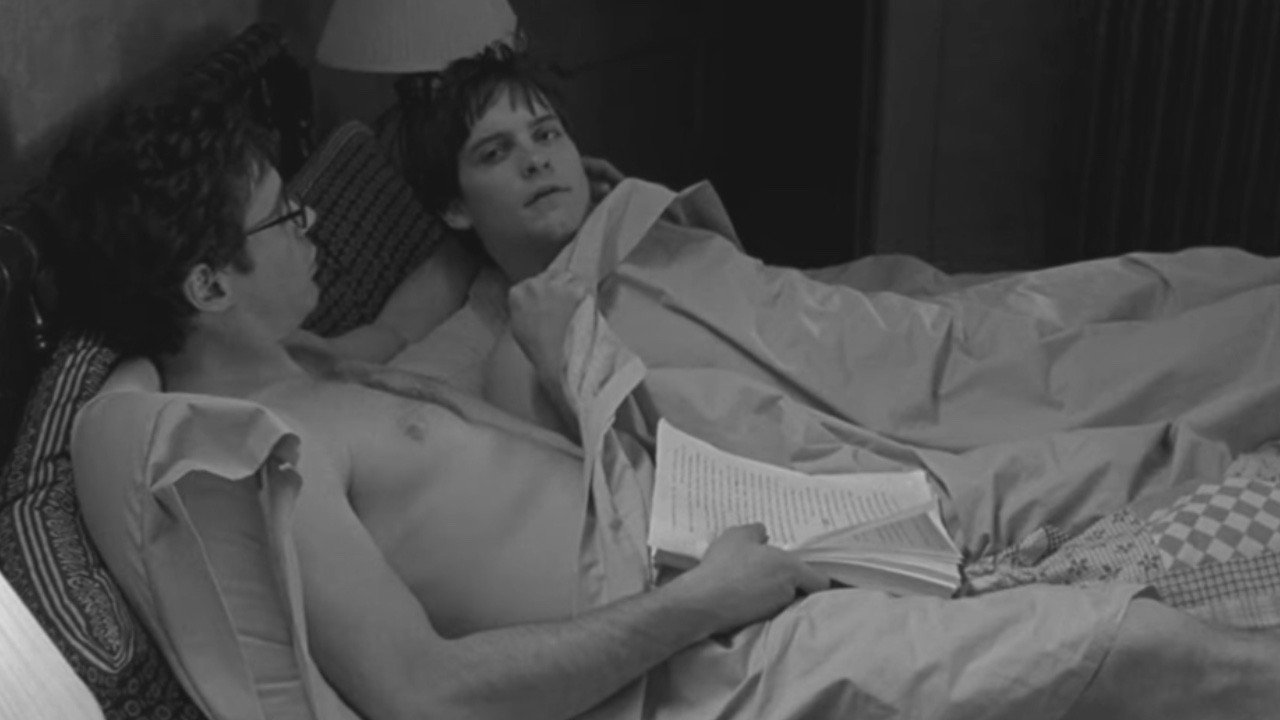
Tobey Maguire makes James Leer unsettling enough to complicate the usual business of a wayward student needing guidance. His oddness has an uncomfortable persistence, and Maguire does not hurry to make him endearing. Robert Downey Jr.’s Terry Crabtree supplies a welcome burst of energy whenever the film risks becoming too comfortable with its own dawdling. Frances McDormand’s Sara Gaskell is funny and reassuringly difficult to fool, though we could have spent longer with her. Katie Holmes’s Hannah Green also feels short of room beside the men, whose confusions receive much more generous attention.
Steve Kloves adapts Michael Chabon’s novel with an ear for people who can talk intelligently while behaving foolishly. The literary jokes are enjoyable, but the comedy does not require us to applaud everybody’s reading. Campus satire can become tiresome when cleverness excuses cruelty; Hanson largely avoids that temptation by allowing these people to embarrass themselves without treating them as exhibits. Kloves gives the actors dialogue worth taking a little time over, and enough uncertainty about each other to keep the conversations interesting.
Dante Spinotti’s cinematography keeps the faces readable and the academic surroundings present, without making the setting more interesting than the people. Jeannine Oppewall’s production design helps persuade us that work takes place here, even if Grady is having trouble doing any. Neither contribution calls attention to itself, which suits a comedy built around distraction and embarrassment. The campus feels like somewhere Grady has responsibilities, and might yet fulfil them.
Dede Allen’s editing accommodates the conversational pace, giving us time to watch the actors listen as well as speak. Occasionally, though, a complication hangs around after its comic possibilities have become clear. At 107 minutes, this is hardly an endurance test, but some digressions take more time than they earn. Christopher Young’s score supports the tenderness without pressing too hard for sympathy. It suits Hanson’s patient approach, even during passages where a little more impatience would help.
There is a particular pleasure here for anyone who has postponed a piece of work until the postponement itself becomes exhausting. No knowledge of literary reputations is required; the embarrassment of having promised more than we can deliver is enough. The film is forgiving about that embarrassment, and sufficiently funny to make the company welcome. Give it an evening when there is nothing pressing to finish.