Victor Fresco’s corporate comedy is quick, cold and consistently funny, with Portia De Rossi giving one of the sharpest sitcom performances of its decade. It runs 26 episodes, which is about right, and it goes soft whenever it remembers its hero has a heart.
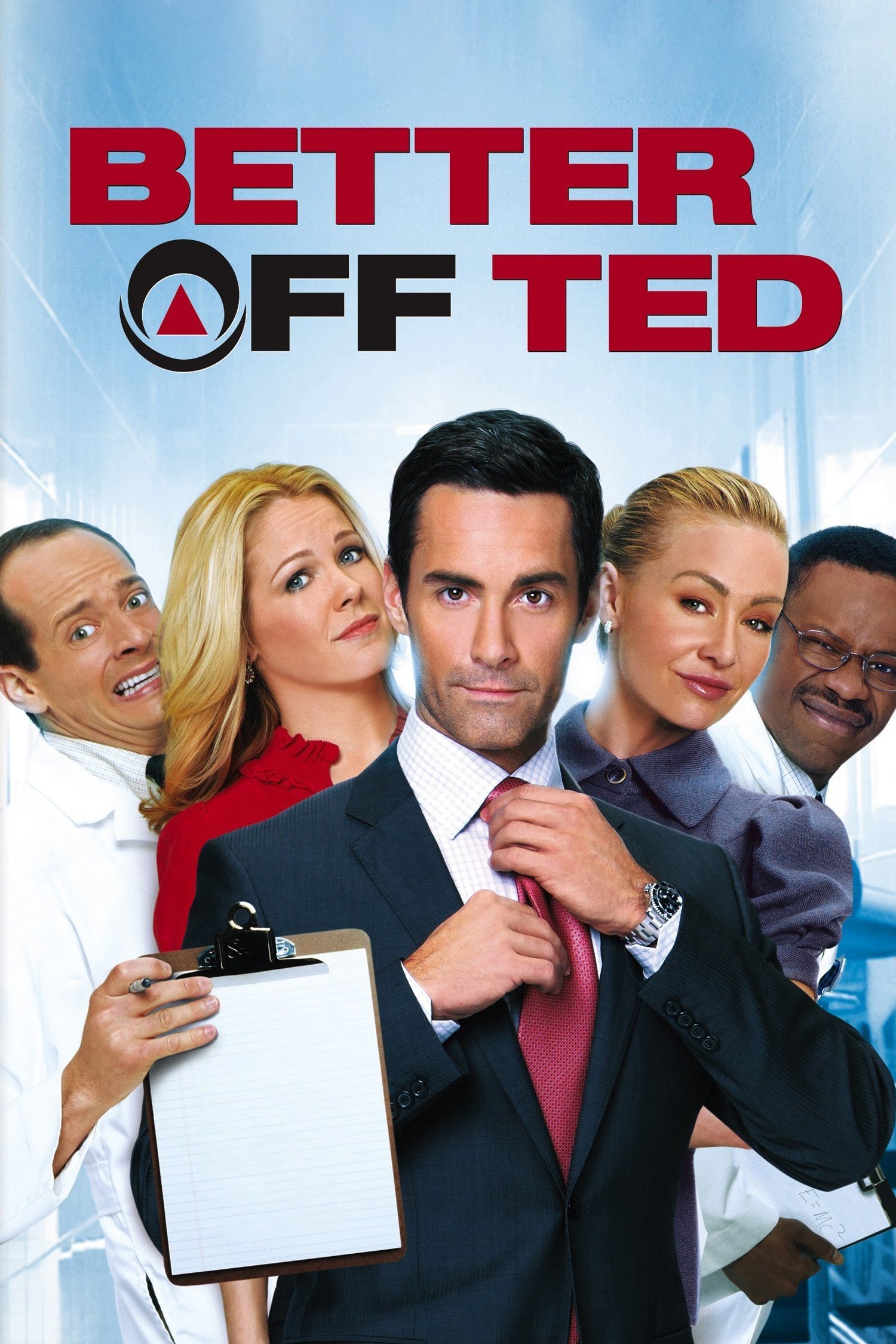
Victor Fresco’s Better Off Ted is set inside Veridian Dynamics, a company that will make anything for anyone and has a motivational poster for every one of its crimes. Ted Crisp (Jay Harrington) is head of research and development and our guide, turning to the camera to tell us what the company has just done and why he is still there. The series first aired on 18 March 2009 and ran for two seasons of 13 episodes each. It is the sharpest American office comedy of its moment, and it is at its best when it is at its most heartless.
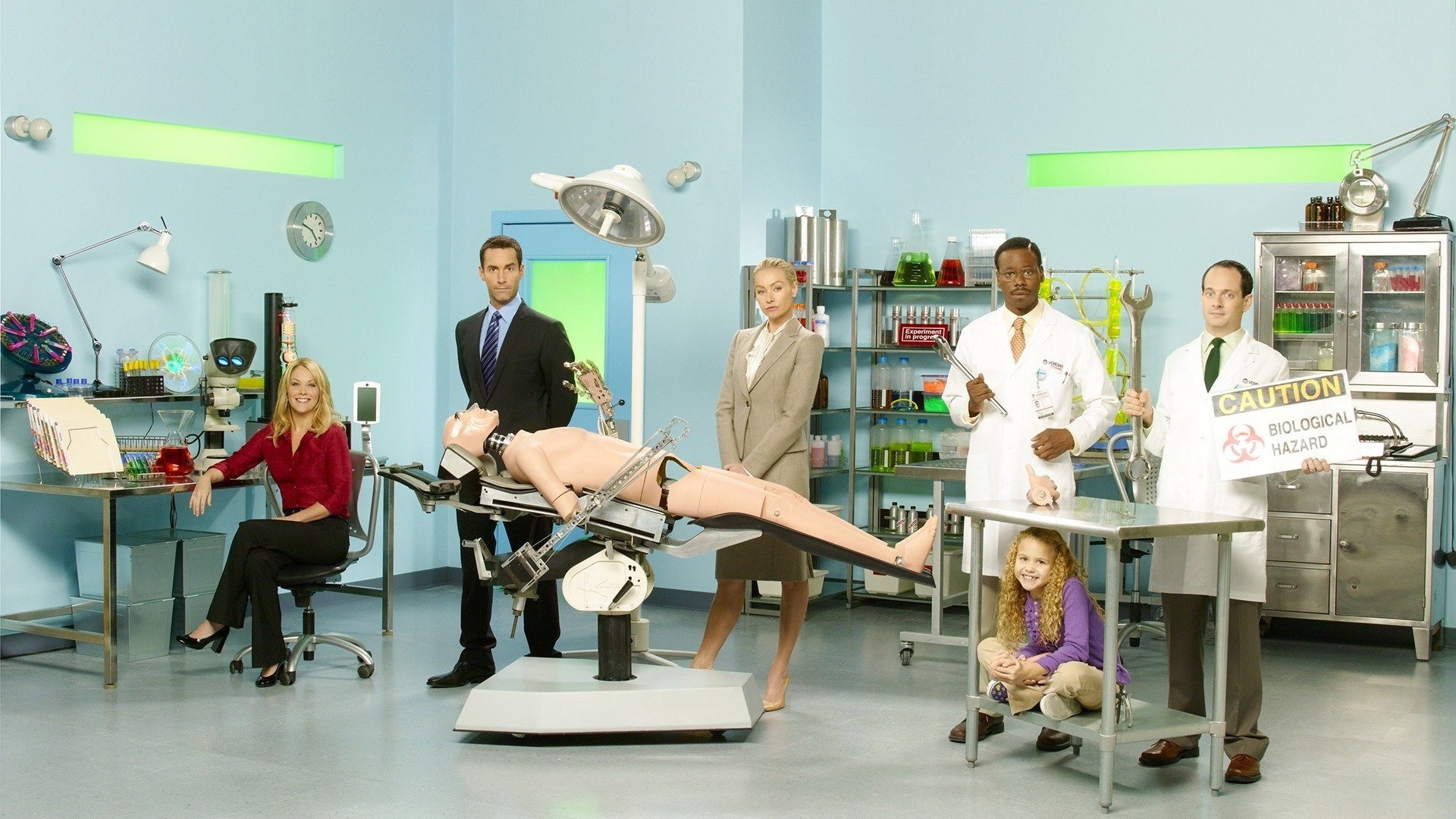
The world is the joke and the joke is built carefully. Between scenes the show cuts to Veridian’s own adverts: stock-photo smiles, a soothing voice, a tagline that means the opposite of what it says. Michael Hynes and Dawn Snyder design the building in white, grey and glass, so that everyone in it looks like something under a slide. Brandon Mastrippolito and Sharone Meir light it flat and bright, with no shadows anywhere, the look of a place that has nothing to hide because it has already shredded it. The editors, Lisa Bromwell and Noel Rogers among them, drop the adverts in so that they land like real commercial breaks, which is the point.
Portia De Rossi’s Veronica is the reason to watch. She says appalling things at a steady, pleasant pitch and does not blink, and she treats the people beneath her as stock that occasionally talks back. What makes it a performance rather than a cartoon is how little effort De Rossi shows: Veronica is not cruel for pleasure, she simply cannot see why anyone would put a person before a number. Some early reviews thought she was miscast. We think she is the best thing in it, and she got most of our loudest laughs.
The basement gives the show its warmth. Jonathan Slavin plays Phil as a man in a permanent state of low alarm, and Malcolm Barrett plays Lem as his prim, slightly superior partner, and together they are the one part of the building where anybody likes anybody. Their inventions go wrong in ways that make sense a beat after they happen. Harrington is a good straight man, dry and easy to like, and he has the hardest job because Ted is written as the only reasonable character, and reasonable characters get fewer lines.
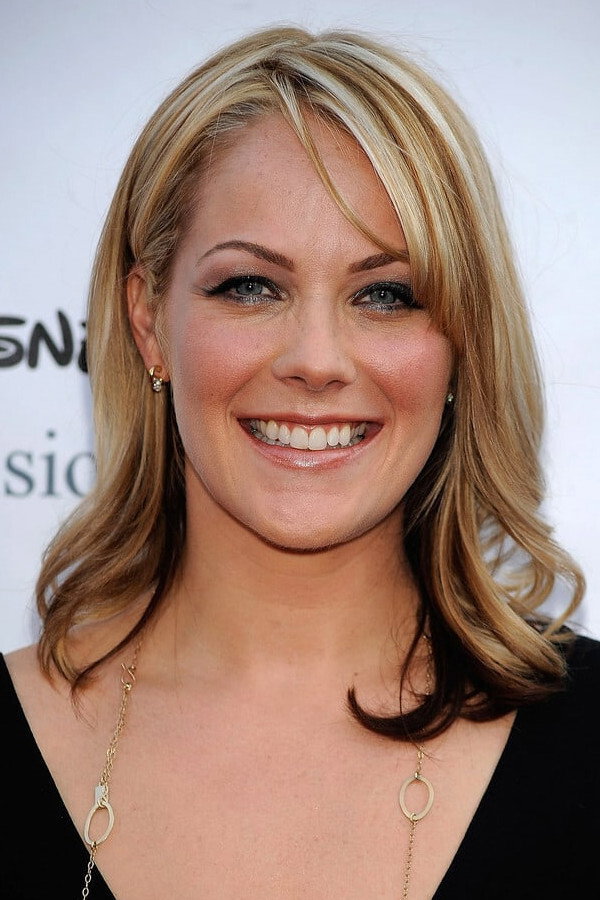
The weak strand is the one the show keeps returning to. Andrea Anders is quick and likeable as Linda, but the will-they-won’t-they between her and Ted is the ordinary sitcom material the rest of the series is mocking, and every time it comes forward the pace drops. Chris Alan Lee and Scott Clausen’s music is jaunty and tells us that none of this really hurts, when the funniest episodes work because it plainly does. Several episodes share a shape: the company announces a policy, the building goes mad, Ted patches it, everyone learns nothing. When the writing is sharp that is a strength. When it is not, you can see the pattern.
There is one episode in the first season about the building’s new sensors, which fail to register anyone with dark skin, and the company’s solutions to this problem. We laughed hard, and then we sat in silence for a moment, because the joke was not on the sensors. It is the show at full stretch: a real thing, taken one step further than a real company would admit to, with nobody on screen behaving as if it were strange. It is also the kind of joke a comfortable network comedy usually will not tell, and this one told it in its first year.
Most workplace comedies of this period were about the misery of the small office and the boss who wants to be loved. Fresco’s is about a boss who does not care whether she is loved and a company that would freeze you to save on pension costs, and it plays that for comedy rather than despair. Two seasons is the right length; the shape would have worn thin over five.
Watch it in runs of two or three, at home, where the adverts land best because they arrive exactly where real ones would. Skip forward if Ted and Linda start looking at each other. It carries a 15.