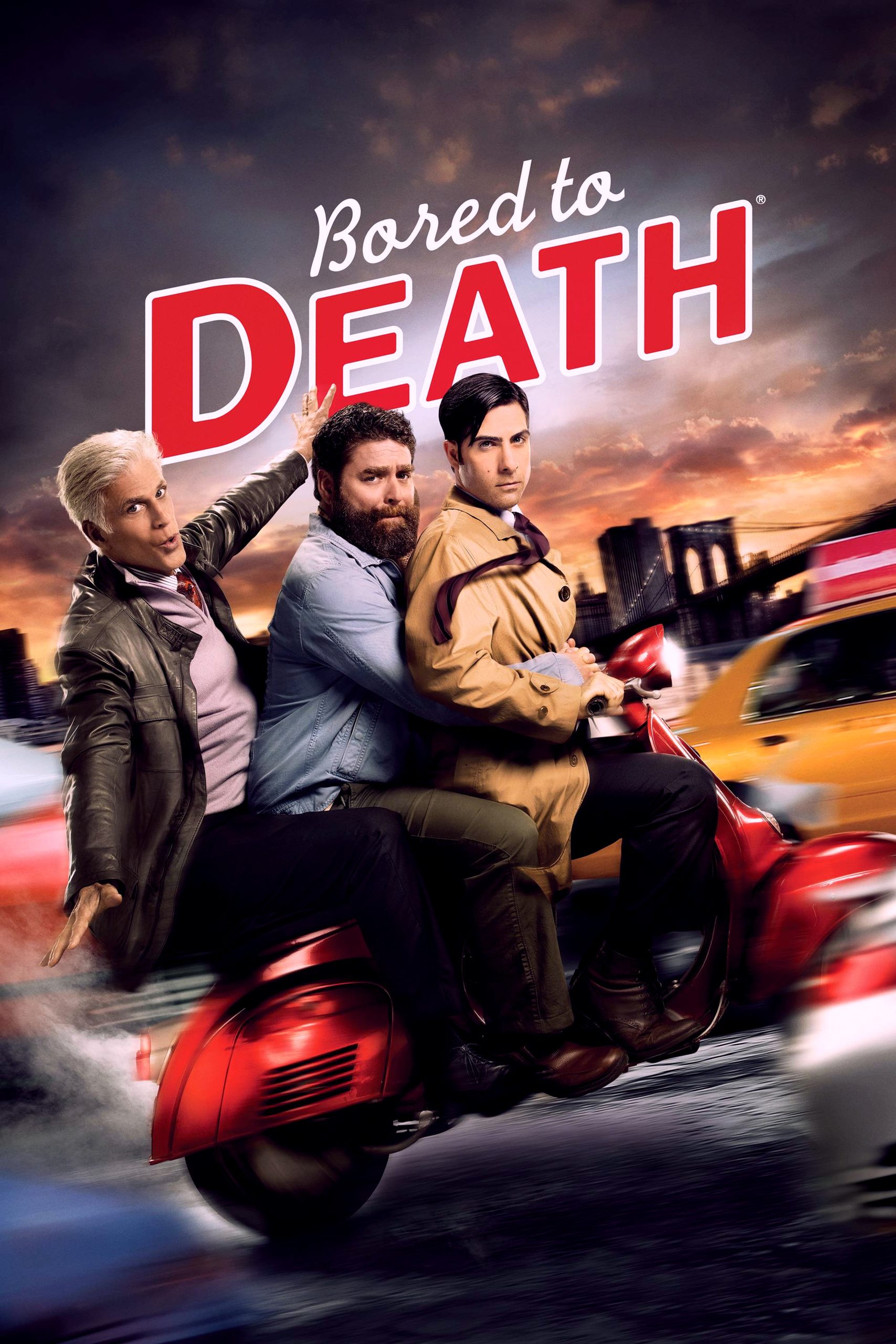
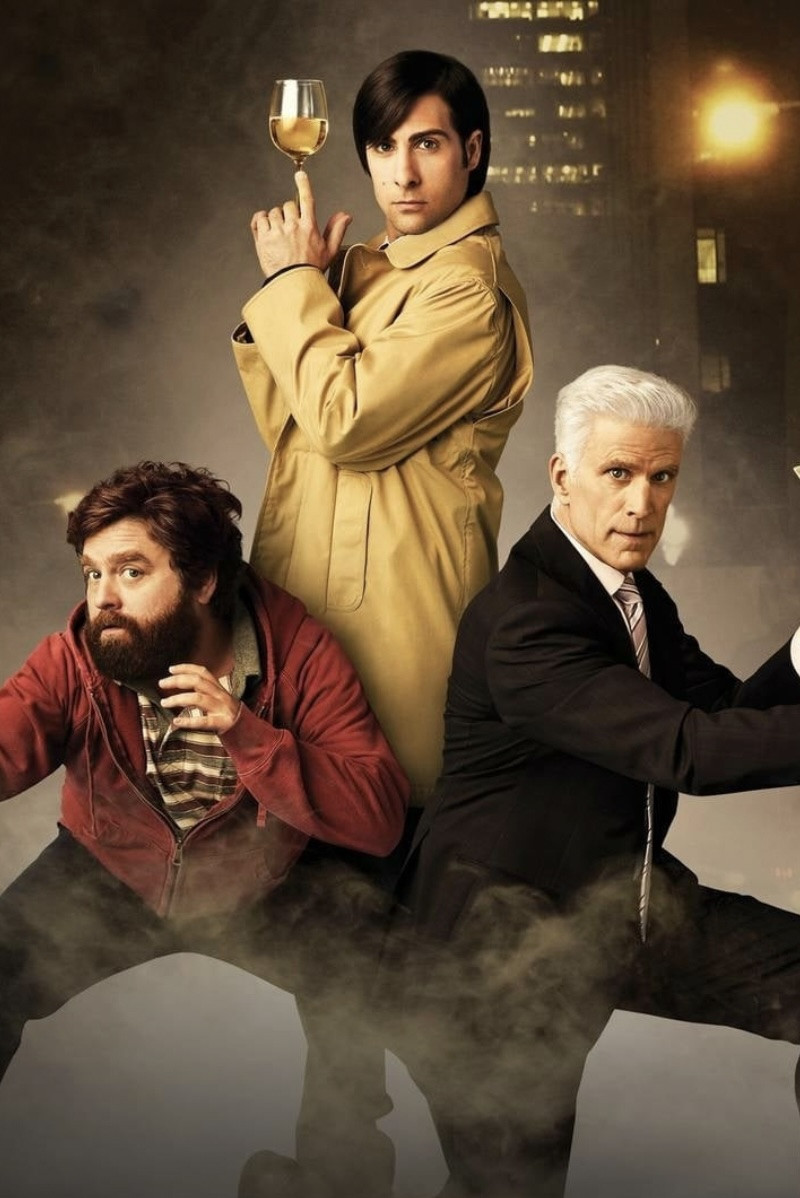
Jonathan Ames’s Brooklyn noir spoof has a fine idea, a likeable cast and almost no appetite for telling a story. Ted Danson is worth it on his own; the rest drifts, pleasantly, across three seasons and arrives nowhere in particular.
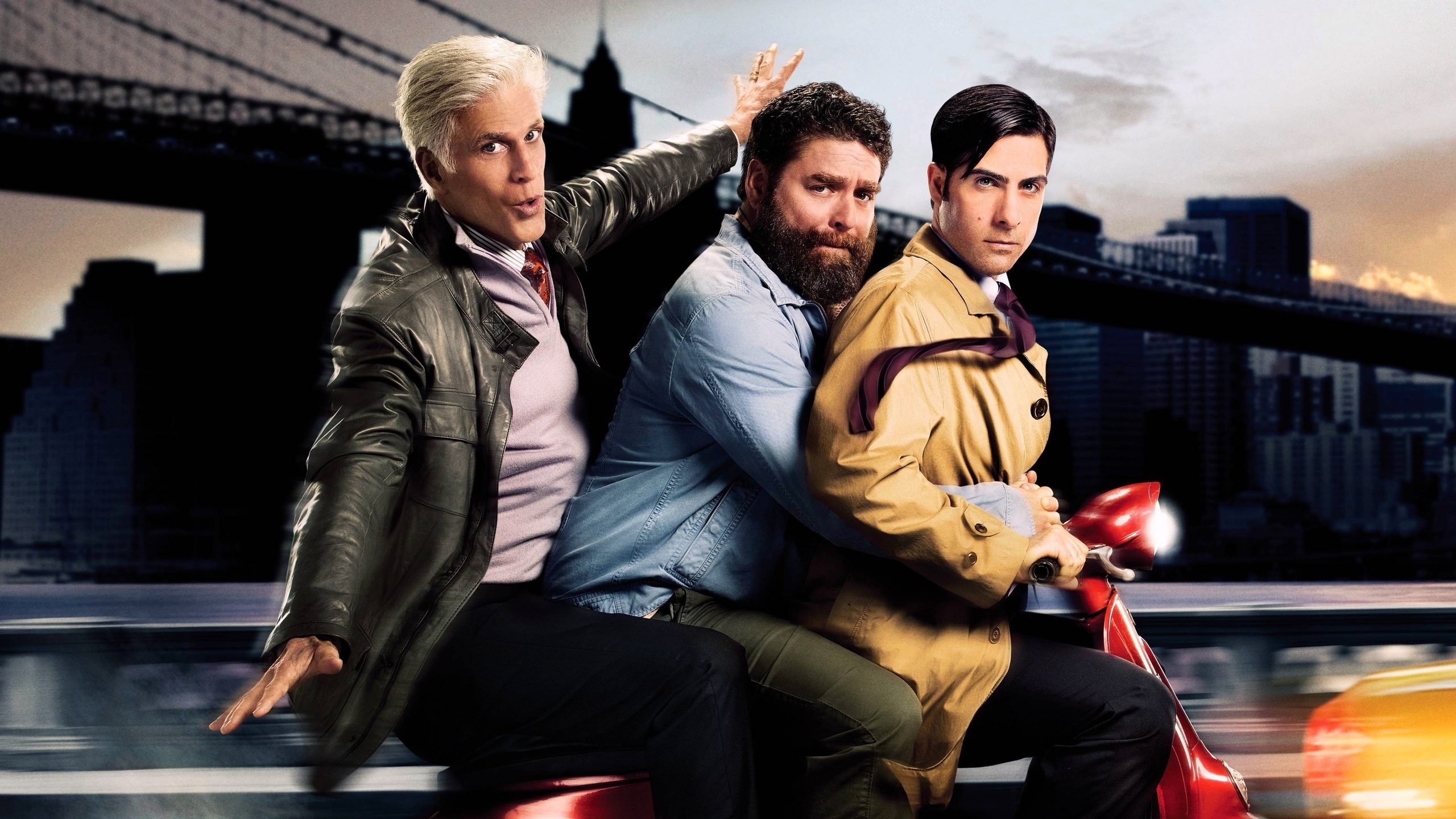
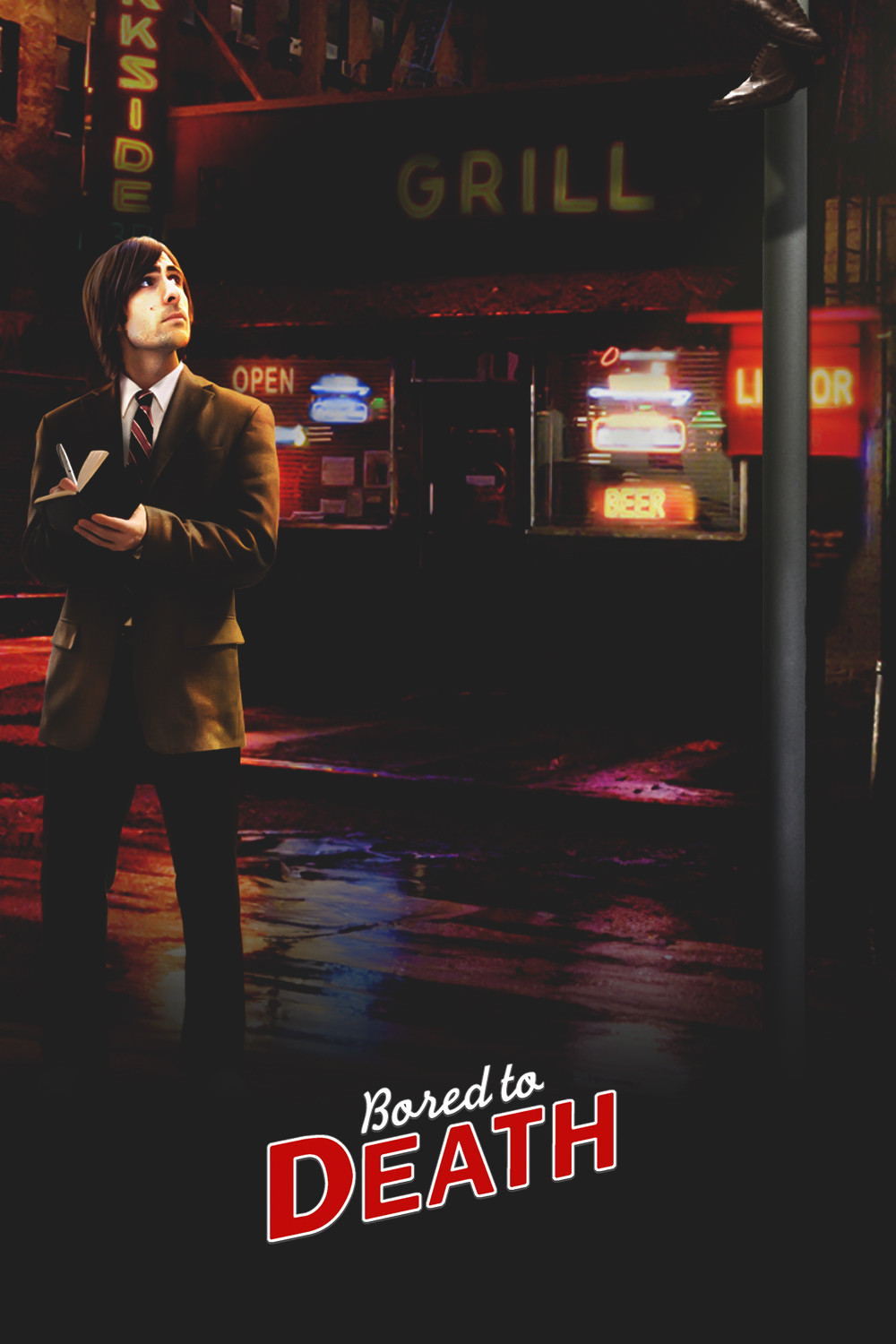
Jonathan Ames is a novelist who has created a television series about a Brooklyn novelist called Jonathan Ames, played by Jason Schwartzman, and that tells you most of what you need to know about the tone. In the first episode Jonathan’s girlfriend Leah (Heather Burns) packs her things and leaves, citing the white wine and the marijuana. Jonathan, who has a second novel he cannot write, posts an advertisement online offering his services as a private detective. He has no licence and no experience, and the first client calls that afternoon. It is a good idea for a half-hour comedy, and over three seasons of eight episodes the show never works out what to do with it. That is the verdict; the rest is why.
The cases are small on purpose. Somebody has lost a person or an object, Jonathan takes the job for a few hundred dollars, and the matter is resolved offhandedly, usually by accident and often by somebody else. Twice in the first season we realised we had stopped following who had done what, then realised the writers had stopped too, and nobody seemed to mind. That is either a relaxed pleasure or a failure of nerve, depending on how badly you wanted a detective story. We wanted one a little more than the show did.
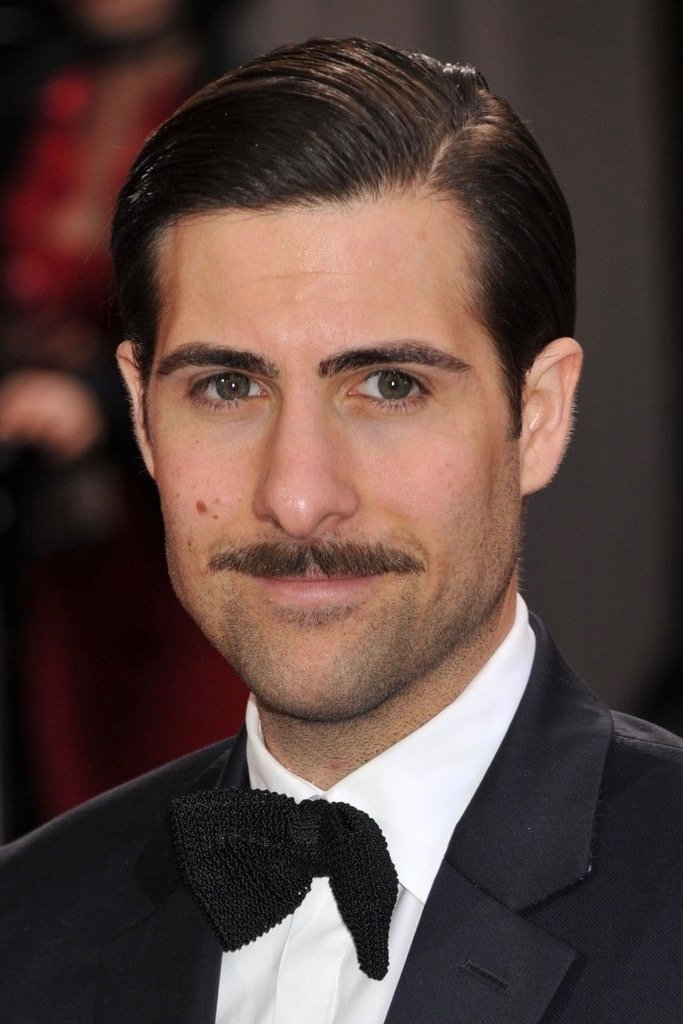
Schwartzman plays Jonathan as a man permanently about to apologise, hands in his coat pockets, voice pitched somewhere between a question and a sigh. It is a controlled performance and a mannered one, and several critics found it insufferable. We did not, quite, but it is a lot of one note over twenty-four episodes. He is best when frightened, which is often, since the show enjoys putting him in rooms with people who might hit him. His fear is funnier than his charm.
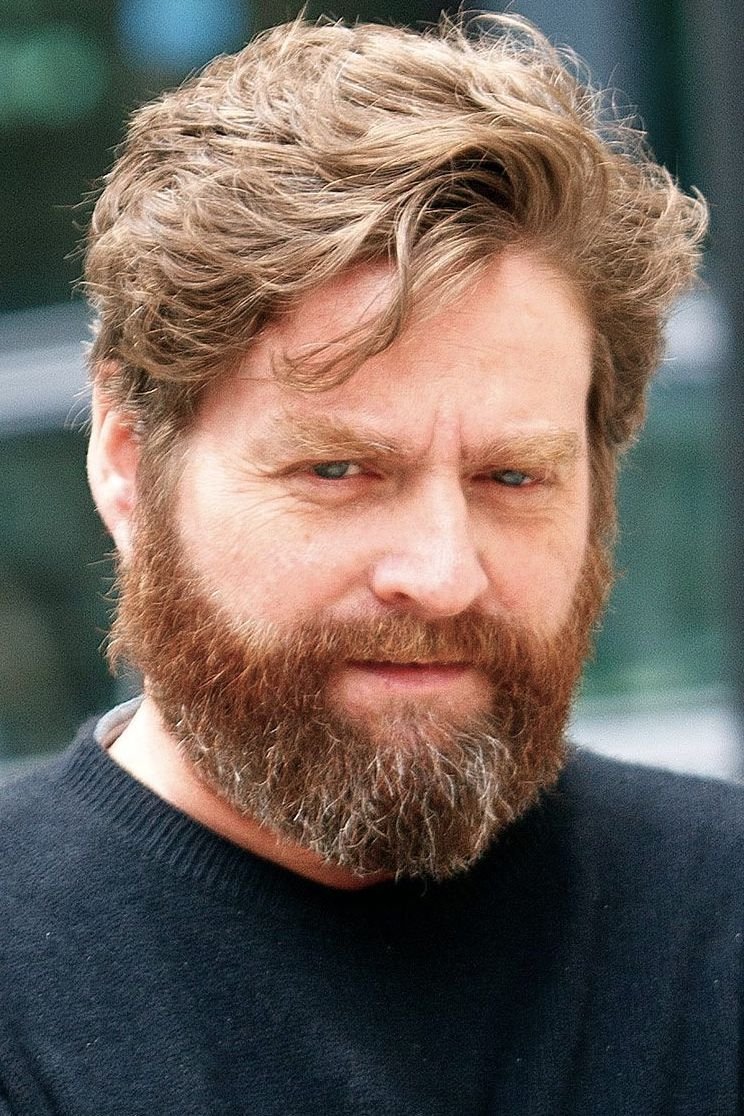
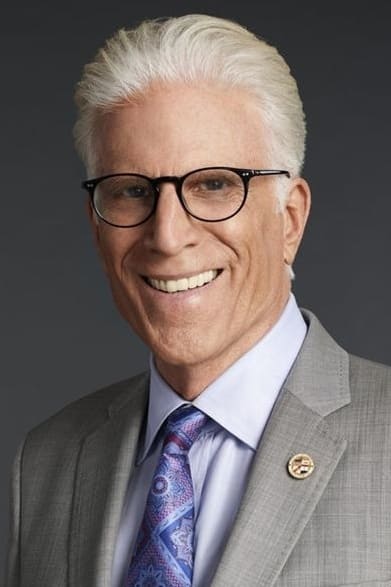
Ted Danson is the reason to keep watching. George Christopher edits a glossy magazine, is rich and vain, is stoned for most of the working day and believes that everything that happens to him is interesting. Danson plays him as a man who has never been told no and has decided to be gracious about it. We laughed out loud at him more than at anything else in the series, mostly at small things: the way he receives bad news as though it were a compliment, or explains his own feelings to Jonathan as if reporting on a stranger. Zach Galifianakis, as Jonathan’s friend Ray Hueston, a comic-book artist with a long list of grievances and a short fuse, gives the show its only real sadness. The scenes in which the three men eat or drink together and solve nothing are the ones that work.
Eight directors are credited across the run, Adam Bernstein, Michael Lehmann, Alan Taylor, Nicole Holofcener and Paul Feig among them, and the look barely changes from one to the next: Brooklyn stoops, bars in the afternoon, George’s office with the skyline behind it, all lit evenly and flatly, as though nobody had been told this was meant to be a noir. For a series whose own tagline calls it ‘a noir-rotic comedy’, it is oddly short of shadows. The writers, Ames alongside Martin Gero, Rachel Axler, Mike Schwartz, Sam Sklaver and Donick Cary, have a good ear for the way these three men talk to each other and much less interest in the way anyone else does.
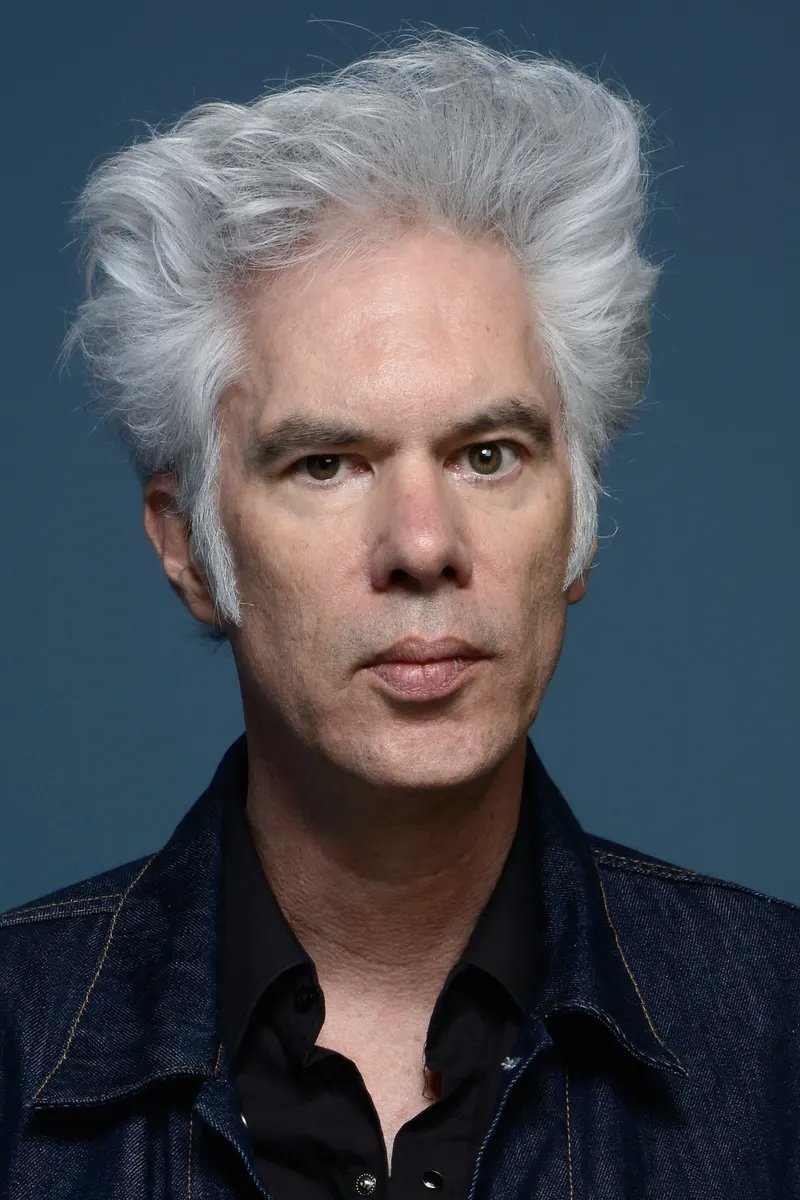
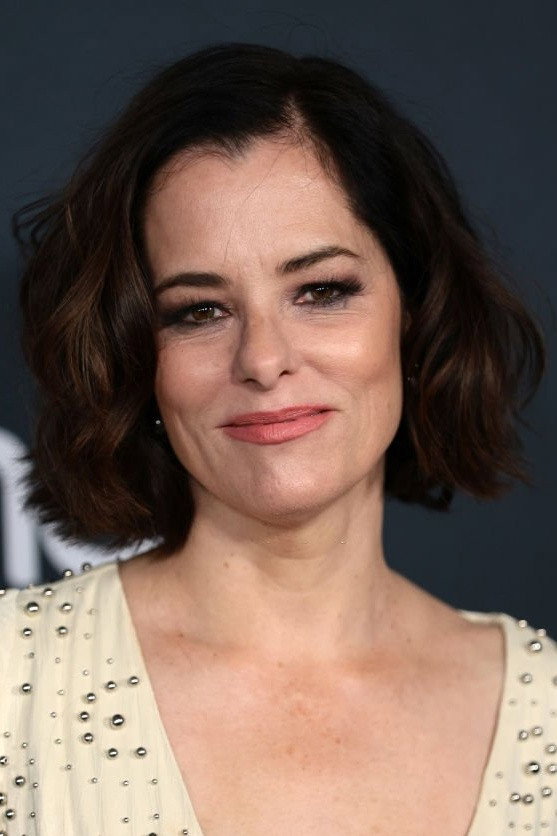
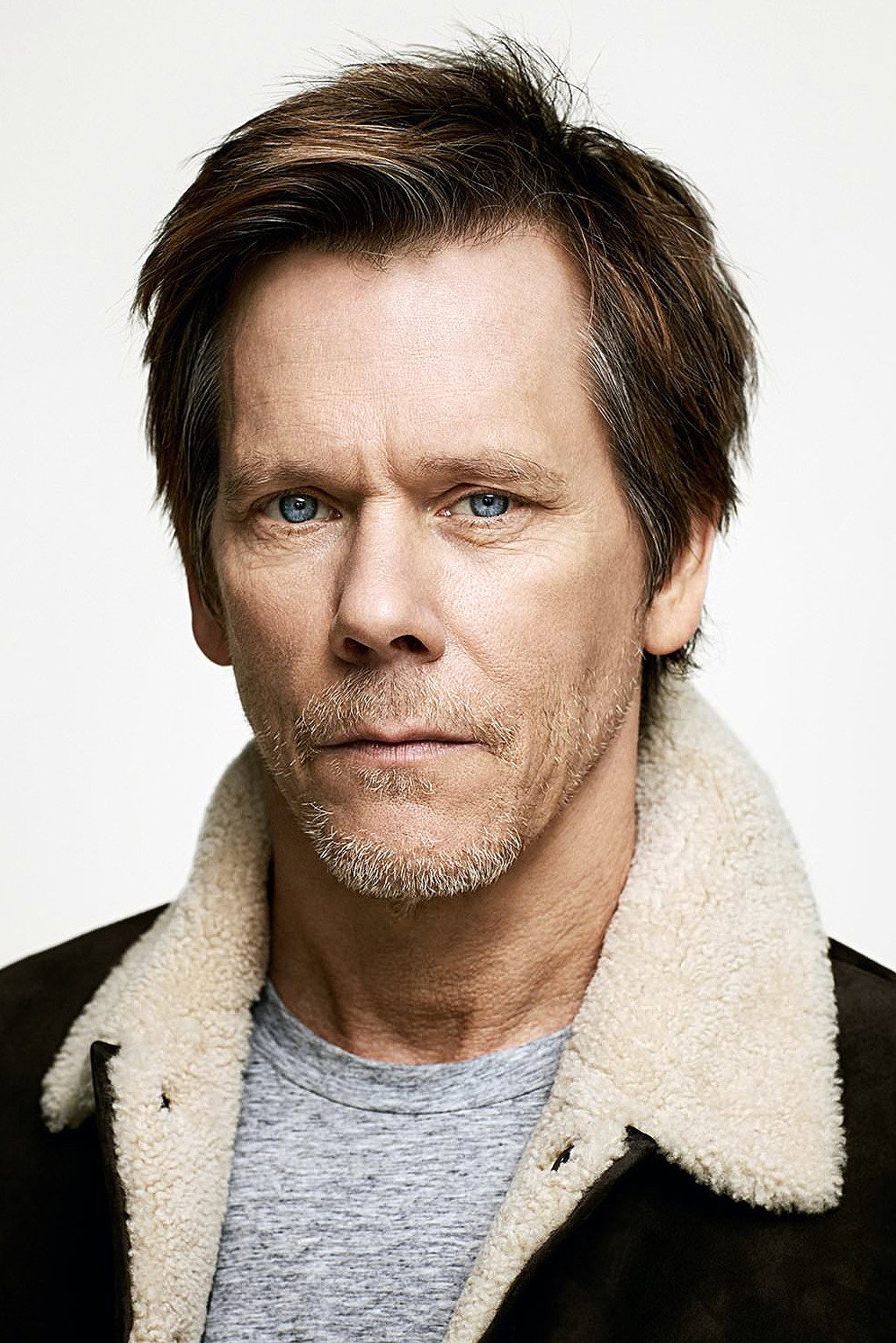
The guest list is a Brooklyn address book. Jim Jarmusch and Kevin Bacon appear as themselves, Parker Posey turns up as Michelle Whiting, Zoe Kazan as Nina. Each arrival is pleasant and each is a reminder of how little the plots matter to anyone involved. This is where the preciousness the reviews complained about actually lives: not in Schwartzman, but in the fact that everyone Jonathan meets is a writer, an editor, or a friend of one.
Most critics were colder than we are. The reviews found it precious and unfunny, and on the first charge they have a point. On the second we disagree: it is funny, in a low, ambling way, about once every ten minutes, and Danson accounts for most of those. It carries a 15 certificate for the sex and the drugs, both of which are treated as ordinary. Watch it late, one episode at a time, with the wine Leah objected to, and do not expect to find out who did it.