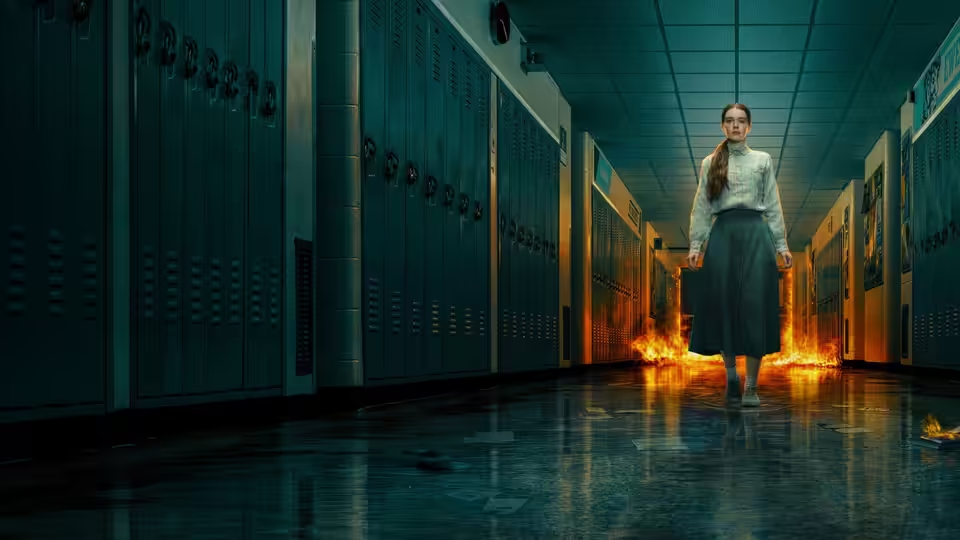
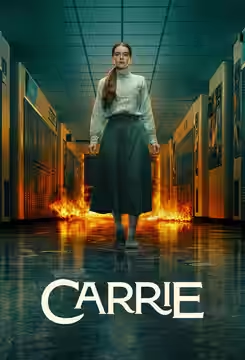
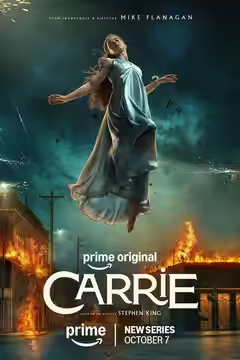
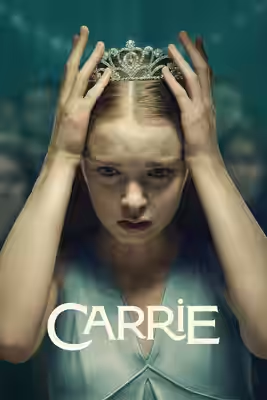
Summer H. Howell makes Carrie worth caring about, but Mike Flanagan’s eight-episode adaptation is too gentle to frighten consistently. Its teenage drama has feeling; the extra storylines and lectures too often get in the way.
Carrie is worth considering for Summer H. Howell, but its eight-episode expansion gives us too much explanation and too little fear. Created by Mike Flanagan from Stephen King’s novel, the series takes a gentle approach to a story of cruelty. Giving a vulnerable teenager more room to be understood is a reasonable use of television. Here, the softer treatment reduces the threat around Carrie, while the additional storylines do not consistently earn their space. The result is a decent character drama that keeps struggling with the demands of horror.
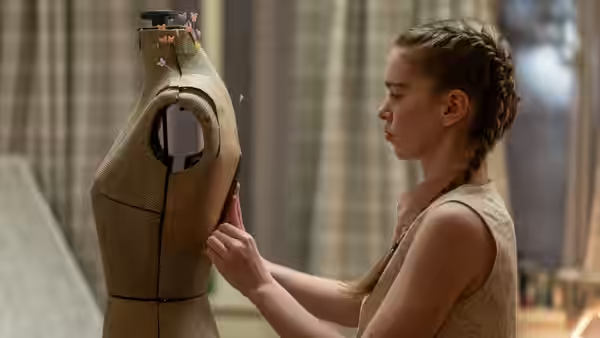
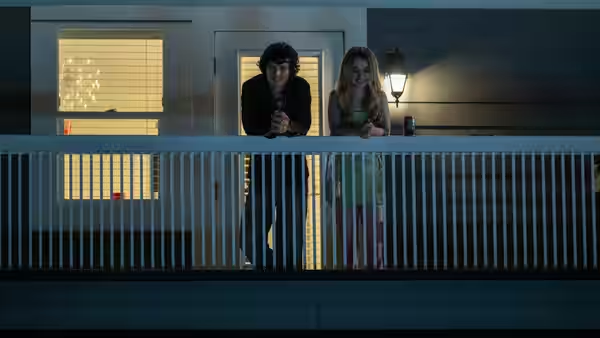
Summer H. Howell gives Carrie White enough personality to make that struggle worth following. We were moved by Carrie’s wish for a friend. Summer H. Howell makes that modest hope feel important, and keeps the character from becoming merely someone for the story to punish. Her performance is vulnerable without becoming blank, and the teenage drama benefits from the sense that Carrie has an inner life worth attending to. It is the main reason to stay with a series whose diversions repeatedly pull attention away from its most persuasive character.
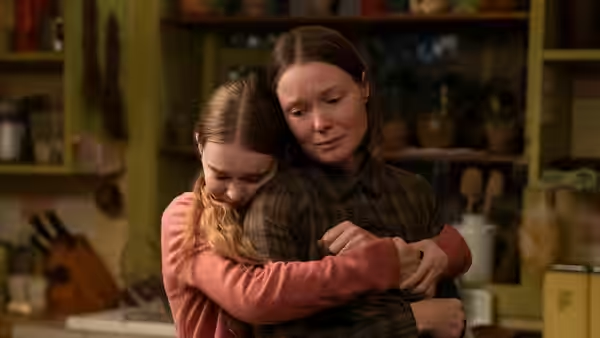
Samantha Sloyan gives Margaret White a presence strong enough to hold attention alongside Summer H. Howell. The softer treatment of the character is more questionable than the performance. A more sympathetic treatment could still have made her frightening, but here it keeps reducing the threat. The series means well by its characters, and its tenderness sometimes produces affecting drama. Too often, though, it makes encounters less troubling when the story needs us to feel how difficult they are for Carrie.
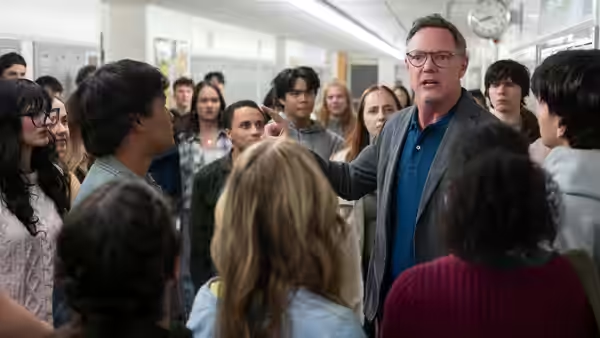
Mike Flanagan shares the editing credit with Brett W. Bachman, and the pacing is where the longer format begins to hurt. The additional storylines often feel like interruptions rather than reasons to spend more time with these people. Eight episodes allow a drama to follow a thought beyond the point a film would have to leave it. Here, too much of that room goes to explaining what the central performance has already made clear. The preachier passages make the series feel longer without making its characters much more interesting.
Michael Fimognari and Michael Wale are responsible for the cinematography, Tony Wohlgemuth for the production design, and Taylor Stewart and Andrew Grush for the music. But the lack of sustained fear starts with how the characters are written. The more sympathetic treatment leaves less cruelty for the images and music to make us dread. There are unsettling moments, but they do not establish the pressure that this sort of story requires over eight episodes. The writing keeps easing that pressure when it ought to be allowing it to accumulate.
As horror, Carrie is less convincing than it is as a teenage drama. Its interest in emotional injury is worthwhile, and there are moments when the care taken with Carrie makes the longer format seem justified. Those moments have to carry detours and speeches that do not repay the time spent on them. Consider it for Summer H. Howell, provided an affecting central performance matters more tonight than a sustained sense of dread.