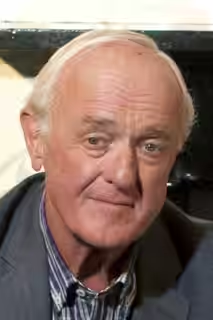
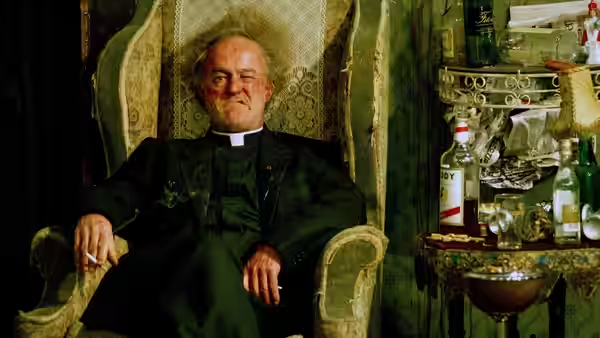
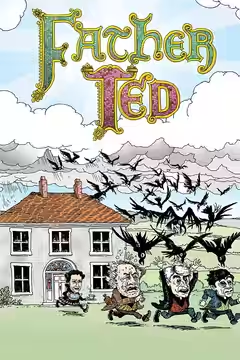
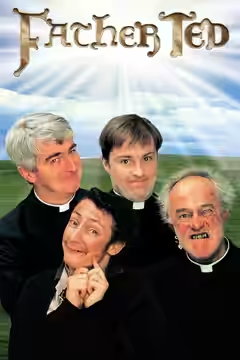
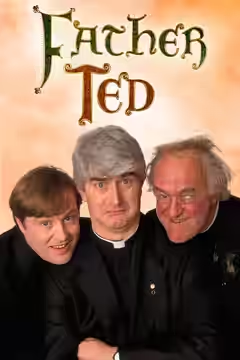
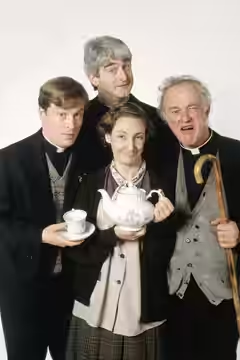
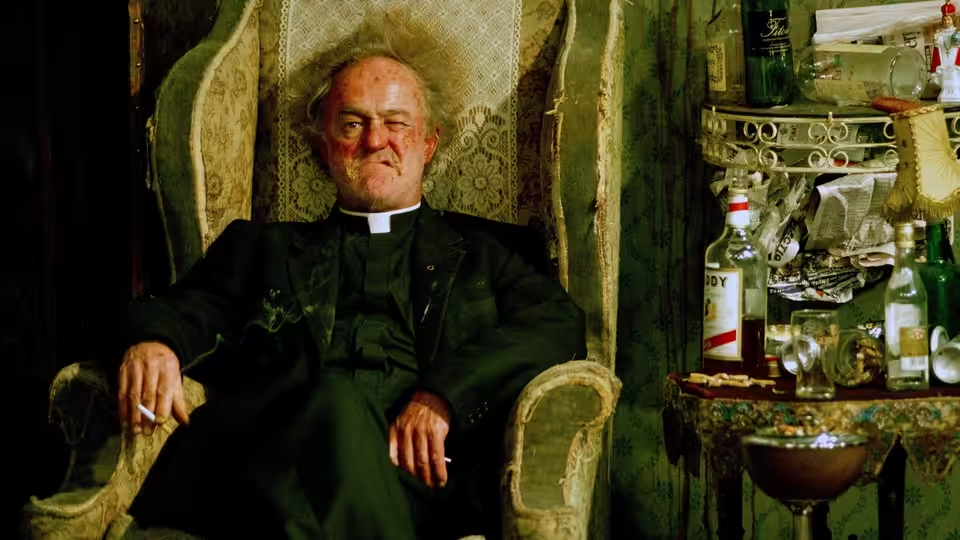
Father Jack Hackett (Frank Kelly) seated in an armchair beside a table of bottles
Series review

Father Ted

1995 · Created by Arthur Mathews, Graham Linehan · Series · 24m

In a sentenceThree priests exiled to a rock in the Atlantic, one housekeeper who will not hear no, and a lot of small lies told badly

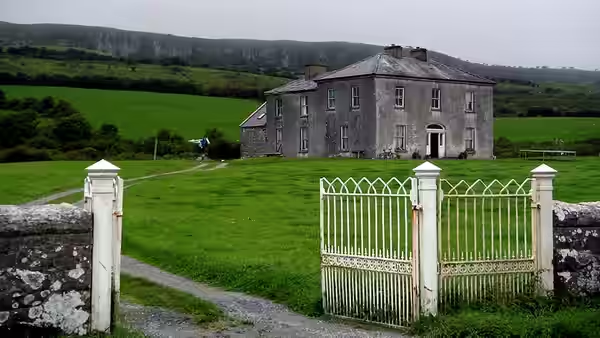
Craggy Island, a rock off the west coast of Ireland with a parochial house and not much else. Father Ted Crilly (Dermot Morgan) has been sent here after some parish money went missing, and he would like to be anywhere else. He shares the house with Father Dougal McGuire (Ardal O’Hanlon), a young priest who has not grasped the basics of the faith, and Father Jack Hackett (Frank Kelly), an old one who has narrowed his vocabulary to drink, swearing and women. Mrs Doyle (Pauline McLynn), the housekeeper, brings tea whether it is wanted or not. Ted’s chances of a transfer depend on the bishops, and the bishops depend on nothing going wrong on Craggy Island, which is where the trouble starts.

Fi1m review

Arthur Mathews and Graham Linehan’s sitcom about three priests exiled to Craggy Island is one of the best Britain and Ireland have made. The first series is still finding its nerve and a few later set-pieces overrun; nothing else about it has aged.

Father Ted puts three priests the Church would rather forget in a parochial house on Craggy Island, off the west coast of Ireland, and leaves them there for 24 episodes. Father Ted Crilly (Dermot Morgan) wants a parish on the mainland and a little respect. Father Dougal McGuire (Ardal O’Hanlon) is not sure God exists and is not sure it matters. Father Jack Hackett (Frank Kelly) wants a drink. Mrs Doyle (Pauline McLynn) wants everyone to have a cup of tea and will not hear otherwise. Arthur Mathews and Graham Linehan, who created and wrote it, are not much interested in the Catholic Church as a target. They are interested in what three men do with an island nobody else wants.

Our verdict is not complicated. This is one of the best sitcoms Britain and Ireland have made, and we say so having gone back through all three series looking for weak spots. There are some. The first series, six episodes shown from April 1995, is still working out how strange it is allowed to be, and a few of the later set-pieces run a minute past the point where they should stop. Everything else holds.

Morgan is the reason the show has a spine. Ted is the sensible one only by comparison: a snob in a cardigan, a coward with a plan, a man who cannot pass a small lie without picking it up. Morgan plays him a beat too pleased with himself, so that we can see the disaster arriving before he can, and when the plan collapses, as it always does, there is a flicker of real hurt. We felt for him more than the show had any right to expect. He believes he deserves better than Craggy Island, and the awful thing is that he does not, quite, and half knows it.

O’Hanlon gives Dougal a face that does not move while the world does, and he never once winks at us. The scene in which Ted uses a pair of toy cows to explain the difference between small and far away, and Dougal nods and does not understand, made us laugh until it hurt. The reason is patience: the writers let Ted explain it three times and let the camera stay on Dougal each time. Kelly’s Father Jack has four words and an armchair and gets a laugh from every combination of them. McLynn’s Mrs Doyle is the show’s most frightening creation, a woman for whom “no” is the opening of a negotiation, played with a bright, unblinking hospitality that would empty a room.

It is a studio sitcom with an audience, and Declan Lowney, Andy De Emmony and Linehan direct it as one. The house is a stage set with a window, a sofa and a door for people to arrive through, and the producers, Geoffrey Perkins and Lissa Evans, clearly understood that the form works best when the trap is visible. When the show leaves the house, for a caravan, an aeroplane or a song contest, it is always to find that the island has come along. The guests are chosen for how badly they fit. Graham Norton’s Father Noel Furlong is enthusiasm as a medical condition. Clare Grogan’s Niamh Connolly is a singer who despises everything Ted stands for and is not wrong. Richard Wilson turns up as himself, and we will leave the reason to you.

The faults are real and they are small. The plots have a shape they cannot shake: Ted has a scheme, the scheme requires a lie, the lie comes apart in front of a bishop, Bishop Facks (Denys Hawthorne) among them. Women other than Mrs Doyle are mostly visitors. The third series, eight episodes from March 1998, reaches for bigger stunts and does not always land them, and the audience laughter is now and then louder than the joke.

It sits in the long line of sitcoms about people who cannot leave a room, and it is kinder than most of them. Nobody here is punished for being stupid. Ted is punished for being ashamed of the others, which is a different thing.

Three series, 24 episodes of 24 minutes, and there were never any more; it stops while it is still good. The 15 certificate is for the language, nearly all of it Father Jack’s, and for one word the show made acceptable in living rooms that would have flinched at the alternative.
Critical consensus AI synthesised

88
Positive
5
Mixed
0
Negative
0
The Guardian
28 January 2011
90*

The critic praises the series as remorselessly funny, silly, surreal and indefatigably entertaining in its pursuit of laughs through slapstick and ensemble comedy. They single out its edgy portrayal of Irish priests as feckless wasters and recommend standout episodes like Speed 3 and A Song For Europe.

Read the full review →
The Independent
16 March 1998
90*

The critic notes the series' democratic comedy and well-suited surreal material even after the lead actor's death, highlighting its rich double-beat punch lines and the ensemble's strength. They single out the dialogue and absurd scenarios for praise while viewing the episode as a fitting memorial.

Read the full review →
Den of Geek
7 June 2018 · Mark Harrison
90*

The critic praises Father Ted as one of the greatest British sitcoms ever, noting its timeless weirdness and status as a landmark that epitomizes the trapped-situation comedy genre. They single out the wickedly bizarre humor across its 25 episodes for particular praise.

Read the full review →
Digital Spy
20 April 2015 · Frances Taylor
90*

The critic celebrates the show's enduring legacy on its 20th anniversary, calling it the greatest TV comedy ever made for its clever, fresh, and hilarious qualities. They single out the heady mix of surrealism and everyday life in the writing, along with the perfect mismatched casting, for praise.

Read the full review →
Collider
28 February 2025 · Cathal McGuinness
80*

The critic celebrates Father Ted as a groundbreaking and hilarious Irish sitcom that captured a pivotal moment of social change in Ireland by irreverently mocking the Catholic Church. One element singled out for praise is Graham Norton's energetic guest appearances as Father Noel Furlong, which showcased his comedic talent and helped launch his career.

Read the full review →

Straight answers AI written, from our review

Is Father Ted worth watching?
Father Ted is worth watching for anyone who likes a sitcom built around people who cannot leave a room, and we scored it 89. Dermot Morgan, Ardal O'Hanlon, Frank Kelly and Pauline McLynn make three priests and a housekeeper on a rock off Ireland very funny for 24 episodes. The first series is still finding its nerve, and a few later set-pieces run a minute too long.
How long is Father Ted, and what is it rated?
Father Ted has episodes of about 24m. It is a comedy series.
Where can I watch Father Ted in Romania?
Father Ted is not on any streaming or rental service in Romania at the moment. It is available in 5 other countries; change your country at the top of the page to see where. Availability is checked daily.
How violent or frightening is Father Ted, and is it suitable for children?
Father Ted carries a UK 15 certificate for language rather than for violence or fright, and there is nothing in it to scare anyone. Nearly all the swearing belongs to Father Jack (Frank Kelly), whose vocabulary has narrowed to drink, curses and women. Older teenagers will be fine; younger children will hear words their parents may not want repeated.
How does Father Ted compare to Fawlty Towers?
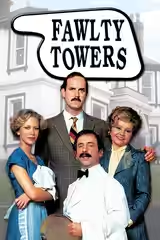
Father Ted and Fawlty Towers are both sitcoms about a small building run by a man who thinks he deserves better company, and both are among the best Britain and Ireland have made. Father Ted is the kinder of the two: nobody is punished for being stupid, only Ted for being ashamed of the others. Fawlty Towers is tighter and crueller, and its treatment of Manuel sometimes makes us wish a joke had stopped earlier.
What should I watch after Father Ted?
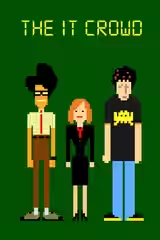
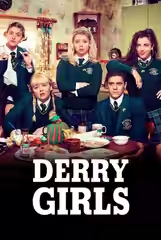
After Father Ted, try Fawlty Towers (1975, Fi1m 90): Another small building run by a man who thinks he deserves better guests. Then The IT Crowd (2006, Fi1m 76): Linehan moves the trap to a basement office; same lies, worse computers; and Derry Girls (2018, Fi1m 83): Northern Irish teenagers, nuns and a wee English fella; the bishops would not approve.

Cast

If you liked this, try…

  1. Fawlty Towers (1975, Fi1m 90)Another small building run by a man who thinks he deserves better guests.

  2. The IT Crowd (2006, Fi1m 76)Linehan moves the trap to a basement office; same lies, worse computers.

  3. Toast of London (2012) · not on Fi1m yetMathews’s actor sitcom, stranger and crueller, with the same fondness for idiots.

  4. Derry Girls (2018, Fi1m 83)Northern Irish teenagers, nuns and a wee English fella; the bishops would not approve.

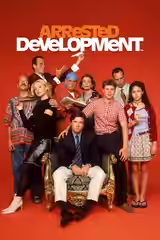
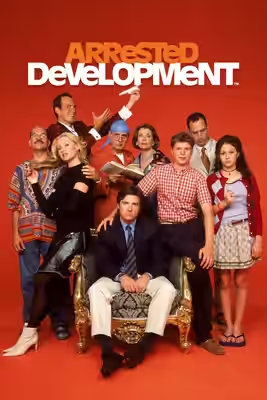
  5. Arrested Development (2003, Fi1m 87)An American family as incapable of leaving each other as Ted is of leaving the island.

Free account

Know what to watch tonight

Two lists that know where things are streaming, collections you can share, your own score beside ours, and Discover that remembers what you have seen.

  • Want to see, sorted by what is streaming now
  • Seen, with your score out of ten
  • No adverts, ever