Paul Giamatti and Laura Linney make John Adams worth the patience its seven episodes demand. We recommend this absorbing historical drama, though its wandering structure and occasional self-importance make some stretches feel longer than they should.
John Adams is a good historical drama with two performances worth making time for, although it would be better with less ceremony and a firmer shape. Directed by Tom Hooper, it approaches the founding of the United States through a man whose temperament makes public life difficult. The talking matters, and the programme expects us to listen. Its useful starting point is that the participants cannot know how any of this will turn out.
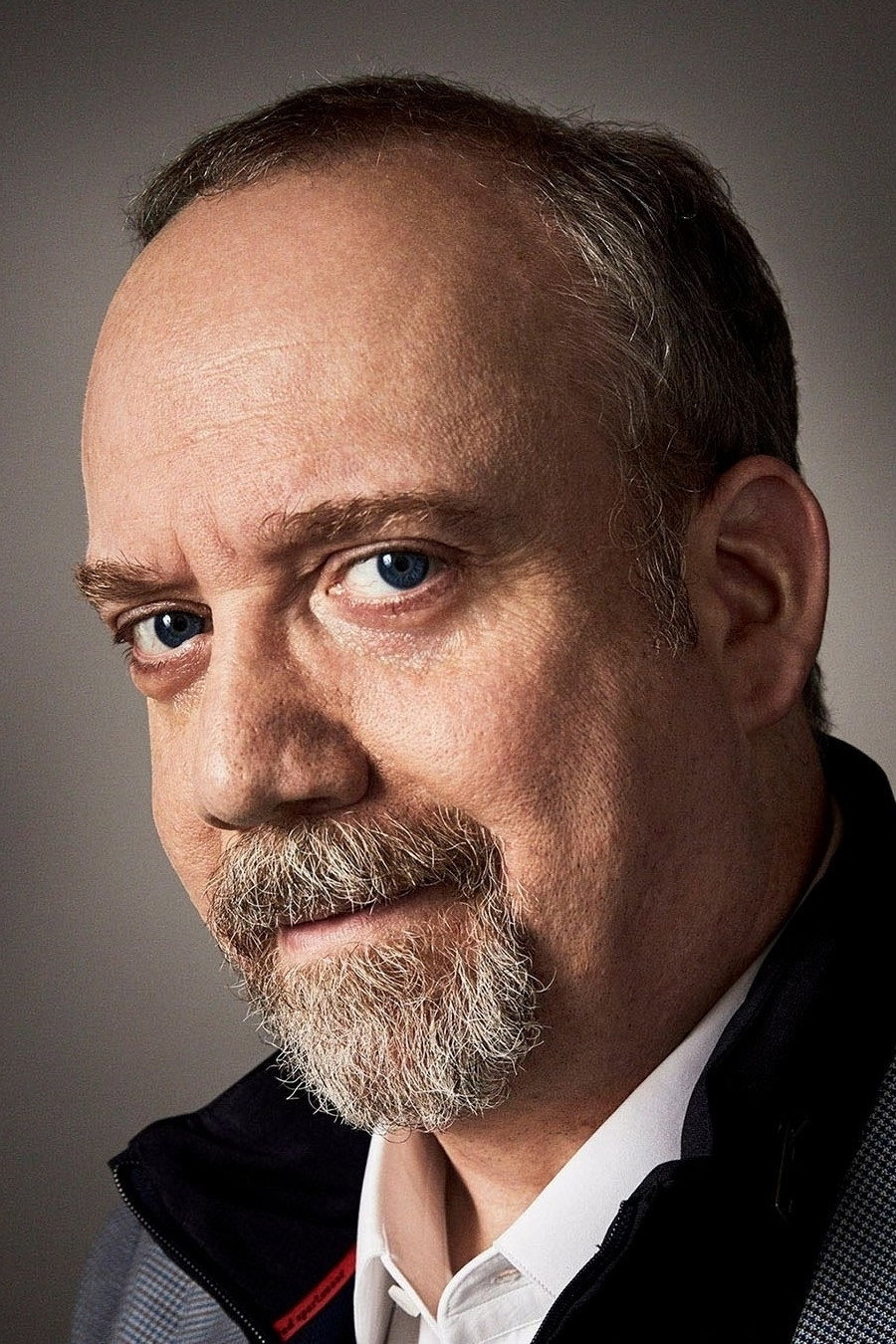
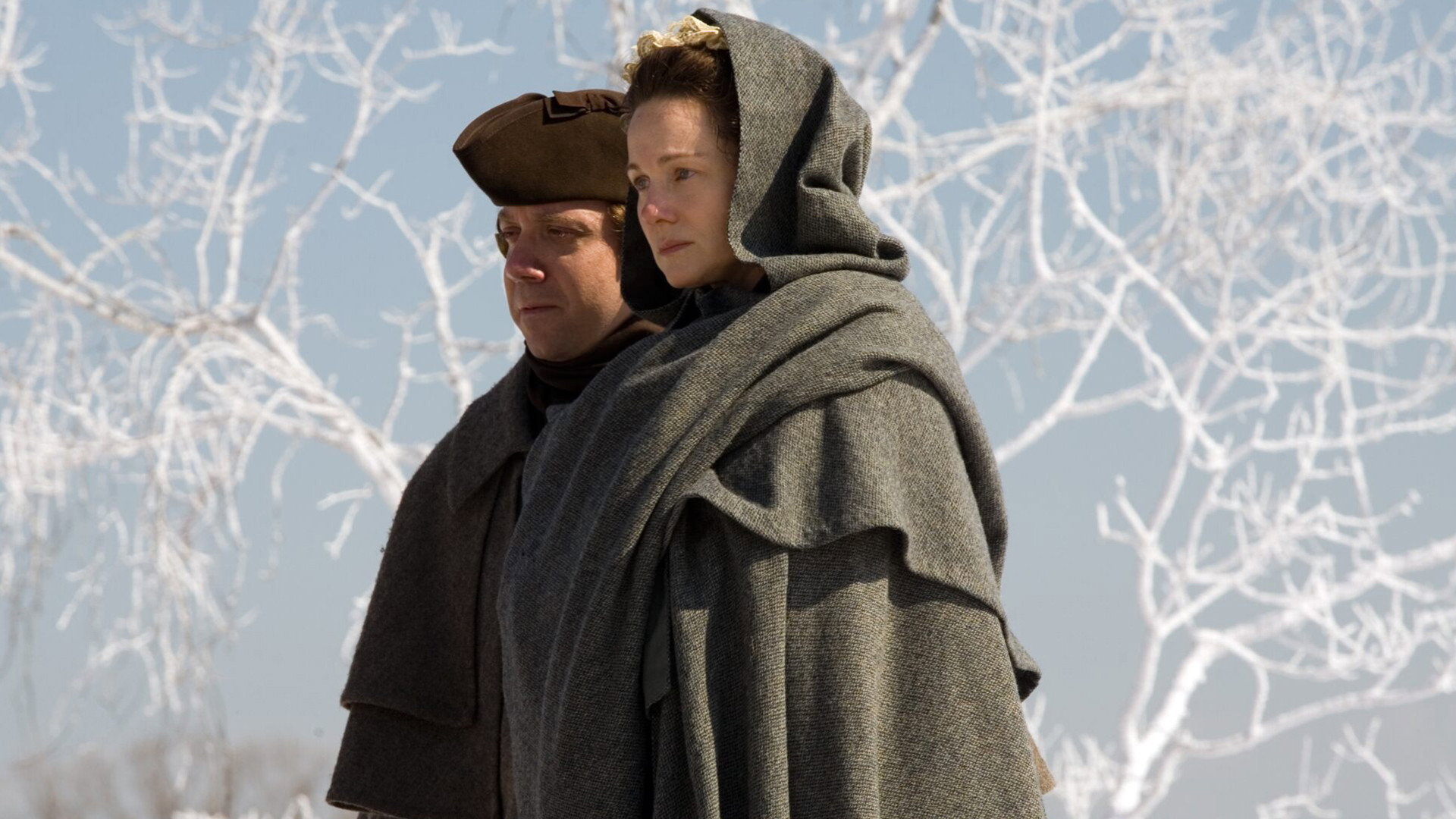
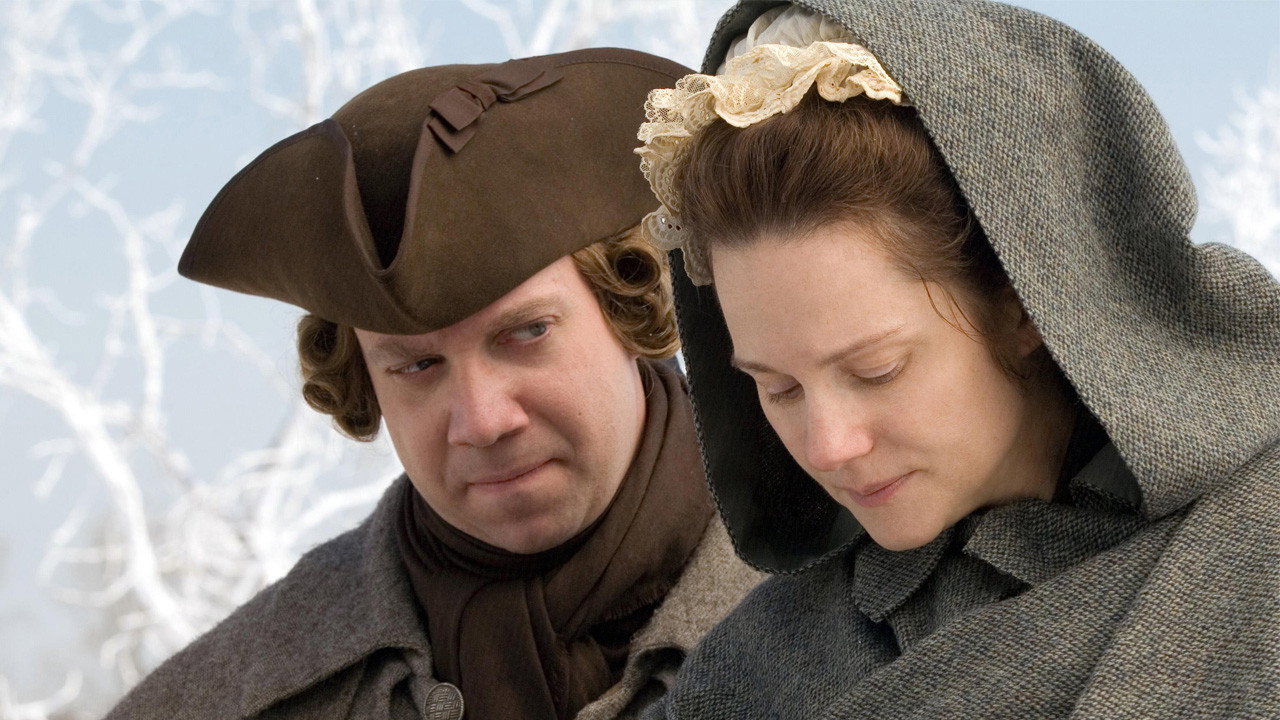
Paul Giamatti makes Adams an awkward person to spend time with, which turns out to be a considerable advantage. The irritability and anxiety make the political talk personal: this man has to get through a conversation as well as persuade the people in it. We found him unexpectedly touching, because Giamatti lets that discomfort remain visible even when Adams is sure of himself. He does not need to become agreeable for us to care about him.
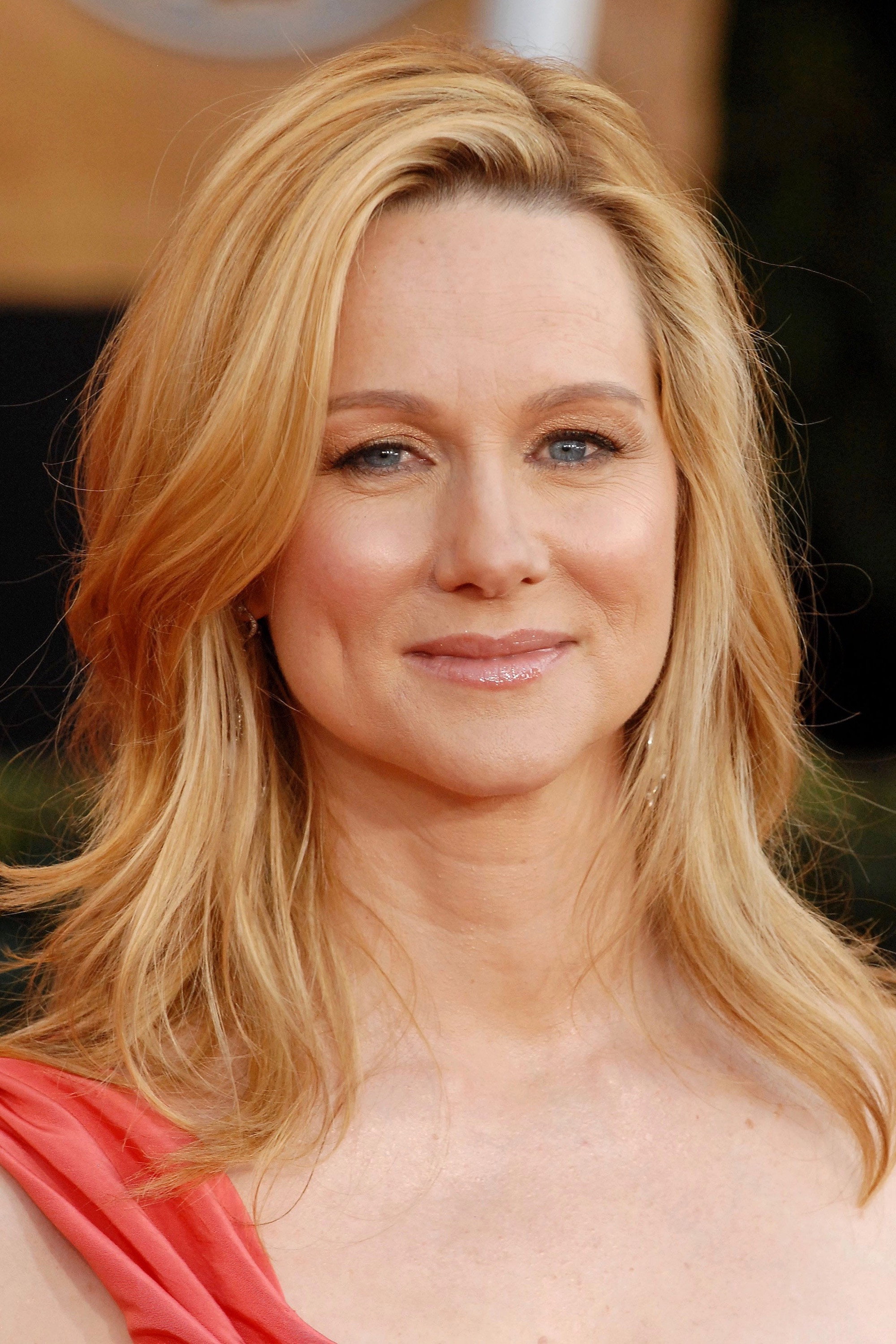
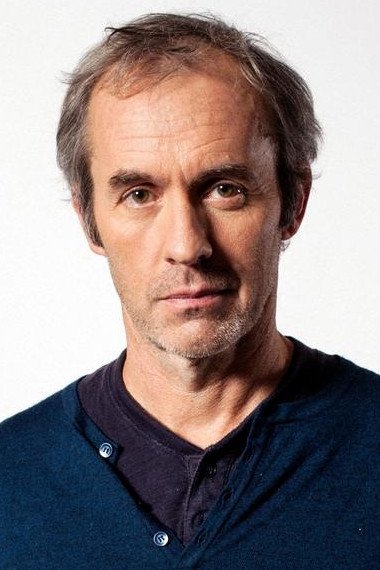
Laura Linney’s Abigail gives the marriage enough weight to hold our attention beside the public business. She makes us consider what living with this man entails, and her performance is strong enough that we do not spend her scenes waiting to get back to the famous names. Stephen Dillane’s Thomas Jefferson and Tom Wilkinson’s Benjamin Franklin help keep the political exchanges lively. The supporting cast gives these discussions the necessary sense of several people believing they have a point.
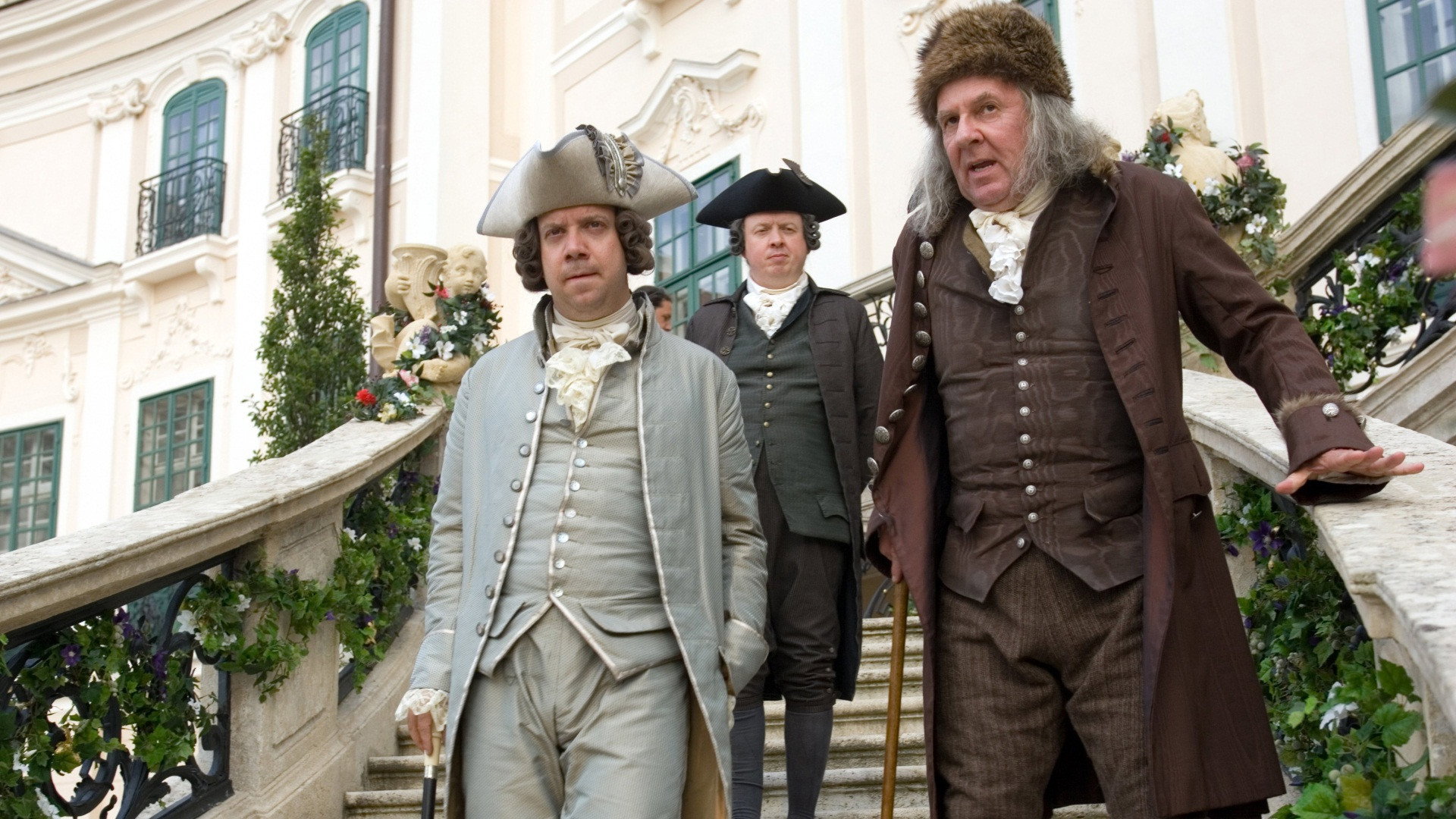
Hooper’s attention to eighteenth-century practicalities is useful here, particularly the muddy streets, which discourage any longing to visit. Danny Cohen and Tak Fujimoto’s cinematography makes this physical setting feel convincingly inhabited. The actors look at home in Donna Zakowska’s costumes, which helps keep the care over period detail from dominating every scene. That care can shade into fussiness, and there are stretches when the programme seems excessively pleased with its own seriousness. Still, the actors generally remain the reason to look.
The main weakness is the shape of the writing credited to Kirk Ellis and Michelle Ashford. Across seven episodes, the attention given to each part of Adams’s life can feel determined by a duty to include it, regardless of the dramatic interest. Melanie Oliver’s editing does not always give the conversations enough forward movement, and the accumulated detail sometimes makes it difficult to tell what we should be waiting for. The programme remains easy to return to, but individual stretches could be shorter without losing anything essential.
The music by Rob Lane and Joseph Vitarelli can add more solemnity than these conversations need. Historical television often struggles to let a famous person behave badly without immediately offering an excuse. John Adams earns its place among the better examples by allowing its central performance to remain difficult and anxious. When it relaxes its reverence, the political discussion becomes absorbing because agreement feels uncertain, even with familiar names doing the arguing.
Give it an episode at a time, with enough attention to follow the disagreements. Trying to hurry through will do the slower stretches no favours, and the political talk deserves more than half an ear. Keep watching for Linney; she makes the prospect of another conversation with John considerably more inviting.