Series review

Line of Duty

2012 · Created by Jed Mercurio · Series · 1h 00m · MPA TV-MA

In a sentenceForty minutes of paperwork read aloud in a small room, and we have never been so frightened of a beep

CrimeDramaMystery

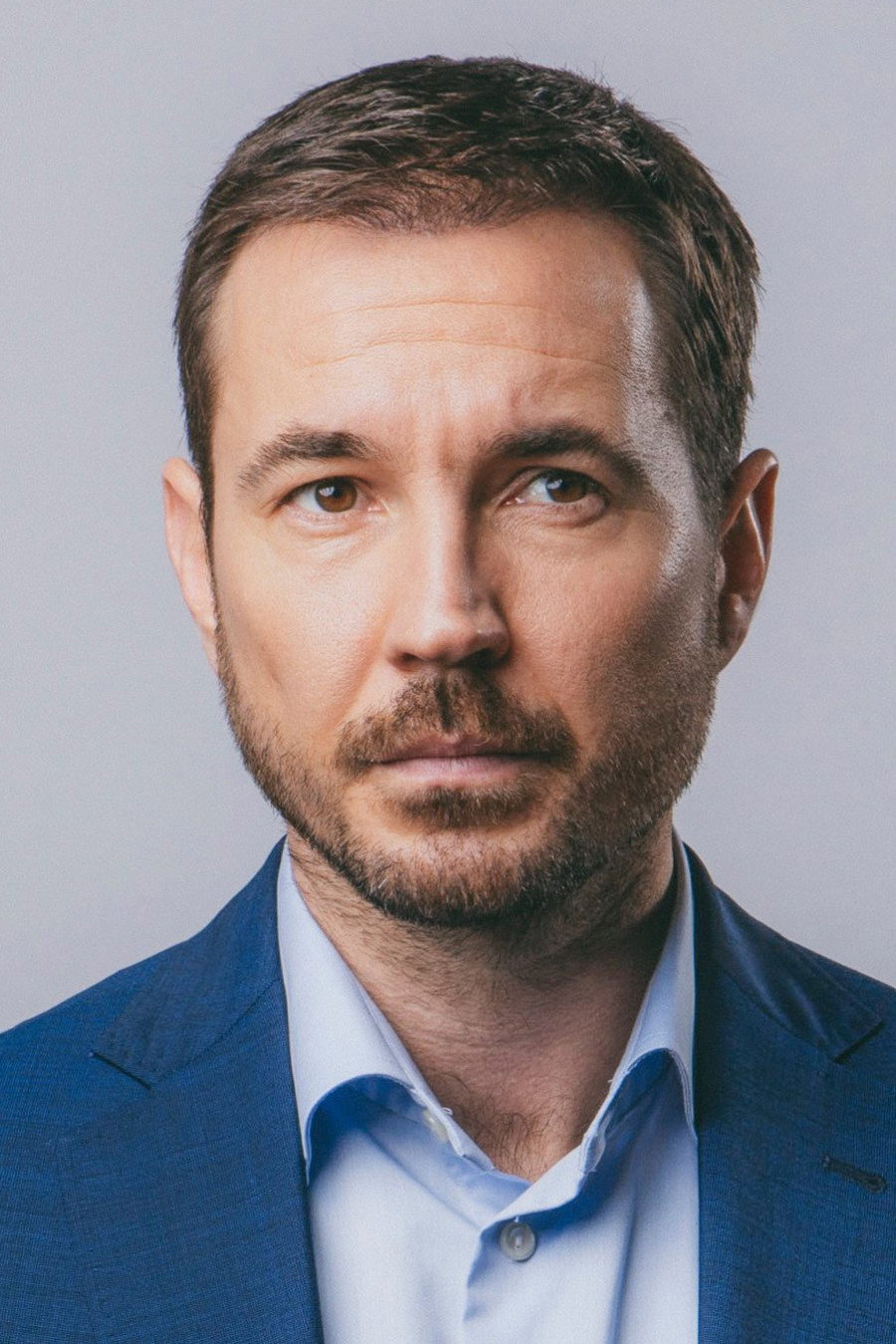
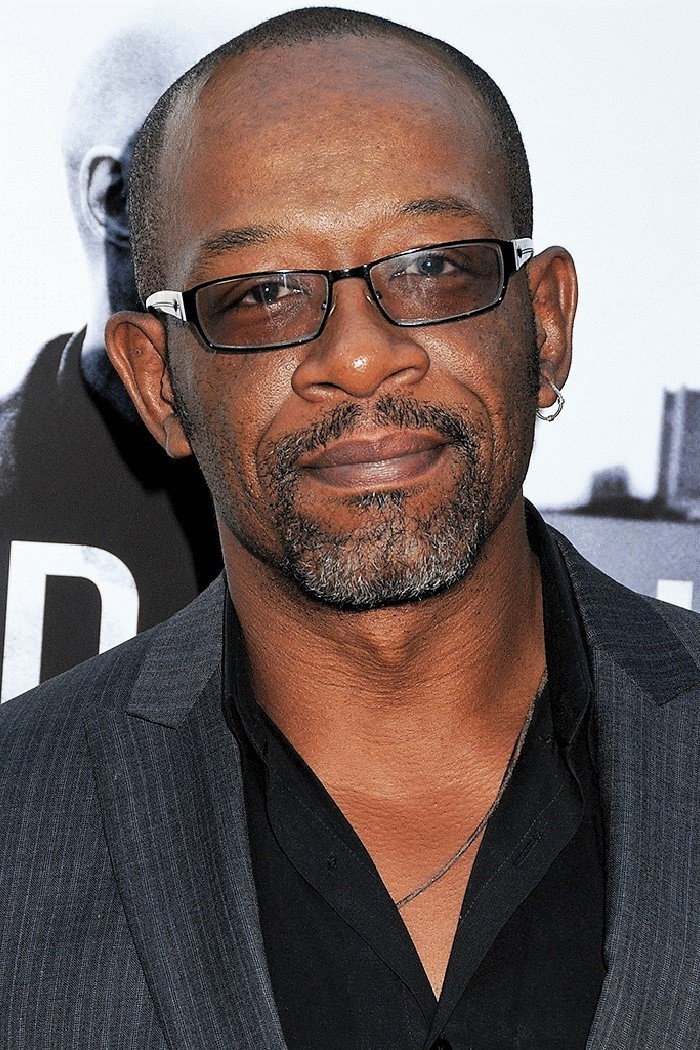
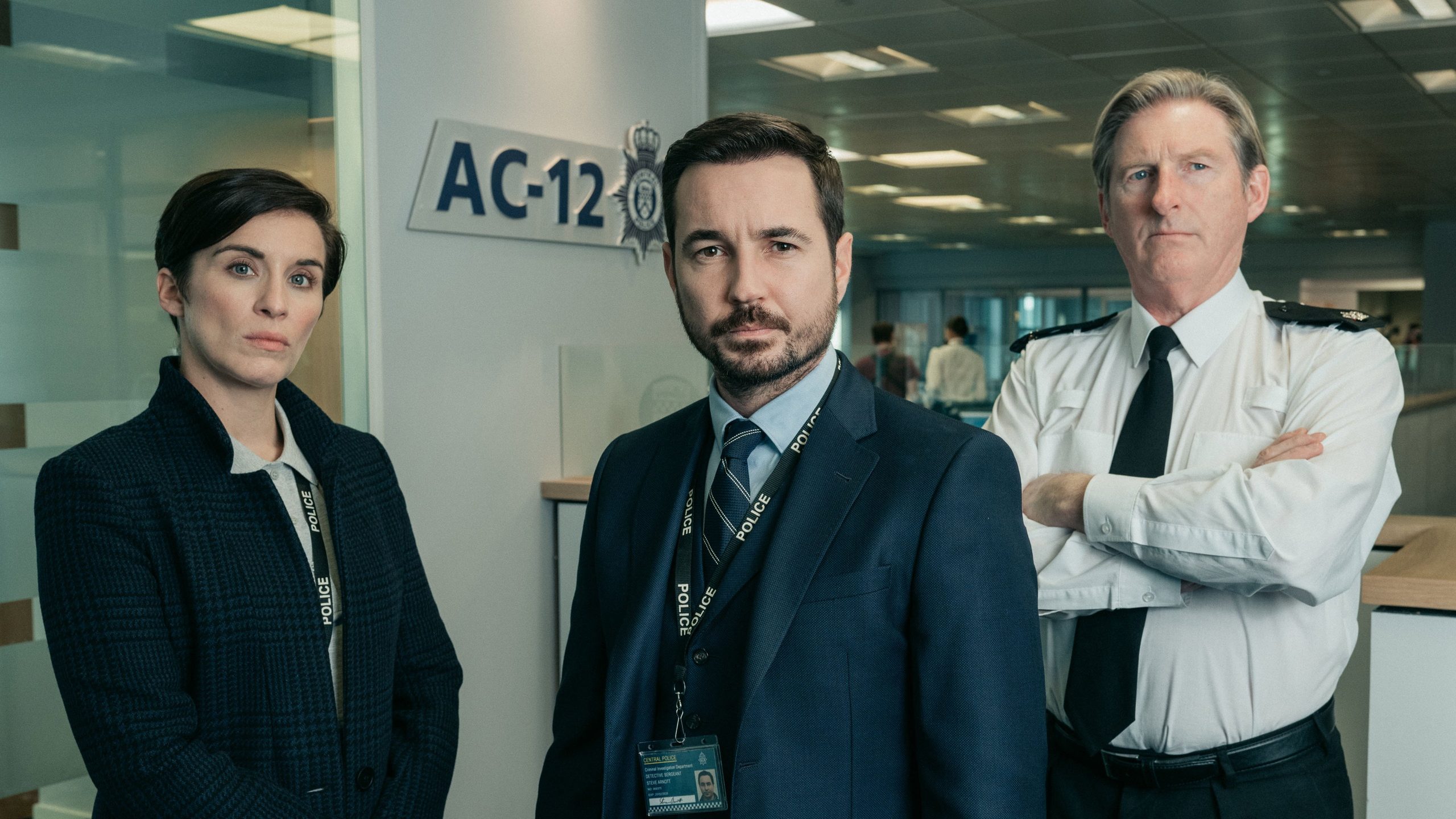
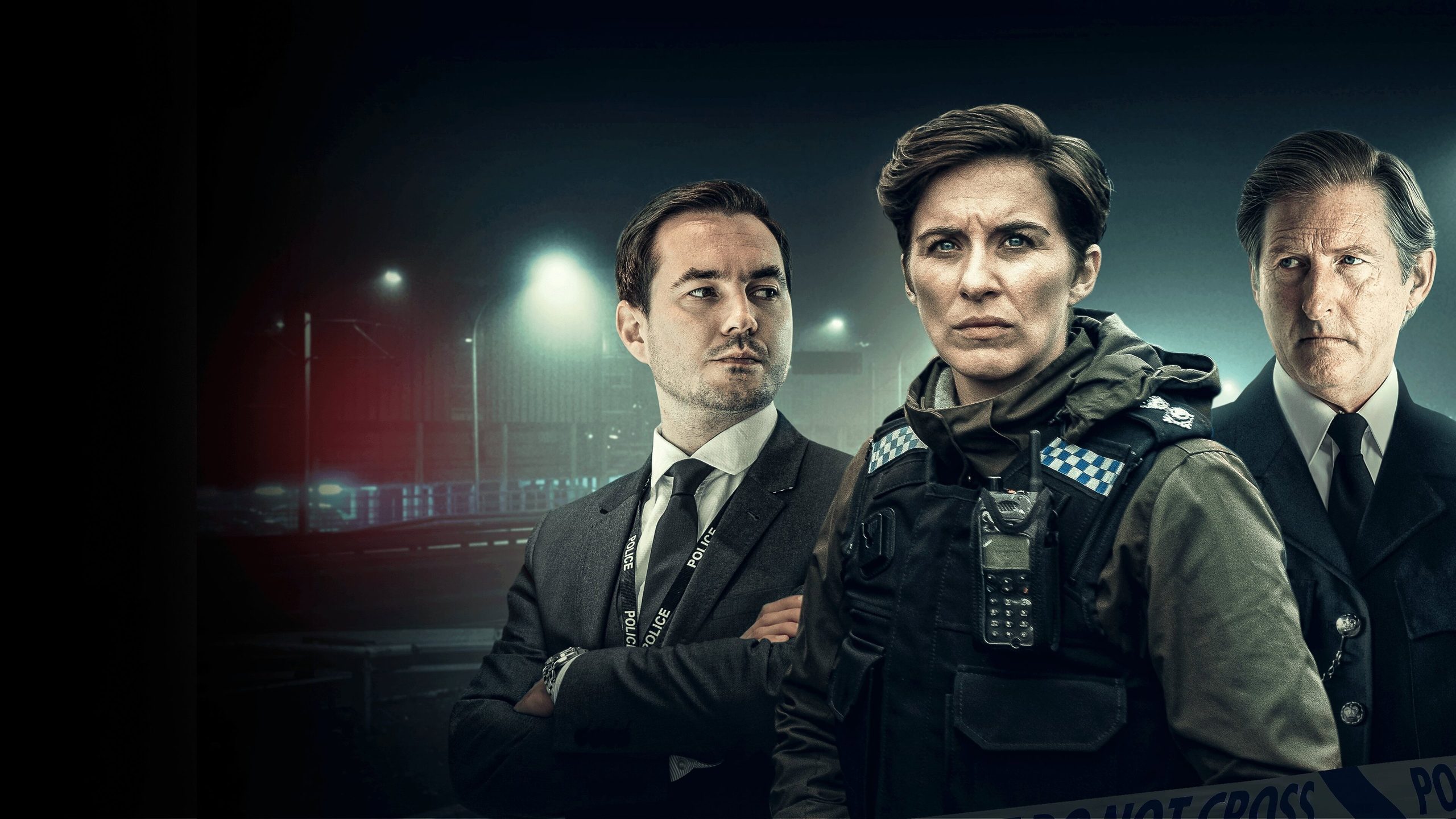
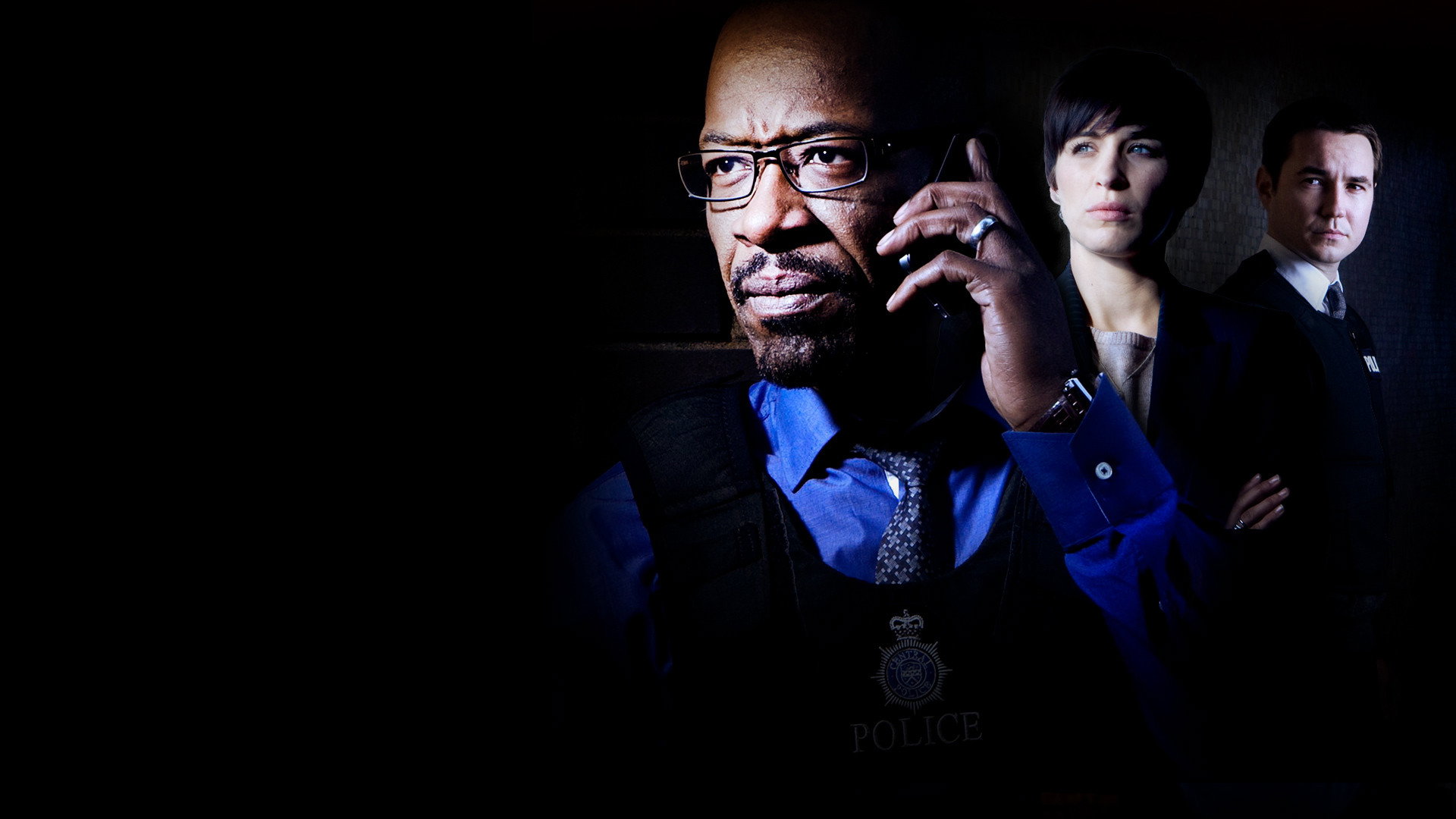
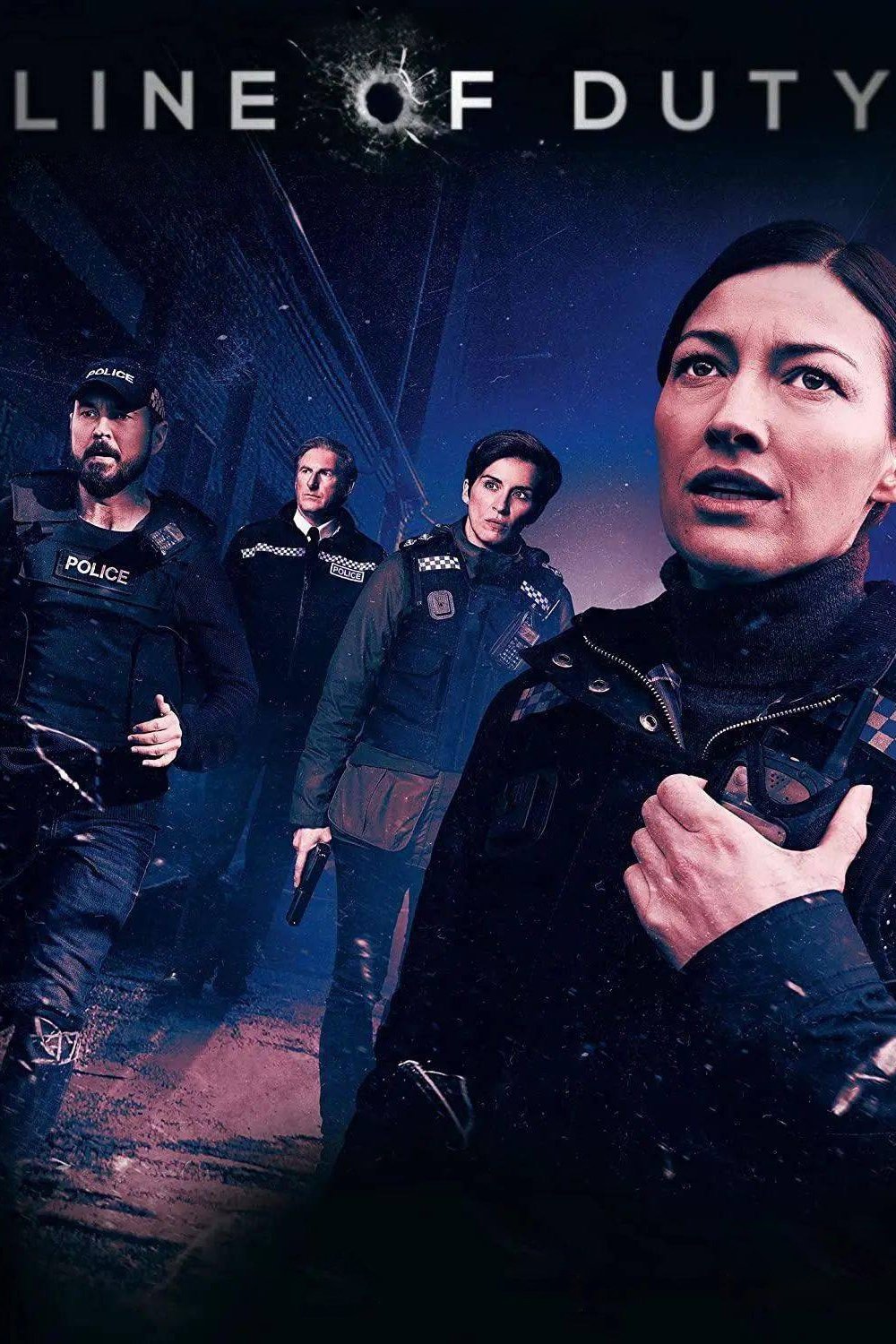
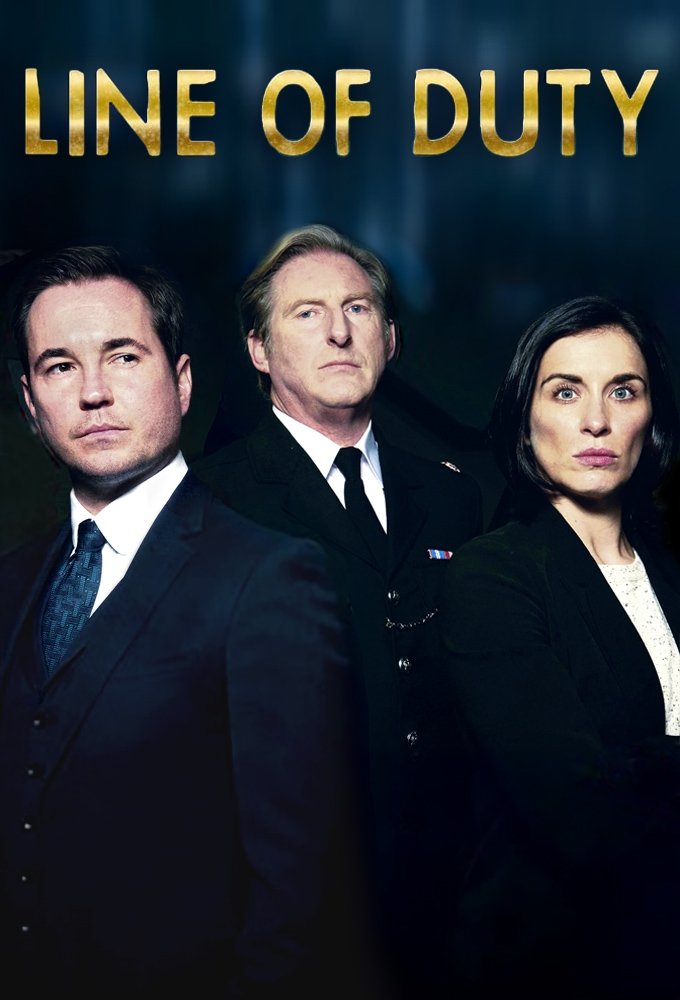
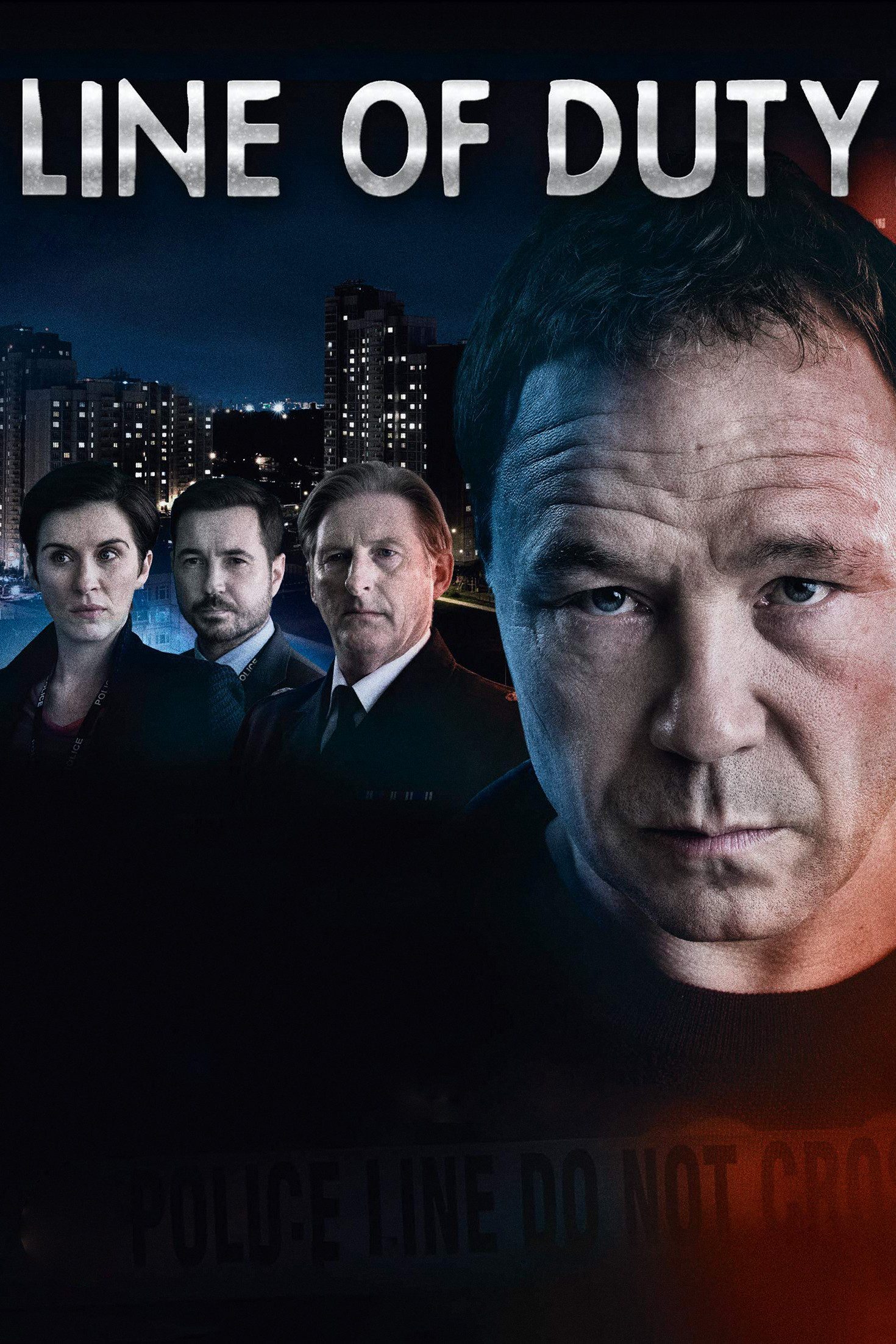
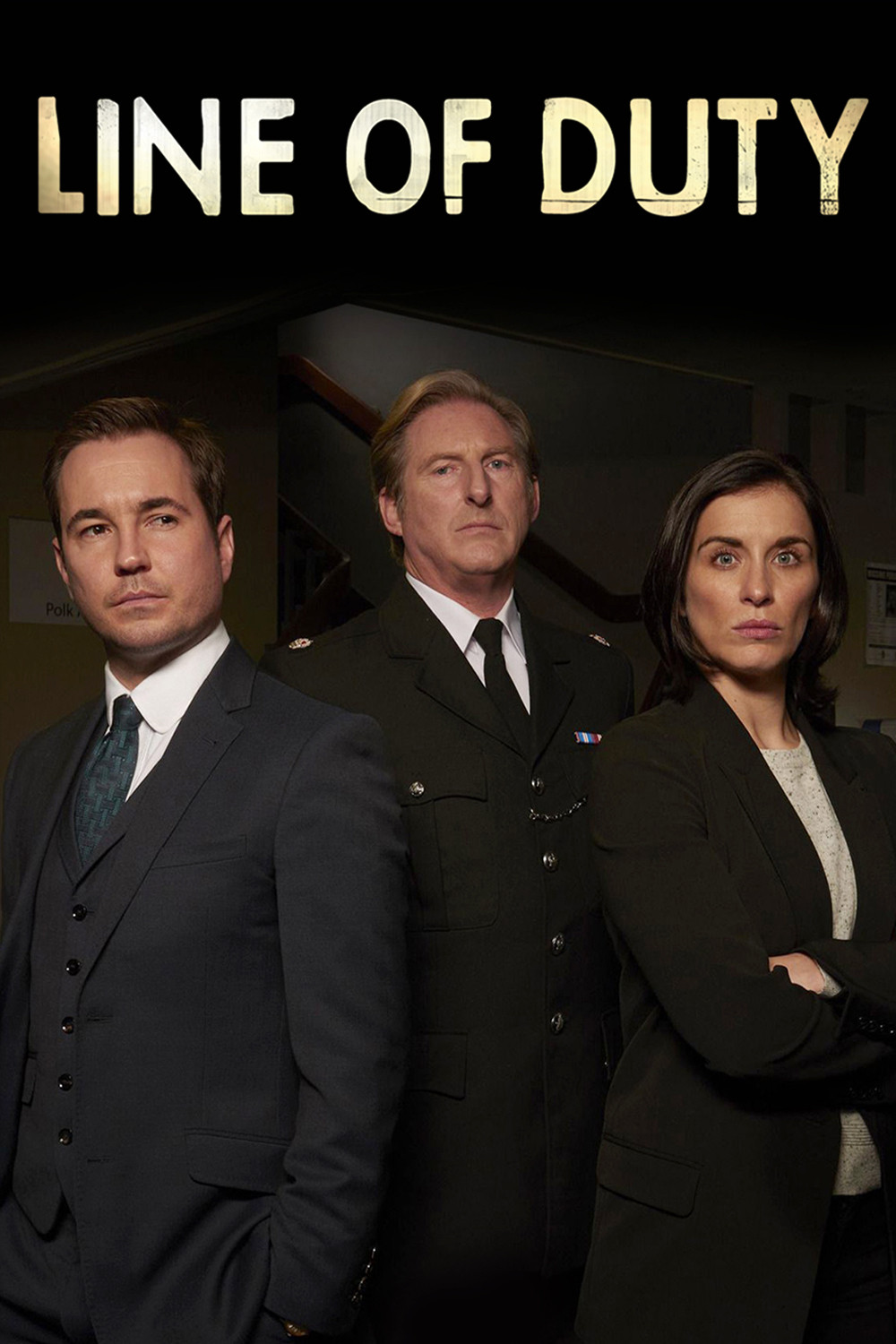
An unnamed English city, 2012. Detective Sergeant Steve Arnott (Martin Compston), a counter-terrorism officer, refuses to sign a statement covering up a raid that has killed an innocent man, and is moved sideways into AC-12, the force’s anti-corruption unit, under SI Ted Hastings (Adrian Dunbar). Hastings hands him a target: DCI Tony Gates (Lennie James), the force’s officer of the year, whose clearance figures look too good to be honest. DC Kate Fleming (Vicky McClure) is already inside Gates’s squad, undercover. Gates, meanwhile, takes a phone call from an old flame who has just knocked someone down with her car, and a boy on a bicycle, Ryan Pilkington (Gregory Piper), runs errands for people the police have not yet caught.

Fi1m review

Jed Mercurio’s anti-corruption thriller makes interview rooms, acronyms and paperwork gripping, and hands Lennie James, Keeley Hawes and Thandiwe Newton parts they tear into. The first three series are exceptional; the later ones pile on twists until the plot creaks.

Jed Mercurio’s Line of Duty began on 26 June 2012 as a five-part series about a police unit whose job is to investigate other police officers. The unit is AC-12, and the show’s bet is that a detective caught lying about his paperwork is more frightening than a criminal caught with a gun. Each episode runs an hour and carries a 15, and the first three series are about as good as British crime television has been.

The signature scene is the interview. Somebody is walked into a glass-walled room, a recorder beeps, and Ted Hastings, Steve Arnott and Kate Fleming read documents aloud for as long as the scene needs, which can be twenty minutes. Mercurio, who writes the series, has grasped that a person’s own words on a form are the tightest trap there is, and the directors, John Strickland, Douglas Mackinnon, Daniel Nettheim and Mercurio himself among them, hold on faces and let the words do the work. The cinematographers across the run, Ruairí O’Brien, Tim Palmer, Peter Robertson and Stephen Murphy, shoot the offices in the flat grey of a real open-plan building, strip lights and vertical blinds, and keep the wider, darker frames for the streets. Maggie Donnelly puts everyone in the same dark suits and lanyards, so a bent officer is indistinguishable from a straight one until he opens his mouth.

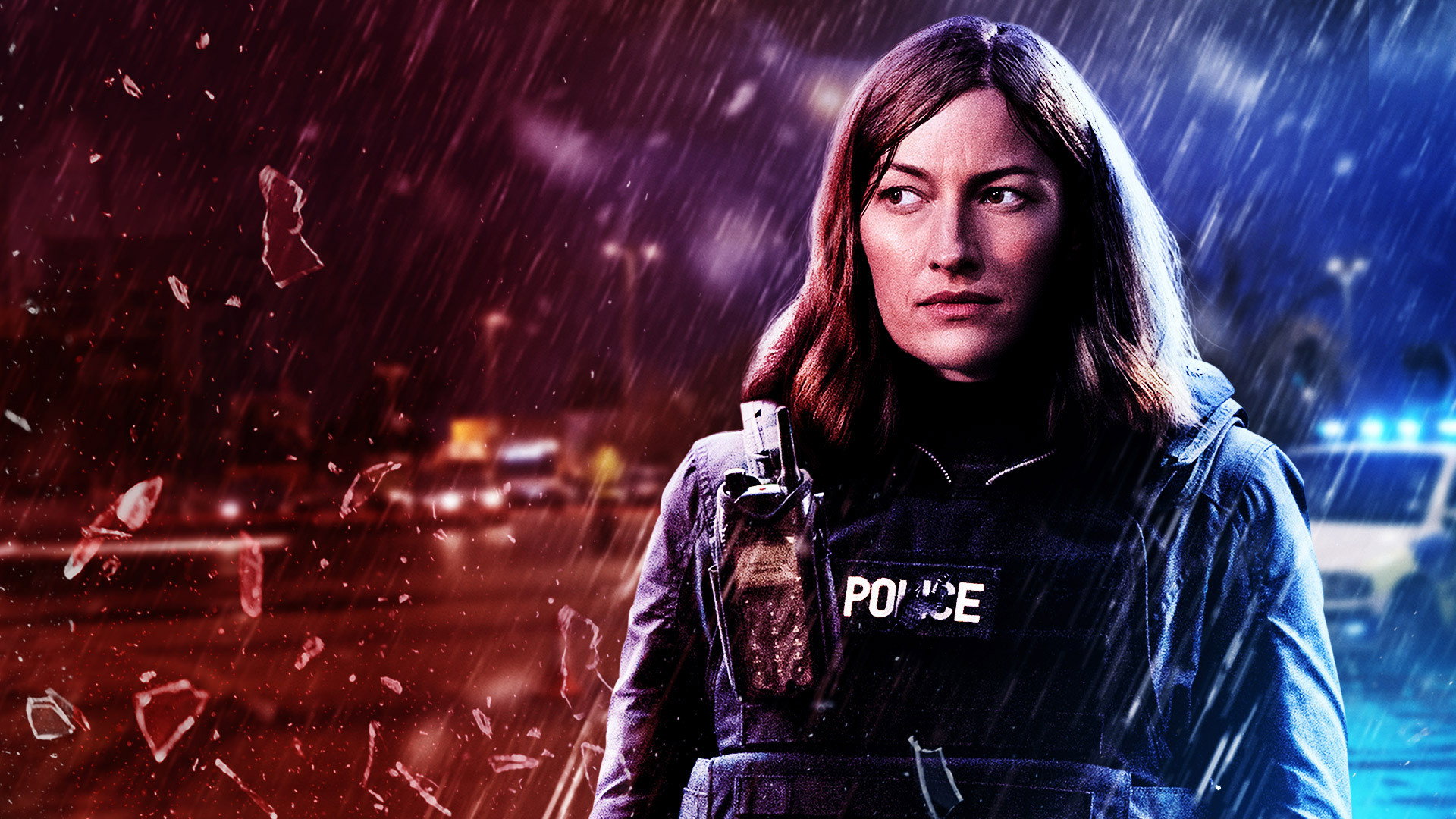
Each series hands its guest lead a part to tear into, and three of them are remarkable. Lennie James gives Tony Gates the ease of a man who has always been the cleverest officer in any building he walks into and has just met the paperwork; he is charming, good at his job and compromised a little more each episode, and James never asks to be liked. Keeley Hawes’s Lindsay Denton is a tired woman in a cardigan whose every ‘no comment’ lands like a slap, and we changed our minds about her four times in six episodes. Thandiwe Newton’s Roz Huntley is the coldest of the three, a DCI defending a case she knows is rotten with the precision of someone who has read the rulebook more closely than the people prosecuting her.

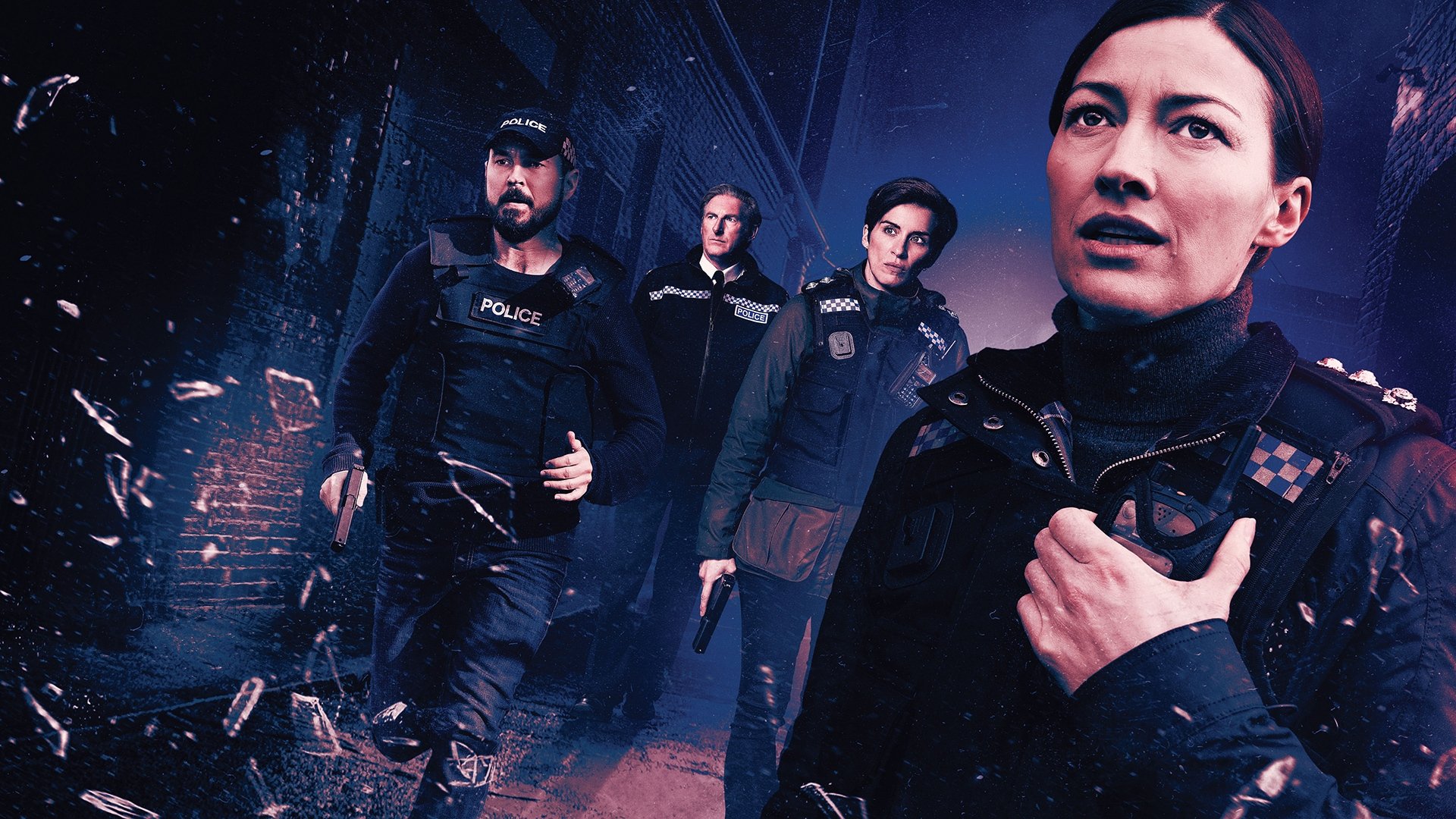
The regulars are a quieter pleasure. Martin Compston’s Arnott is a small, stubborn man in a waistcoat who is right slightly too often for his own good. Vicky McClure’s Fleming goes undercover in a new squad each series, and McClure plays her as a woman who is good at going unnoticed. Adrian Dunbar’s Hastings starts as a straight-backed superintendent with a saying for every occasion and ends up something closer to a folk hero, which the show enjoys more than it should.

We should own the effect. During one interview in series 2, Denton on one side of the table and Hastings on the other, we realised we had been leaning forward for several minutes and breathing badly, and nothing on screen had moved but a mouth and a stack of paper. Television rarely does that with two faces and a script. A set piece involving a raid on a flat had us shouting at the screen, which we do not do often and did not do with dignity.

The faults grow with the success. Mercurio’s plotting, tight over five episodes, sprawls over six and seven, and the later series lean on a shadowy network of corrupt officers, the whiteboards filling with photographs and arrows. The ambushes and shoot-outs, competent early on, arrive so often and are cut so fast that we sometimes lost who was firing at whom. People we had followed for years are removed in ways arranged for shock rather than earned, and the final series ends on a note that left a great many viewers cross. We were among them, and we will not say why.

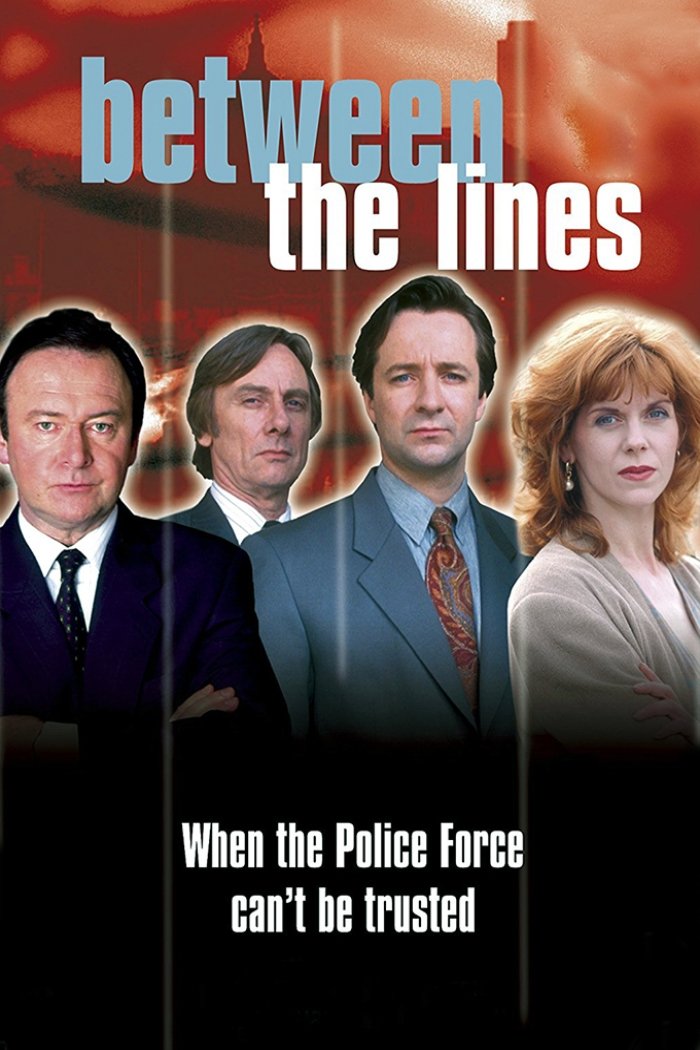
Against the genre’s own standards it stands high. Between the Lines did the anti-corruption unit in the 1990s and did it more soberly, and Prime Suspect had the interview room first, but neither made the paperwork itself the weapon. The reviews in 2012 were respectful rather than excited, and the show has since outgrown them.

Start at the beginning, with the five episodes of series 1, and do not skip ahead to the famous later runs; the interviews only bite if you have sat through the forms. Then stop wherever the whiteboards start to look silly. For us that was somewhere in series 5, though the interview rooms stayed good to the end.

Critical consensus AI synthesised

64
Positive
5
Mixed
0
Negative
2

Most critics take to Line of Duty at once. The praise gathers around Jed Mercurio’s writing, which they find taut and tightly plotted, and around its blunt account of a police force run on politics and cover-ups. Lennie James, as the compromised Tony Gates, is singled out more than anyone else, with Vicky McClure and Martin Compston noted for their quieter work alongside him. Reviewers returning to the first series years later think it has held up, and several say the opening episode’s twists still land hard.

The reservations are about pitch. Even the admirers concede the series can be heavy-handed or over the top, and that the AC-12 unit starts out dour. Two reviews go further: The Times feels it gives in to cliché by the end and asks viewers to trust a story it has not quite earned, and The Independent finds it hammy and clanging, if enjoyably so. The spread is wide, but the complaint is about excess, not the idea.

Radio Times
3 August 2020 · David Craig
80*

The critic finds the first episode a strong, shocking opener that has aged well, praising its unflinching look at police corruption and twists, while noting the AC-12 team feels dour initially.

Read the full review →
The AV Club
21 August 2012 · Sonia Saraiya
80*

The series is praised for its complex characters, institutional critique, and addictive narrative style that rewards close viewing, though it notes some over-the-top elements and a focus on atmospherics over strict realism.

Read the full review →
The Guardian
26 June 2012
80*

The first episode of Line of Duty is taut, tightly scripted and well acted, with strong twists and promising setup for a study of police corruption. Mercurio's writing excels on institutional frustrations, though the show may improve further as the series progresses.

Read the full review →
The Telegraph
27 June 2012 · Ceri Radford
70*

Line of Duty pulls no punches in its portrayal of a police force riddled with politics and cover-ups, anchored by Lennie James's charismatic performance as a morally ambiguous cop. The first episode feels somewhat heavy-handed but leaves the viewer eager to see what happens next.

Read the full review →
The Independent
12 July 2012 · Grace Dent
30*

I'm rather loving Line of Duty on BBC2. All in all, Line of Duty is a bit hammy and a bit clangy, but, as summer continues to pour down outside, it's the perfect miserable indoor accompaniment to all that dealing with trench-foot, cancelling a barbecue and ringing the insurance about flood damage.

Read the full review →
The Times
25 July 2012 · Andrew Billen
30*

Jed Mercurio’s drama about police corruption did succumb to some clichés in the end but a second series is most wanted. The series was about breakdowns in trust, in marriages, between colleagues, in institutions, but for it to work fully, we needed to trust the story.

Read the full review →

Cast

If you liked this, try…

Between the Lines poster

Between the Lines

1992 · The anti-corruption unit two decades earlier, soberer, and just as good on office politics.

The Shield poster

The Shield

2002 · Los Angeles cops going bad in the open, with a Gates for every season.

Spiral poster

Spiral

2005 · Paris police and prosecutors cutting corners; the paperwork is French and just as lethal.

Happy Valley poster

Happy Valley

2014 · Sarah Lancashire’s sergeant against a small town’s worst; the same grey light, warmer people.

Bodyguard poster

Bodyguard

2018 · Mercurio without the interview rooms, and with a train, a bomb and Richard Madden.