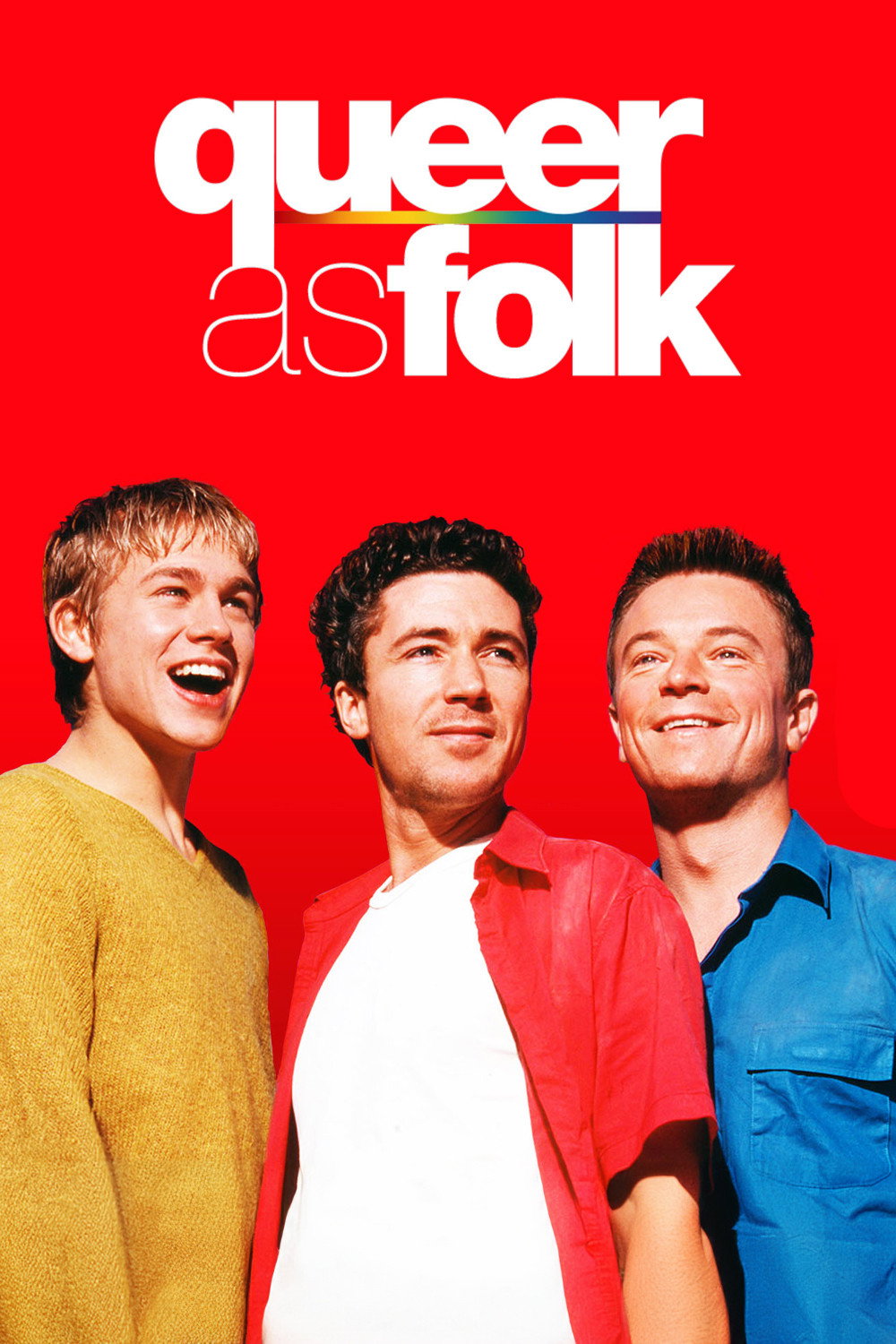
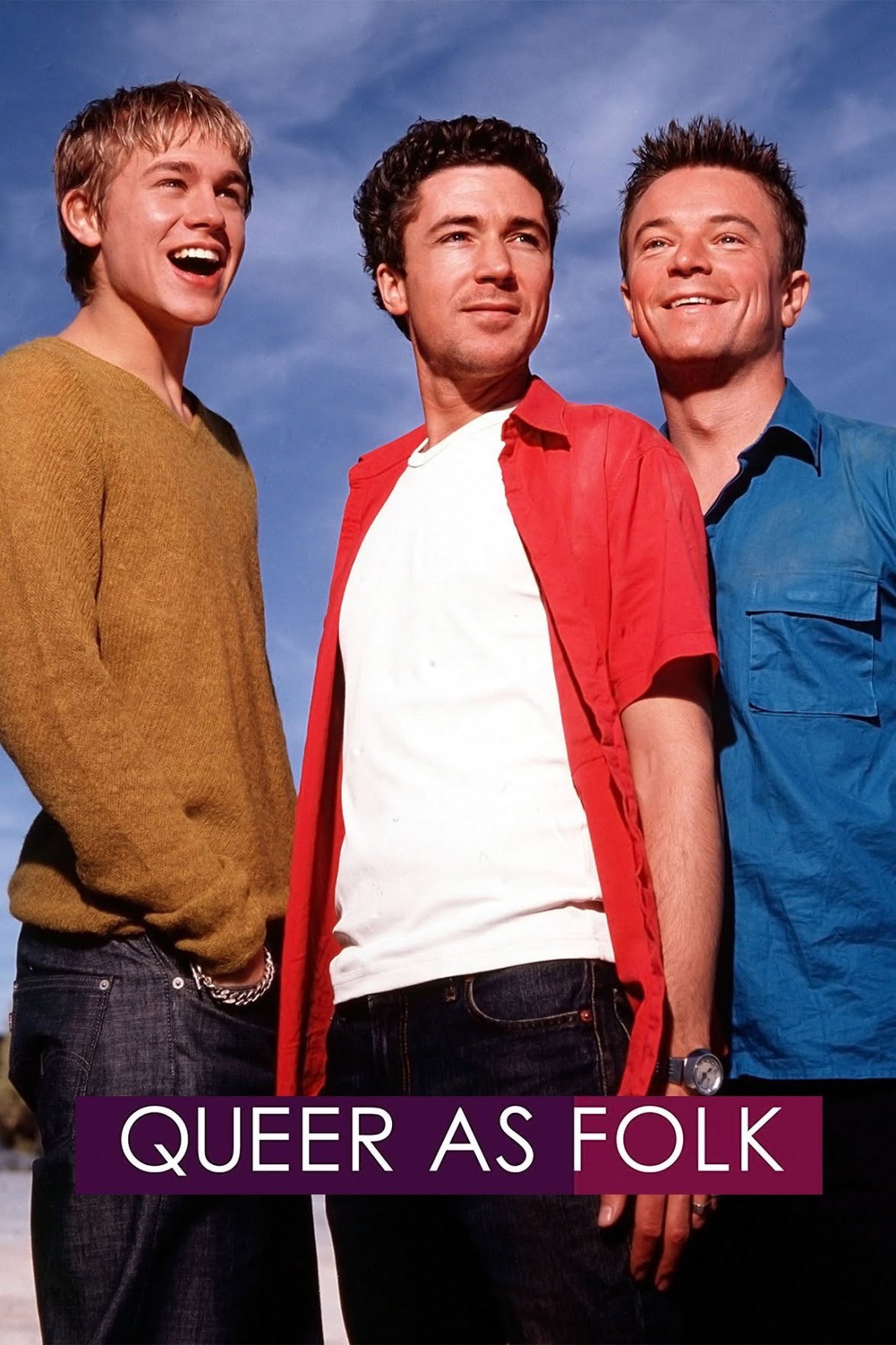
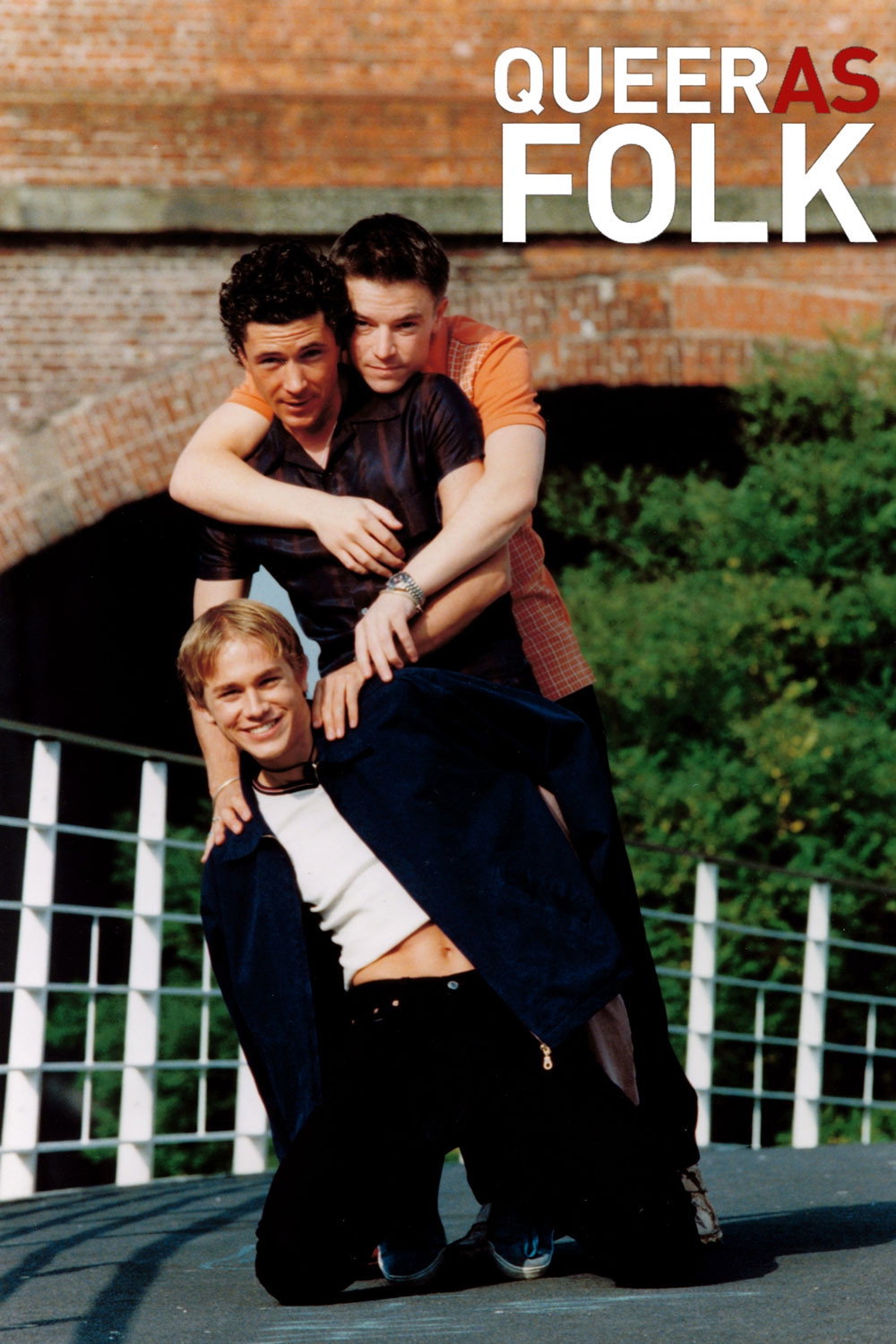
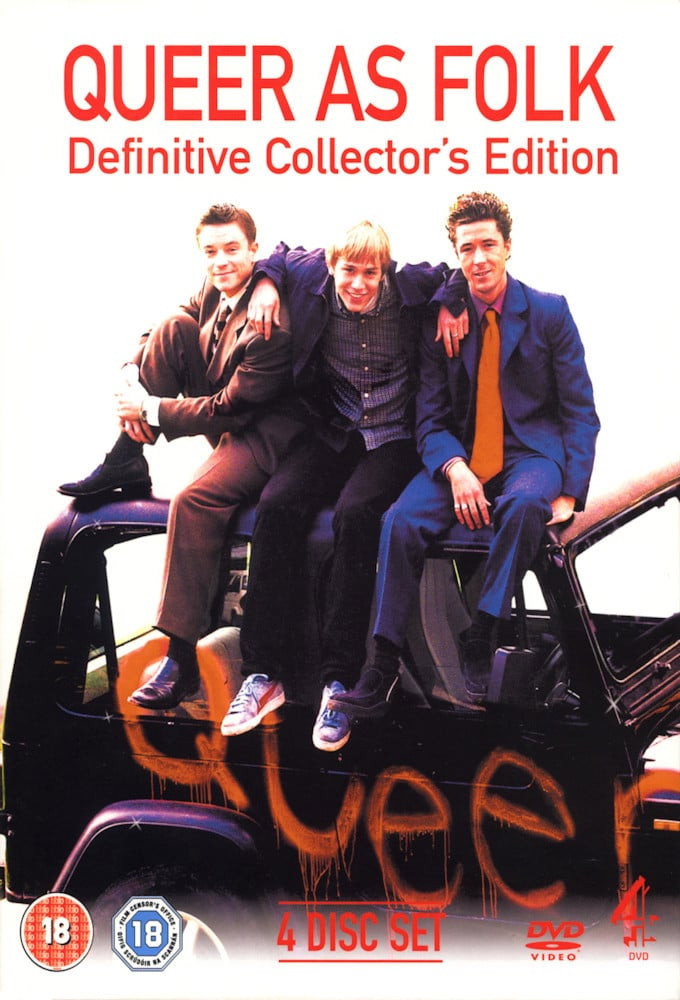
Russell T Davies’s Manchester drama is quick, filthy and properly funny, and it treats its three leads as people rather than as a cause. It is careless with some of the damage they do, and a two-episode second series finishes in a hurry.
Russell T Davies wrote all ten episodes of Queer as Folk, eight half-hours first shown from 23 February 1999 and two more the following February, and his idea was simple. Gay life in Manchester would not be an issue, a tragedy or a lesson. It would be a Friday night, with the people who have it, want it, regret it and do it again the next week. That the idea now sounds ordinary is partly the series’ doing. It is a very good piece of television and a slightly heartless one, and the two things are connected.
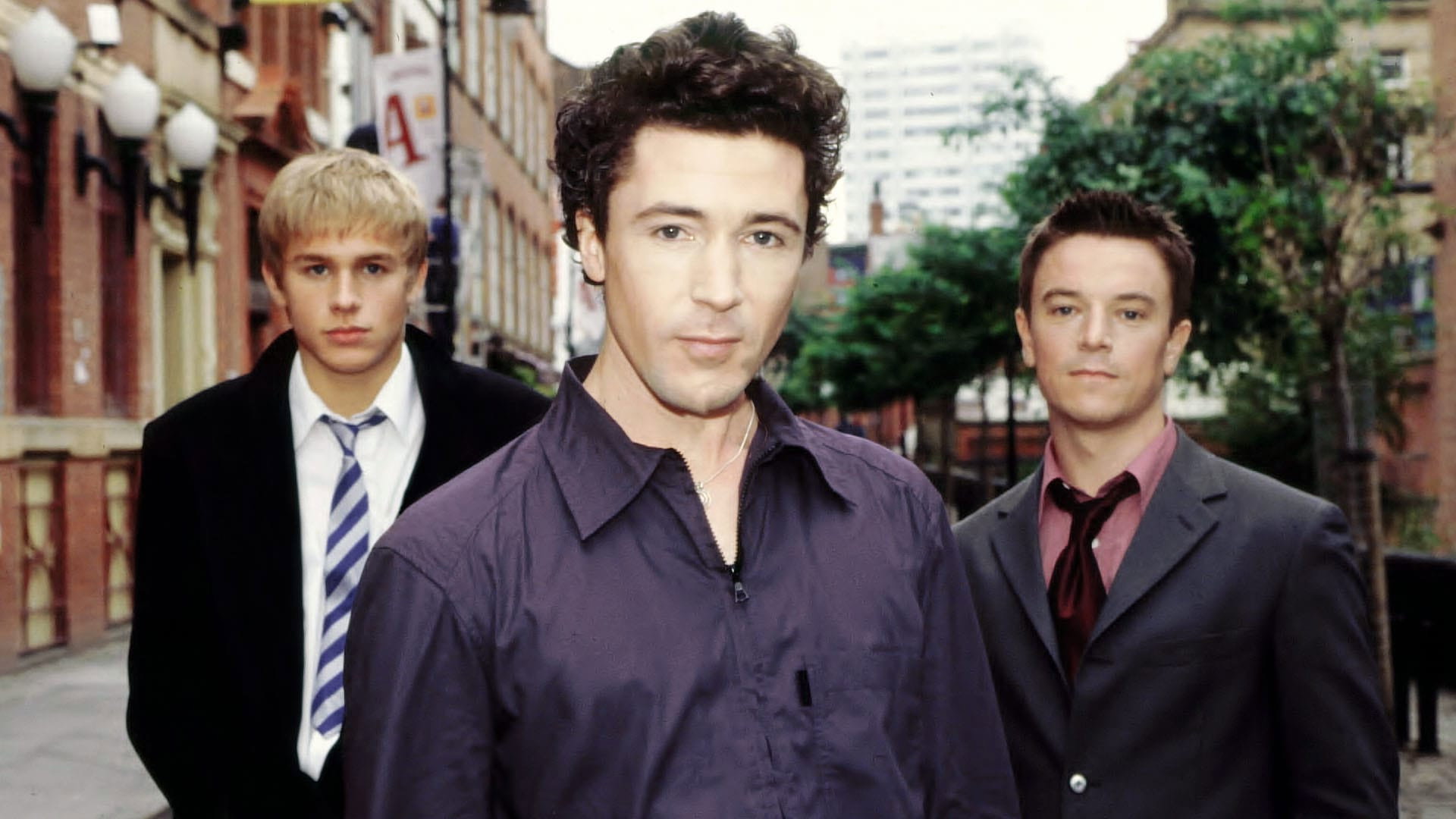
The first episode does more in 32 minutes than most dramas manage in a series. Stuart Jones (Aidan Gillen) takes Nathan Maloney (Charlie Hunnam), years too young for him, home from a bar, gets a phone call, and drives to a hospital where Romey Sullivan (Esther Hall) is having his baby, with Nathan still in the passenger seat. Vince Tyler (Craig Kelly) has, as usual, gone home alone. Gillen plays Stuart as a man who has never once been refused and finds the idea faintly amusing. He is charming in the way that a lit cigarette is warm, and Gillen never asks us to forgive him, which is why we keep watching.
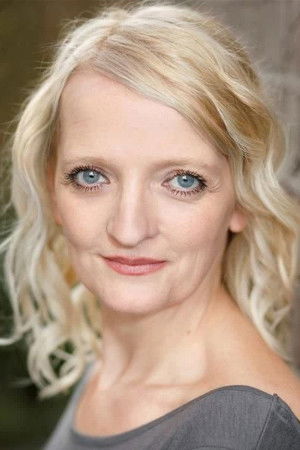
Kelly’s Vince is the series’ conscience and its running joke. He is kind, funny, slightly cowardly and hopelessly in love with the wrong man. Denise Black gives Hazel, his mother, the best lines in the thing and delivers them from the kitchen with a fag on. There is a scene between the two of them, late in the first series, that we will not describe except to say it moved us more than a programme this quick had any right to. It is one mother saying one true thing to one son, and the camera does not move. We had been laughing thirty seconds earlier. We were not laughing then.
Nigel Walters and Alasdair Walker shoot the bars in hard reds and blues and the streets wet and orange under the lamps, with the camera moving almost constantly, so that a night out has the same rhythm as the cutting. Jeff Tessler and Claire Kenny give Stuart a flat of glass, steel and empty floor, and Hazel a house where every surface has a mug on it, and you understand both men before either speaks. Murray Gold’s score is mostly pulse, sitting under pop records, and it knows when to stop. Charles McDougall, Sarah Harding and Menhaj Huda direct with the same brisk hand; nobody lingers.
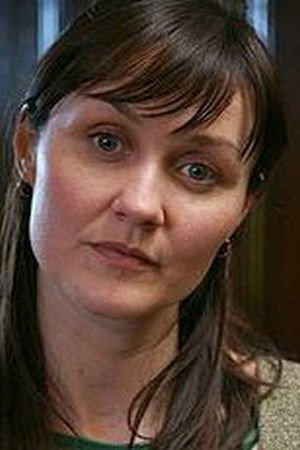
The trouble is what the series does with its own nerve. Nathan is far too young for Stuart, and Davies knows it is a problem, says so through Janice and through Nathan’s friend Donna (Carla Henry), and then lets Stuart shrug it off, and lets the series shrug with him. Stuart hurts people in nearly every episode and it very rarely costs him anything, and by the sixth we found ourselves wanting the script to make him pay for something, anything. Alexander Perry (Antony Cotton) and the rest of the circle are a chorus, there to react, and Bernard’s scenes with Hazel are better than his scenes with anyone else. Stuart’s crowd exists to be seen with him, which is true to life and thin as drama.
The second series is two episodes, and it shows. Storylines that needed a run at them are settled in a scene, and the ending is a flourish rather than a finish. It is a good flourish. We will say no more than that.
Against British television of 1999 this was a cold shower, and it still moves faster than most of what is made now. Against Davies’s own later work it is the loud younger brother: It’s a Sin (2021) covers some of the same streets with far more care for the people who did not make it home. Watch this one first, ideally in a couple of sittings, because it was built for a Friday night and it behaves like one. It carries an 18 and earns it inside the first ten minutes.