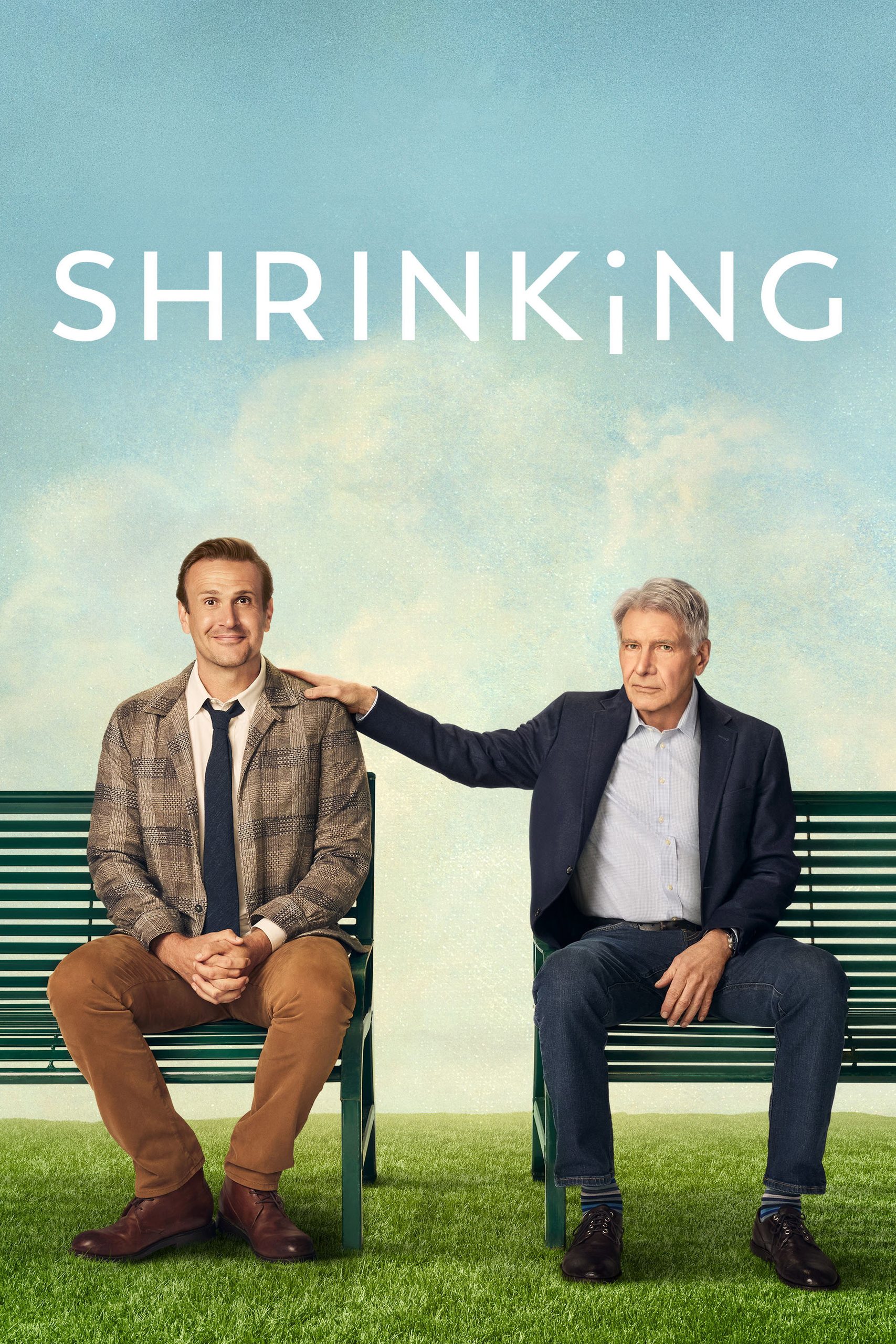
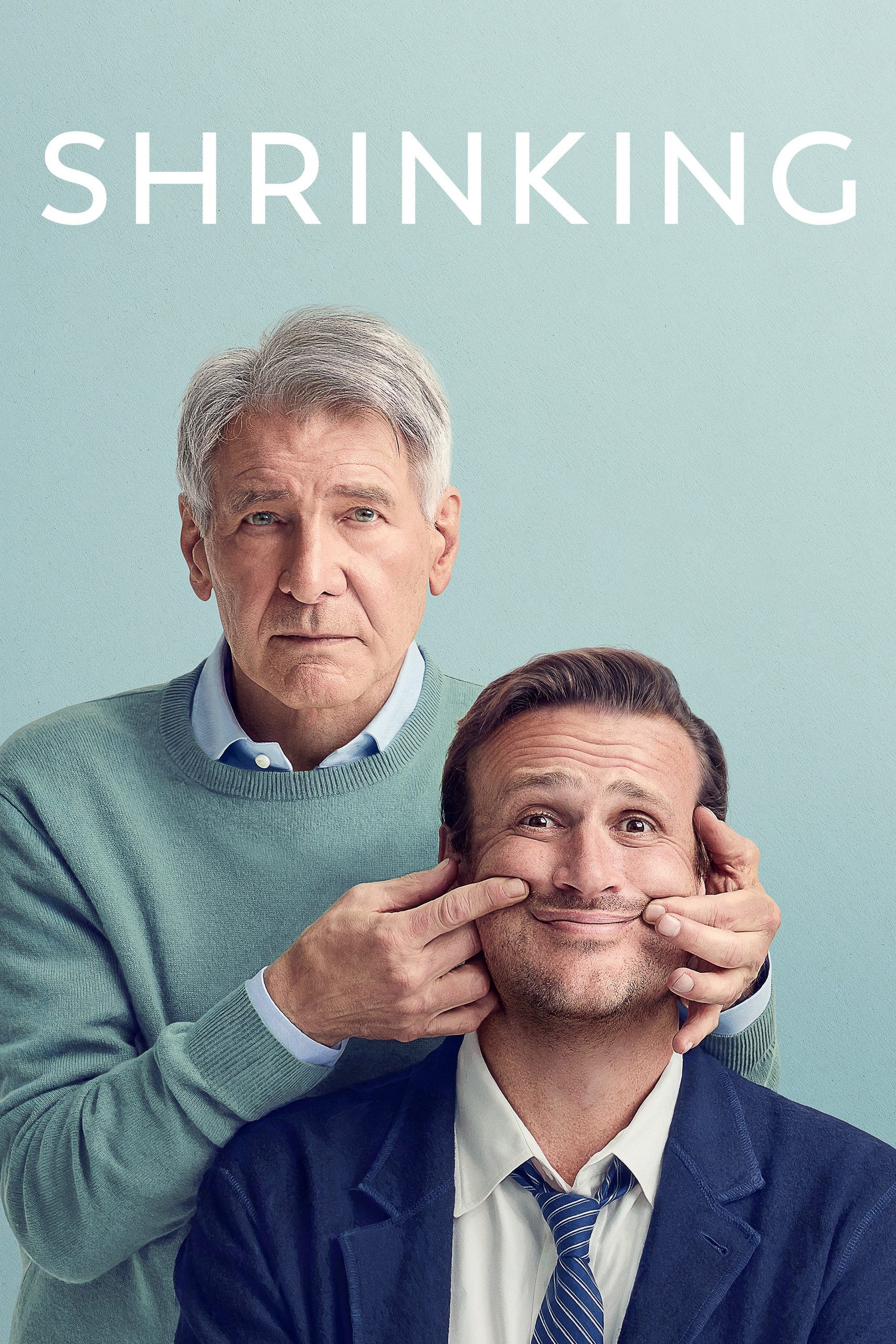
Harrison Ford’s dry comedy makes Shrinking worth trying, despite its hurried treatment of grief. Jason Segel brings vulnerability to a therapist whose broken boundaries deserve more scrutiny than the writing allows.
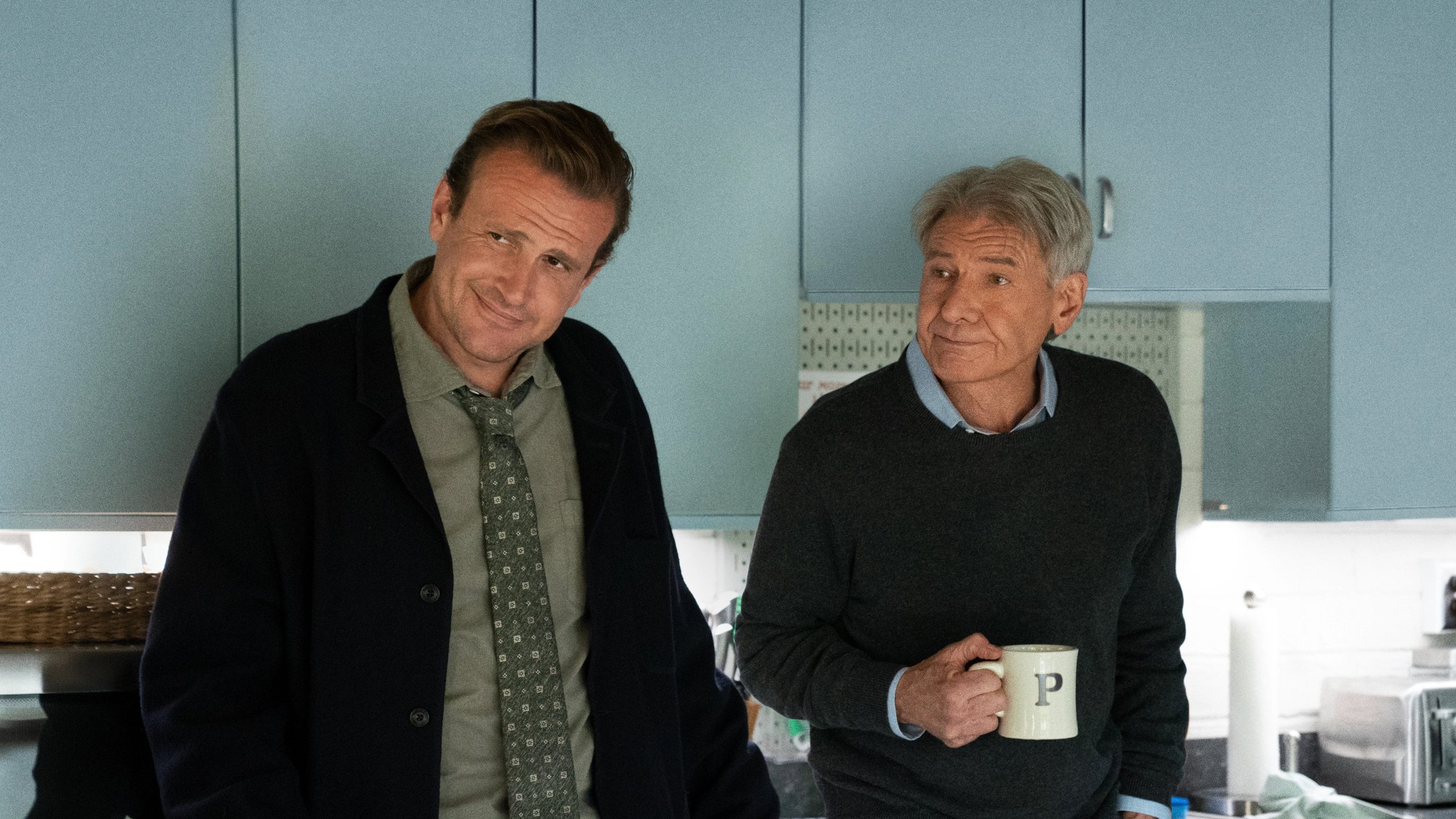
Created by Jason Segel, Brett Goldstein and Bill Lawrence, Shrinking follows a grieving therapist who begins breaking professional rules. It is an uneven comedy with enough good acting to make it worth trying, provided the appeal is spending time with these people. The more seriously it asks us to take Jimmy’s methods, the less persuasive it becomes. There is a worthwhile question here about what happens when the person offering help badly needs it himself, but the programme keeps interrupting that question to make everybody likeable.
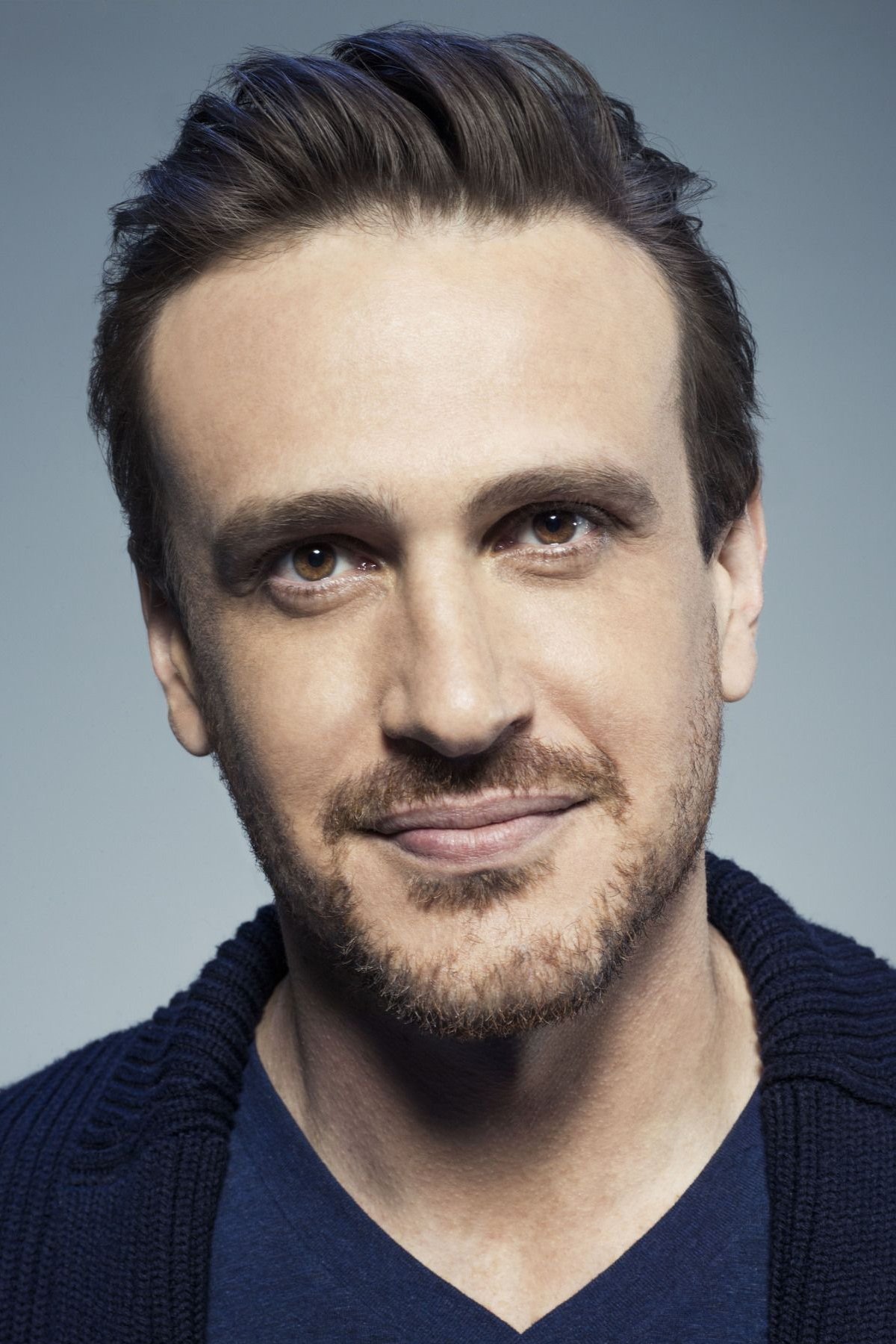
Jason Segel gives Jimmy a vulnerability that explains why people might persist with him through some exhausting behaviour. His impatience can be funny, and the performance allows grief to make him awkward rather than nobly sad. The writing is less reliable when it treats his disregard for boundaries as an invigorating alternative to doing the job properly. A patient’s response needs to count for more than evidence that Jimmy might be onto something, and the programme does not consistently give that response enough weight.
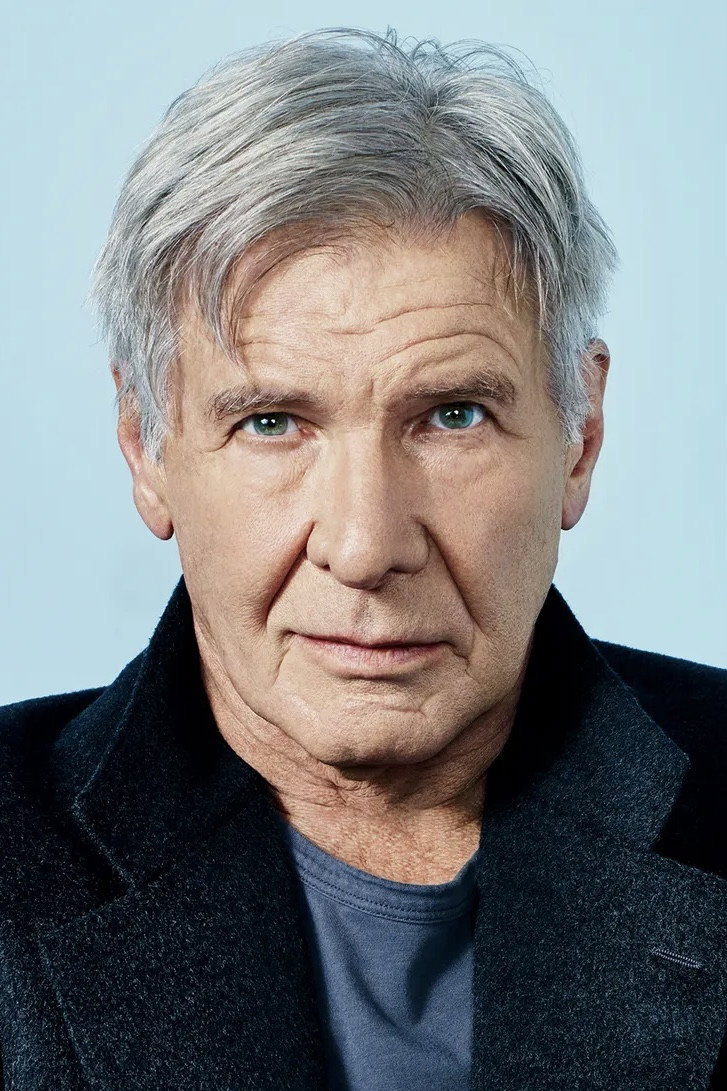
Harrison Ford, as Dr. Paul Rhodes, supplies the resistance this needs. We laughed at his grumpy responses because he lets the impatience stand without immediately begging us to find it endearing. There is enough hurt in the performance to make the bad temper understandable, and he does not let that hurt spoil the joke. Jessica Williams gives Gaby an ease that makes the ensemble pleasant company. Those performances make the ordinary business of listening to people talk considerably more enjoyable than the premise might suggest.
Jim Frohna and John Brawley’s cinematography and Cabot McMullen’s production design keep the programme looking welcoming. The approach suits a comedy that wants these people to become familiar company, and it makes the ensemble scenes easy to settle into. It is less helpful when Jimmy’s behaviour needs to disturb us. Little in the presentation unsettles that comfortable mood, so the performances have to supply most of the grief and anger.
The editing team of James Renfroe, Sarah Lucky, Missy Hernandez, Peggy Tachdjian and Katie Abel is least persuasive in the emotional montages. Those passages encourage us to accept that something has been felt and settled before the writing has done enough to convince us. Tom Howe’s music supports the tenderness, but the cumulative effect is too insistent. A quieter stretch, with less encouragement to feel reassured, would give the performances more room and the difficulties more weight.
A comedy about therapy need not become a lesson in professional conduct. Breaking the rules can be a sound dramatic choice, especially when the person doing it is both capable of kindness and difficult to endure. But the reactions around him have to feel believable, and Shrinking too often rushes past the awkwardness towards a friendly understanding. That makes its darker moments feel temporary, as though a sufficiently agreeable conversation will soon clear them away.
The unevenness matters because the cast can handle more than the writing regularly asks of them. There are laughs here, and performances that make the unhappiness credible; an episode can be pleasant company without solving anybody’s problems. We would give it a chance for Harrison Ford, with the caveat that the programme’s eagerness to soothe is persistent. Anyone hoping for a searching account of what a therapist owes a patient should lower those expectations.