Series review

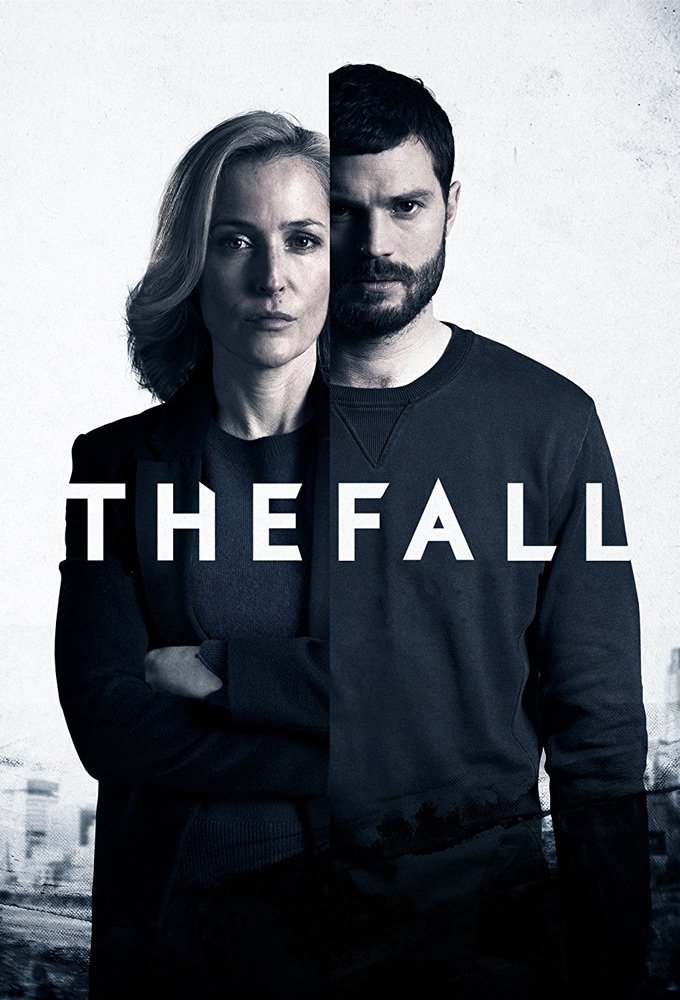
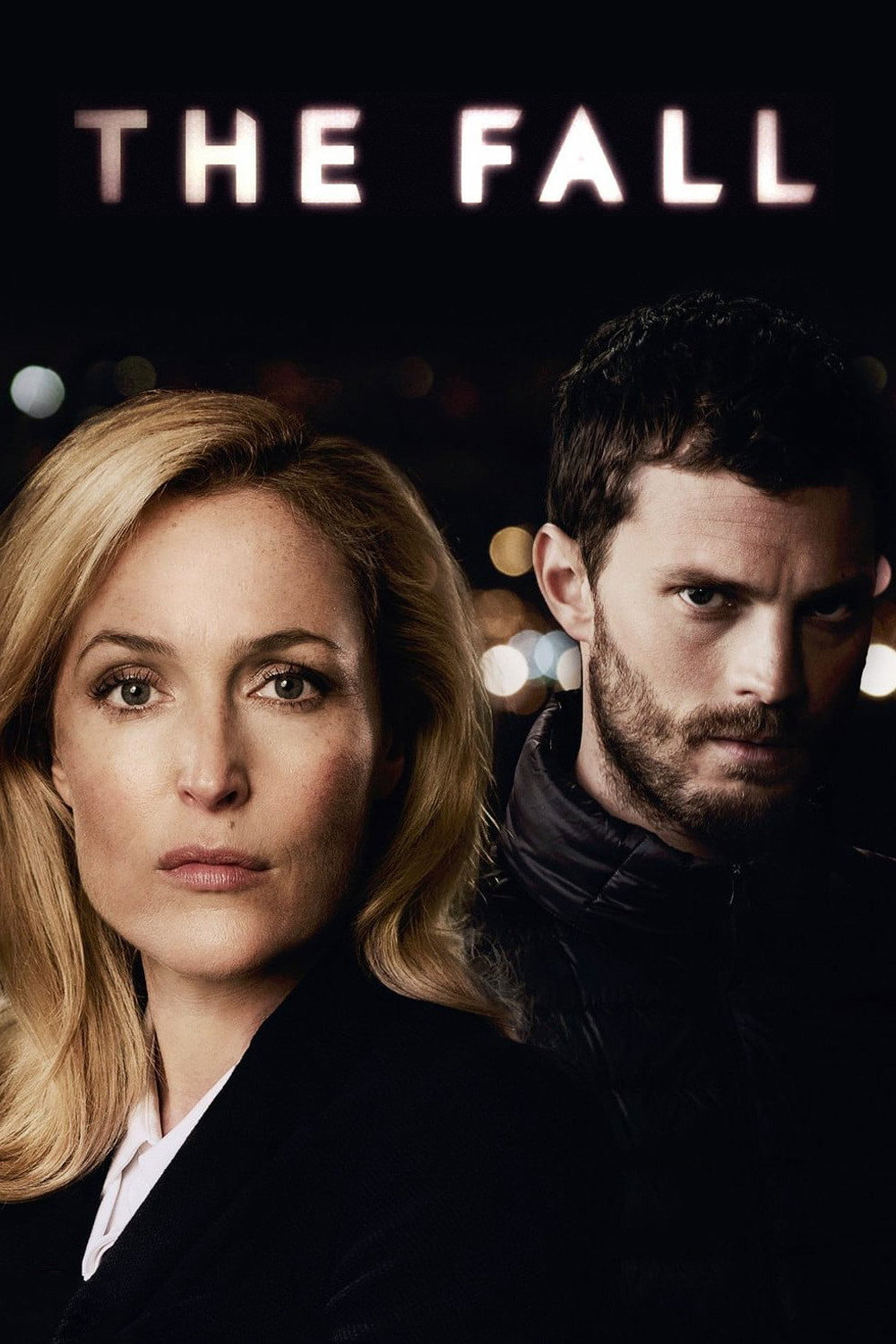
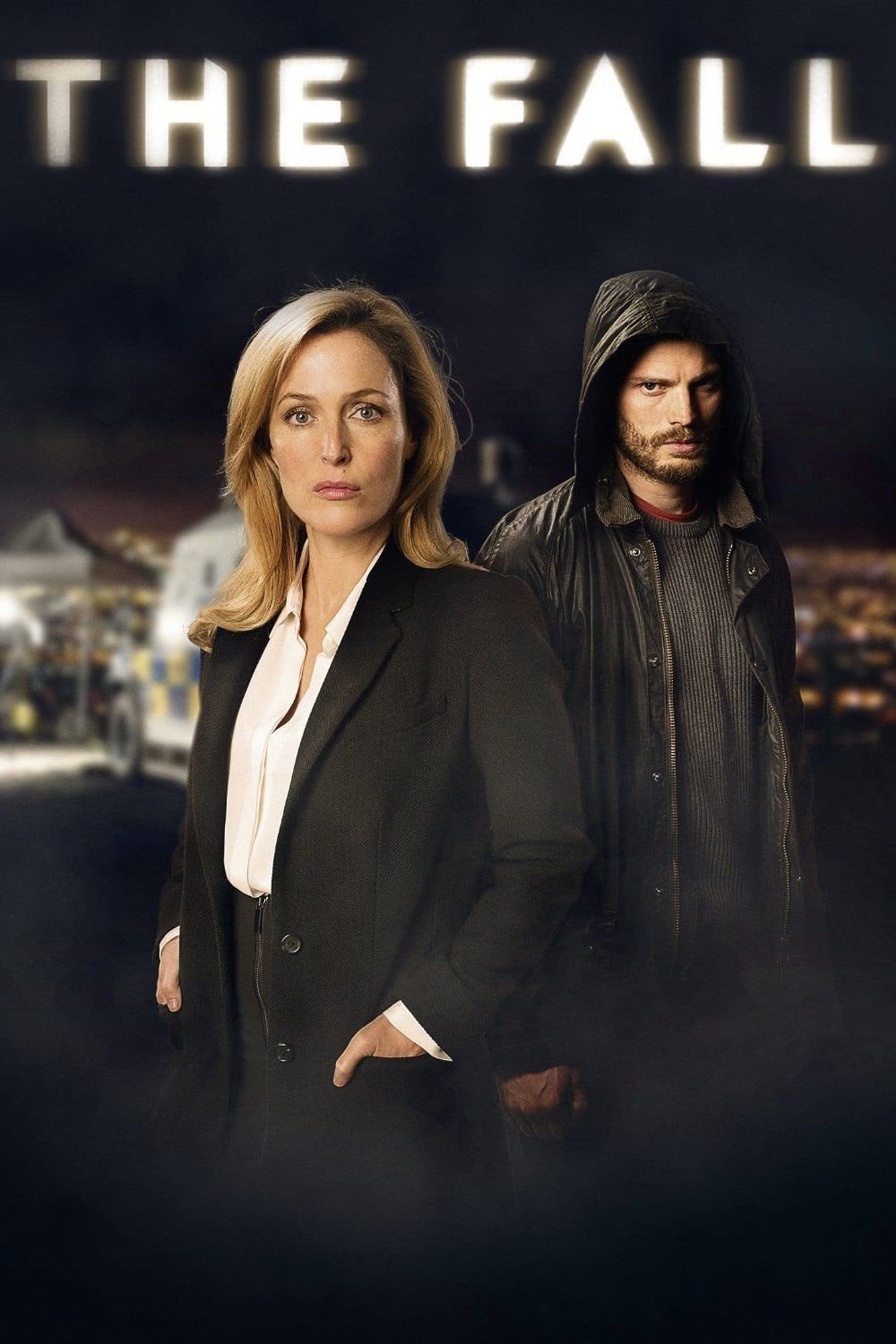
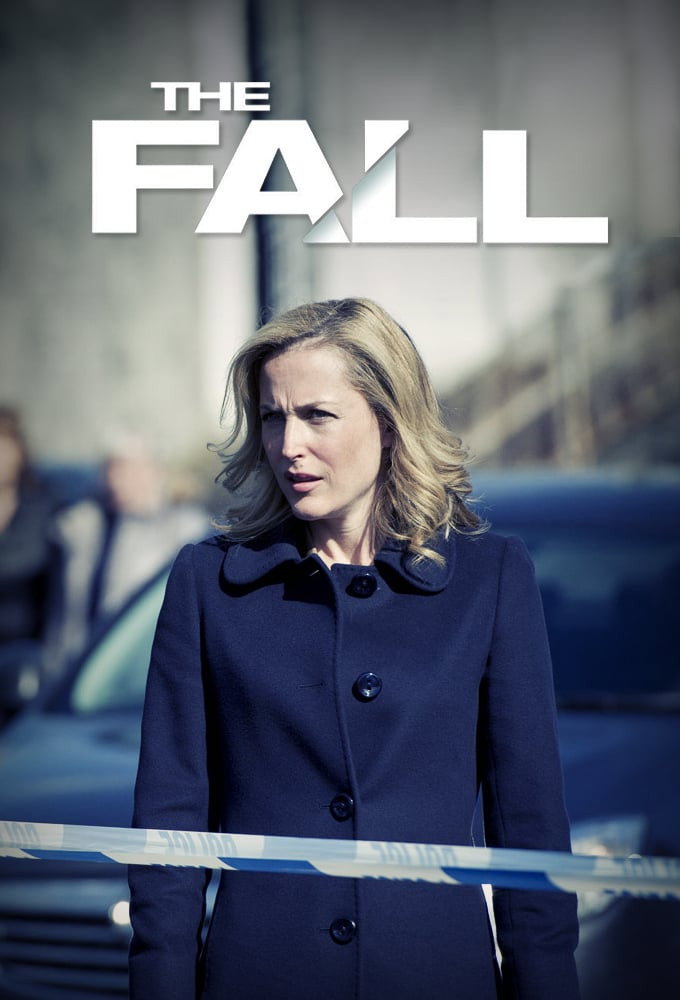
The Fall

2013 · Created by Allan Cubitt · Series · 57m · MPA TV-MA

In a sentenceShe drinks whisky alone in a silk blouse; he tucks his daughter in and goes out to kill; Belfast sleeps through it

DramaCrime

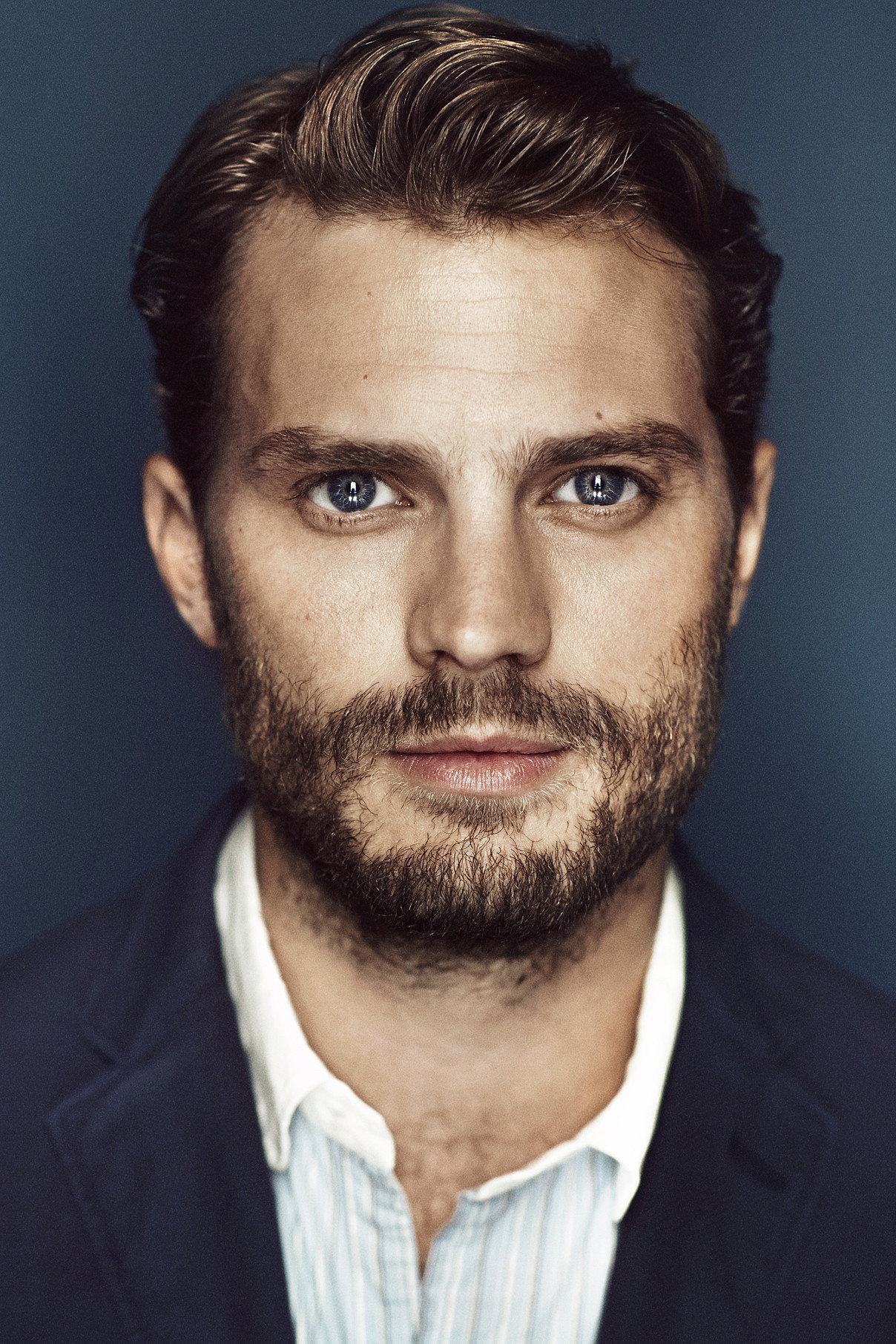
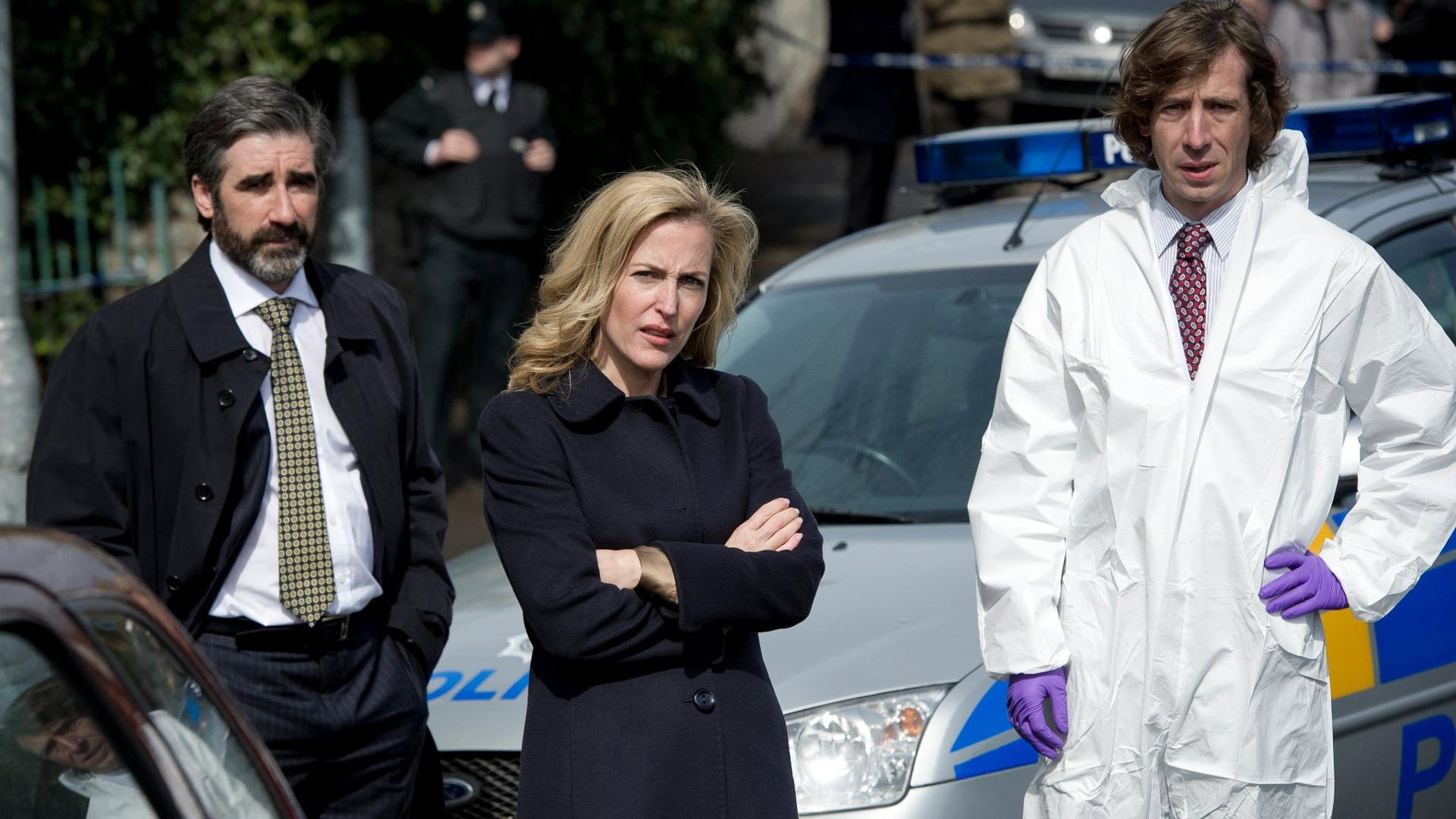
Belfast. Stella Gibson (Gillian Anderson) arrives from the Metropolitan Police to review a murder inquiry that has stalled, at the request of Jim Burns (John Lynch), a man she knows from before. Across the city Paul Spector (Jamie Dornan) reads his children a bedtime story, leaves his wife Sally Ann (Bronagh Waugh) at home and drives out to break into the house of a woman he has been watching. Gibson reads the files, decides the police have missed a pattern linking the dead women, and pulls Dani Ferrington (Niamh McGrady) onto her team. Spector, meanwhile, goes back to the house.

Plays from YouTube when you press play; nothing loads from them until then.

Fi1m review

Allan Cubitt’s Belfast thriller gives detective and killer equal time, and Gillian Anderson and Jamie Dornan make the split work. It is cold and often frightening; it also lingers on dead women too long, and runs two series past its best.

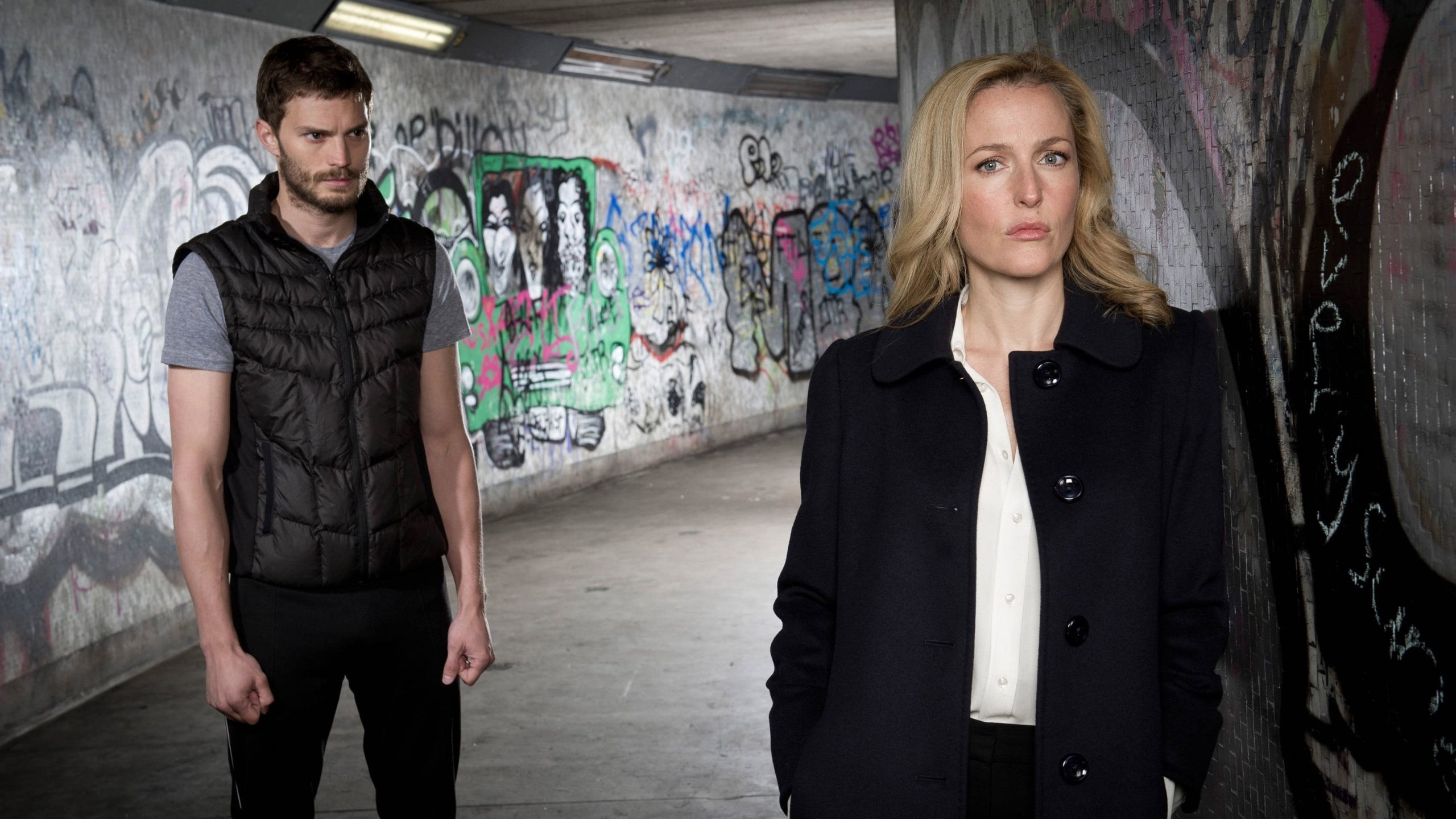
Allan Cubitt’s idea is to split the hour down the middle. Stella Gibson (Gillian Anderson) flies into Belfast from the Metropolitan Police to review a murder inquiry that has gone nowhere. Paul Spector (Jamie Dornan) has a wife, Sally Ann (Bronagh Waugh), children and a notebook of women he has chosen. We know who the killer is before the police know there is one. Each episode is 57 minutes, and roughly half of every one belongs to him.

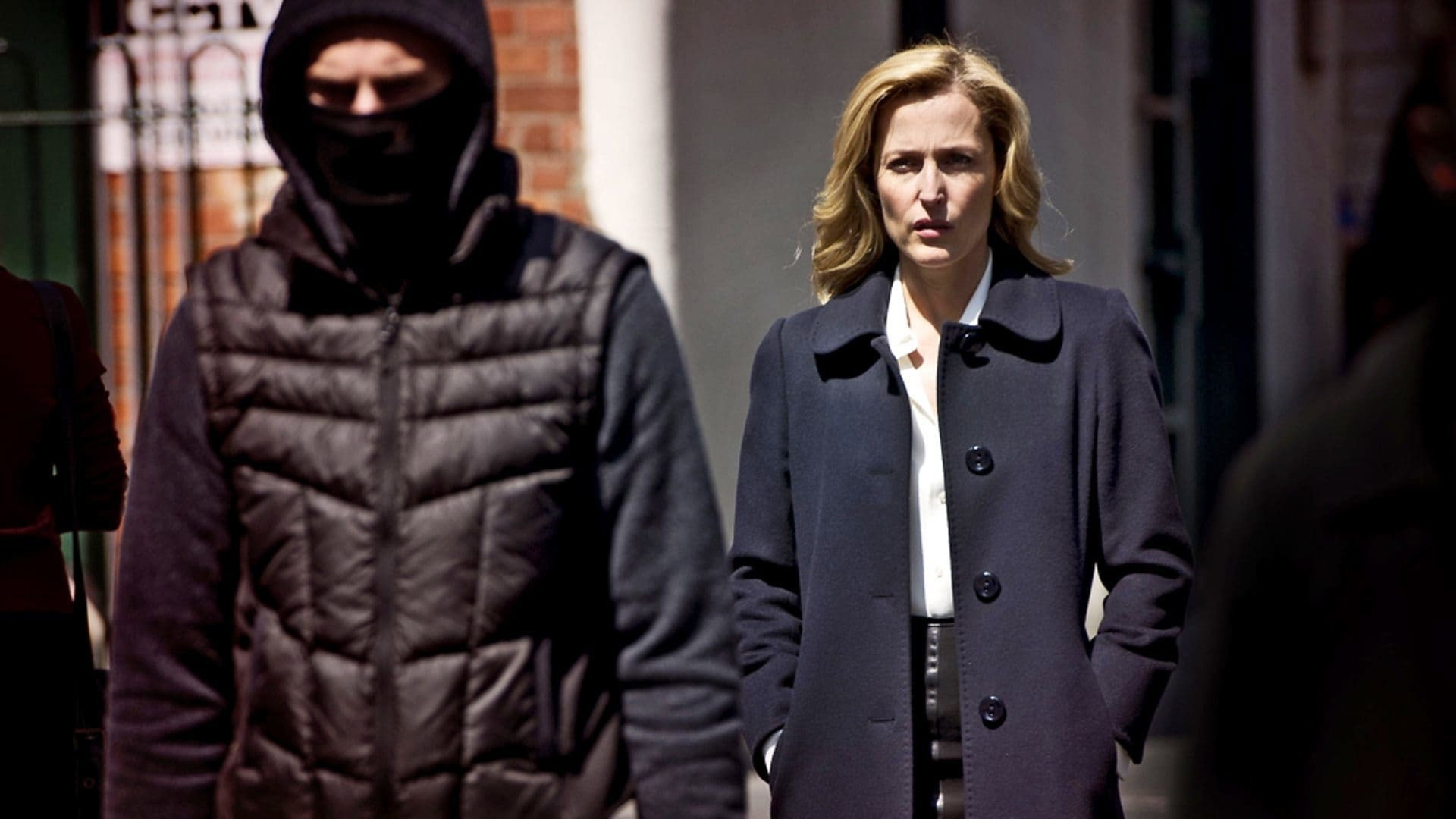
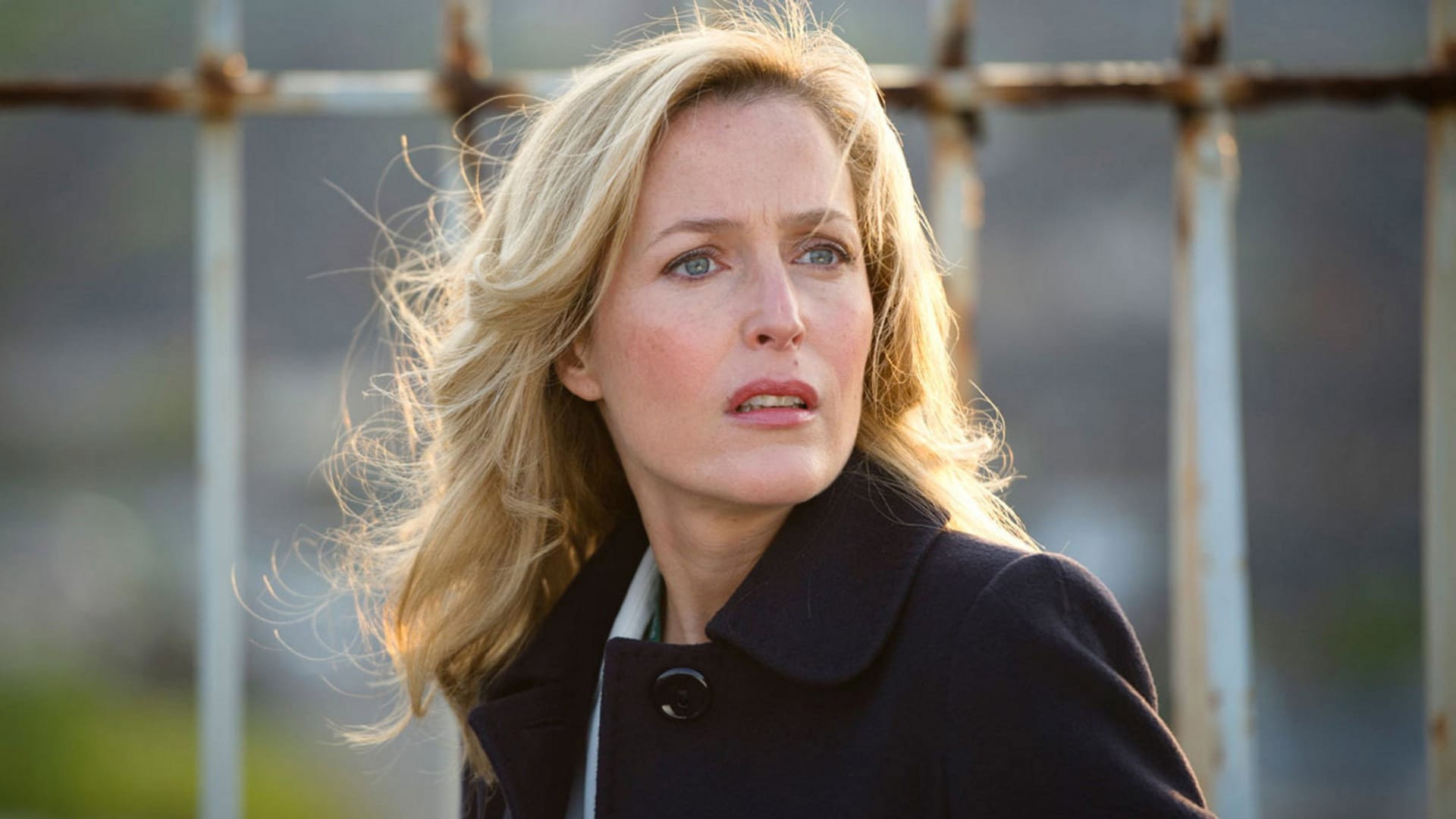
Anderson is the reason to watch. She plays Gibson slowly: she rarely raises her voice, sits still in meetings full of men who do not, and says what she means in complete sentences. Eimer Ní Mhaoldomhnaigh and Maggie Donnelly put her in pale silk blouses that look wrong in a Belfast incident room and are meant to. The scene in the first series in which she picks up a detective for the night, is later asked to account for it, and declines, told us more about the character than any speech about profiling could.

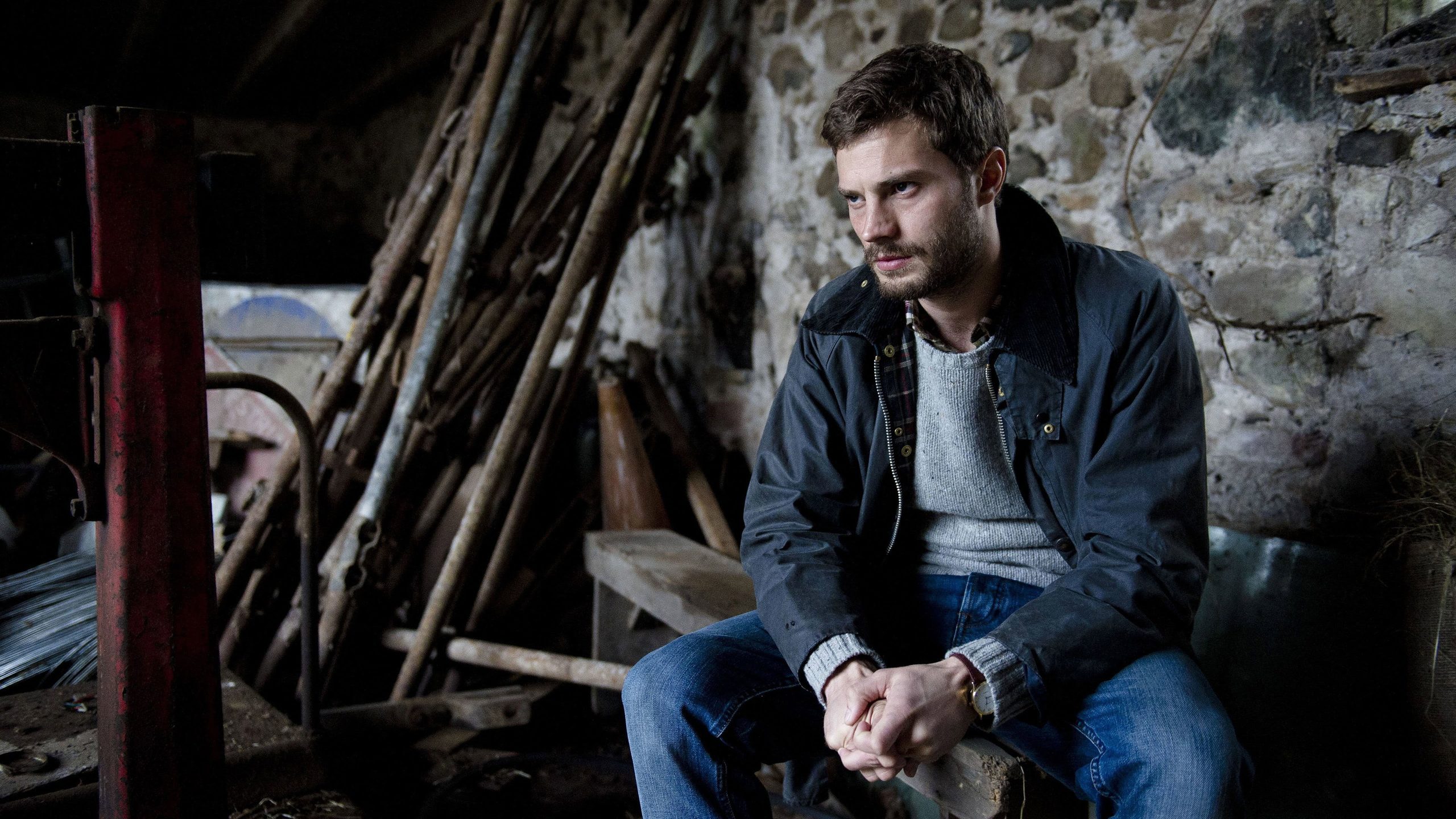
Dornan is more limited and used well. Spector is handsome, quiet and dull, and the programme understands that the dullness is the point: he reads bedtime stories, argues about the washing-up, goes to work, and none of it is a mask. Ruairí O’Brien and David Grennan shoot both leads in the same cool blue-grey light, hotel room and family kitchen alike, and Steve Singleton cuts between them so often that after a while we stopped noticing whose evening we were in. That is what Cubitt wants, and it is the best thing here.

It is also where our trouble started. In the first episode Spector lets himself into a woman’s house while she is out, goes through her drawers and lays her underwear out on the bed. We were horrified, and the horror was earned: the sound is his breathing and the small noises of a house that is not his. Then the programme kept doing it. Bodies are washed, posed and photographed slowly from above; the camera goes back to them, and we began to feel we were being asked to admire the arrangement rather than fear the man who made it. Most critics have forgiven this on the grounds that the series is about how men look at women. Showing something at length is not the same as criticising it.

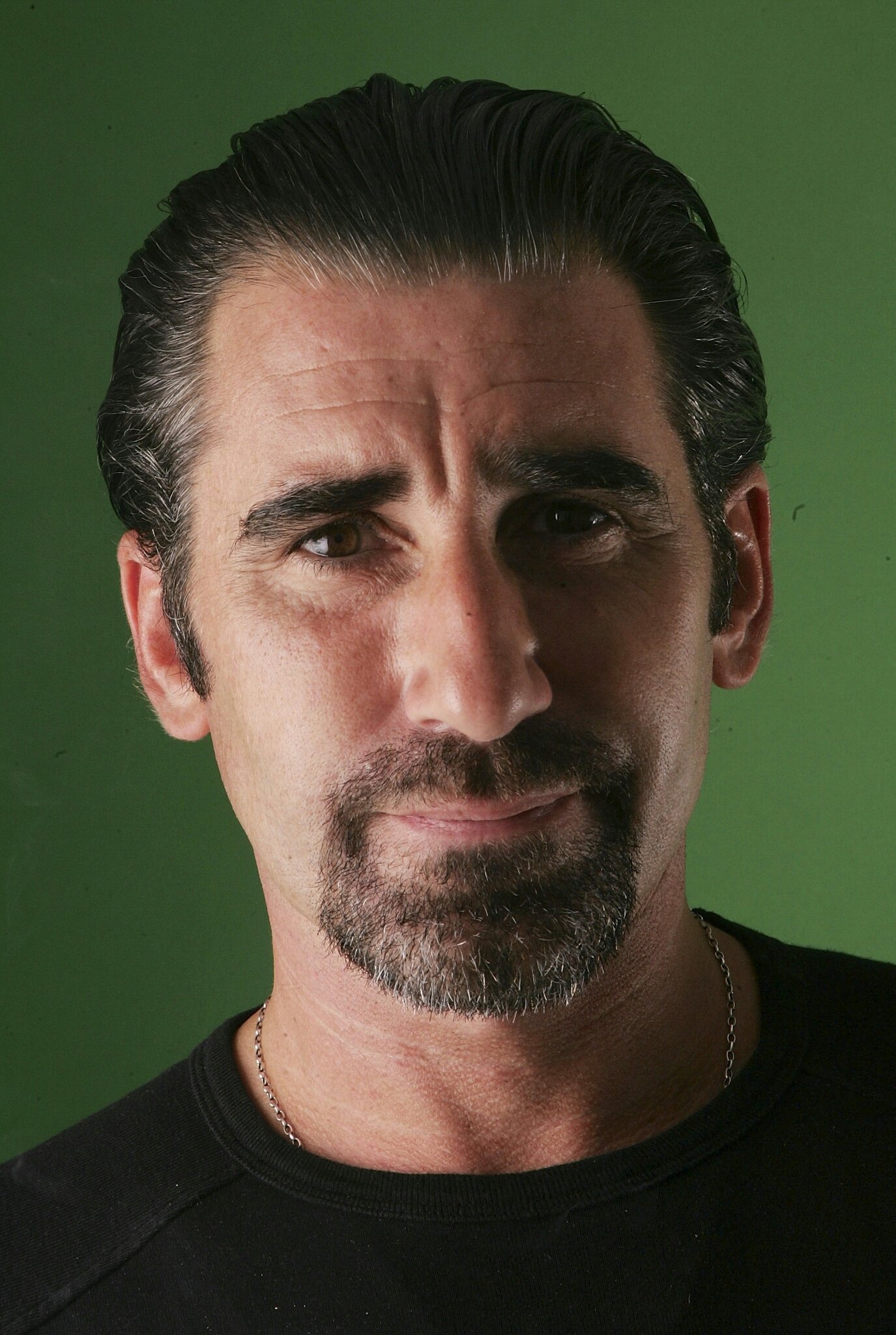
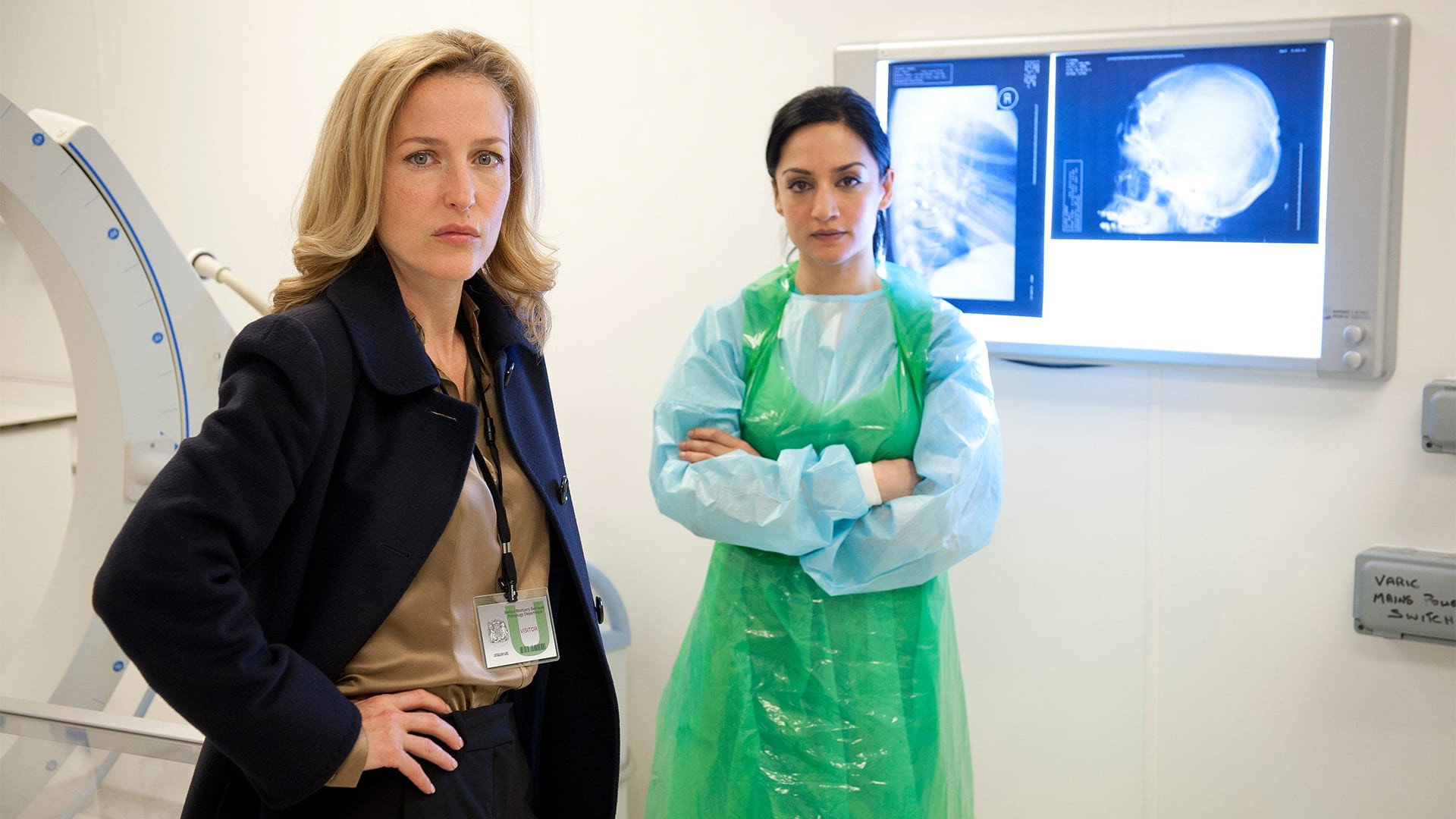
The supporting cast is strong and under-used. John Lynch’s Jim Burns, the senior officer with a history with Gibson, gets the programme’s one honest conversation about what the case is costing. Niamh McGrady’s Dani Ferrington, whom Gibson pulls onto her team, is the person we would have followed into a programme of her own. Archie Panjabi’s Tanya Reed Smith is given a handful of scenes and little else. Gillian Devenney and Tom McCullagh make the Spector house ordinary, cluttered and laminate-floored, and the police station a grey box, which is right.

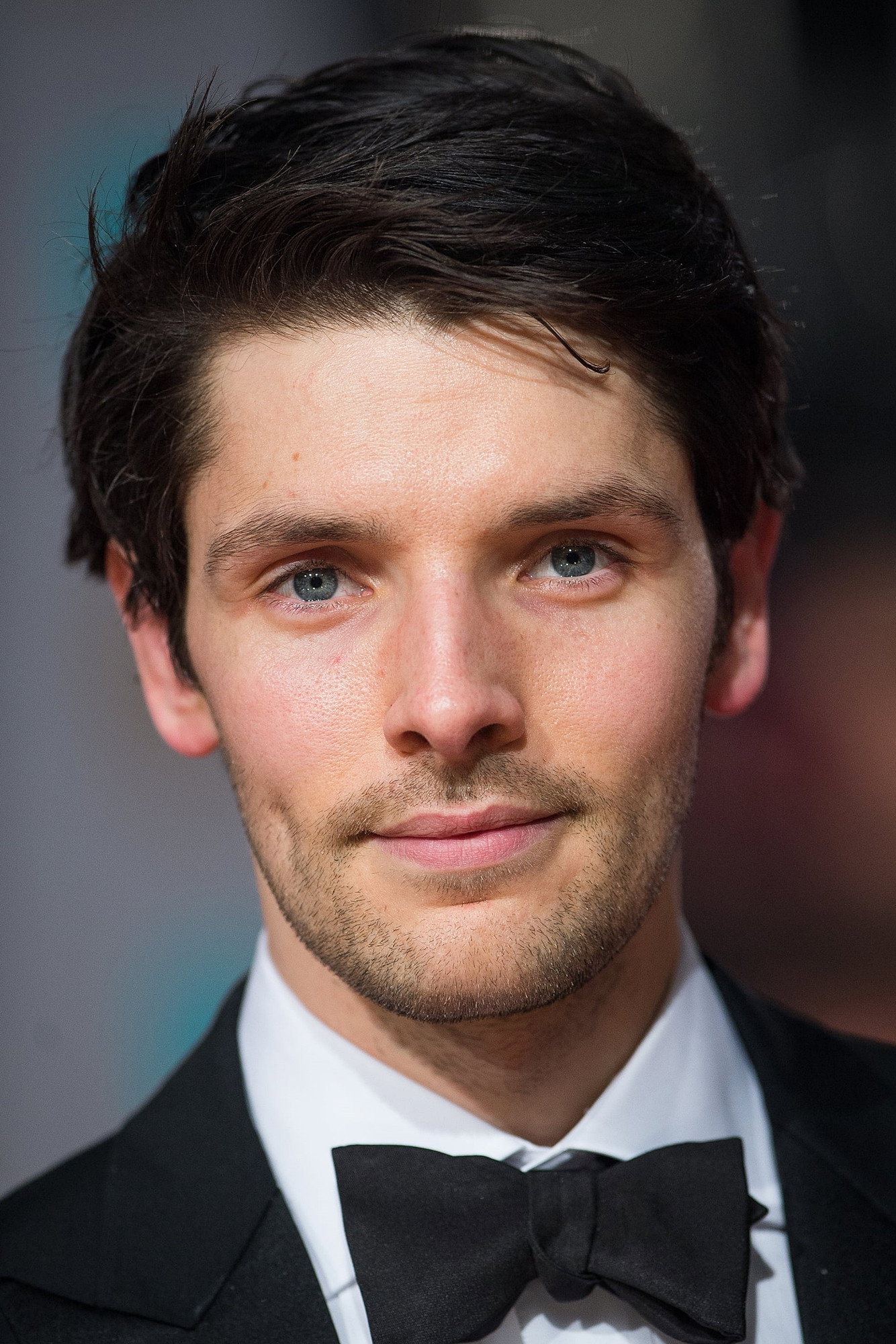
Then there are the second and third series. The first, five episodes from 12 May 2013, ends on a real question. The second, from November 2014, answers it with six episodes that are slower and more interested in Spector’s psychology than in whether anyone will stop him; Colin Morgan arrives as Tom Anderson, a detective who seems to have been hired chiefly to give Gibson someone to look at. The third, from September 2016, we will not describe except to say it tests the patience of anyone who came for a police procedural. Cubitt, who shares the directing with Jakob Verbruggen, plainly could not let Spector go. We could, some time before he did.

Watch the first series in the dark, on consecutive nights. It is an 18 certificate and means it. If Anderson has you by the end of the fifth episode, carry on with your eyes open; if the camera’s interest in the bodies has already made you uneasy, that unease does not go away.
Critical consensus AI synthesised

74
Positive
8
Mixed
0
Negative
1

Most critics take to The Fall, and the praise gathers around two things: the decision to give the killer as much screen time as the detective, and the two leads who carry it. Gillian Anderson and Jamie Dornan are named in nearly every review, usually for how much they manage to say while doing almost nothing. The Guardian rates it among the strongest BBC dramas in years for its interest in the ordinariness of murder, and The Independent is gripped by the way the series mirrors cop and killer until the kinship becomes uncomfortable.

The reservations are about pace and padding. The AV Club finds it slow and weighed down by secondary plots it does not need, and The Telegraph thinks the killer is too styled, more poster than person. Otherwise the spread is narrow, with one dissent: Den of Geek argues the series adds nothing to the serial-killer genre and that Anderson is the only thing holding up thin writing.

The Guardian
11 May 2013
90*

The critic praises the series as one of the best BBC dramas in years for its original approach of devoting equal time to the hunter and the hunted in a psychological thriller. They single out the gripping exploration of the banality of evil and everyday murder details as particularly brilliant.

Read the full review →
The Times
11 June 2013 · Alex Hardy
90*

The critic calls the finale brave, different and often delicate, commending the whole-life approach to the effects of killing and the strong performances. They single out the scorching visuals, metallic soundtrack and the leads' ability to communicate in stillness as praiseworthy.

Read the full review →
IndieWire
15 January 2015 · Matt Brennan
80*

The critic finds the series stronger and darker upon its Netflix return with season two. They highlight its compelling character work and tension as standout elements.

Read the full review →
The AV Club
28 May 2013 · Ryan McGee
75*

The critic finds the series a slow-paced but rewarding psychological study of duality and violence against women, excelling in exploring characters' inner fears but faltering with unnecessary secondary plots.

Read the full review →
Empire
21 June 2013 · William Thomas
70*

The critic praises this classy Belfast-set BBC thriller for squeezing stylish nastiness and smart character work reminiscent of The Killing and Borgen into five taut episodes. The terrific performances by Jamie Dornan and Gillian Anderson as killer and cop largely succeed while leaving threads for a second season.

Read the full review →
The Independent
4 June 2013
70*

The critic highlights how the series paints an alarmingly intimate portrait of the killer, noting the kinship between detective and murderer and the unsettling ambivalence in his character. They single out scenes of mirroring between the two leads and the fresh insights into control and abuse as gripping elements.

Read the full review →

Cast

If you liked this, try…

Prime Suspect poster

Prime Suspect

1991 · Helen Mirren’s Jane Tennison, the template for every unflappable woman in an incident room since

Manhunter poster84

Manhunter

1986 · Michael Mann’s detective learns to think like the killer and pays for it

Forbrydelsen poster

Forbrydelsen

2007 · The Danish original of The Killing: one murder, twenty days, one jumper

Happy Valley poster

Happy Valley

2014 · Sarah Lancashire’s sergeant in a Yorkshire town where the villain is somebody’s grandson

Memories of Murder poster

Memories of Murder

2003 · Bong Joon-ho’s rural Korean police chase a killer they are not equipped to catch