Tony Schumacher’s drama about a Liverpool night-shift officer coming apart is grim, exact and built around a Martin Freeman performance of unusual control. The stolen-drugs plot is the least interesting thing in it, and that hardly matters.
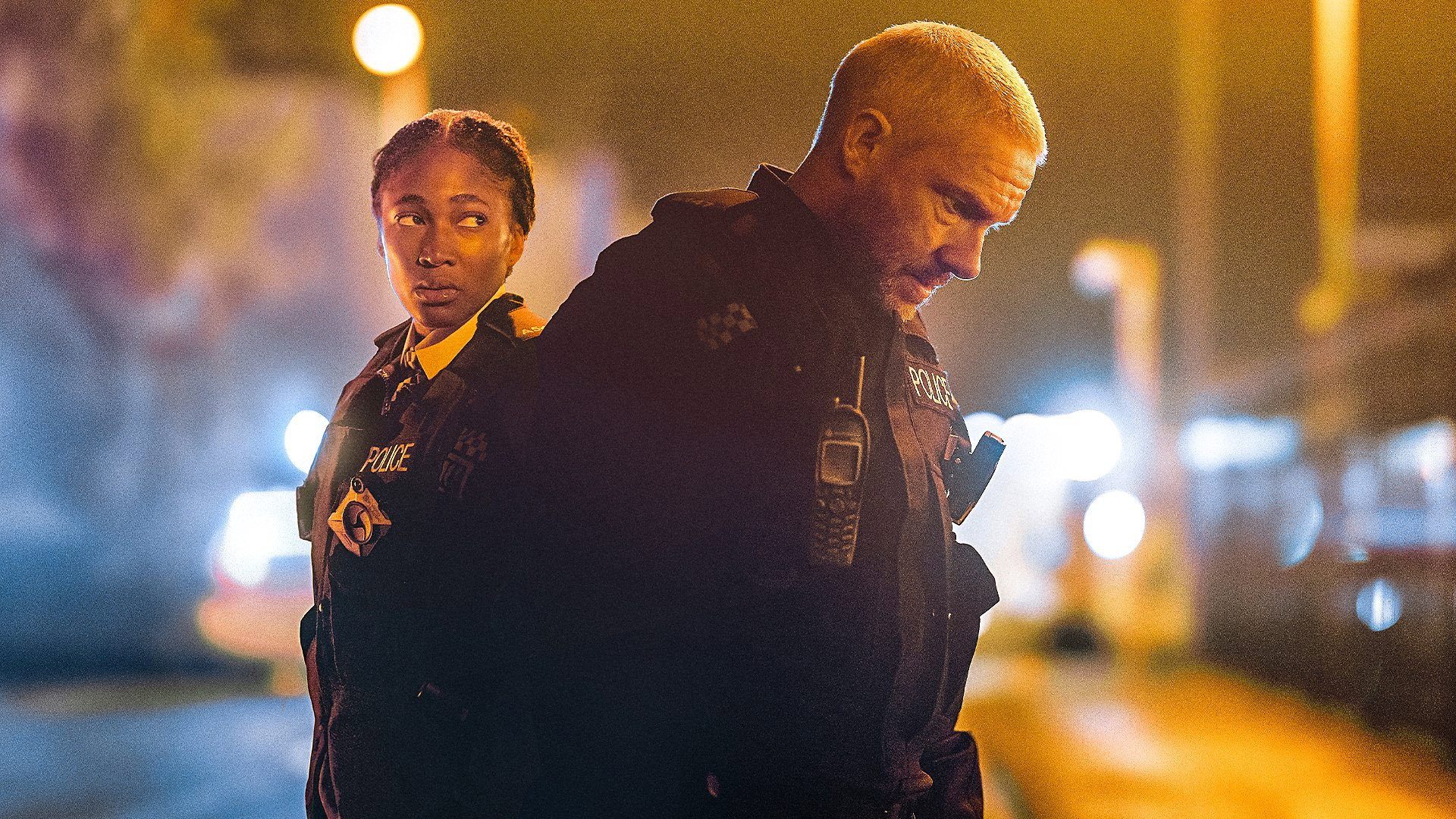
The Responder follows Chris Carson through five nights on the Liverpool response shift, the officers who turn up first to whatever the radio says. Tony Schumacher, who created and wrote it, is not interested in detectives or a case. He is interested in what happens to a man who has spent years being first through the door of other people’s worst evenings and has run out of whatever kept him upright. Our verdict is that this is one of the best British police dramas we have seen in a long while, and that the thing it does least well, the plot, is also the thing that keeps it moving.
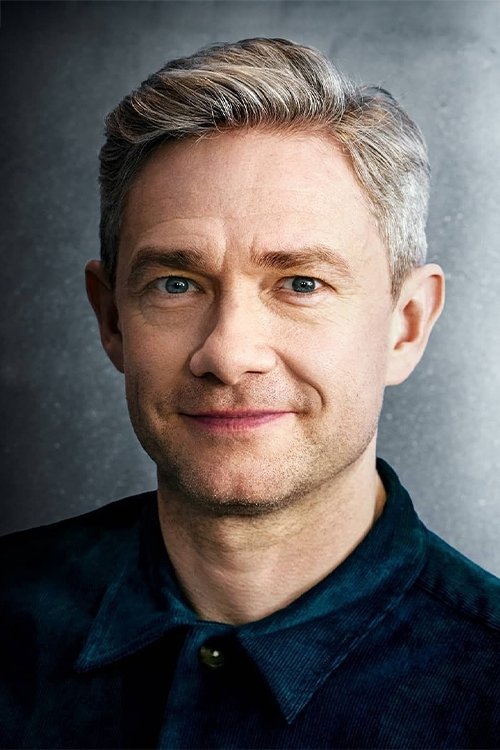
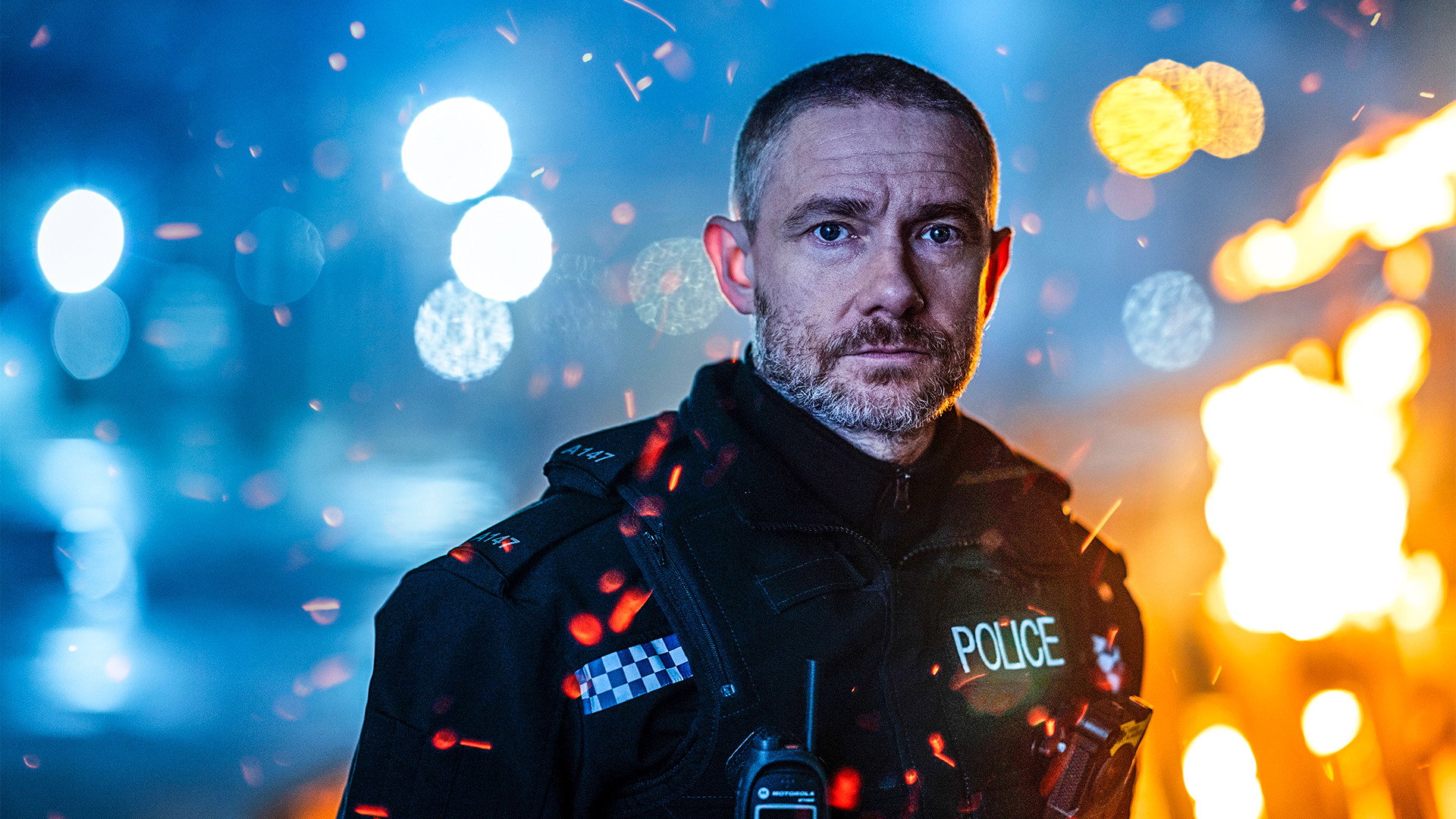
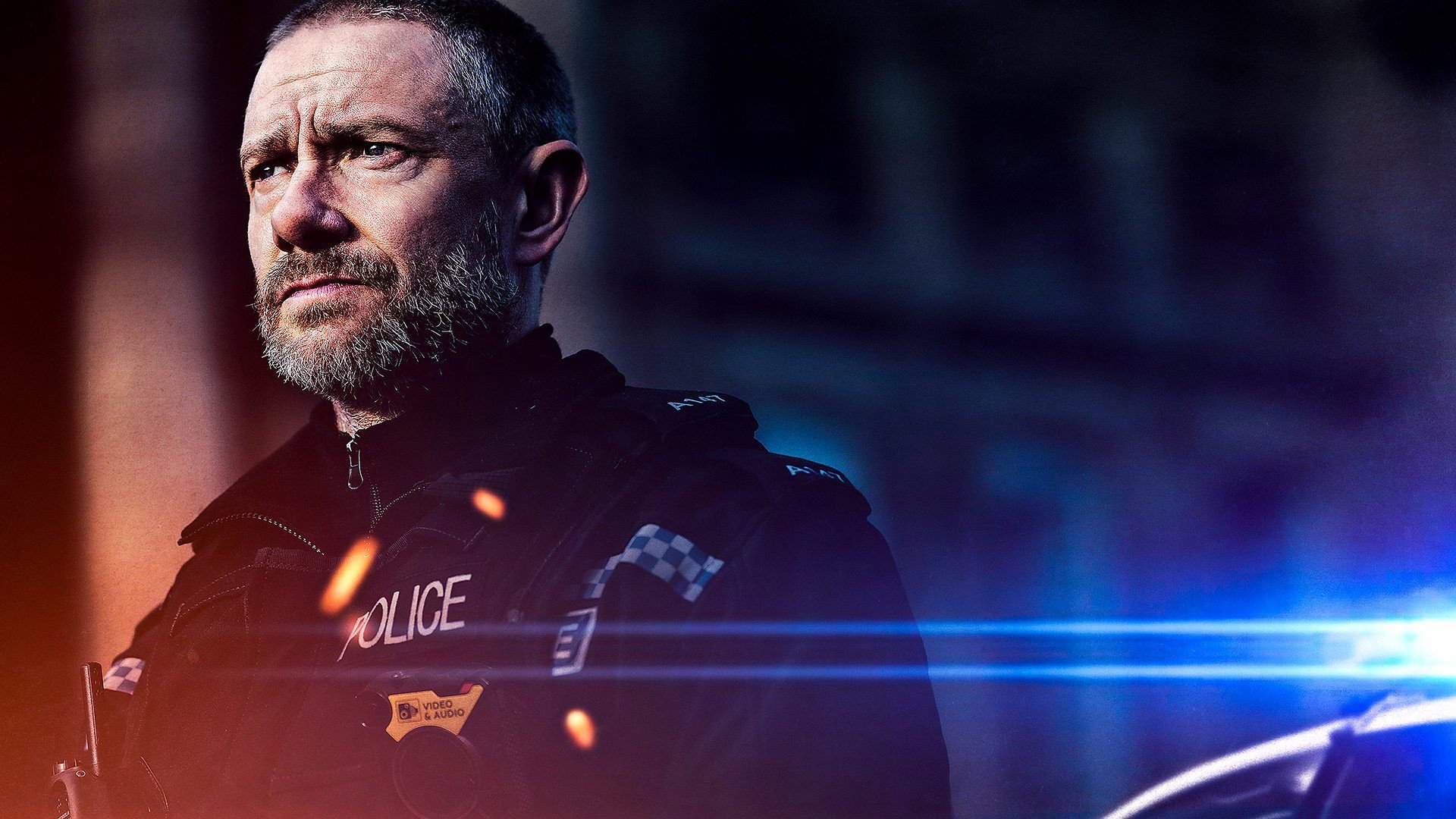
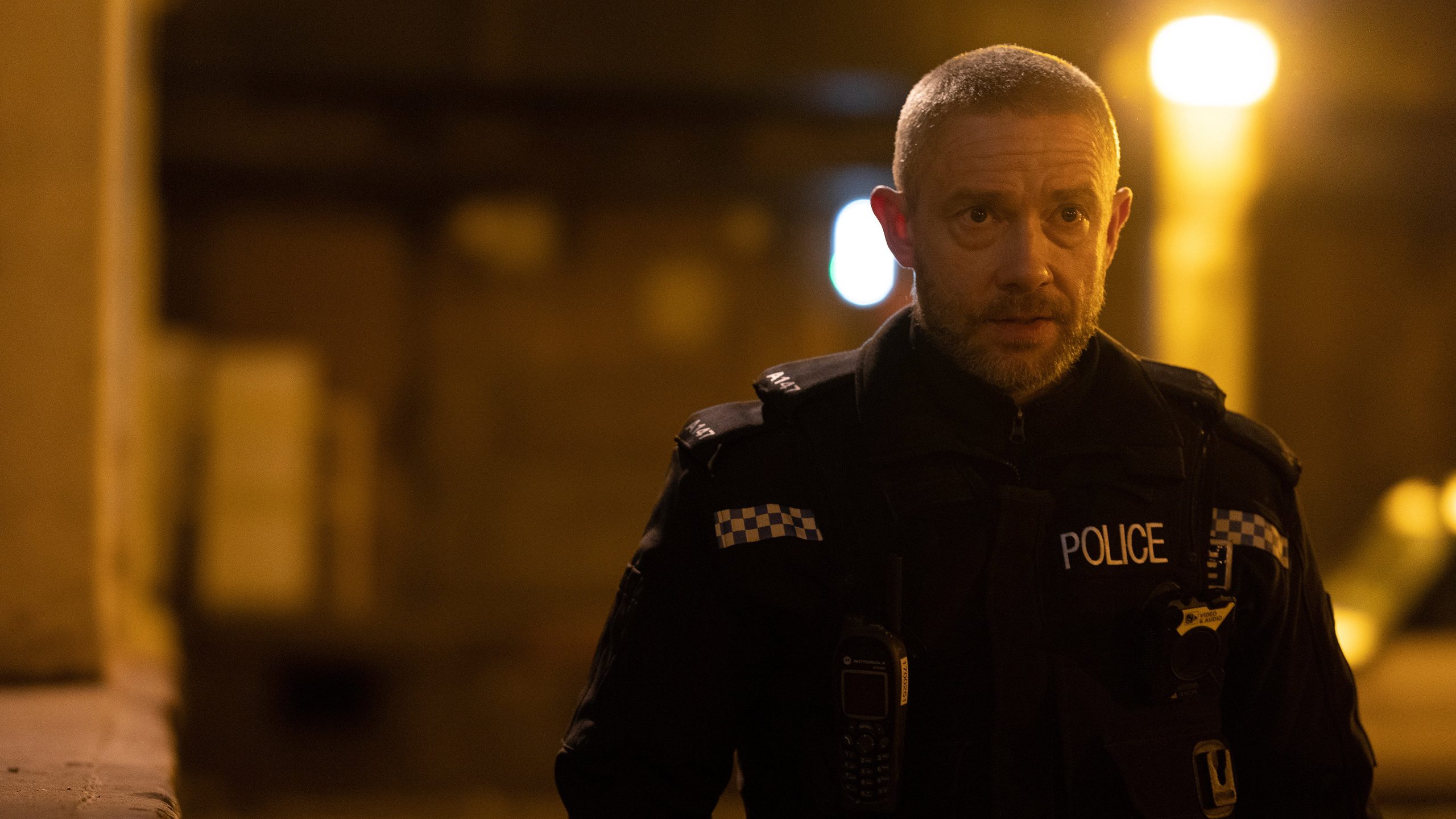
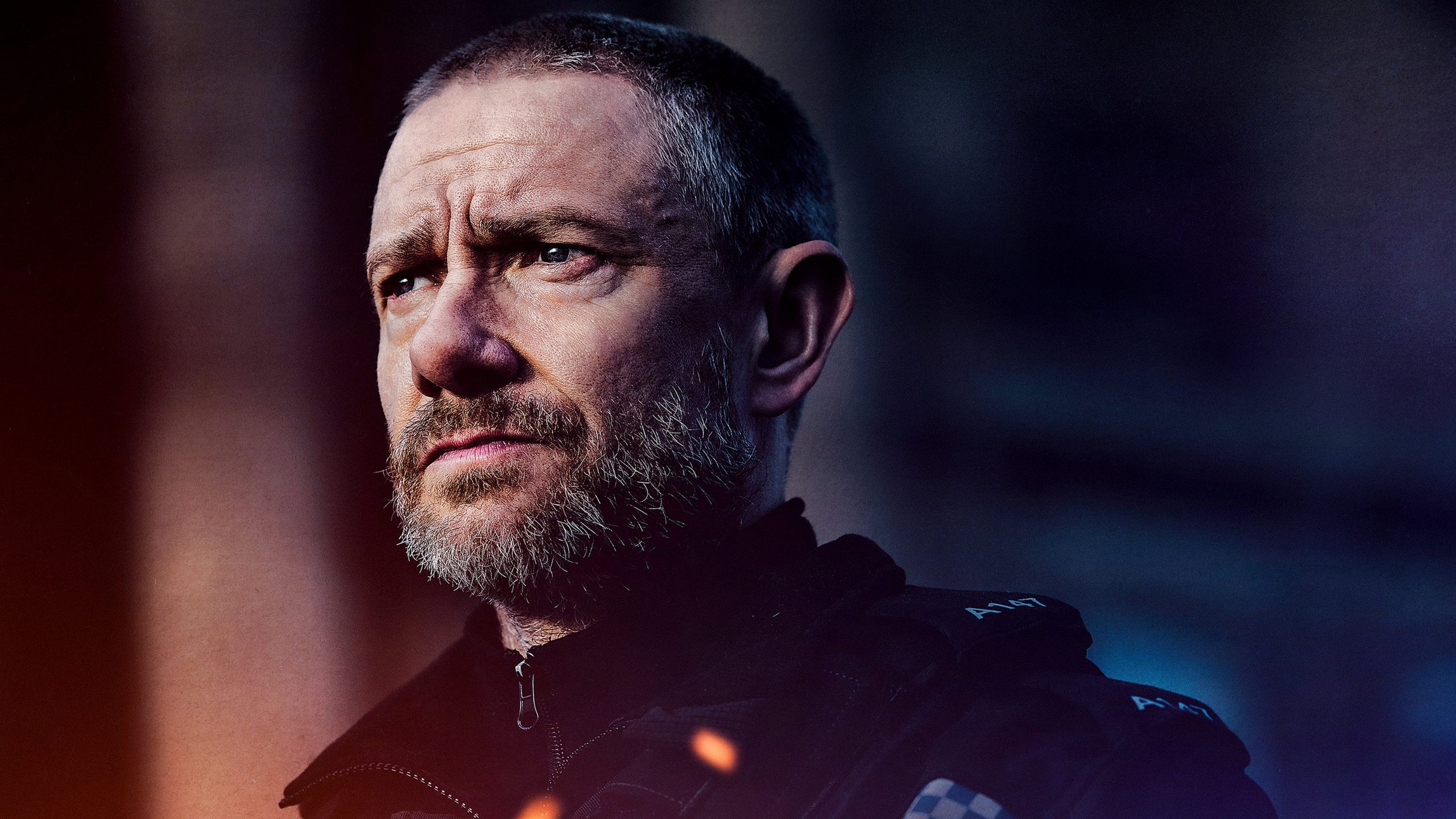
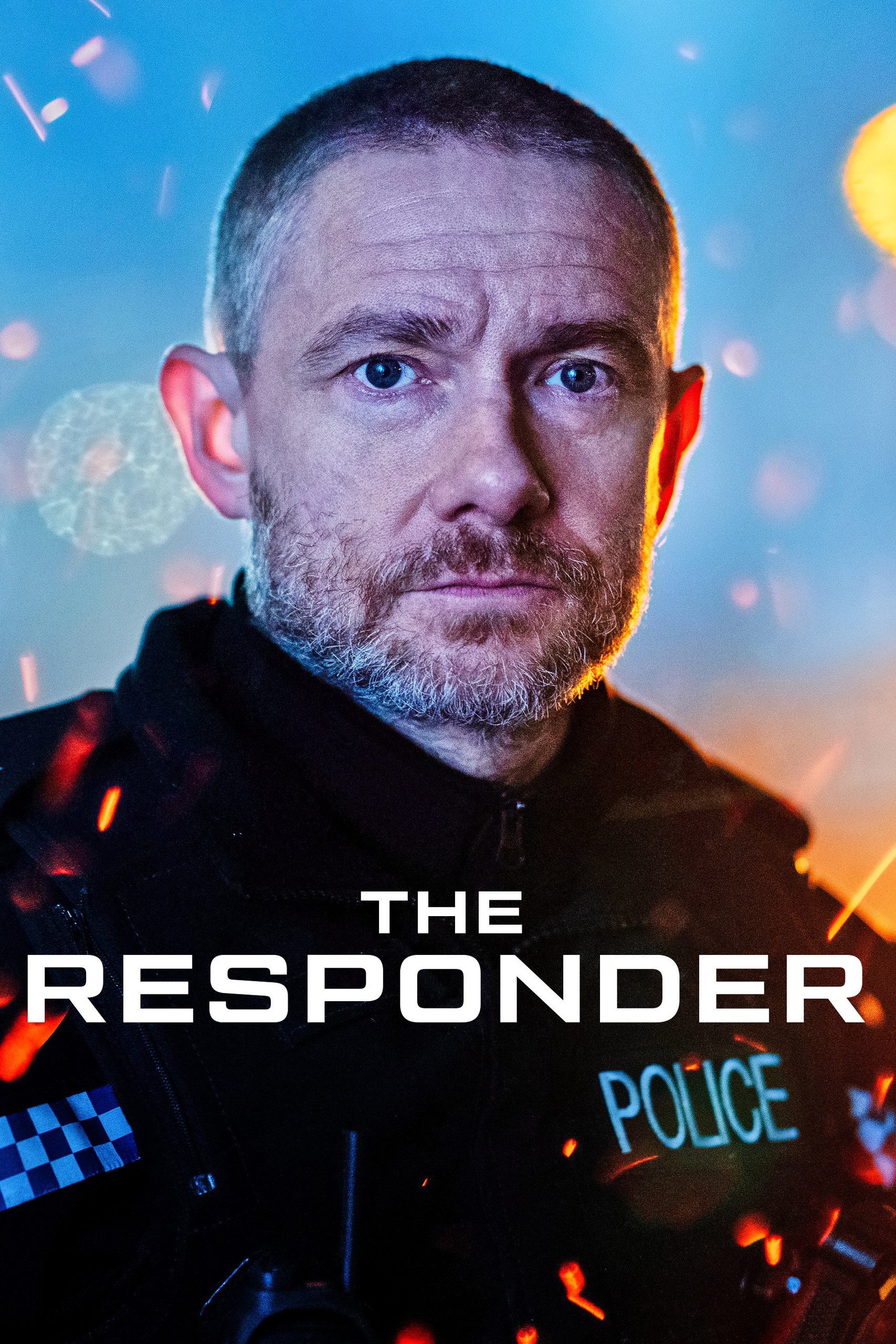
Martin Freeman has spent much of his career playing reasonable men, and he uses that here. Chris is reasonable for about a minute at a time. He talks people down in a flat Scouse murmur, puts a hand on a shoulder, gets a drunk into an ambulance, and then in the car, alone, the face goes. Freeman plays the exhaustion in his shoulders and the anger in his jaw and lets the two fight. In the counselling scenes he says the things he cannot say anywhere else, and Freeman delivers them as if each word were costing him money. There is almost no vanity in the performance.
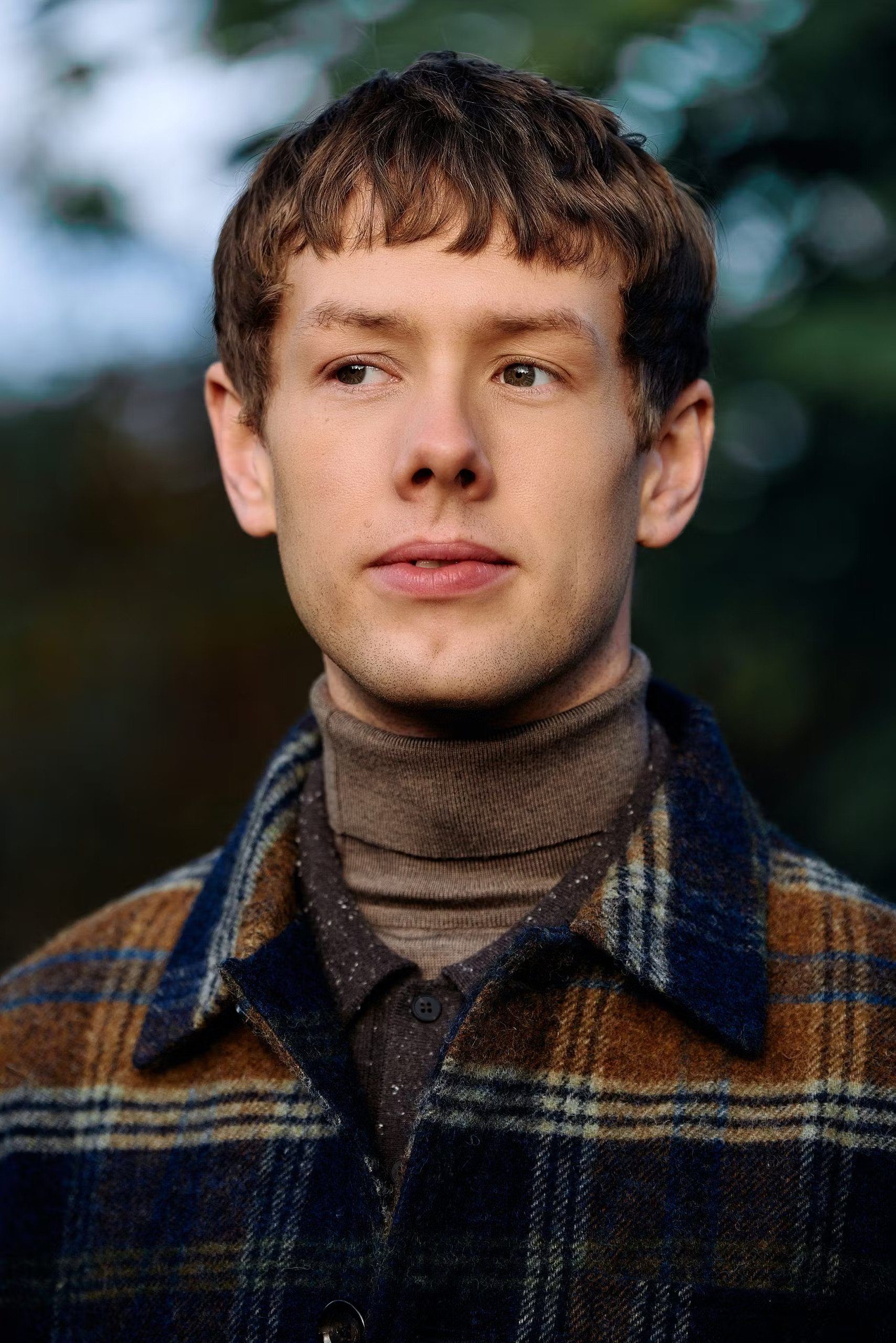
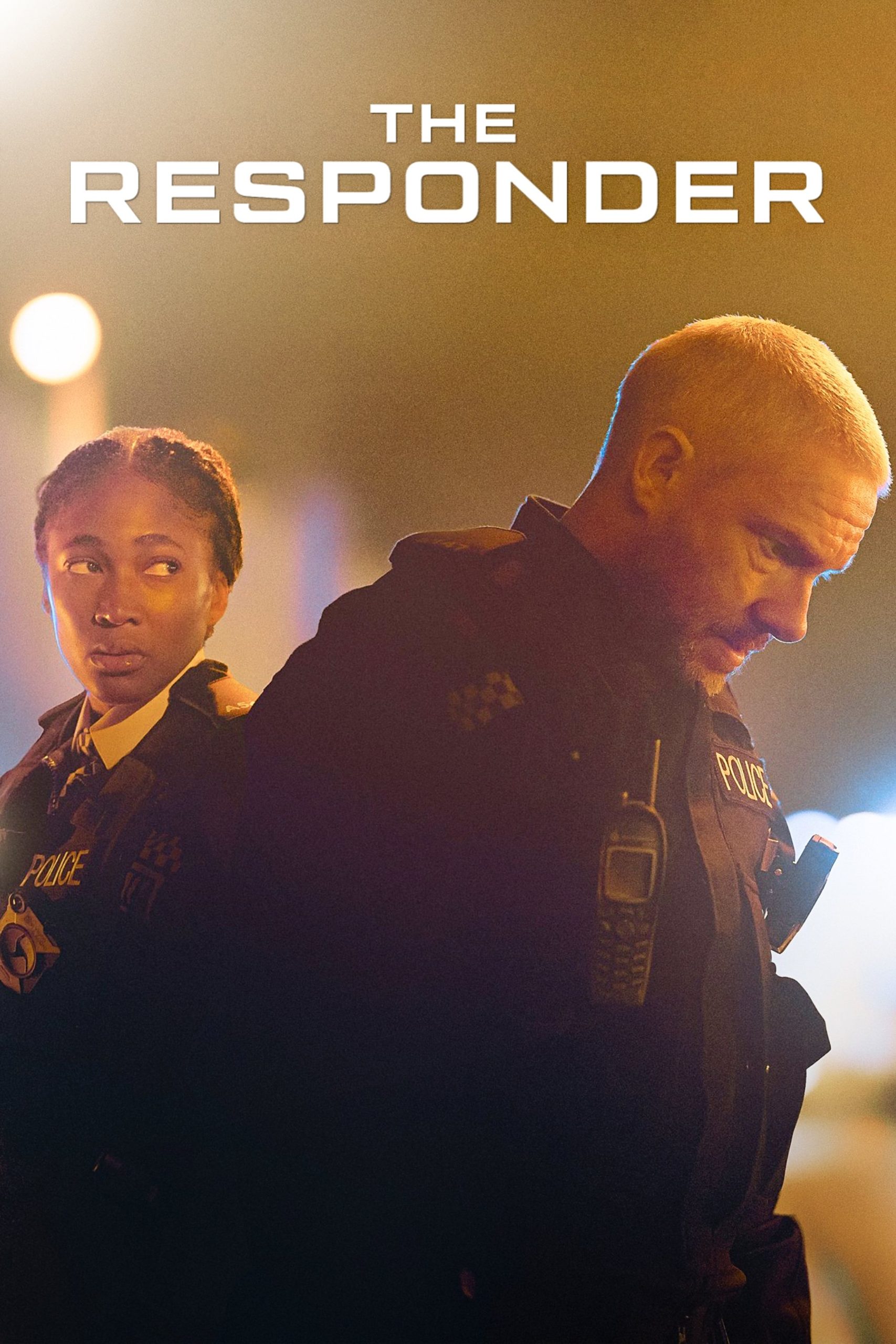
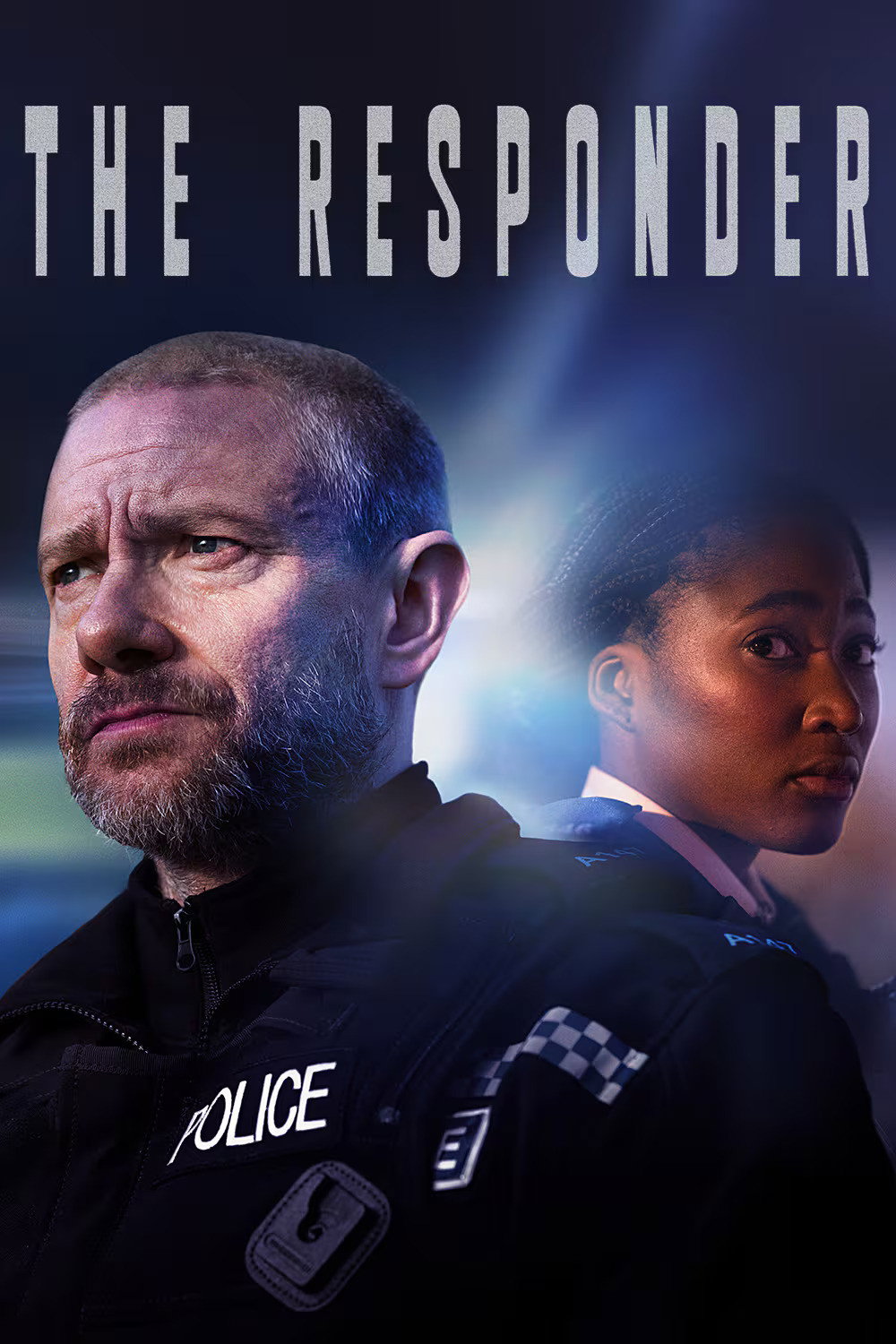
Adelayo Adedayo’s Rachel Hargreaves is the probationer stuck in his passenger seat, and Adedayo plays her as someone keeping score who has trouble of her own at home that she is not going to mention. Emily Fairn’s Casey is the addict with the stolen cocaine, twitchy, quick and funnier than her situation allows, and Josh Finan’s Marco, her friend, is the one person in the series who is simply kind. MyAnna Buring gives Kate Carson more than the wife-at-home part usually gets; she is tired of Chris and not sorry about it. Warren Brown, as fellow officer Raymond Mullen, is the smooth colleague Chris cannot stand, and the series gives him his reasons.
The series has six credited directors, Tim Mielants and Philip Barantini among them, and the cinematographers, Johan Heurlin Aidt, Seppe Van Grieken and Matthew Lewis, shoot Liverpool after dark in sodium orange and dashboard blue, with the camera in the car beside Chris more often than in front of him. Daylight, when it comes, is worse: flat, grey and unkind to everyone. John Stevenson’s production design keeps the flats small and the station smaller, and Orla Smyth-Mill’s costumes put Freeman in a stab vest that seems to weigh more each night. Matthew Herbert’s music is electronic and low, a pulse under the dialogue rather than a comment on it, and the editors, seven of them credited, cut the calls short and the silences long.
The moment that got us was small. Chris sits in the patrol car between jobs, engine off, trying to slow his breathing, and the radio goes before he has managed it. Nothing happens, and we found we had stopped breathing with him. Schumacher has built the whole series on that rhythm: every quiet is a countdown. We were wrung out by the end of the first episode and started the second immediately, which is not something misery usually earns.
The plot is the weak part. A bag of cocaine goes missing and for five episodes everyone chases it, and the chase requires Chris to make choices that are stupider than the man we have been watching. The dealer’s world is drawn in broad strokes the estate scenes do not need. There is a great deal of mumbling; we put the subtitles on and do not regret it. The second series, first shown on 5 May 2024, gives Chris a new situation and much the same shape, so the surprise has gone and what remains is the acting, which is still considerable.
Against its own genre it sits well. British police series usually have a case to solve and a corruption to expose; this one is about whether one officer gets through the night. Set beside Happy Valley, which also let a decent officer be angry and wrong, it is narrower and darker, and at 58 minutes an episode it never sags.
It carries a 15 certificate, for the language and for what the language is about. Watch it one episode at a time, late, with the lights low, and do not expect to feel better afterwards. You will want to know whether Chris makes it to the end of the shift, which is the only question the series asks.