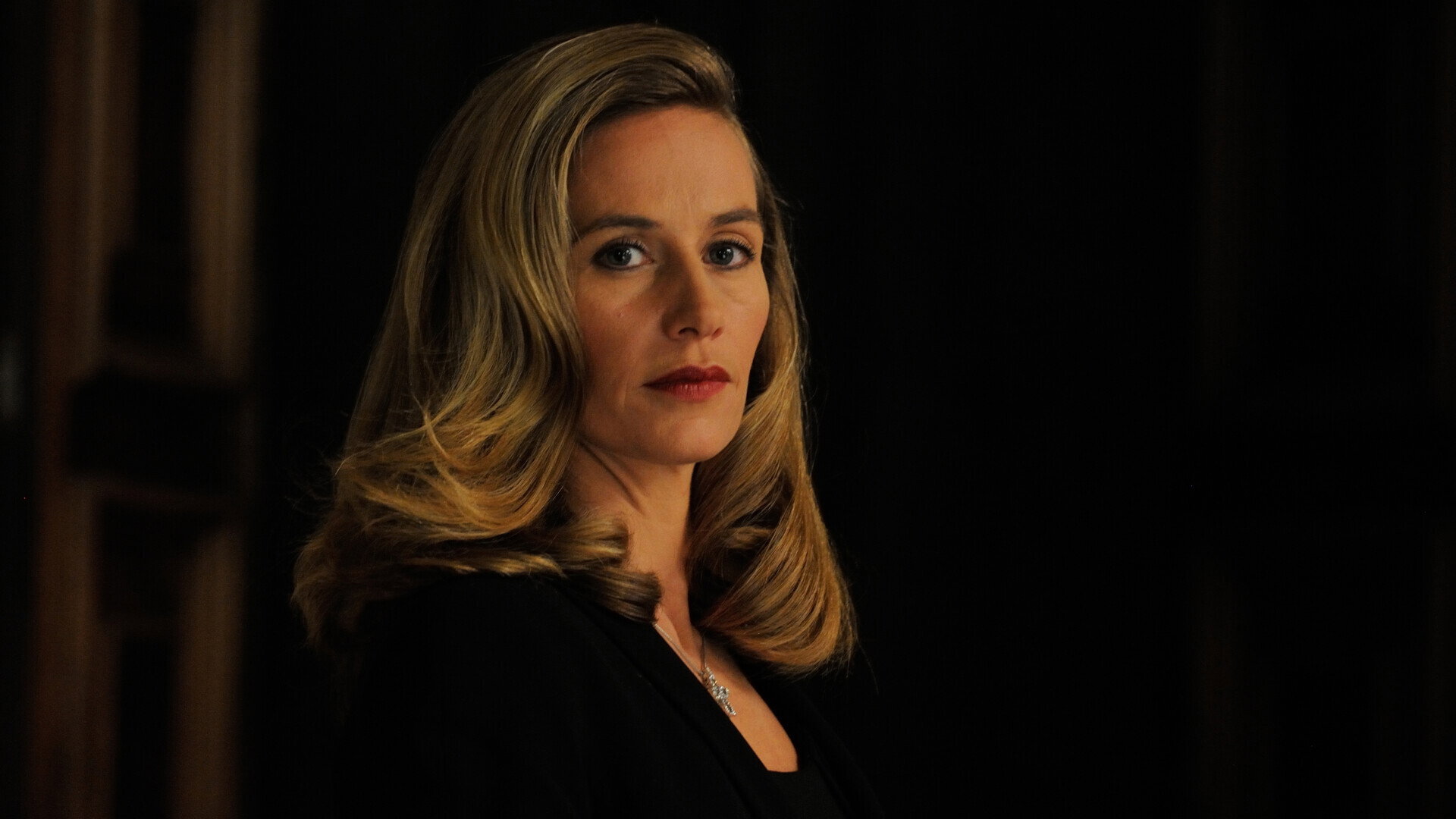
Jude Law makes an alarming pope in Paolo Sorrentino’s funny, disconcerting drama about authority and faith. We recommend it for the performances and unsettling humour, with a warning that some familiar political manoeuvring slows it down.
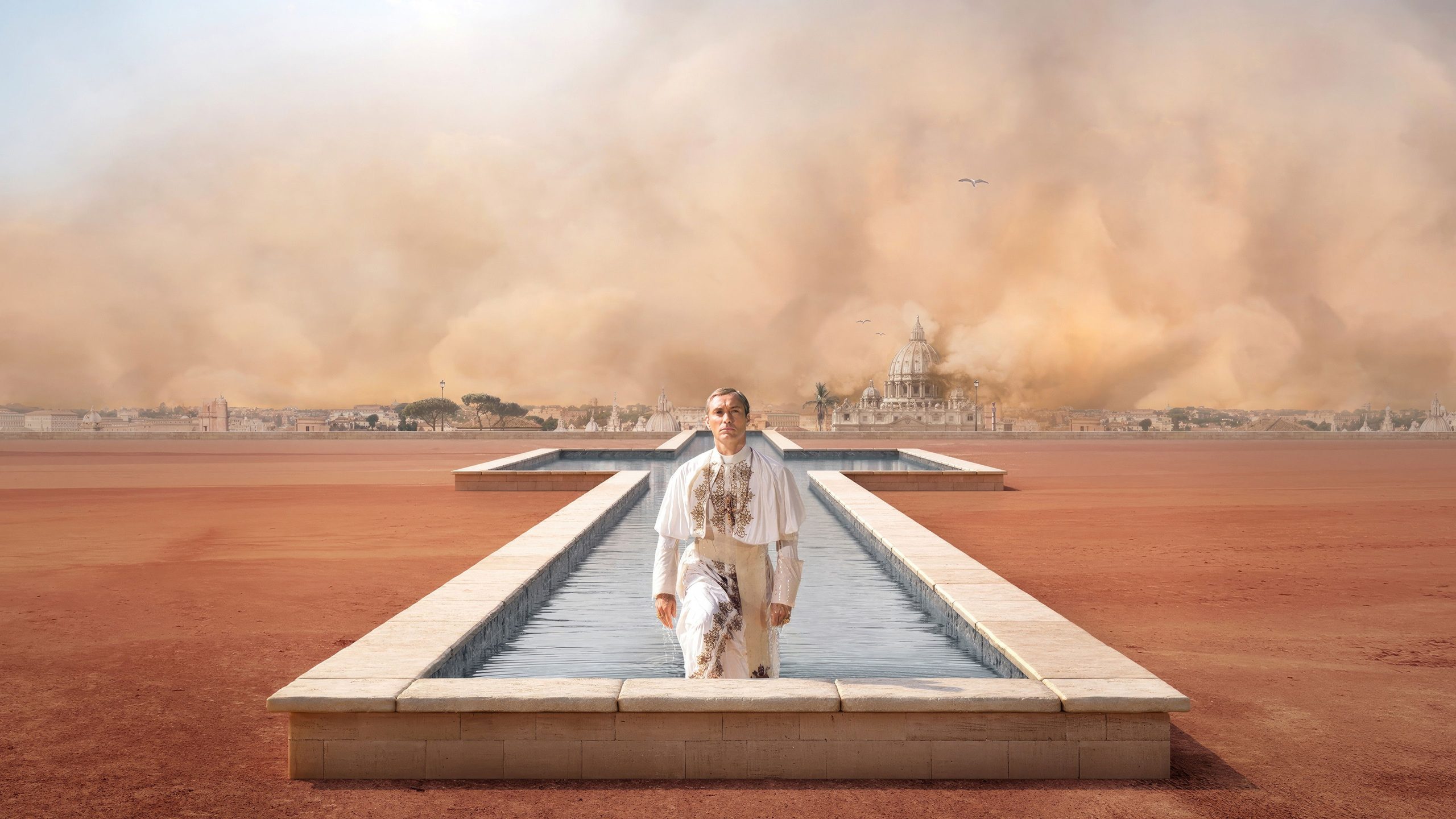
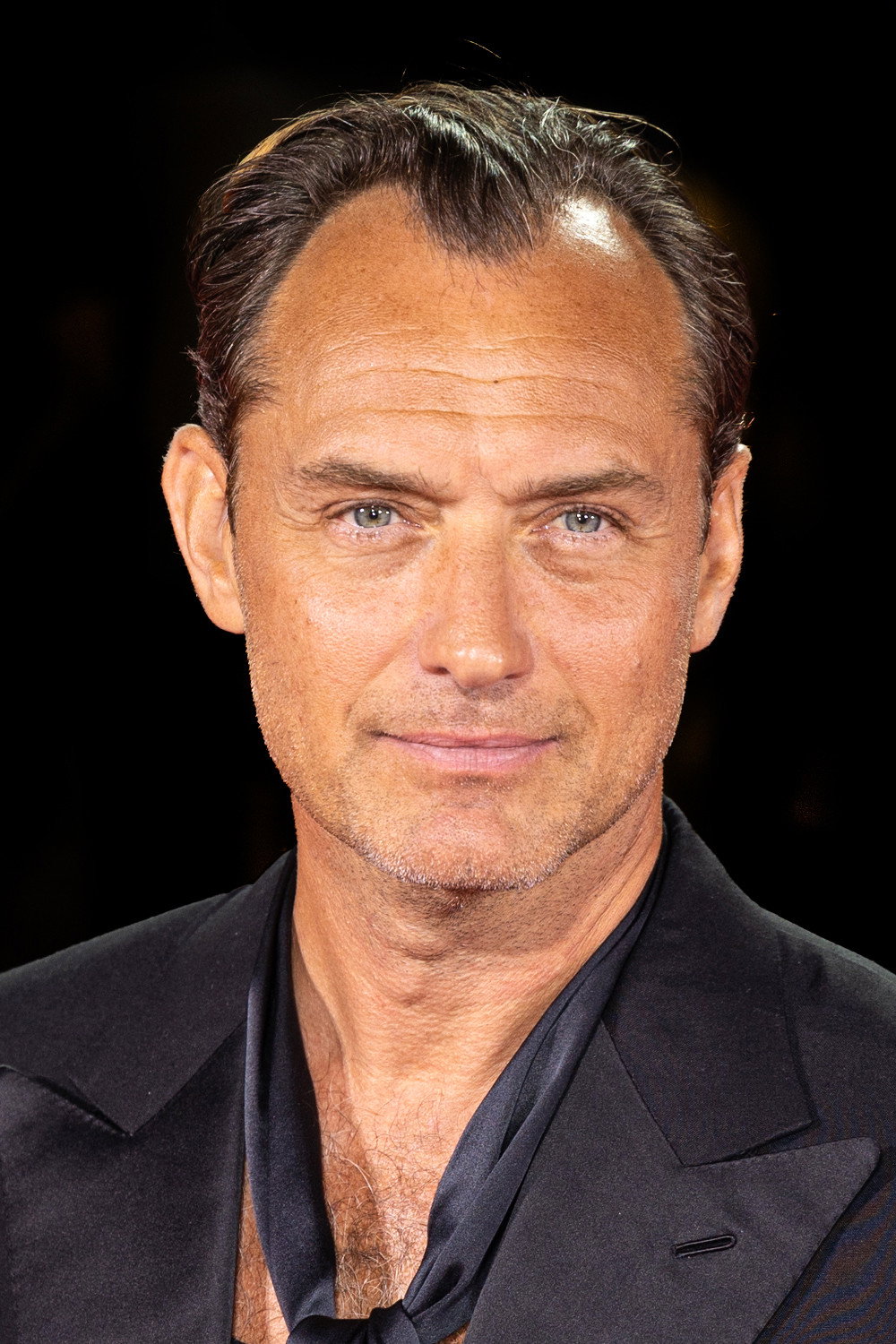
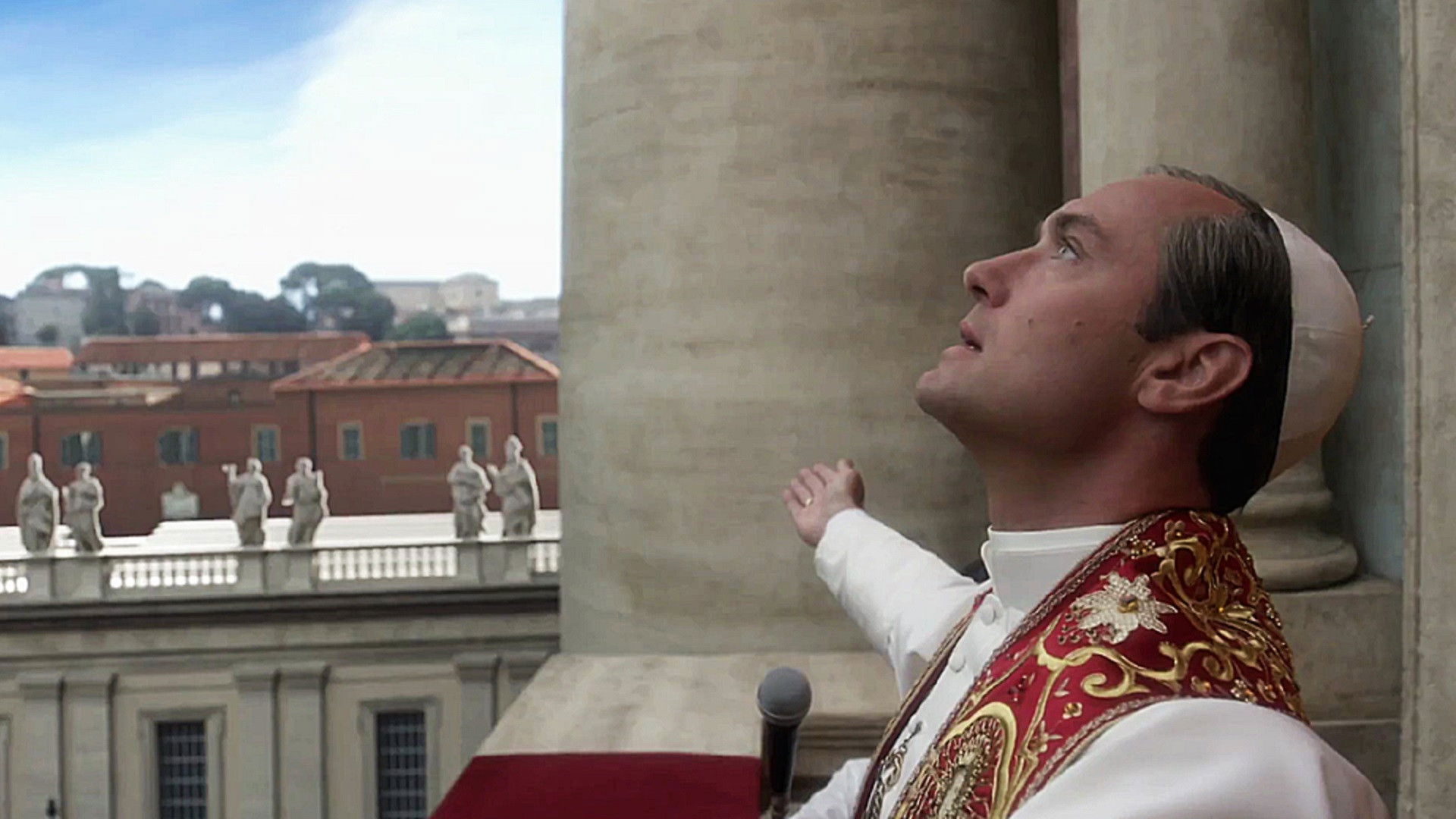
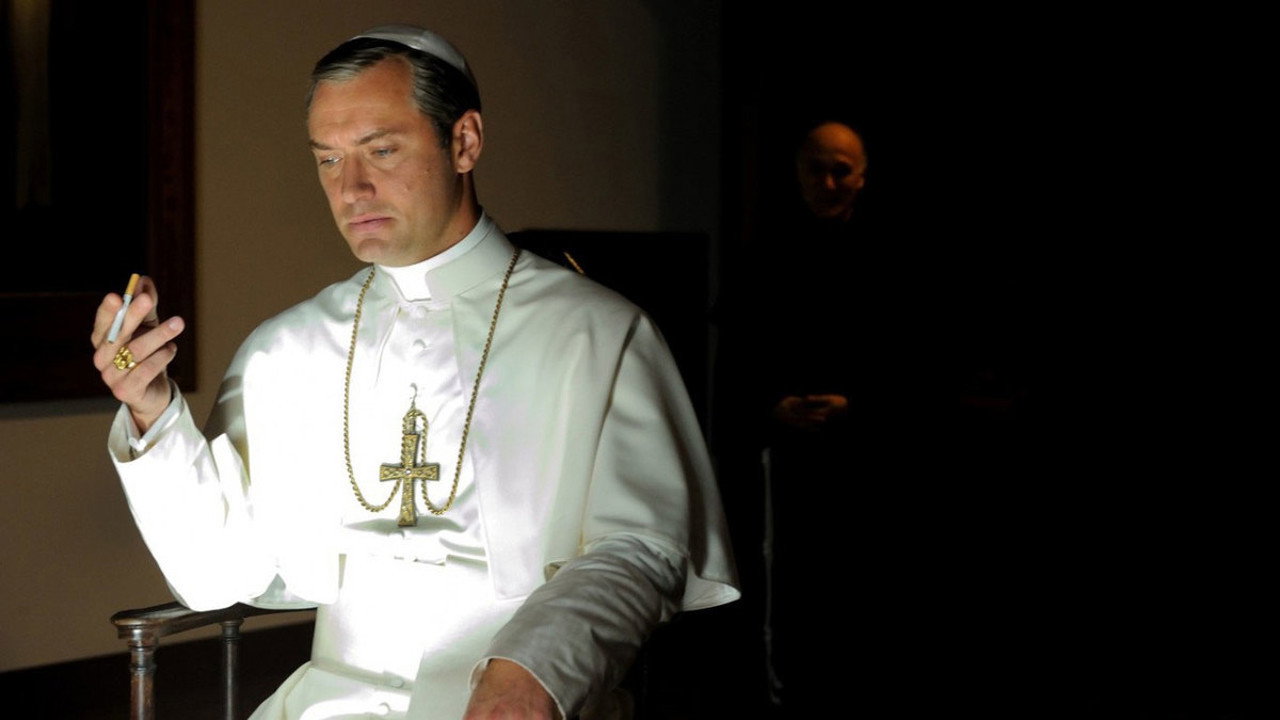
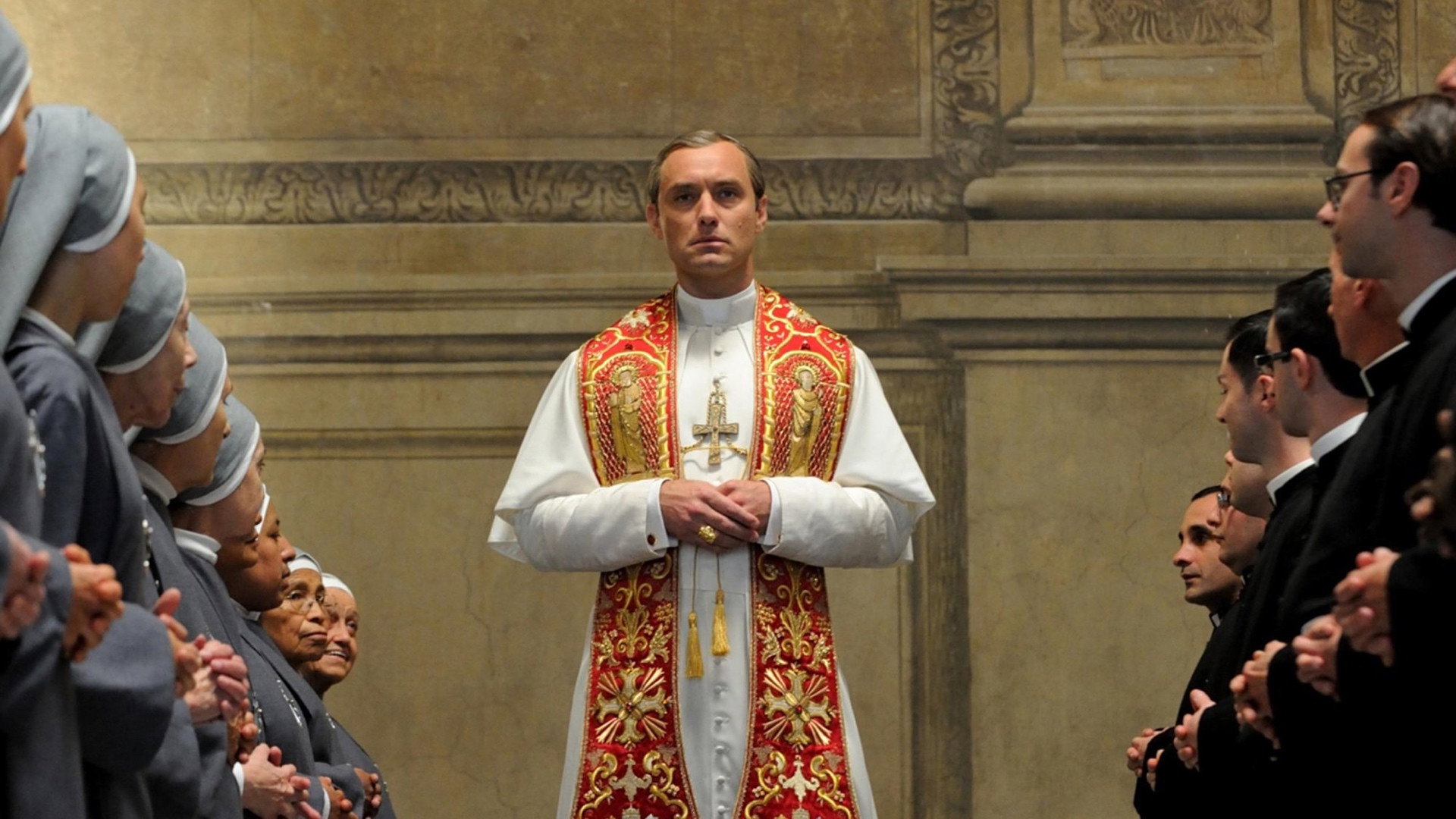
We recommend The Young Pope for its alarming central performance and its willingness to find comedy in the exercise of religious authority. Paolo Sorrentino takes the papacy seriously enough to find it frightening: a man can be vain, calculating and difficult, yet still expect to be treated as the answer to other people’s prayers. Jude Law plays Lenny Belardo, Pope Pius XIII, with a sharp understanding of that advantage. The plotting is less reliable.
His charm is essential to the threat. It makes the calculation harder to challenge, because we can see why people would want his approval. We were unsettled by the sudden changes from charm to menace; Jude Law makes it difficult to know when a conversation has become dangerous. There is also enough uncertainty in the performance to keep this pope from becoming a simple monster, and the series benefits whenever it lets us wonder how securely he believes his own claims.
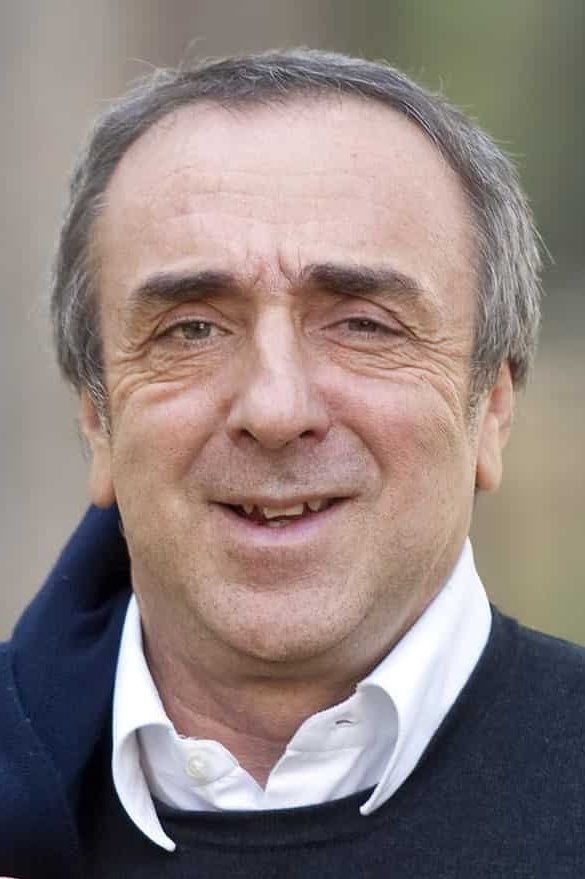
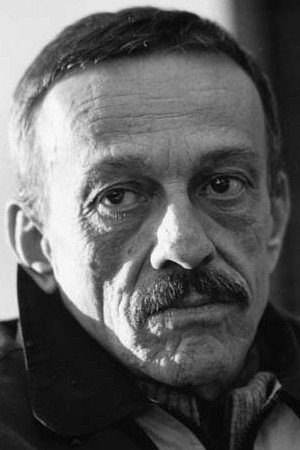
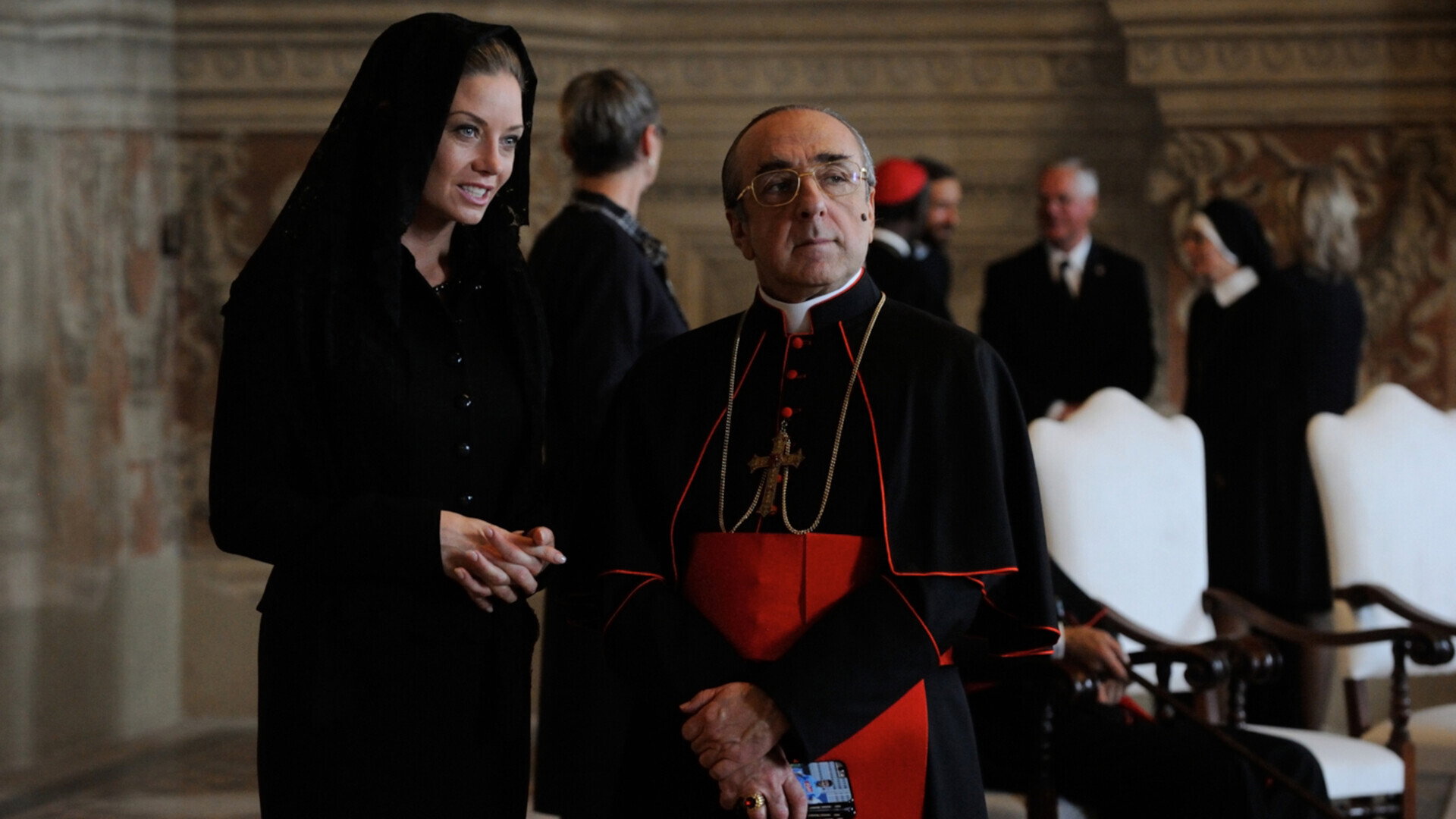
Silvio Orlando, as Cardinal Voiello, gives that performance the resistance it needs. Their exchanges are funny because both actors make the question of who has the upper hand worth watching, even when the manoeuvring itself feels familiar. The joke lasts longer than the simple pleasure of seeing a pompous churchman inconvenienced. There is also an important limit to the mockery: the series allows loneliness and religious devotion to matter, which prevents its clergy from becoming merely a collection of men to laugh at.
Luca Bigazzi’s cinematography makes the Vatican’s ostentation intimidating, even when the images invite us to enjoy it. Ludovica Ferrario’s production design gives the hierarchy surroundings sufficiently grand to encourage its opinion of itself. It is easy to see how someone working amid this splendour might become impressed with his own importance. The visual extravagance earns its place when it makes the vanity funny; when the drama stalls, it begins to look like something being offered to keep us occupied.
Cristiano Travaglioli’s editing has a harder task, accommodating a drama that keeps wandering away from straightforward political business. The changes of mood can be invigorating, but some detours ask us to wait too long for the next consequential encounter. Lele Marchitelli’s music is most persuasive when it supports the seriousness of the religious feeling without insisting on our agreement. That solemnity matters, because treating every expression of belief as another joke would soon make the programme tiresome.
The weaker material is the familiar contest over who controls whom. Paolo Sorrentino creates a pope whose behaviour is difficult to predict, but the political drama around him does not always escape the usual bargaining for influence. Once that happens, the extravagance starts to feel like an attempt to disguise scenes we have encountered elsewhere. We would have welcomed less of the manoeuvring and more trust in the awkwardness of people trying to practise faith while also protecting their positions.
The ten-episode run gives the actors room, and there are pleasures here that would disappear in a brisker treatment. We would allow time between episodes, particularly after the stretches where political bargaining threatens to become the whole point. An entire evening under this pope’s supervision might begin to feel like employment.