Armageddon has an engaging crew and explosions worth the fuss, but frantic cutting and strained romance wear it down. Michael Bay supplies enough fun for disaster-film enthusiasts; 151 minutes is a generous allowance for everyone else.
Michael Bay’s Armageddon is a decent disaster film made harder to enjoy by its determination never to settle down. An asteroid threatens Earth, NASA needs help, and a crew of oil drillers gets the sort of assignment that makes an ordinary working day look attractive. The appeal is straightforward: practical men, enormous danger, plenty of opportunities to argue before getting on with the job. Bay understands how to sell that prospect, and for a while his enthusiasm is infectious. Across 151 minutes, he also demonstrates how often it can be repeated.
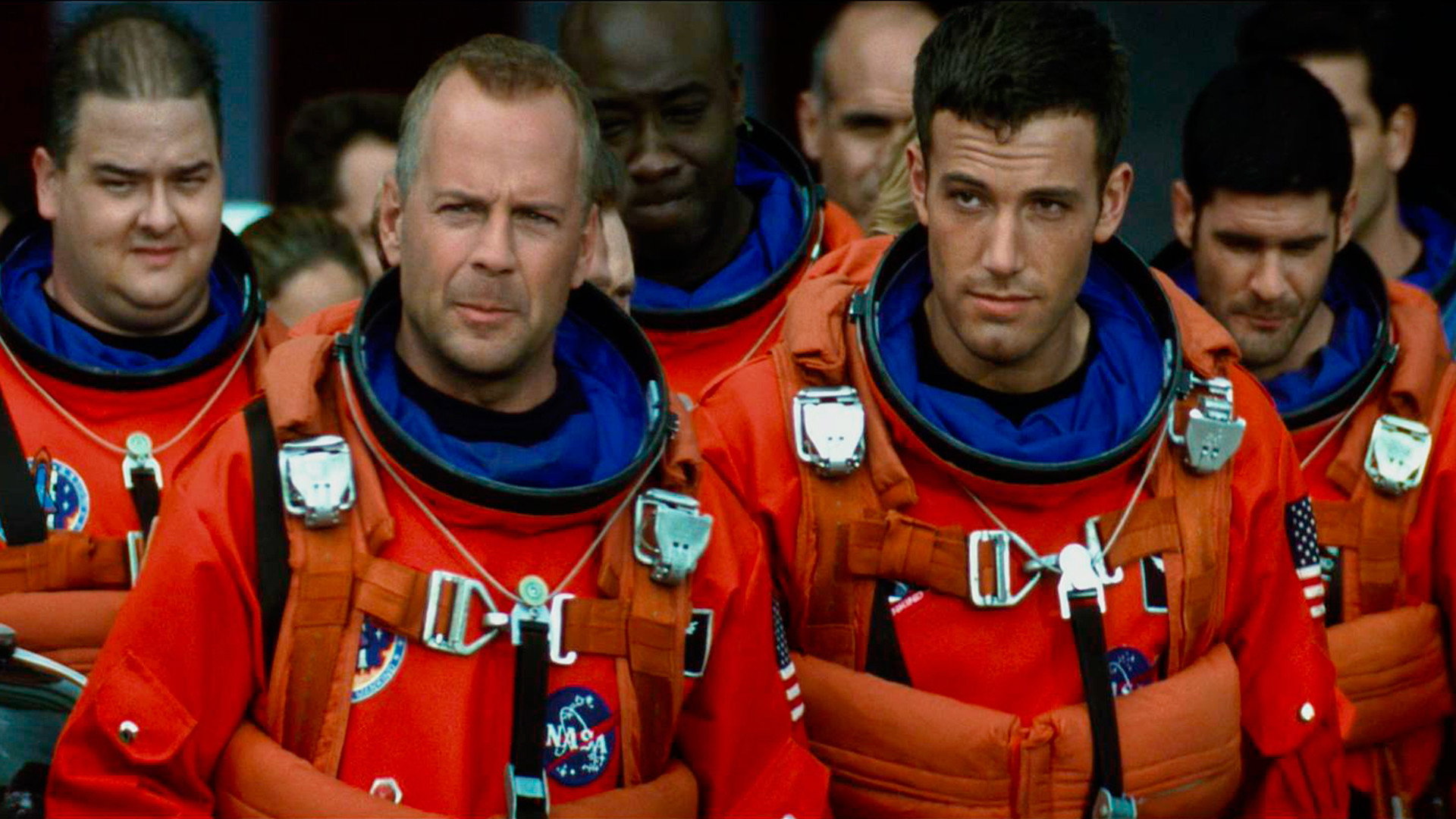
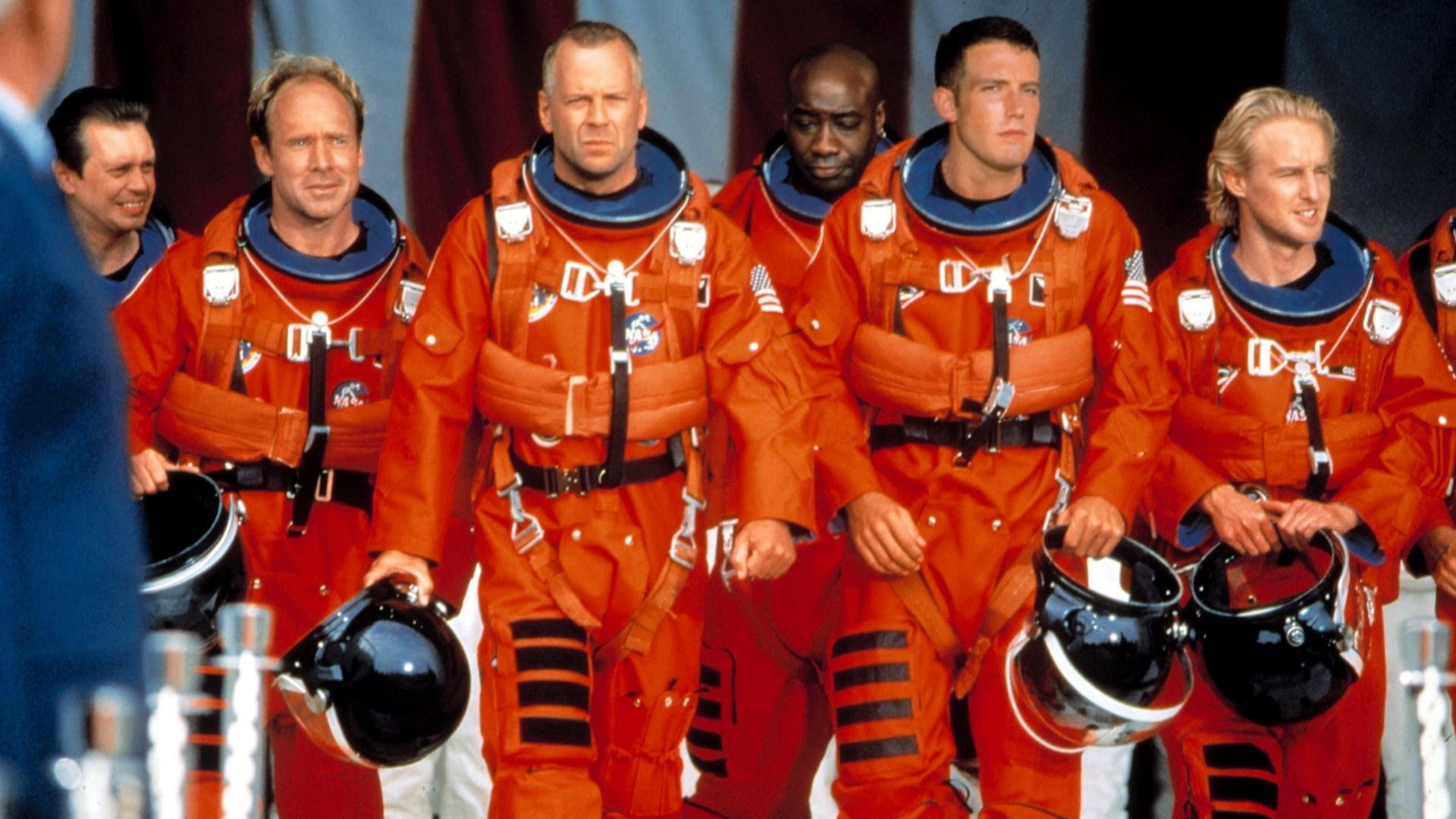
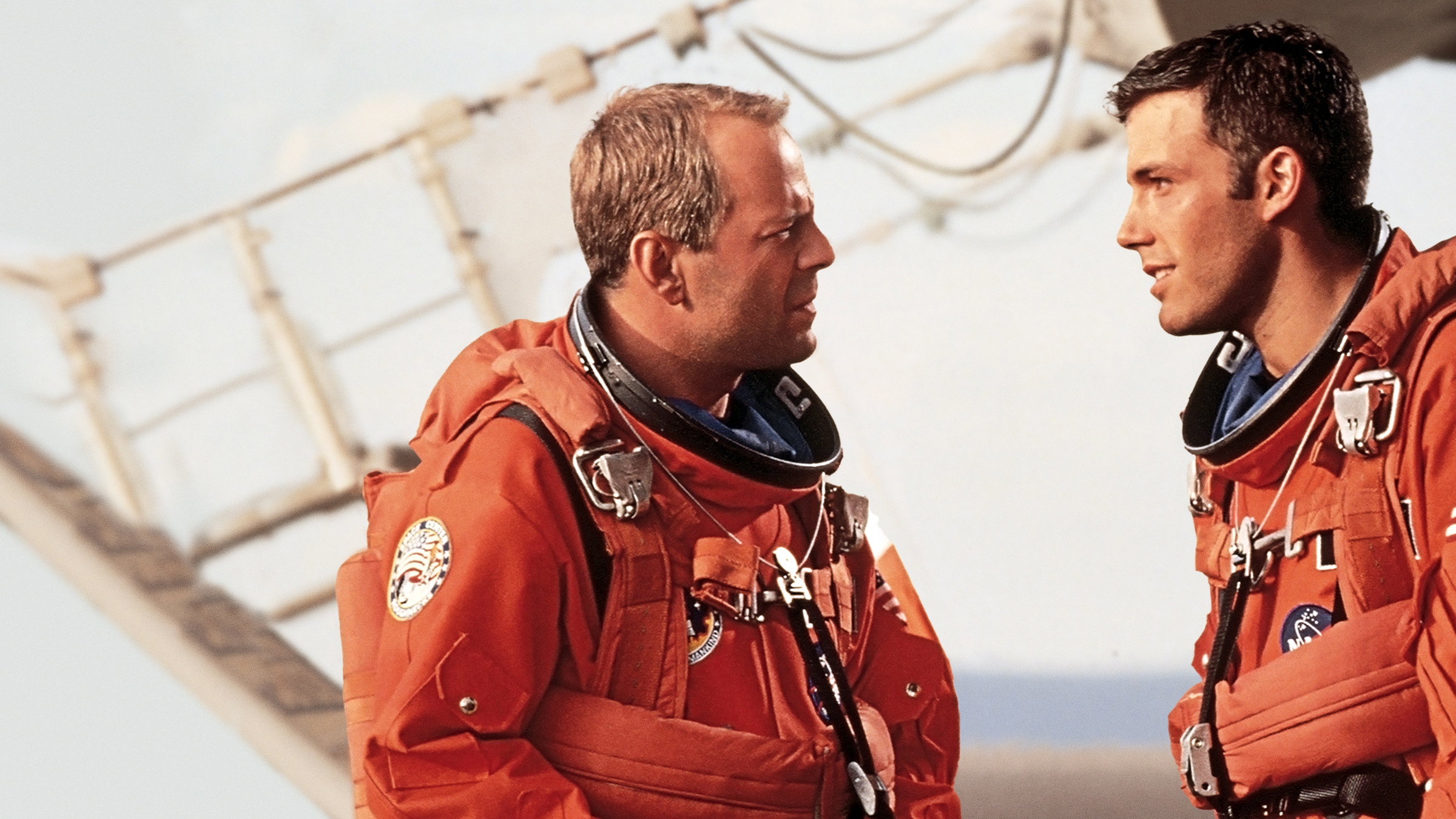
Bruce Willis is the main reason the human side survives as well as it does. His Harry S. Stamper is credible as a man the others might follow, even when the mission itself strains belief. Steve Buscemi’s Rockhound and Will Patton’s Chick help make the crew worth spending time with. Their company matters because the screenplay by Jonathan Hensleigh and J.J. Abrams finds more life in unruly banter than in solemn declarations about what is at stake.
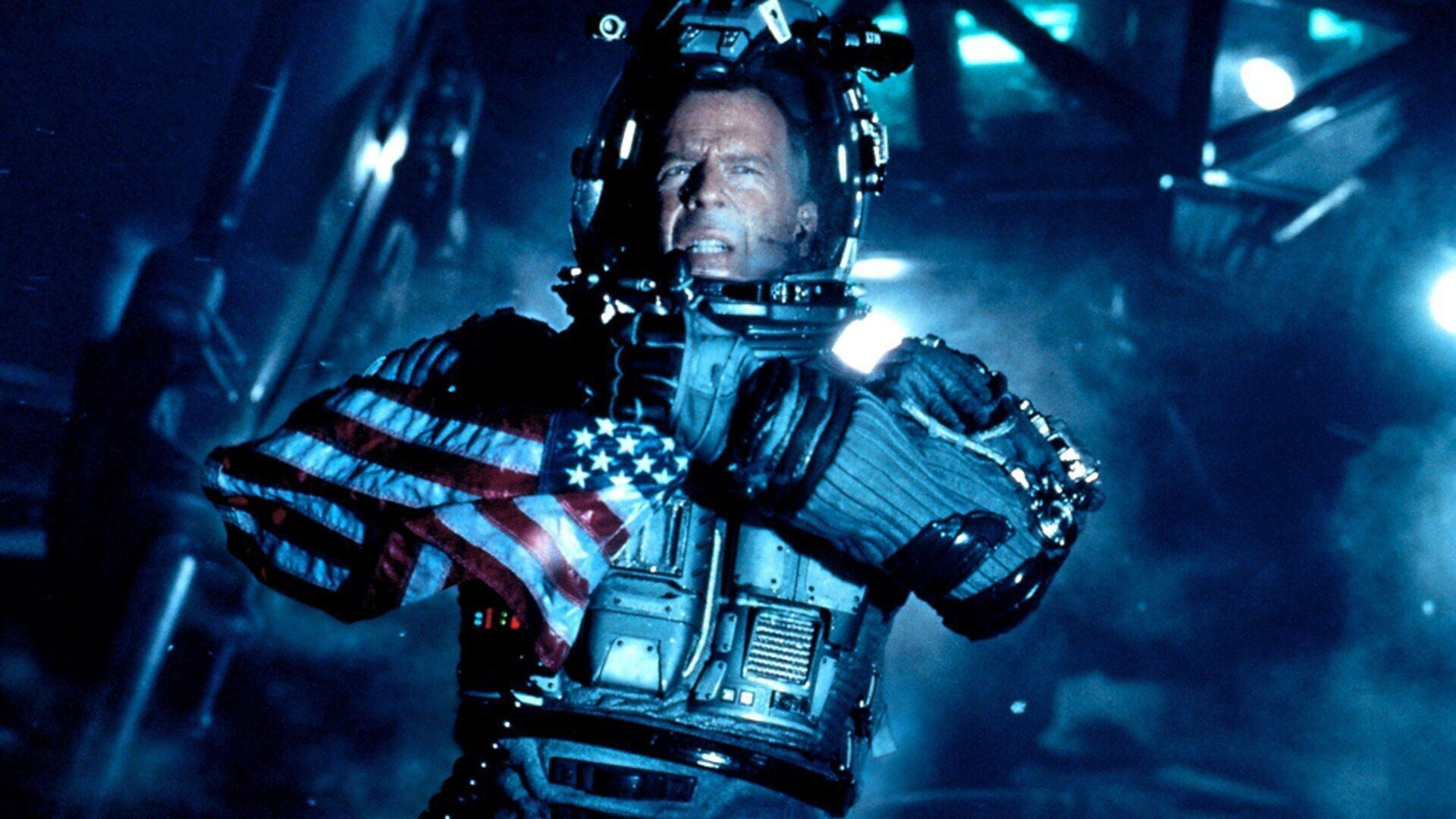
We were exhilarated by the opening explosions. John Schwartzman’s camera seldom rests, while the effects give the destruction a scale that makes the threat easy to believe for a few minutes. Bay puts enough energy into these passages to make them exciting before we have time to examine the premise. The opening supplies the immediate excitement that this kind of film needs, and the effects remain persuasive even when the events are difficult to swallow.
Editors Chris Lebenzon, Mark Goldblatt and Glen Scantlebury keep the pace high, but the action becomes difficult to follow. There is too little time to establish where people are before another cut sends us elsewhere, particularly in the second half. Michael White’s production design gives the mission an appropriately imposing scale, yet we rarely get a useful sense of how its spaces fit together. We grew impatient with the rapid cuts because they kept interrupting our attempts to understand the danger.
The quieter scenes offer limited relief, because Bay treats romance with a seriousness that the writing cannot support. The solemn declarations are less persuasive than the crew’s jokes, and the change of tone keeps exposing how thinly the people are written. Trevor Rabin’s score adds urgency to the action and presses for emotion when the film slows down. The music works better at sustaining excitement than at persuading us to care about relationships the dialogue has not made convincing.
For an effects-led disaster film, the lack of scientific credibility need not be fatal. The more serious failing is that Bay often makes a simple rescue mission difficult to follow, so suspense depends on noise and insistence rather than on our understanding of the problem. Still, the cast’s willingness to commit to the absurdity is an asset, and the roughneck humour gives the film some warmth. The better stretches remember that a group of people doing an alarming job can be entertaining before anybody asks them to represent mankind.
Consider it if a badly behaved crew and large explosions are enough to make a disaster film worth your evening. The length and the muddled action make it a harder recommendation for anyone else. Settle the household’s tolerance for noise before pressing play.