Babel is affecting when it stays with people and overbearing when it insists on connecting them. Alejandro G. Iñárritu draws strong performances from a crowded cast, but the mounting misfortune makes a serious drama feel needlessly managed.
Alejandro G. Iñárritu’s Babel asks us to care about people separated by language, nationality and circumstance, then gives us ample reason to worry about them. It is a worthwhile, sometimes moving drama whose screenplay keeps interrupting its own good work. Writer Guillermo Arriaga links the stories through misunderstandings and coincidences, with parents’ efforts to protect children providing a more convincing connection than some of the plotting. At 143 minutes, the film has time to make those relationships matter, but spends too much of it arranging further distress.
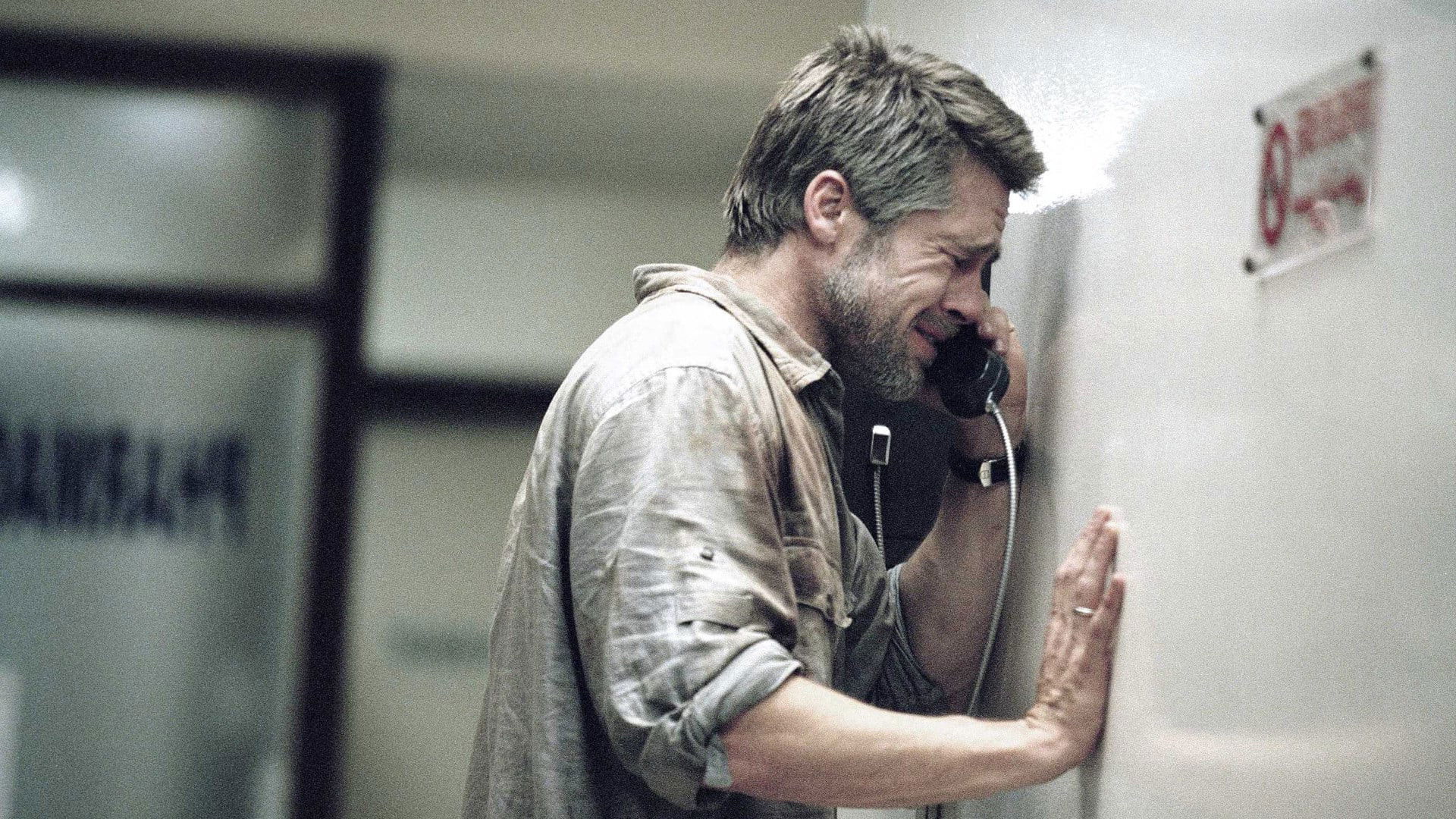
Cate Blanchett, as Susan Jones, and Adriana Barraza, as Amelia, give the film much of its emotional weight. We can believe in their distress even when we doubt the chain of events that has produced it. Brad Pitt’s Richard Jones and Rinko Kikuchi’s Chieko belong to an ensemble that generally makes the individual scenes more convincing than the whole. Iñárritu gets committed work from his cast, although the writing leaves too little room for these people to be anything other than troubled.
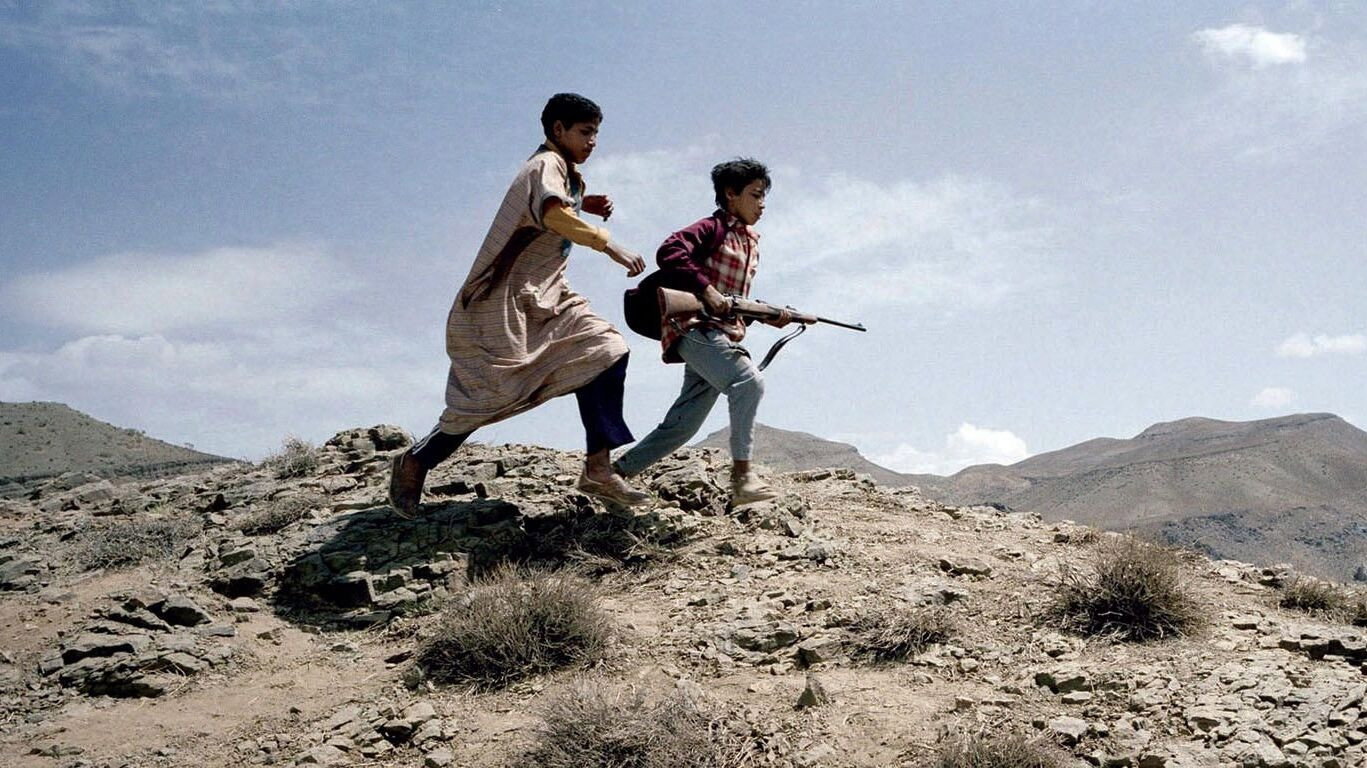
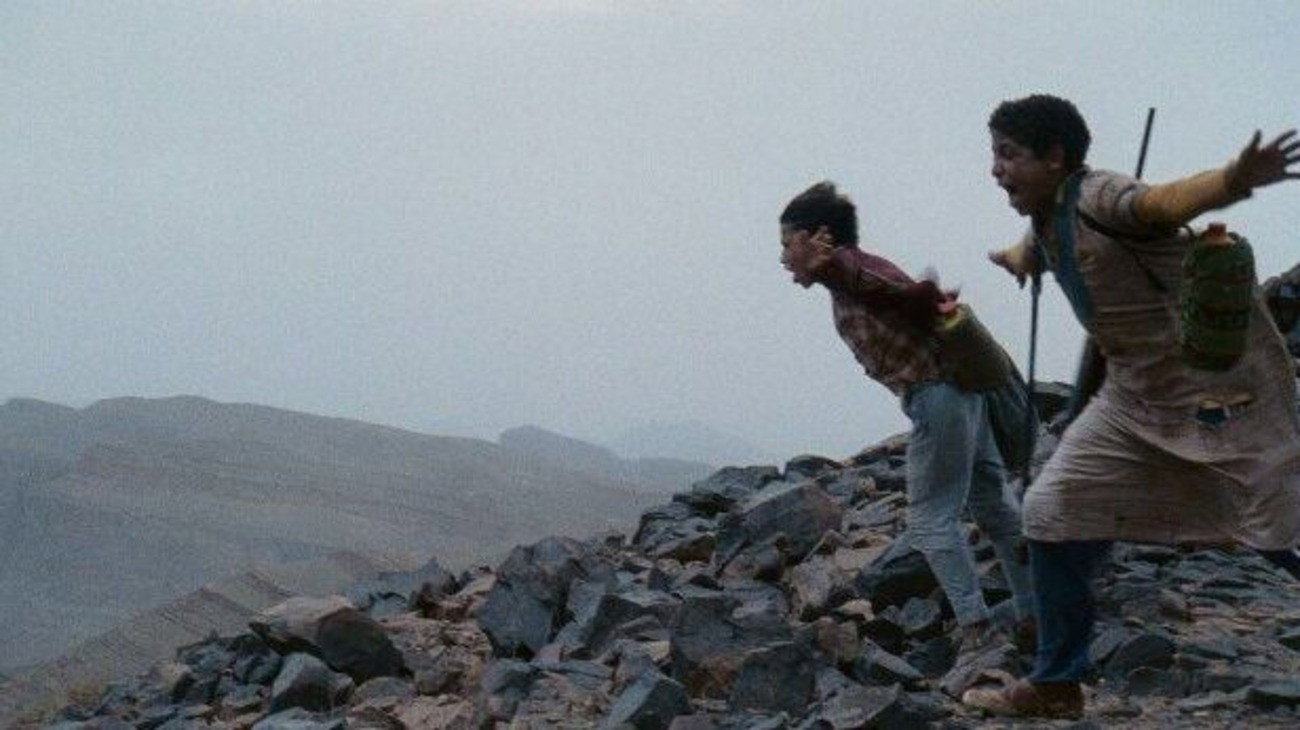
We were moved by the help offered in the Moroccan passages. Those moments allow kindness to take up space in a film that can seem determined to find another reason for everyone to be afraid. The criticism of American privilege is more persuasive here because Iñárritu makes room for the people doing the helping. We get a glimpse of how this drama might work with less insistence on everyone’s capacity to misunderstand.
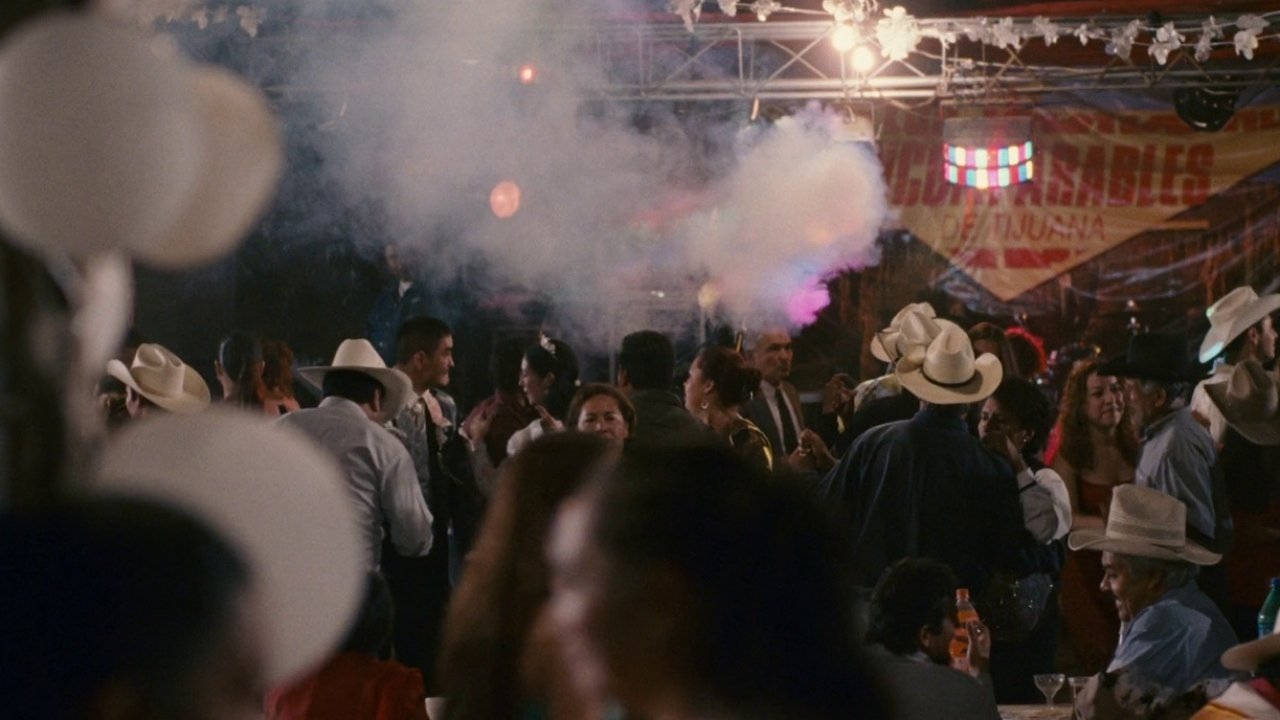
Rodrigo Prieto’s cinematography gives the separate stories a physical immediacy that helps us accept the changes of setting. His images carry unease more effectively than some of the dialogue, and the passages without speech are among the film’s most involving. Brigitte Broch’s production design makes those settings feel inhabited, giving us something to notice beyond the central characters’ distress. Gustavo Santaolalla’s music is affecting, though it adds to a sadness that hardly needs reinforcing. With so much already being asked of our sympathy, the score can feel like one further instruction.
Editors Douglas Crise and Stephen Mirrione make the movement between stories tense, sometimes to an exhausting degree. Cutting away from one person’s trouble keeps us anxious about what we have left behind, even as another situation demands attention. The rhythm works well at first. Eventually, that repeated pressure becomes tiring, especially when the connections begin to look convenient. The second half gives Arriaga’s arrangements increasing prominence, and characters we had begun to care about get pulled towards the next required complication.
The familiar difficulty with this kind of ensemble drama is making each connection worth the interruption. Babel too often asks us to accept a coincidence because it serves a serious theme, then relies on its actors to make the resulting situation hurt. Their work, and the force of the quieter passages, make it worth considering if demanding, interwoven dramas are your preference. Go for the performances, and be prepared for a screenplay that has difficulty leaving them alone.