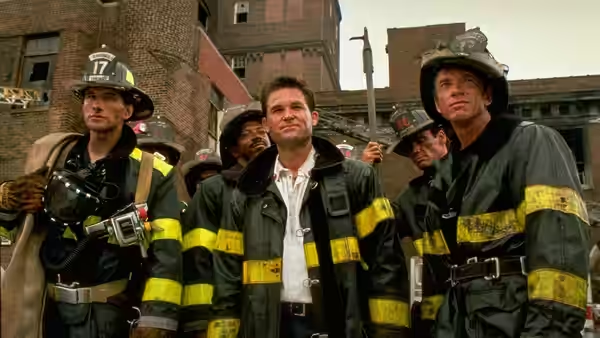
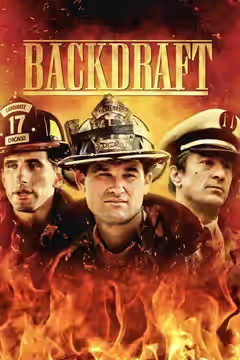
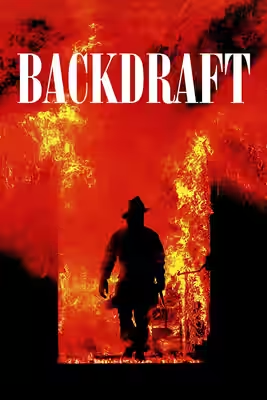
Ron Howard makes the fires frightening enough to justify some patience with Backdraft. The thin characters and overworked melodrama demand rather more of it than a 137-minute action thriller should.
Ron Howard’s Backdraft is a decent choice for anyone interested in firefighting, provided a long stretch of conventional drama sounds an acceptable price. It wants to honour the people who go towards a fire and make their personal troubles matter just as much as their work. That is a reasonable ambition for an action thriller, and the respect comes through. Gregory Widen’s screenplay struggles to find enough convincing things for these people to say between emergencies.
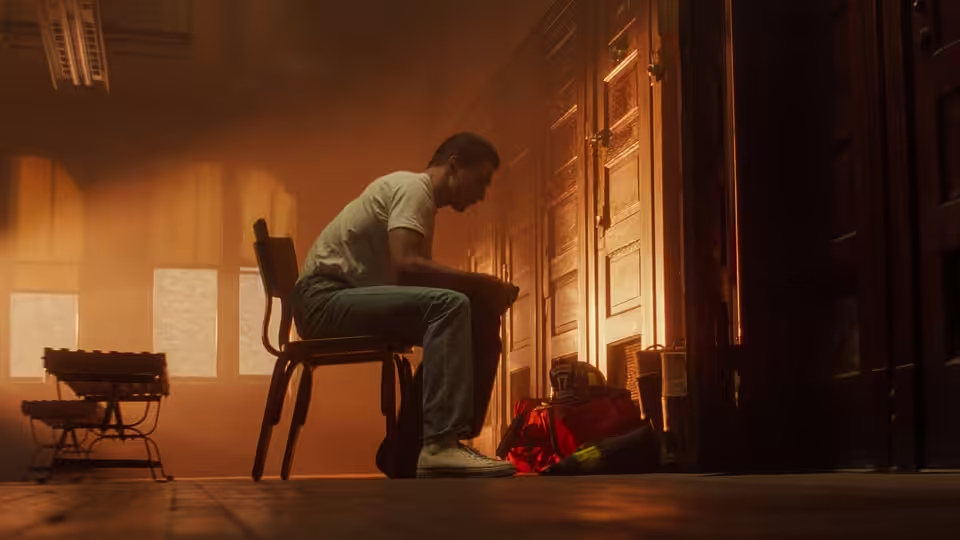
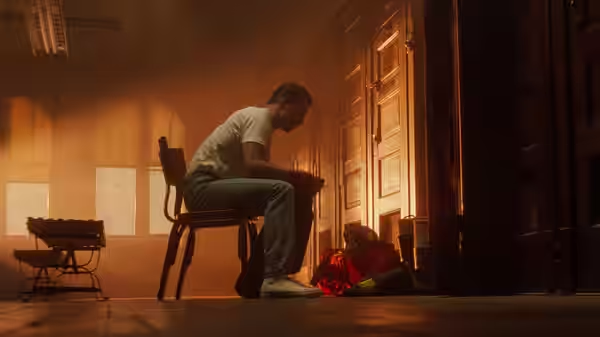
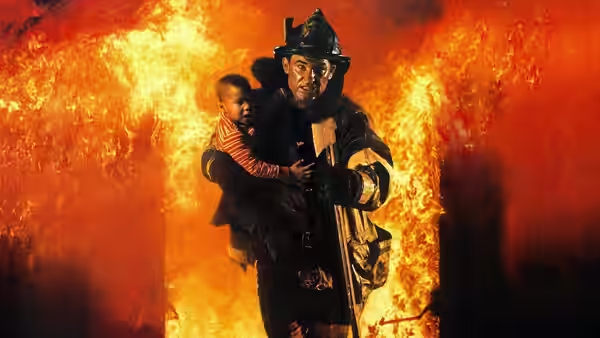
Mikael Salomon’s cinematography is the strongest reason to persist. The fires have an unpredictable movement that makes it difficult to settle comfortably into watching the action, even when the surrounding drama has made its intentions obvious. We were frightened by the factory fire, because the spread of the flames makes the effort to control them look horribly precarious. The spectacle works because we believe that the people confronting it might be overwhelmed, however capable they appear or however firmly the film encourages us to admire them.
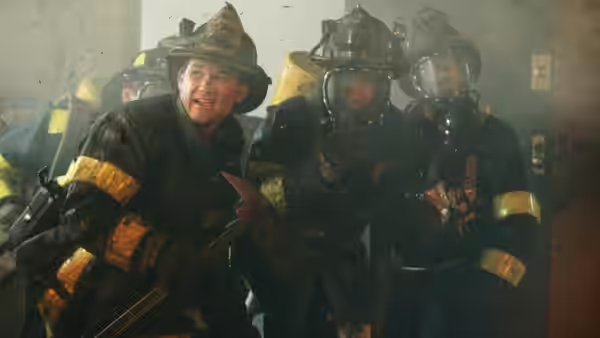
Albert Brenner’s production design gives those fires a convincing physical setting. The factory registers as a workplace becoming dangerous, and that helps the action hold our attention beyond the immediate excitement of an explosion. There is something absorbing about watching people attempt a difficult job under conditions that can change without warning. The film is patient enough to let us appreciate the work, though it becomes less persuasive when it turns from that work to the firefighters’ personal troubles.
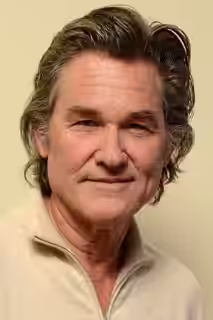
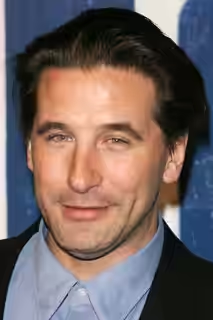
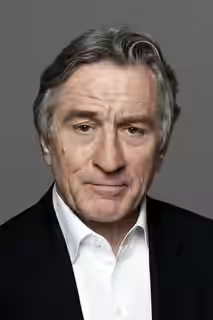
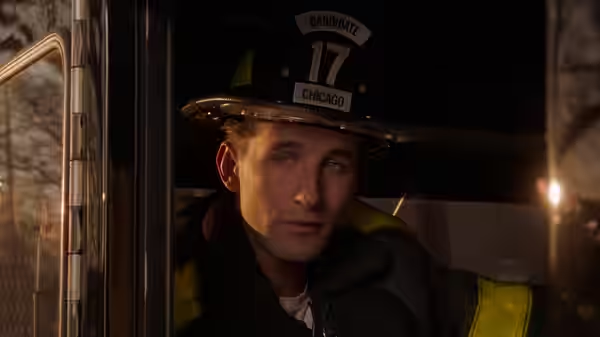
Kurt Russell gives Stephen McCaffrey the force the material needs, though force cannot do all the work of characterisation. William Baldwin’s Brian McCaffrey is less compelling, and the screenplay does too little to make us care about him when there is no immediate danger. The presence of Robert De Niro as Donald Rimgale raises expectations that the writing does not consistently meet. There are good actors here, but too often the film expects their presence to make ordinary dramatic exchanges feel consequential without giving them much help.
Hans Zimmer’s music adds to the pressure to take the personal drama seriously, and we could have done with less encouragement. The score suits the scale of the danger better than the thinner passages of character writing. Mike Hill and Daniel P. Hanley keep the firefighting sequences urgent, but their editing cannot make the film’s competing interests fit comfortably together. The trouble accumulates as the film goes on: another stretch of melodrama arrives, and we find ourselves waiting for the firefighters to get back to work.
A thriller can survive simple characters if it moves briskly enough. At 137 minutes, this one gives us too much time to notice how little there is to know about its people. Still, its respect for firefighters is welcome, and the fire sequences are frightening enough to explain the attraction. We would pass if a tightly plotted crime story is the priority. Choose it for the firefighting, with patience for the long conversations between emergencies.