Jessica Tandy and Hume Cronyn give this gentle fantasy enough feeling to justify an evening for the sentimental. The tiny saucers charm, but Matthew Robbins asks for more tears than the story earns.
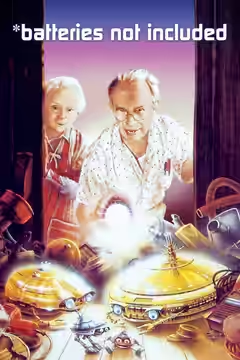
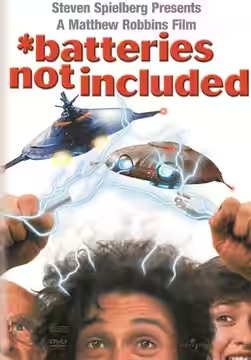
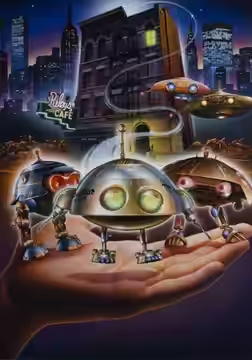
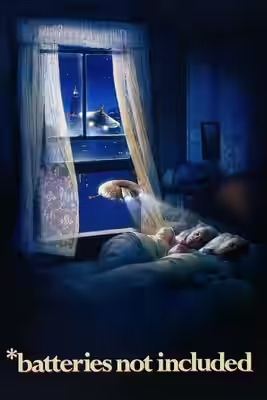
Matthew Robbins’s *batteries not included is a decent family fantasy, helped through some overbearing sweetness by its actors. Its pocket-sized flying saucers are a clever invitation to wonder, and the human cast gives us reasons to care beyond waiting for the little things to turn up. The difficulty is that the director keeps pressing for tenderness after the actors have already done enough to earn it. There is pleasure here, particularly for younger viewers, but adults may find themselves wishing the film would trust them to respond without so much encouragement.
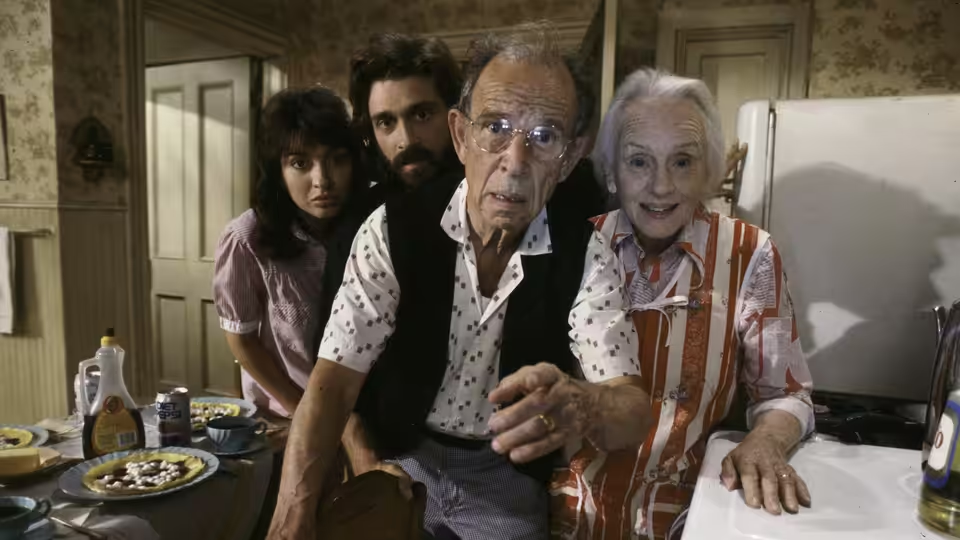
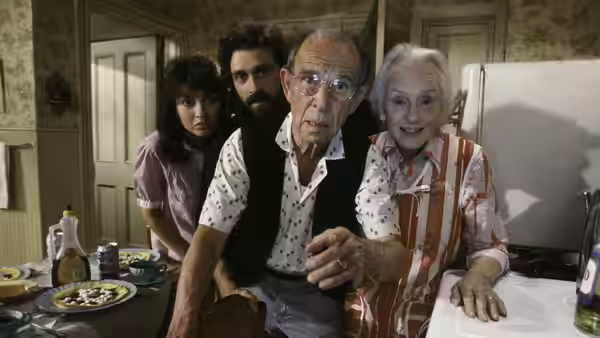
Jessica Tandy is the main reason it gets away with as much as it does. As Faye Riley, whose memory is fading, she keeps humour within the confusion without making the confusion itself a joke. We were moved by Faye’s bewilderment, because she makes it possible to recognise the person even when that person struggles to understand what surrounds her. Hume Cronyn gives Frank Riley enough weight to keep their scenes from becoming exercises in audience reassurance. The performances deserve the time the film spends with them.
The other personalities help, even when the writing gives them little room to surprise us. Frank McRae’s Harry Noble, Elizabeth Peña’s Marisa Esteval and Dennis Boutsikaris’s Mason Baylor are welcome company, though the film is less interested in their complexity than in our affection for them. The screenplay, credited to Matthew Robbins, S.S. Wilson, Brent Maddock and Brad Bird, too often assumes that making its characters sympathetic is enough to sustain a story. We want them to receive help, but the repeated requests for sympathy become wearing.
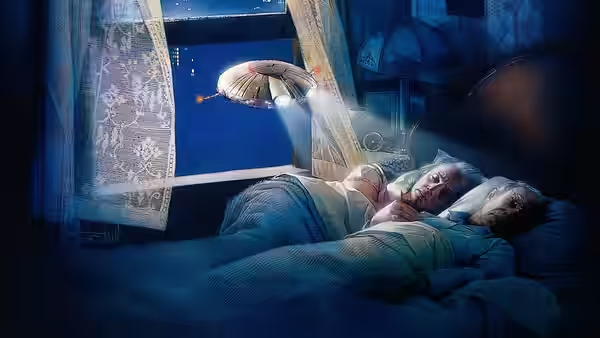
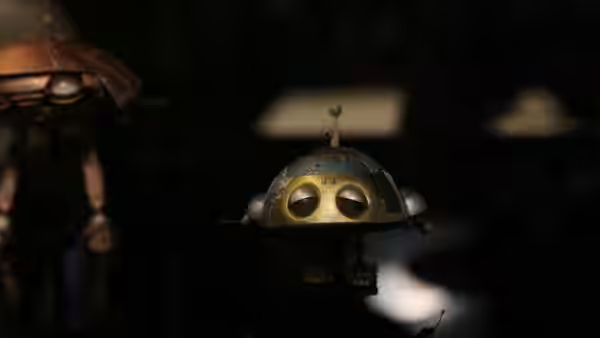
The small scale of the visitors is the film’s soundest visual decision: it encourages curiosity rather than awe. John McPherson’s cinematography and Ted Haworth’s production design make the fantasy easy to accept alongside the actors, without asking us to admire the technology at the expense of the people. We can enjoy watching the saucers without needing the film to grow louder or larger. That modest pleasure is enough for stretches of the running time, and the technical work is more persuasive than the writing that surrounds it.
Cynthia Scheider’s editing is less successful at disguising how often the film returns to the same emotional appeal. At 107 minutes, this is not an especially long family film, yet its insistence makes it feel more protracted than it needs to. James Horner’s music contributes to that problem, encouraging an emotional response when the performances would have been sufficient. Jessica Tandy can make vulnerability clear without extra help, and the film would be stronger if it were more willing to leave her to it.
Matthew Robbins understands the appeal of a friendly alien encounter, but relies too heavily on familiar family-fantasy sentiment. The gentle absurdity of tiny flying saucers remains appealing, and the central performers give the human troubles a seriousness the screenplay cannot consistently support. We would keep this for an evening when softness is part of the attraction, rather than expecting much invention beyond the visitors themselves. A tolerance for being nudged towards tears will help.