Sergei Eisenstein’s Battleship Potemkin is gripping, angry cinema, made with remarkable precision. Its officers are thinly drawn, but the cutting makes the sailors’ revolt feel urgent even when the politics are blunt.
We recommend Battleship Potemkin warmly, with a warning that its officers leave little room for surprise. Sergei Eisenstein takes the 1905 mutiny aboard the Potemkin and asks us to feel the sailors’ resentment before their disobedience takes shape. The film watches a group reach the point at which taking another order becomes unbearable. Its 75 minutes are organised around that growing pressure, with little time spent establishing private lives.
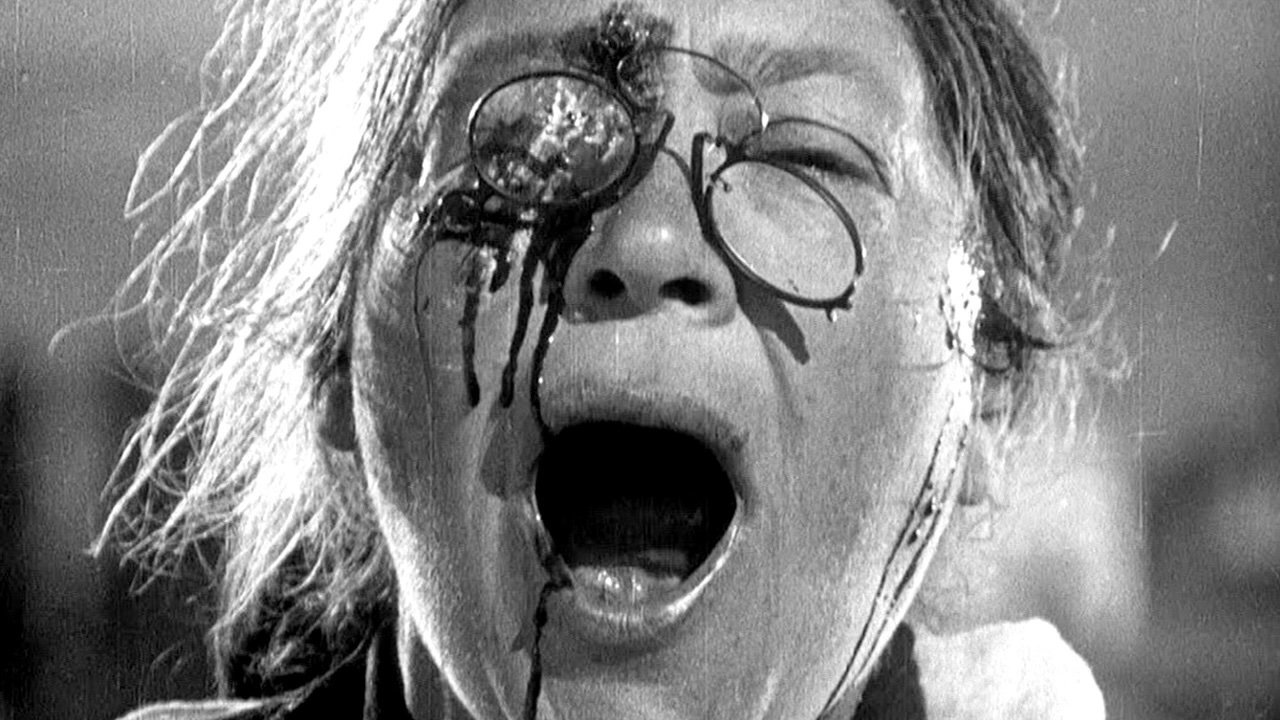
We were angered by the treatment of Ivan Bobrov’s young sailor, flogged while sleeping. That punishment gives the crew’s resentment an immediate cause: even rest offers no protection from the men in charge. The plate-smashing that helps trigger the mutiny feels like a release of anger already present aboard the ship. The cutting gives the gesture enough force to make a broken object feel dangerous.
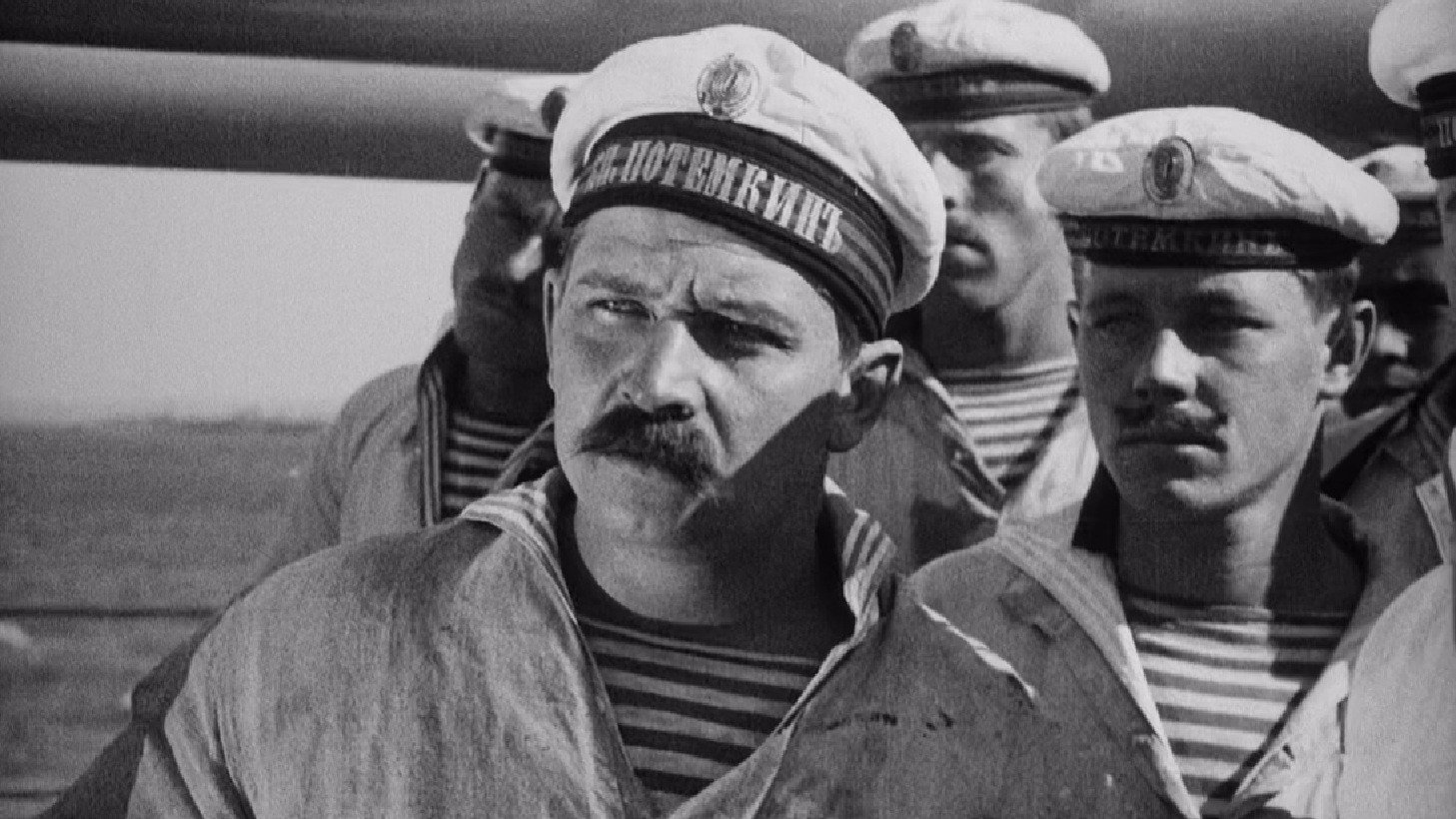
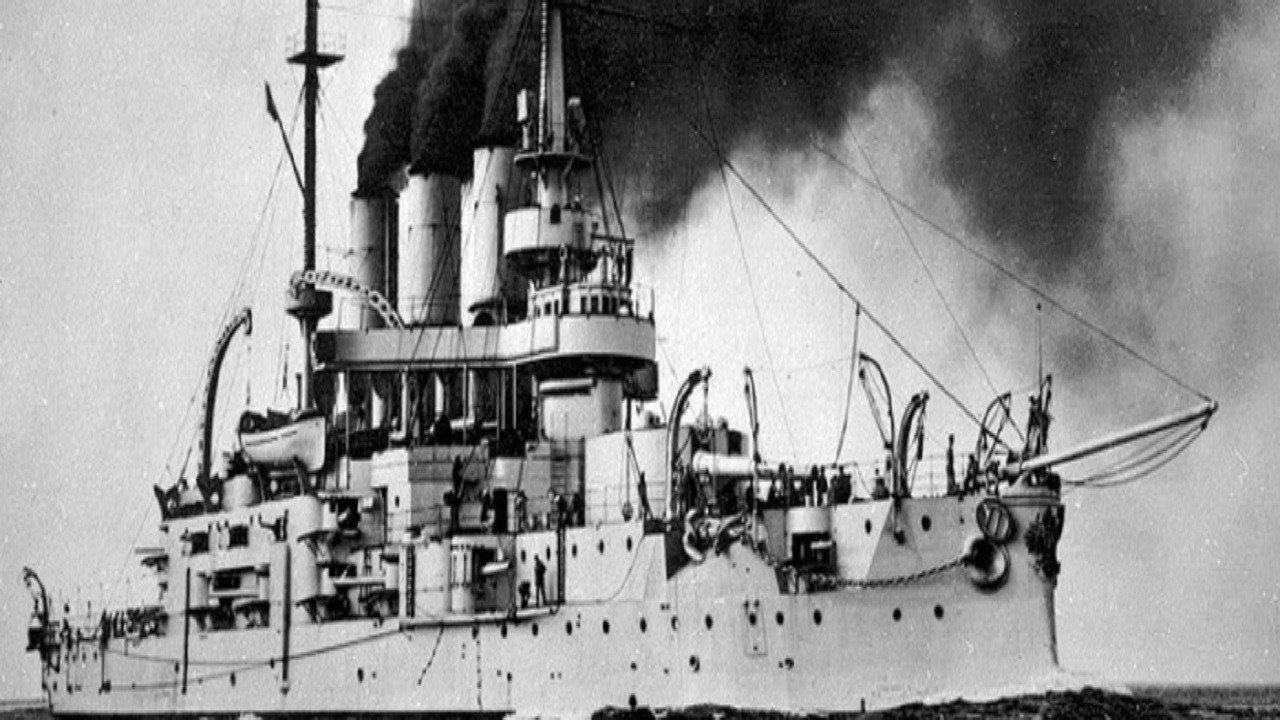
Eduard Tisse’s cinematography is crucial to the film’s handling of crowds. Faces remain worth looking at individually, even when movement through the image draws our attention to the group. Vasiliy Rakhals’s production design makes the ship feel like a workplace nobody can leave, which gives the struggle over orders a physical closeness. The sailors’ anger would be much less involving if the vessel were merely an impressive object to photograph.
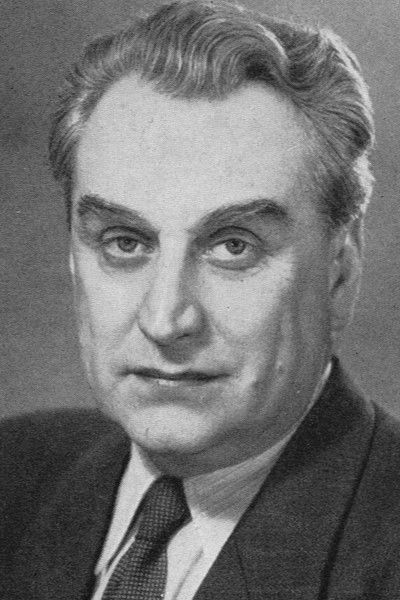
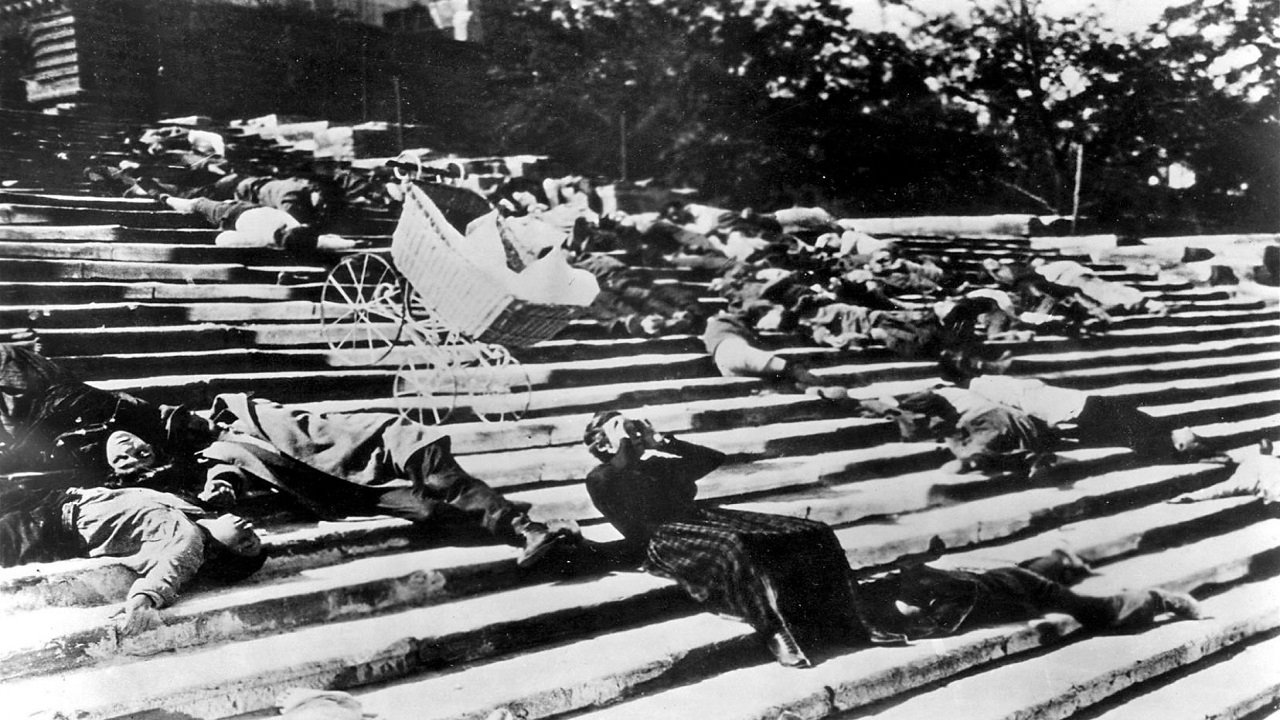
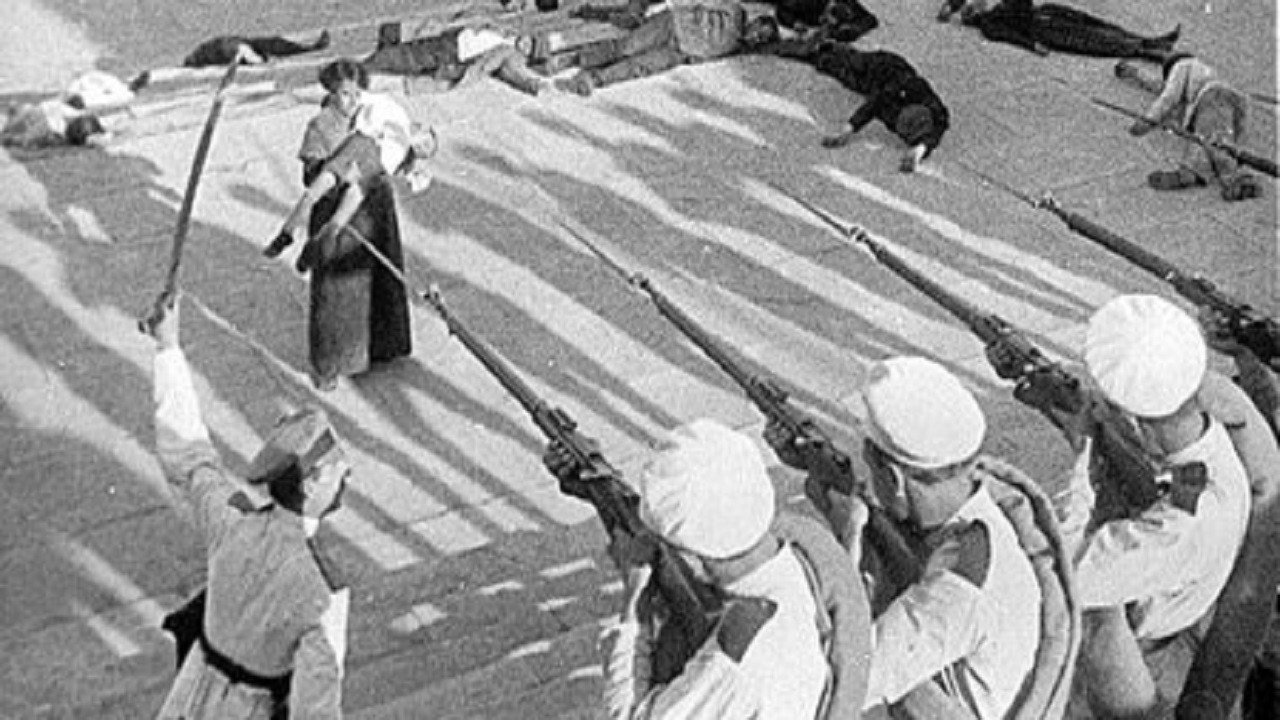
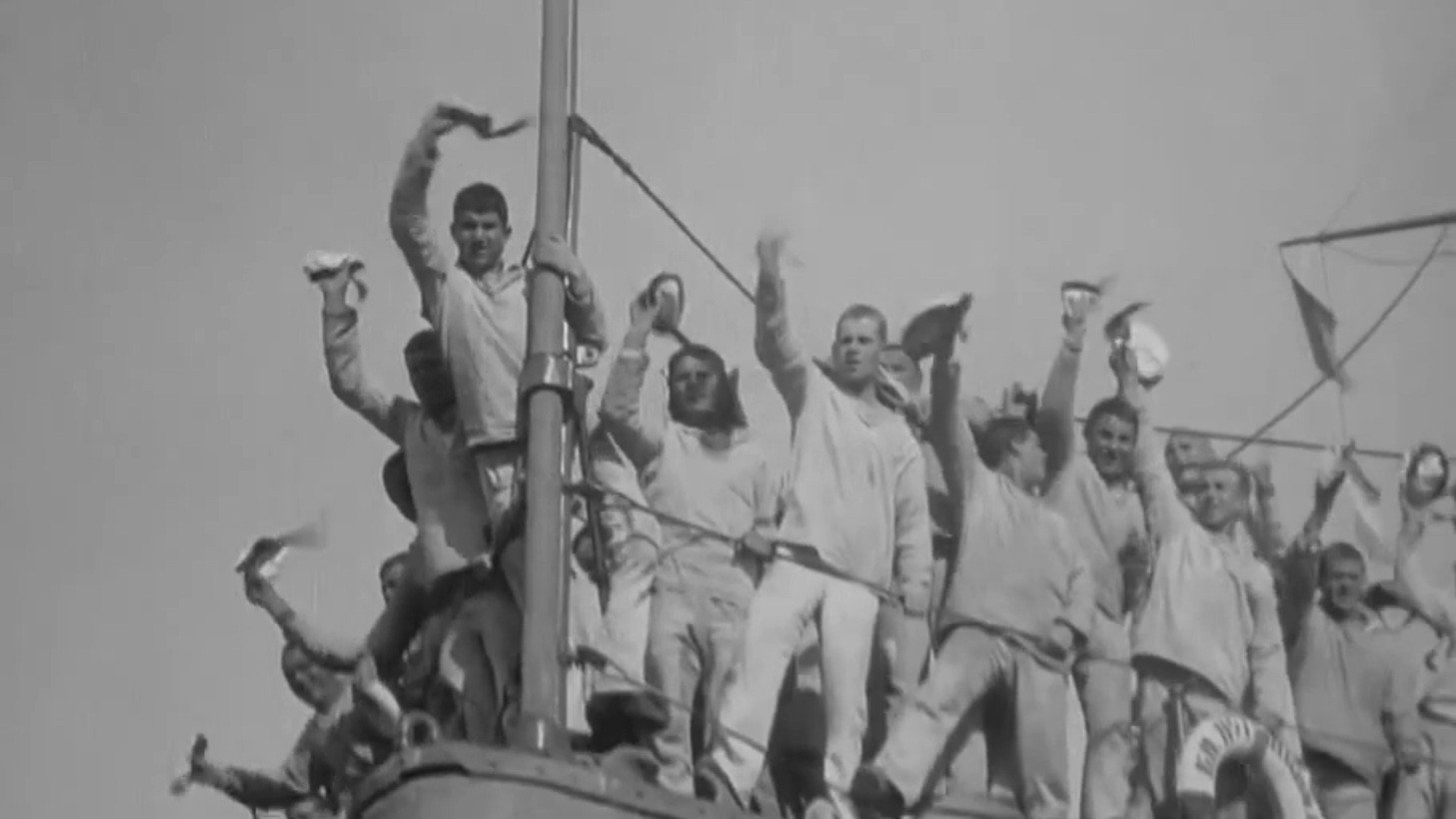
As editor, Sergei Eisenstein makes the movement of a crowd exciting without relying on a single person to lead our eye. He lets a face or a gesture briefly hold our attention before the larger movement takes over again. The changes of scale matter as much as the speed: an individual response can disturb us even while the crowd carries the scene forward. The cuts make us anticipate action, and that anticipation supplies much of the suspense.
Edmund Meisel’s music reinforces that forward pressure. Its emphatic accompaniment suits the film’s anger, although the combined insistence of score and cutting can become tiring. We are seldom left much room to weigh what we have seen before another image demands a response. That is effective while the tension is rising; across the film, it can make us conscious of being pushed.
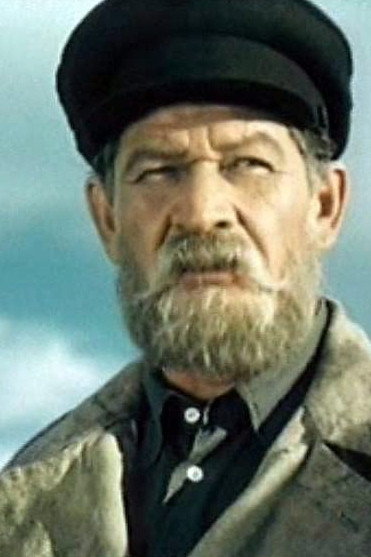
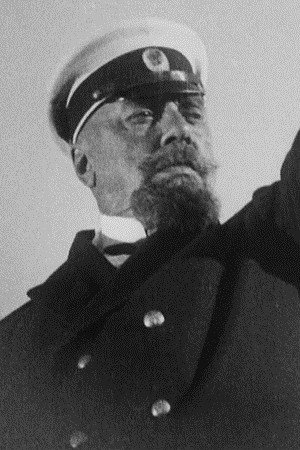
That pressure becomes a limitation in the officers’ scenes. Vladimir Barsky’s Commander Golikov and Grigori Aleksandrov’s Chief Officer Giliarovsky leave us little to discover about the men beneath the rank. Aleksandr Pavlovich Antonov’s Grigory Vakulinchuk benefits from belonging to a crowd whose different faces keep attracting our interest. The officers receive less of that attention, and the performances cannot entirely overcome how firmly their roles have been fixed. A little more individuality would have made them more frightening without requiring us to sympathise.
Anyone expecting a war drama organised around one man’s courage will need to adjust. The crowd receives the sustained attention usually reserved for a leading actor, and it holds our interest even when the politics become repetitive. The film’s excitement comes from watching people gather, hesitate and move, with each change made consequential by the editing. Give it 75 uninterrupted minutes, and keep an eye on the faces.